


The best research tool in the world doesn't exist until someone decides to build it. And usually, that someone has no business being in the industry at all.
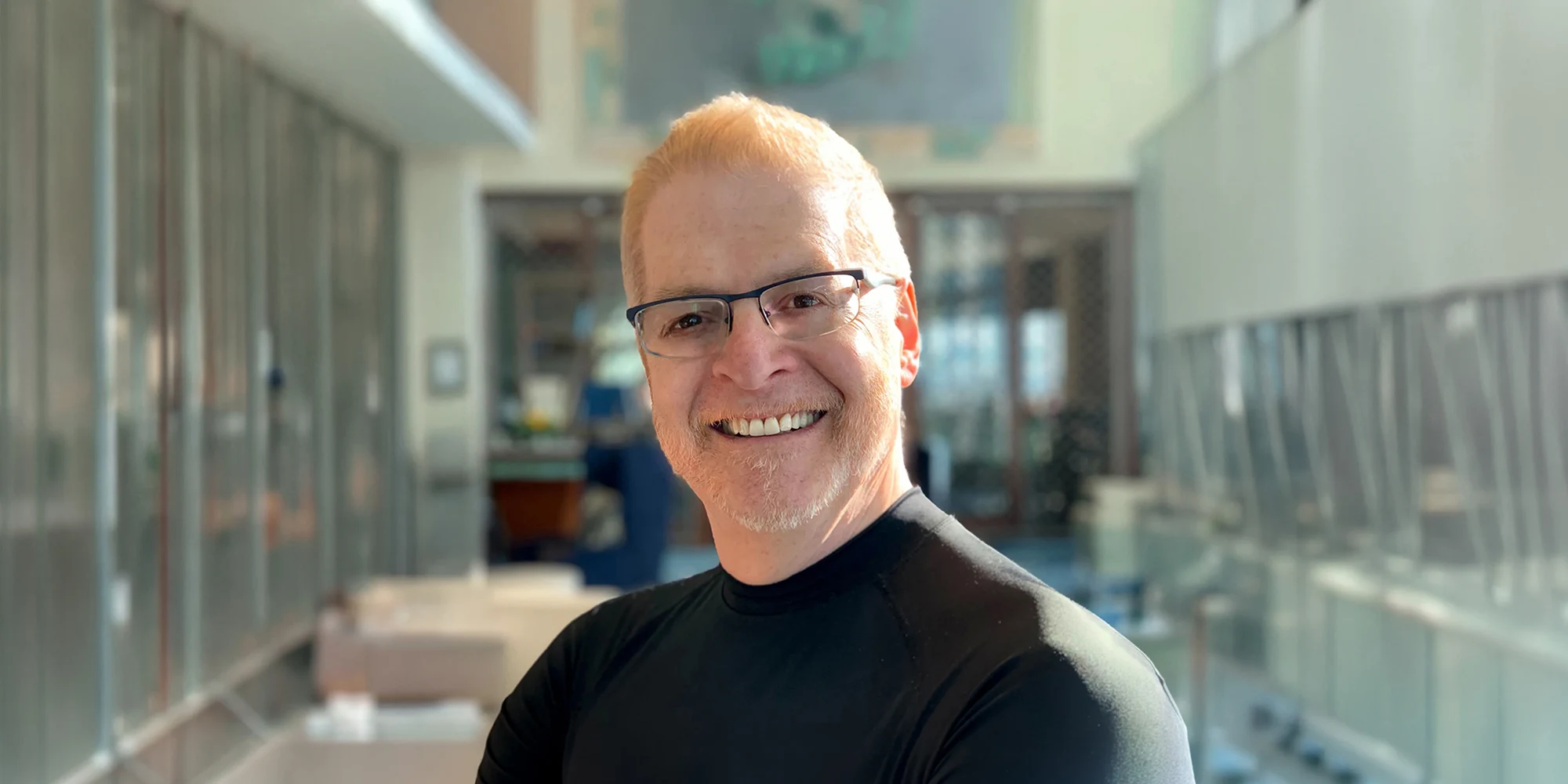
Meet David Handel, Co-founder and Chief Strategy Officer at aytm. A radiologist by training, an entrepreneur by nature, and the person who asked the question that started everything: why can't a small business do market research on their own? Alongside co-founder Lev Mazin, David built the first survey platform with a panel already built in — and in doing so, changed what market research looks like for everyone.
Read our conversation below to see how a doctor who patented a shoe, graduated first in his medical school class, and once shared a trade show floor with an early Microsoft and ended up building one of the most enduring companies in consumer insights.
Can you tell us a little bit about what you do here at aytm?
I'm a co-founder and the Chief Strategy Officer, but the title matters less than the function. I'm a third voice in every major decision. I meet with Lev and Shanon every week, and I'm in constant discussion with Lev on both strategic and tactical calls. I also chair the board.
My most tangible day-to-day contributions tend to be on the risk side. I led us to ISO 27001 certification. We were one of the first companies in the market research space to get it. I drove our GDPR compliance before it became mandatory. When the Wayfair Supreme Court decision changed how online businesses handle sales tax, I jumped in and spearheaded that project. When something's coming that could affect us, I try to get there before it arrives.
How did you decide to get into your field?
Market research wasn't a destination I planned for. I was a radiologist. I built a software company during my residency at Duke. I patented a shoe. Lev and I spent years trying to build Facebook apps together. None of it quite clicked. Not until I had a eureka moment.
Years earlier, I'd spent thousands of dollars commissioning a market research survey for my radiology practice. We needed to pick the exact right location for an imaging center. It worked. We chose Brielle, New Jersey, and it became a remarkably successful 20,000-square-foot facility. But the cost and complexity to get there? Completely out of reach for most small businesses.
So when Lev and I were looking for the next idea, I asked: why can't a small business do this on their own? At the time, no survey tool came with a panel built in. You called two separate vendors and wrote two separate checks. We built the first tool that combined them: draft a survey, define your audience, put in a card, launch. That was Ask Your Target Market. That became aytm.
What's something you're passionate about?
Two things. Learning — I consume information constantly, books, research, new ideas, and I genuinely get competitive with myself about it. And not worrying. About anything.
The framework is simple, but you have to actually run it. When a worry surfaces: is this thought even true? If not, drop it. If it is true, can you change it? If not, drop it. If you can change it, make the change. If you're not willing to make the change, drop it. There's no path through that filter where worry is still justified. And any time the thought comes back anyway, I tell my brain to shut up. Literally. It works. I have it programmed into my morning so it stays front of mind. I start every day reading and reflecting on these principles. They're that important to me.
A quote often attributed to Mark Twain (probably wrongly) goes something like: "I have lived through thousands of traumas in my life, some of which actually happened." Worrying is wasteful and harmful. Life's a lot more fun when you don't do it.
What's a skill you have that would surprise your coworkers?
Most people who know me now probably wouldn't guess I was a genuinely terrible student from K through 12. I graduated at the 50th percentile of my high school class, dropped out of college with a C average, and became a stockbroker at 19. What changed everything was discovering retrieval practice — flashcards, essentially. Practicing remembering something, not just reading it, is what actually builds memory. I took that into college when I went back and got 11 A-pluses. Then I graduated first in my medical school class.
Same brain. Different methods.
How do you balance your career and personal life at aytm?
The work is genuinely fun, so there's no real tension to balance. My wife April and I sit across from each other on the couch with our laptops, seven days a week. We're both doing our thing. We're both happy doing it.
The one exception: football season. When the Eagles are on, the laptop closes.
What's something you can do at aytm that you couldn't do anywhere else?
Build something that genuinely changes an industry, alongside a partner who leads with empathy, and a team that actually stays. Some of our earliest hires have been here 10 or 15 years. Our lead developer has been with us since before we had a product. That kind of retention doesn't happen by accident. It's a direct result of the culture Lev has built.
It also says something about how we work. When COVID forced companies to go remote overnight, Microsoft's leadership (through our board member Michael Schwartz, who is Microsoft's chief economist) reached out to Lev to understand how we managed a fully remote engineering team. We're a small company. They wanted to learn from us. Lev had been doing this from day one, and he'd figured out something most companies still haven't. Getting to be part of building that from the very beginning is something you can't find anywhere else.
Which aytm core value is your favorite and why?
Empathy. And I'd give all the credit to Lev. He didn't put empathy on a slide and call it a value. He built the entire company around it — how we treat customers, how we build product, how we talk to each other, how we hire. You feel it from the first conversation you have here, and it doesn't fade. That's rare. Most companies list empathy somewhere on their website. aytm is actually run that way.
What advice would you give to someone just starting out at aytm?
Dive into the relationships. The team here is extraordinarily supportive, and that doesn't happen automatically in remote companies. It happens here. There are no cliques, no politics, no one pulling someone else down to move ahead. The pool is warm. Jump in.

.webp)


.jpeg)


