


Description
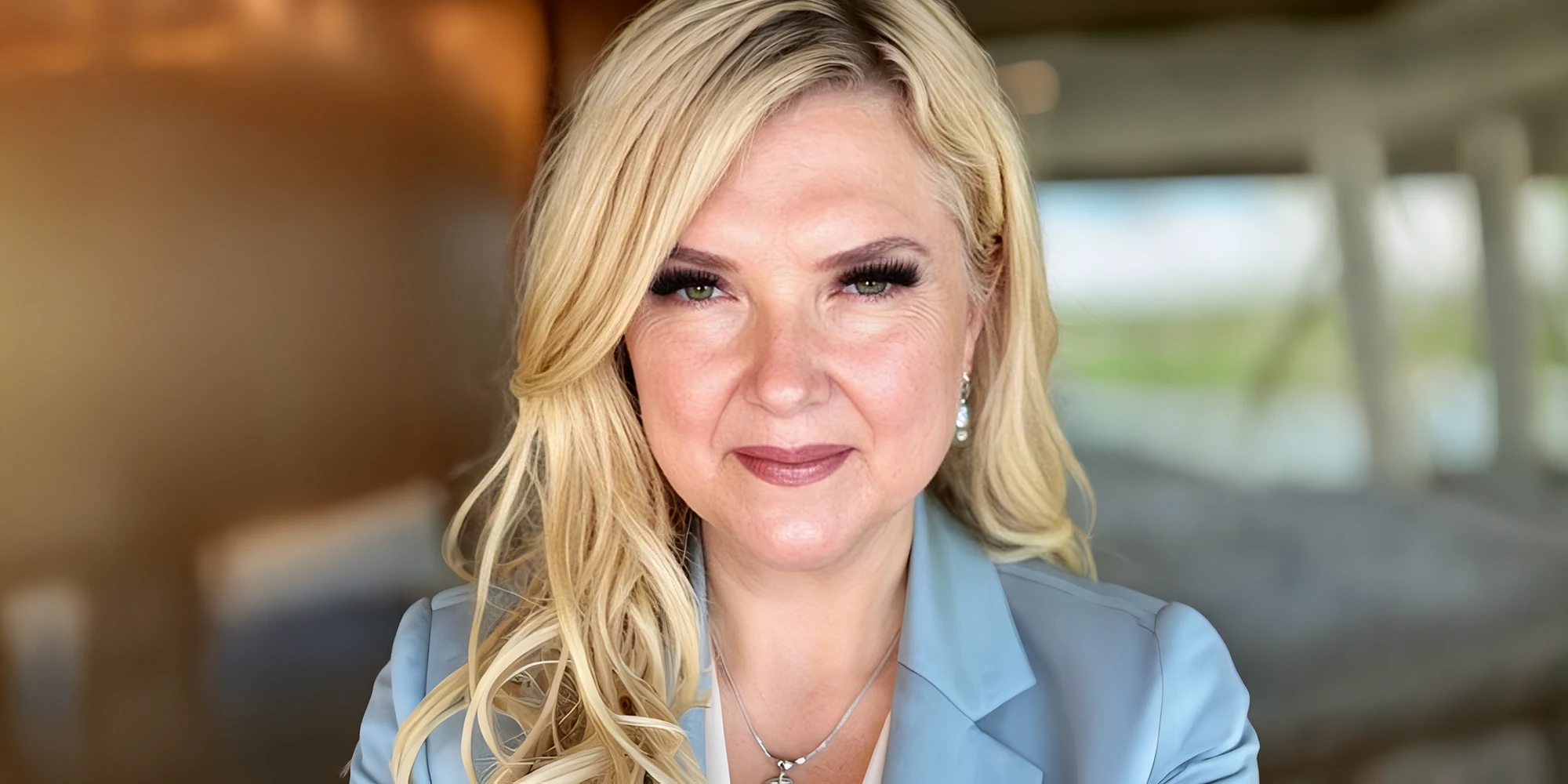
In this episode of The Curiosity Current, Stephanie and Molly sit down with Nancee Halpin, a researcher and insights specialist whose career has been shaped inside tech-enabled research companies including Fuel Cycle, SurveyMonkey, Highlight, and Strella. Having worked across research, product marketing, and solutions engineering, Nancee brings a clear-eyed view of what happens when research moves into SaaS environments built for speed. She shares how her role evolved from running studies to protecting research quality inside systems optimized for scale. Much of her work recently centers on helping teams understand trade-offs, explaining methodology to non-researchers, and ensuring insight remains trustworthy when timelines shrink. Nancee explains why leadership teams continue to respond more strongly to real language and lived context than to high-volume data alone, especially in a market where differentiation is hard to sustain. The conversation also addresses AI directly. While AI accelerates setup and reporting, Nancee makes clear that context, judgment, and storytelling still sit with humans. The episode offers a grounded look at how good research survives and stays relevant in a tech-first world.
Transcript
Nancee - 00:00:00:
I'm the researcher. They came here for a specific reason. I am owning this project. And just to be really upfront and communicative about what my recommendation is and then, yeah, what they're sacrificing. And just say, if you can get this from somewhere else or try to be creative, always try to be a thought partner, but be very honest. Like, I won't be able to tell you how to approach x, y, and z. I just won't.
Molly - 00:00:25:
Hello, fellow insight seekers. I'm your host, Molly, and welcome to The Curiosity Current. We're so glad to have you here.
Stephanie - 00:00:33:
And I'm your host, Stephanie. We're here to dive into the fast-moving waters of market research, where curiosity isn't just encouraged, it's essential.
Molly - 00:00:42:
Each episode, we'll explore what's shaping the world of consumer behavior from fresh trends and new tech to the stories behind the data.
Stephanie - 00:00:51:
From bold innovations to the human quirks that move markets, we'll explore how curiosity fuels smarter research and sharper insights.
Molly - 00:00:59:
So, whether you're deep into the data or just here for the fun of discovery, grab your life vest and join us as we ride the curiosity current.
Stephanie - 00:01:09:
Today on The Curiosity Current, we're joined by Nancee Halpin, a researcher and insight specialist who's built her career inside some of the most influential tech-enabled research companies, Fuel Cycle, SurveyMonkey, Highlight, and, most recently, Strela.
Molly - 00:01:24:
Nancee has held roles across research insights, product marketing, and solutions engineering, giving her a unique 360-degree perspective on how technology, human interpretation, and methodological rigor come together to power better decision making.
Stephanie - 00:01:40:
At Strela, an AI-driven insights platform, Nancee contributed to work that made research more accessible without sacrificing depth. And across her career, she's helped to bridge the gap between traditional research craftsmanship and the speed and scale of SaaS.
Molly - 00:01:56:
Today, we'll explore why the industry is swinging back from big data to deeply human insights, how SaaS and services can work together instead of competing, and what it takes to fit a legacy insights discipline into an increasingly tech-first world.
Stephanie - 00:02:11:
Nancee, welcome to the show.
Nancee - 00:02:13:
Thank you so much, Stephanie. Thank you, Molly. I'm excited to be here with you both.
Stephanie - 00:02:16:
Well, we're excited to have you. To kick us off, I wanna talk a little bit about how you've kind of moved. You have a unique career, and you've moved between researcher roles, and solutions engineering type of roles and product marketing across all the platforms that we just mentioned, right? Like, these well known sort of research technology platforms like Fuel Cycle, SurveyMonkey, etcetera. Before we get into kind of bigger themes that we wanna talk to you about today, I would love it if you could just kinda walk us through your career journey and the way it shaped the way you think about the relationship between technology and human-driven insights.
Nancee - 00:02:55:
Yeah. Absolutely. So, what's really interesting is that my first job out of college was actually in syndicated research for Business Insider. So, they still have and operate their subscription research service, Business Insider Intelligence, which recently had an acquisition of eMarketer, and then they've expanded a lot of their work. So the time was 2015, a startup and that Silicon Valley and Silicon Alley world in New York was really booming. And so my intro to tech was through a media company. You know, I was a startup within a startup doing our little subscription research for Fortune 500 enterprise clients to read about what's happening in retail and ecommerce, but I had the access and resources of a really booming startup company that was really fastly moving into an acquisition that I was there for. So, that kind of started me in a world where I was like, okay, just because I'm doing research work doesn't mean I have to be at a research company. I got lucky with that posting and that team, and then things kind of just moved with, I think, where the opportunities were. So, media measurement is always going to be something that people are looking to do. It's always going to be consistent spend, and kind of reliable customers and clients to work with. But then, yeah, as technology and this idea of democratizing research came out through platform usage, and as you can see, like, a kind of wandering journey through my past ten years in the career had taken me to tech, and so I'm lucky to have had those doors open, to have met people. It's really been driven a lot by connection and conversation. But I think at the root of it, to really answer your question, that's been kind of the through line taking me through all of it is just wanting to do good research. That's my main goal. So, whether I'm at an agency, whether I'm at a tech company that's twenty years, you know, into their maturity, whether it's a early stage startup, I just want to be there to promote the quality that customers rely on because a tech company can make that go further, but if you don't have team members who know how to implement that in the first place, it's hard to build that trust.
Stephanie - 00:05:05:
For sure. That foundational knowledge is it sounds like it's the thing that you've carried with you to kinda champion across these roles.
Nancee - 00:05:12:
Yes. Yeah. I definitely think that's kind of the North Star for me.
Stephanie - 00:05:16:
I love that.
Molly - 00:05:16:
Yeah. I love that you really simply put that your goal is just to do good research, which is, you know, it seems very simple, but it's obviously not because there are so many ways and avenues and competing things in how you do that. So, you know, that makes me wonder. You know, you just talked about how you live at the intersection of these tech platforms and these research services, all while trying to do good research. So paint a little bit of that picture for us. What does it look like when you wanna do good research, and there's both SaaS and human services together? How do you kinda work those together so that they aren't just competing philosophies, but instead work to strengthen each other?
Nancee - 00:05:57:
Yeah. It's a really good question, Molly, and it's really tough, right, as I'm sure you guys will know.
Molly - 00:06:01:
Yeah. Definitely loaded.
Nancee - 00:06:03:
You know, the SaaS plus services puzzle for us as market researchers is a unique one. It is not the same challenge facing a Salesforce and Atlassian, where it's, you know, does our platform fit, do these building blocks fit together? But the idea of crafting a service and research that is built to a customer or client's needs, and then the story that you tell afterwards isn't just a bunch of, you know, it's not a data dump. It's really difficult. So what I've seen work really well is, and to give you another simple answer, it’s the humility aspect. I remember working in one of my roles as a sales engineer at SurveyMonkey, my most successful partnerships with my account executives, some who had been doing this for thirty-plus years but were not used to selling market research, they would say, “Nancee, I don't know how to talk to the customer about this or the prospect about this. Can you lean in there?” And I'd say, “Great. I'm really scared about talking about the money. If they ask me that while I'm talking, can you…?” So, the honesty, the humility, the knowing where to push and pull. And then I've been part of other teams, you know, where there are reps who do try earnestly and wholeheartedly, but then it does break down the trust when the project is not scoped correctly, when things do not run as expected. So, removing all ego, which is harder than any of us probably expect or think, and we might think we're better at it than we are. It's possible, though. It's possible, and I've seen it work really well. So, when it comes to that honesty, but then also the teams communicating, you have to know that, okay, just because my part of the deal or the project stops here doesn't mean my duty to the next person isn't still there. I should help them pick this up. And that's what I've seen just really make everything run like a well-oiled machine and keep clients very happy.
Molly - 00:07:54:
That's, I feel, a nuance and a contextual evaluation that tech in any sort of capacity is not there yet.
Nancee - 00:08:04:
Yes. Yeah. There's still so much to uncover when you're putting two platforms together, because then there are conversations about customization. And, you know, this is gonna spiral off into a whole other challenge, but when it comes to adoption and, you know, the types of customers we're selling to, right, and how we think about our industry, You know, talking to any Fortune 100, those white whales that we all want, they're gonna require extreme levels of security and customization that doesn't fit the model of growth that we're all striving for. So, that researcher touch, that personalization, that expertise in a vertical as well in the industry, I think, makes things go very far in a world that right now we hear a lot of the same platforms offering the same kind of buzzwordy solutions. So, standing out with that customization, I think, makes a huge difference.
Molly - 00:08:59:
Yeah. And that's something that's never gonna change. There's always gonna be specificities for everything.
Nancee - 00:09:03:
Exactly. Exactly. Yes. So, investing in the internal expertise or, like, that subject matter expertise.
Nancee - 00:09:12:
I think it’s so important.
Stephanie - 00:09:14:
Well, I'm curious too, just in this, this is a follow-up to Molly's question, but I'm curious since you've been in this kind of research technology space for quite some time, I made that transition in probably 2018/19 myself. And one of the things that I, you know, came to realize over the years that I've been doing this now is how much research education is as much your job as a researcher as executing research when you work at a DIY or tech-enabled platform. It really changes the nature of what your role is. You're not just a consultant and an advisor. You're an educator, you know? So, totally different feel from other kinds of agencies.
Molly - 00:09:53:
That's such a good point.
Nancee - 00:09:56:
Yeah. The idea that I would have to explain pretty standard KPIs to a customer team and, like, why they should care about these things was pretty new for me as well. And so that challenge of learning how to talk about these things to people who are building insights teams for the very first time or who don't know about advanced methodologies and do need to, you know, figure out how to implement them because they're being tasked with it is a conversation skill that I think a lot of people have had to to learn how to pick up. Stephanie, what your follow-up question was.
Stephanie - 00:10:29:
Oh, we were just talking about being an educator and thank you.
Molly - 00:10:33:
Yes.
Nancee - 00:10:34:
Yeah. And, actually, it's so funny you bring that up because I have spoken to other people in the industry who have brought up that same word, educator. Like, I've been asked, do you see yourself as an educator? And before, I've been like, no, I'm a researcher. But even in my agency life, I was still educating my clients on how their work went, what the story of their budget spend was.
Stephanie - 00:10:56:
Yeah.
Nancee - 00:10:57:
And I think what's really important is just the idea that anyone can pick it up because my value as a researcher is not just to a brand's insights team, but it's to everyone there. And so if the CEO, if HR, if like, my goal is for HR to understand market research, right, to understand their business, and how people view them. It's important for all departments. So when I think about democratizing research, I don't just think about platforms. I think about how you're explaining it to people, but knowing it's, again, built on that research foundation, that methodological rigor.
Stephanie - 00:11:31:
Yeah. No. That makes so much sense. I wanna switch topics a little bit. You have talked about in the past how the industry is shifting from kind of that big data mindset back towards deeper, more human-centred insight. What do you think pushed the pendulum back? And I'm curious about where you think teams may still be relying on, like, volume of data instead of deep human-centred insight. And maybe, beyond that, what are they sacrificing by doing that?
Nancee - 00:12:03:
That is a really good question, and I really love this topic because not only has my own career obviously kind of shown that as my work at Strela was more heavily in qualitative and really not focused on any type of quants except for maybe a supporting multiple choice question or two. But I think I've seen it a lot, really in my customers' requests and my clients' asks for this is what I need to tell the story and sell it to my leadership internally. So I hear that request a lot. What does this report need to look like for you? What are the key metrics to report on, but also those key kinds of chapters and sections I can build out for you? And the answer is always, I know this was a survey, but if there's any good open ends from, like, the two we included, can you include them? Is there anything you can pull out to differentiate this? So, customer requests are really validating that for me. I think two also, though, is just personal observations of we're in such a hyperconnected world more than we've ever been, obviously in human history. And I can't tell you how many days, I'm super into skincare, so when I go online, and I see brands, I have, like, one right here, you know, next to me, this lotion that I got. But then I see eight others that pop up because I clicked that one, and they're all using the same ingredients because they know that this brand is doing well and uses those ingredients and then uses the same kind of soft branding. There are a lot of similarities, I think, happening in this idea to connect people across the world. So differentiation, in my opinion, is hard. And building differentiation off of big data, in my opinion, is nearly impossible. I just don't think it's there. When you're going off of, like, quarterly brand trackers or surveys that nowadays, my third point, which I think is contributing to it, is bots. I mean, gosh, we all are dealing with it. No one has cracked the code on fixing the bot panel issue, and no one has also really cracked the code on how to make customer engagement more exciting for actual shoppers or consumers. Yeah. So, yeah, customers need it. Differentiation as a personal consumer, in my opinion, is hard, and I can't see how big data is going to push that. And then the third of, like, there's no trust really in a lot of these bigger surveys for a lot of teens now, and it's hard to build a new strategy off of that. So, when we're so built in, like, short form content, and it's so easy to get that now, why not grab, you know, a couple fifteen second clips of people talking about why they liked it, and it's gonna go so much further.
Stephanie - 00:14:41:
That's so interesting. Yeah. So, really, what are your real big takeaways there? Is that when we think about internal stakeholders, what is often most compelling to them is those human insights, those real words from people's real brains. Yeah.
Nancee - 00:14:55:
Yes. Yeah. That's honestly what I've heard over many, many years, and I've been lucky. I've been very blessed to have conversations with people of all stations in my career. So, you know, CEOs, C-suite, VPs, middle management, but also my team, to bring it back to doing good research, I just love connecting with the researchers and the insights teams, and they're the ones that are really validating that saying they're not gonna look at these charts and care at all. They want to see a quick little highlight reel they can spare a minute of their day. They can't spend an hour trying to interpret this. And that's where I'm hearing it so much, and it just feels, wow, really powerful and, like, it's growing.
Molly - 00:15:34:
I love that you mentioned the lotion example because I feel like there are so many different avenues we can go with. But what I thought of is, especially as speed is a huge thing that people are expecting.
Nancee - 00:15:47:
Yeah.
Molly - 00:15:48:
Right? Like, maybe there is an ingredient in that lotion that's trending, and it's only going to be trending for fifteen minutes. And you need to capitalize on that, so you need to do a handful of things, right? You have to analyze the market trends. You have to figure out what your position is on responding and potentially do package and product testing and get that thing out the door, all while capitalizing on a trend that could seriously last three weeks.
Stephanie - 00:16:14:
Like salmon’s term. Go. Right?
Molly - 00:16:16:
Yes. Yeah. That was so weird.
Stephanie - 00:16:21:
Anyway, I got into it. I'll have to talk to you about it later. I'm so excited.
Nancee - 00:16:26:
Well, there's the beef tallow stuff going on. There's more, I mean, it changes every day.
Molly - 00:16:32:
It does. It’s so fast.
Molly - 00:16:34:
Okay. Stephanie, we're unpacking that on a host only. Host only podcast.
Stephanie - 00:16:39:
Host only. Yes. We'll get there.
Molly - 00:16:42:
But my question is, you know, going back to the ‘doing good’ research because I can't let go. I think that's such a fantastic mantra. How do you deliver the speed that's needed without compromising your ability to do good research? Because we know that it can be dangerous. Right? And sometimes, a lot of the time, if you're not careful, quality can pay the price. So, when you're moving that fast, what's the kind of first thing that gets sacrificed? What do you look out for, and how do you fight or intervene in order to keep that?
Nancee - 00:17:10:
Yeah. That is such a good question. And I think especially back to the point of being an educator, this is also a huge part of our role in working in ResTech and where you can make sacrifices. And that's another part of my job is to sort of be a butcher and help them trim the fat where they can, but keep the lean meats that they really need. It's always going back to, I will poke and prod on what do you need to get out of this. What are your main objectives? Because to answer your question, Molly, the first thing that gets sacrificed from the client's end is survey or discussion guide, whatever the actual method of collection is. It's, “Okay, well, we'll just cut, like, that second half of it.” I go, “Well, hold on. Do you wanna cut the second half that was all about customer journey?” Meanwhile, the objective of this research is to figure out how to do your retailer sell-in stories, right, when you're going around to these big retailers and doing partnerships. So, how can we tell that story when you cut the second half? Or I wanna run a concept test, but I also have a 35-question profiling survey that I wanna throw in that I've run eight times before with our larger customer base. I just wanna see if they map to it.
Molly - 00:18:20:
Oh God.
Nancee - 00:18:21:
So, there are moments where I have to, yeah, I have to trim the fat. And so what I've learned to do is be flexible. There are moments where I can give in and say, maybe this is a newer way of doing this methodology. That not everything is rooted in, you know, the same exact, you know, if we're running statistical analysis, of course, like, formulas are formulas. But if I can ask a certain set of questions from a Van Westendorp pricing analysis in a different way and not get that price range, but still give my customer hard data that feels good for their team to interpret and understand a new price point, you know, I can do that. So, can I cut that down to 2 questions instead of 4, if we're talking about length? So I really try to make sure that the objectives are there. And then back to honesty, it's just telling the customer, “Okay, you won't have this then.”
Molly - 00:19:18:
Yeah. But that's what you sacrifice. And, like, there's nothing you can do about that. The way that it is.
Nancee - 00:19:22:
Yes. Exactly. And I think I've seen you know, that that confidence, though, does take time to build up. I certainly have had experiences early in my career where a client wanted to cut something out or, you know, when you're working with multiple team members, and they're not really communicating with each other. “Oh, this person wants to take this out,” and I just said, “Okay. Great.” And then someone else doesn't know. So, moments like that where I've learned to say, “Okay. I'm the researcher. They came here for a specific reason. I am owning this project.” And just to be really upfront and communicative about what my recommendation is and then, yeah, what they're sacrificing. And just say, if you can get this from somewhere else or try to be creative, always try to be a thought partner, but be very honest. Like, I won't be able to tell you how to approach x, y, and z. I just won't.
Stephanie - 00:20:10:
Right. I think you're highlighting something I think about all the time, too, which is that it's my job when you're in that sort of scope cutting orientation because of speed, usually to let you know exactly what the trade-offs are, but I can't prioritize the trade-offs for you. That part's your job, right? So, it's this, it really is the push and pull between you both, and it takes both sides to kind of do that work together if it's gonna be successful.
Nancee - 00:20:36:
That's such a good point, Stephanie. And I think, yeah, we've all had customers or projects that, you know, didn't go super well, and maybe we were doing our best that we could to organize, to communicate, to build check-ins and trackers and things. And then, you know, we, oftentimes, vendor side, we're one of a million things that our brand client, our agency client, whoever is managing. And I 100% empathize with everything on their plate. But when we can reach that kind of flow state, like, I understand what's on your side, I understand what's on yours, let's just lay it all on the table, you know? I've had customer teams that I've worked with, you know, national retailers. And when they say, “Okay, Nancee, I can't meet for a monthly check-in today, but I have five minutes to talk about a survey I need you to run.” I'm like, “Great. Let's do it. That's fine.” It doesn't have to be this formal, like, “Hi, Carla. So nice to hear from you. You blah blah blah. So sorry to hear.” Pull the walls down. Do good research together. And the communication, I think, just helps that come much more naturally when it's not so buttoned up and and and scary.
Stephanie - 00:21:41:
For sure.
Nancee - 00:21:42:
Yeah.
Stephanie - 00:21:43:
Well, I wanna come back to something we keep talking about, but I have a very, like, specific question out of that that I wanna ask you. So, we've talked about how you've, you know, worn a lot of hats across, like, especially within ResTech. I am curious, you know, given your kind of broad experience, what is one thing that researchers maybe misunderstand about product teams? And then what is one thing that product teams maybe misunderstand about researchers?
Nancee - 00:22:09:
That is a really good question. I have loved the work I've gotten to do with the full size of that table. Truly, I've worked with some incredible product teams and learned so much. Because even though I did kind of start out in tech, like, I wasn't ever thinking I'm gonna go work in tech. It's just I was in the right place at the right time. And then, of course, I love the incredible colleagues on the insight side that I've met over the years. And so, yeah, that's such a good question. They have such amazing dynamics with one another, but I think the things I'd love to see ironed out is maybe more product teams understanding that they're also building a platform for their internal users.
Stephanie - 00:22:50:
I love that you said that. I talk about this all the time. Tell us more. Yes.
Nancee - 00:22:55:
You know, of priorities, right, it's a tough world. Everyone wants to see 2x growth. Everyone needs to have investor meetings and presentations that wow and knock people's socks off, and the features on your road map need to reflect demand. And even to your point, Molly, trends, because as soon as AI started, everyone had to fix their road maps.
Stephanie - 00:23:15:
Yes.
Nancee - 00:22:16:
Had to change it. That's, like, two years. Right? So I've worked with teams, you know? The VP of engineering at a previous company I was at was actually so great when he joined, saying, “Nancee, you're a researcher. I'd love to meet with you monthly, quarterly, whatever you're comfortable with. Tell me what's or just Slack me, whatever. But, like, tell me what's up. Tell me what's working for you. Tell me what you hear from customers, but also, like, tell me what you hate. What's blocking you?” And as I'm sure you guys can relate to, probably in aytm's much earlier days, when you're building a platform or new features for the first time, and you're delivering an MVP or a little bit above. Like, as you grow out of that beta phase and general adoption, like, there's still a lot to grow. And it's not just, oh, we released this new reporting feature. That's awesome. It's I have to go back and tell them how to continuously make it better, or why this description of this methodology didn't make any sense from a research perspective. That has helped a lot, but, yeah, keeping that focus also on you have a lot of internal users whose jobs can also be made very difficult by how easy to to use the platform.
Stephanie - 00:24:26:
It’s so true.
Nancee - 00:24:27:
Yeah.
Molly - 00:24:28:
It's like running…
Stephanie - 00:24:29:
With your hands behind your back a little bit, right?
Nancee - 00:24:34:
Yes. Yes. That's such a funny analogy. It's very true. But, yeah, I think on the other side as well, if there's one thing I'd love researchers to know about product teams, it's probably kind of the flip side of that same coin, which is that so many of these team members I've met were researchers that evolved into product managers. Many are not. Many are not, and many are people that are learning about how to build this type of platform. They know how to build great platforms that people want to stay in. But I think something I was a little nervous about when I first joined tech companies, that I had more of a voice in as a researcher and doing proprietary customer research, was speaking up about something that I saw and saying, “Oh, that doesn't look quite right. I wouldn't put it that way, or I wouldn't display it that way.” And so being, I guess, yeah, confident enough, brave enough as I got more seasoned through the years to say, “Hey, guys, just from a research perspective, like, this looks great, but we could make it even better, make it easier to use for x, y, and z reasons.” Giving evidence, giving those kinds of customer examples if it's tied to revenue, always like that, but being able to speak up. So, yeah, researchers, I think, also, like, don't be scared to collaborate with those teams because very oftentimes, you'll be surprised to hear that, like, they didn't know that, or they didn't think that they could or should do that.
Stephanie - 00:25:54:
The sweet spot, in my opinion, is when you can have researchers and product teams working together. Like, that's where the magic happens.
Nancee - 00:26:00:
Yeah. I totally agree. I've been a part of some environments like that that really were so great. And it also just makes for great culture, especially when so many of us are remote now. That, yeah, and I'm East Coast, I've been here my whole life. And so, obviously, so much of the tech and engineering space is West Coast. So, I've had many colleagues on that side. And building that rapport with them, it just was really vital to overall everyone's success moving forward. If I needed help, I could reach out to them. Made a huge difference.
Stephanie - 00:26:30:
Love that.
Molly - 00:26:31:
I think one of the core themes of this entire conversation so far is this thing that I feel like we're starting to call the human in the loop. And it doesn't just extend to tech and SaaS, but it's also, we wouldn't be talking about a tech podcast without talking about AI.
Molly - 00:26:49:
And now there's this generation that's way past just SaaS that's now can it and will it do your job for you? So, I wanted to talk about maybe perhaps a project that utilized more of an AI-first strategy or any sort of research initiative where you look back at this, and you kinda said, “Wow, without me, this kinda would have been a mess.” And, you know, so what I wanna know specifically, what was the differentiator that you brought that perhaps the AI just couldn't do? Was it reading between the lines? Was it pulling out something? Was it even just correcting the hallucination? Or maybe it's something else entirely. I'd love to hear that.
Nancee - 00:27:33:
Yeah. No. It's a great question, Molly. You're not wrong. Correcting hallucinations is absolutely part of the problem.
Molly - 00:27:39:
That's gonna be here forever.
Nancee - 00:27:41:
Yes. And I think, you know, clients and customers are understanding that that's where we're at right now, which is helpful. And, again, that honesty piece of it, you know, never try to sugarcoat. I'd just be like, that doesn't look quite right, but let me talk to the team, help get that ironed out for you. But to answer your question very specifically, where I see it not quite delivering just yet, and frankly, not that I think it ever could, is context. And I don't just mean, like, oh, Walmart opened up its latest supercenter, and that's a news headline it grabbed. But I've been a part of many projects now that utilized AI-generated surveys or discussion guides, but also AI-generated reports. And they're an amazing starting point. Incredible. For writing a report, oh my gosh. Everything's charted for me. I have a nice headline of, like, the biggest difference was here versus here, but I would never deliver that to a customer. And the AI would never be able to tell what's in my head about that small detail that I spoke about with John on the phone last week, and I think like, I saw the way his face lit up. It's not in the transcript, but I see these nuances that human context, I think, is super important in the storytelling, but also, even in the, as I mentioned, the survey or discussion guide creation, I can tell it I want to do a concept test or a brand health tracker about this brand, prompt it all I want with every piece of information. I think, at the end of it, doing good research means it also has heart. Like, it's super simple, but I just, I can't. The thing that's really driven me throughout the past ten years and throughout the tech world is remaining closer to the human aspect of it while being in a digitally ubiquitous world.
Stephanie - 00:29:27:
I love that you're talking about the importance of the context that we bring as humans. I've been thinking about this a lot lately. And one of the things that I think is so powerful about the context that you bring is that it drives your curiosity. And your curiosity is the thing that cannot be replicated by AI. I think about that a lot, right? Like, the questions that I choose to ask, that's my secret sauce, right? That's not going away. And I think that's a really powerful sort of picture of where the human sits in the loop. So, it's that context. It's that curiosity. Are there other places in the loop where you feel like that sort of human-centeredness is really important?
Nancee - 00:30:10:
Yeah. Absolutely. I definitely think it's also in the storytelling and the reporting when it comes to any kind of deliverable, even if it's a one-pager. But I think also to pull back for a second, you know, this age of consumer AI, we see the LinkedIn posts. We see the brands, you know, we see the new, like, holiday ad that was made by AI or something like that. It's feeling recognizable, right? Those posts that all kind of use the same stylistic choices or things like that. So I think when it comes to the writing and being able to, to your point, Stephanie, to bring a little bit of personalization to it, because to be frank, what I think has helped further my career is just having a relationship with my customers. And when I'm presenting a report, I can bring a little secret sauce to it. I can make it fun. I can bring a little, you know, they're not just, we're not just reading data on a screen. So, I really do think that there's still a lot of room to grow for AI. But to your point, I don't think it will ever replace what we can do.
Molly - 00:31:18:
So, let's dig a little bit deeper into that human behind the human-centered context, you know, we've talked about your expansive career, and it all requires very different skill sets that mesh together. But we're seeing this evolution now in the insight space, and especially in the insight space, but I feel like for everyone, where because of AI, there's now new expectations on our job roles, right? Like, insights providers are now required to know about marketing and even vice versa. Marketers are sometimes taking on this much loftier goal of research. Maybe it's a little bit from a misunderstanding about truly what that means, but also because there are now tools that make this accessible, truly accessible to people that may not have experience in this industry. So, given that kind of context for this brand new era that we're entering, what do you feel are competencies for the next generation of insights professionals that they need to have and build on in order to succeed in this hybrid world?
Nancee - 00:32:24:
That's a really, really good question. And I think it's something I also think about a lot because when you know, the AI conversation in our industry has been happening for years, and now that it's, you know, just, like, boomed, so, you know, we think about how we enabled our teams to use it. I've seen it rolled out at a few different places now. How are we enabling teams to use it, and how are we encouraging them to think about how it plays into their work? So, I think for the next generation, I really strongly want to, again, just pull it back to what are your skills as far as if you didn't have this in front of you? If you had a presentation on paper, could you present it? Could you talk about the data with me? Could we sit down at a coffee shop and go through it? Could we sit down and chat about the best way to figure out how a cohort of consumers would best respond to this new campaign? It's so much more than can they go on? It's not task-oriented. The success is not task-oriented. The success of a researcher is in your creativity, in your curiosity, because, you know, I've said this at a few places where I've seen services teams kind of start to evolve into a role where they're not researchers, but their titles are. And, well, this is with, not pejoratively with all love, but they, you know, a trained monkey could, they're just pressing buttons. And you're, but you're telling them that they're researchers while not investing in their professional development and education as researchers. If you want to be a researcher, make sure you have that passion and dedication, that curiosity, and that you don't let, you know, teams kind of, like, let that dream fall out of scope for you. Like, ask about those things. Ask about what it is to run a regression analysis. Ask about what it means when someone wants to do year-over-year on their brand tracker, and, like, you've never even done year-over-year analysis. Like, basics, you know, everyone starts somewhere. So, the ease of access to the methodologies, like being run in a platform, amazing. Amazing. Figure out what the math behind it is and what it's actually doing. I've never found any type of success at any platform without knowing really how everything under the hood worked. Because as a researcher, we're the ones getting drilled with, okay, well, how is that calculated on the back end? Are you running Z tests or T tests? Like, what kind of confidence interval is this? Can I change it? Like, we get grilled with those, so don't be scared of looking under the hood. I really want future generations of insights teams to remember that there was a world before ResTech.
Stephanie - 00:35:03:
Right. I know. Like, hair loss.
Molly - 00:35:07:
Your foundational skills, you guys.
Nancee - 00:35:09:
Yes. And they will extend far beyond ResTech, you know, whatever that looks like. And so, yeah, we're kind of like the keepers of these ancient ways.
Stephanie - 00:35:19:
Ancient ways. I love it. Yeah.
Molly - 00:35:22:
It reminds me not only that these ancient ways are going to, you know, how they translate into this kinda tech language. But it reminds me also of this example of, like, a guy who can't fix his car, and the car keeps making weird noises. So, he calls an expert mechanic, and the mechanic shows up, and he takes a wrench, and he smacks on one thing, and all of a sudden the car starts working again. And he gets the bill from this guy, and it says $5,000. And he says, what the heck? You just came over, and you smacked this thing. And it says, well, here's my breakdown - $10 smacking the thing, $4,990 knowing where to smack that thing.
Nancee - 00:36:03:
Mhmm. Yep. Yep. I love that.
Molly - 00:36:08:
You can have all the levers in the world. You can have every piece of tech at your fingertips. But if you don't know how to use it, there's no value in it.
Nancee - 00:36:16:
Yes. That's such a good story. I love that.
Stephanie - 00:35:19:
Yes
Nancee - 00:36:21:
And I think it speaks really well. And, you know, even a bit off topic, but kind of adjacent, is when we hear about trends nowadays of, you know, kids who are tech native versus, you know, like myself growing up. I remember taking computer classes in school and having to learn how to use one, but that meant I had to learn functionally what a file was, where it lived on my computer, and you hear about the kind of differences of, like, tablet first generations who don't understand that back end. So, yeah, that message of, like, whether it's your career or whether it's an app you're using on your phone, like, get that curiosity and just know how things work. And if you're looking to get into the insights world, that curiosity shouldn't just be about your brand, your customer. It's, you know, there's this Eartha Kitt quote that I really love, and I…
Molly - 00:37:12:
I love Eartha Kitt.
Nancee - 00:37:15:
She, I think, it's in her autobiography. She says, “I will never stop learning. My tombstone will be my diploma,” which I just love. Oh, that'd be a student of life. So, everything is a lesson. Always be curious. But even in your career, it's like you can't just say, okay. I figured out how the platform works because I learned it. That's great. Now I'm gonna go do the thing.
Nancee - 00:37:41:
Then you're just, you're basically working in an assembly line.
Molly - 00:37:43:
Yep. Yeah. And then you're behind already.
Nancee - 00:37:46:
Right?
Molly - 00:37:47:
By the time you've learned something, you're behind.
Nancee - 00:37:48:
Yes. Exactly. So, yeah, I think creating that curiosity and holding on to it is really important.
Molly - 00:37:55:
And just Yzma for Emperor's New Groove will live in my heart as, like, a core memory of my childhood forever.
Nancee - 00:38:01:
Oh my goodness. So funny. She was so great in that. I heard that she improvised a lot of that, too.
Molly - 00:38:07:
They just, like, put her in a booth for, like, go.
Molly - 00:38:10:
Which is, like, my favorite. Well, this has been an incredible conversation. I wanna do with you, Nancee. One of our core segments that we do throughout any of our interviews called Current 101, and we ask all of our guests the same question, which is, in your experience, what is one trend or practice in market research that you would like to see stop, and what's one thing that you would like to see more of?
Nancee - 00:38:36:
Oh, very good question. So, I think seeing stop is, honestly, we all talk about speed. We know everyone needs it, but slowing down. Stop making yourselves a sacrificial lamb to speed. It's hard when everyone is talking about it, and you know it's hurting your teams internally, but you kind of, like, fall victim and say, but that's just what everyone needs to do.
Molly - 00:39:05:
That's the way it's been done. That's the way it's gotta be done.
Nancee - 00:39:09:
It’s the way it's been done. And I've seen teams that have taken a human-first approach and really focused on, you know, you gotta go do this this afternoon, or I'll figure it out. Like, we'll get it done. And then the motivation to work, it's just, it goes back to, like, basic human dynamics. I don't like people wanting to work with good people. And so, yeah, the speed thing, like, yes. It's cool. We can do so much stuff. Let's enjoy it for a second. Like, let's think that's cool and let our teams move through it in a way that makes them feel good. But, also, I think, like, stopping the speed thing without training. Like, I think that's what's hard, is that I don't see enough training, onboarding, continuous development. So stop, like, going for speed without the support and resources behind it. And then start is I'd love to see more teams not be afraid of asking questions of their clients. I think as researchers, it can feel a bit pigeonholed at times and say, “Well, you know, don't talk to them about this. Just talk to them about the objectives.” You don't really get to poke and prod too much, especially if you're part of a team where, like, the account manager or other types of dynamics are there. I have always really appreciated those dynamics and relationships where I'm like, I need to ask them about what this part of their business means. I read this in the news the other day. I'm like, do they wanna talk about this?
Stephanie - 00:40:38:
What is the context? Right? Yeah.
Nancee - 00:40:41:
Yes. And so start building those kinds of relationships. The idea that, you know, it comes on and the conversation's a bit stiff, and it's well, this is how, you know, we run this methodology, and I'll design it for you and come back. I don't think it has to be the case, and we can have fun together. But, yeah, to your point, Stephanie, that context makes all the difference, and you can weave it into your work all the time. So, I think, yeah, just not being afraid to ask those bigger questions, even those scary ones, you know, I've seen things that maybe, like, were a bad PR moment for a customer, and I had a check-in call with them. I'm just like, “Hey. How are you doing? Like, I heard about this elephant in the room.”
Molly - 00:41:22:
Yeah. Yeah. Yeah.
Nancee - 00:41:23:
Let's talk about it. You wanna do some research on it?
Stephanie - 00:41:25:
We need to ask some questions.
Molly - 00:41:27:
Oh, gotta always pitch that. Gotta always pitch that
Nancee - 00:41:30:
Yes. You know? Let's find out. But, yeah, start asking those customer questions and not being afraid to, like, use that as your power. We're not beholden to the tools that we're using and selling. They’re beholden to us.
Stephanie - 00:41:45:
They’re beholden to us. Yeah. It's the right way to think about it. Yeah. Well, Nancee, to close this out, I'm gonna ask you another question that we often ask people. For the researcher, the marketer who's listening and maybe feels torn between the art of human insight, like we're talking about the speed of technology, what would be your single piece of advice for building a career that really thrives at that intersection, instead of feeling forced to kinda choose the lane?
Nancee - 00:42:12:
Yeah. It's a really good question and, obviously, a challenge I'm familiar with. I think the best piece of advice I could give truly is to lead with authenticity. There is truly no other benefit that I could think of beyond the way that I've been able to build connections and connect with people. People wanna work with, buy from, sell to people they like.
Molly - 00:42:38:
They do. Yeah.
Nancee - 00:42:38:
We all have been a part of developing amazing platforms and solutions and really cool things nowadays. But to me, leading with authenticity that also leads into doing good research has really been my pillar and has helped me build credibility with teams. Because you know what? I'm not being hired for tech. I don't have a background in it. Why would I be? Right? So, if I can just stay true to myself and what I am being brought into a team to do and be honest about, I'm not gonna know a lot of the coding stuff you're talking about, but I can tell you how to make this good for who you wanna sell it to, in very real terms, we can do that. So, yeah, I think that's like, you know, be real. Just be real about what you don't know, what you want to know, what you do, and what value you bring. So, yeah, being at the intersection is really hard, but learning what you can and just being yourself with it is how I found doors to open truly.
Molly - 00:43:36:
That authenticity can be challenging, and it can be; it takes a certain sense of self-confidence to walk into a room, to know who you are, and to say this is the value that I bring. But we've heard that from a couple of guests, where that's the number one thing that they would say. So, you know, doing a lot of work on yourself too and knowing exactly those things to know how you how and when you can show up in a room like that is something you know, I feel like, to go back to being a lifelong learner is something you do all the time and continuously.
Nancee - 00:44:09:
Absolutely. Yeah. And, actually, it reminds me of one other thing, which is if I were to answer your question, Stephanie, a different way, that my single biggest piece of advice is don't be afraid to say when you don't know something.
Nancee - 00:44:22:
Like, in front of anyone. It is a huge lesson I had to learn when I was, you know, interviewing or whatever, first getting into customer calls and thinking, well, I'm not supposed to be the expert. I should know the answer to this. Learning to say, I have no idea. Let me go find out for you. It had, like, radically changed my perspective on my sense of self, Molly, I think, to your point. Like, it helped me build that self-confidence to say, okay. I don't know. So I'm gonna tell them I don't know, but I will figure it out. Or, you know, fresh college grads. It's like, I don't know, but I want to learn, and that's why I'm here with you guys. Like, just be upfront and tell people what you want. I think that's more important, telling people what you want than what you have at the moment. Maybe not more important, but they're eager for it.
Stephanie - 00:45:11:
Yeah. Makes a lot of sense.
Molly - 00:45:12:
Yes. That's a really refreshing perspective. Because if someone came to me and they said, “I don't know anything about what you do. Can you just tell me?” I'd be like, “Wow. Yes. I would love to.” Oh, no. It makes sense to you. Yeah.
Stephanie - 00:45:26:
Feel like a weak stance, but it really is such an empowering stance to take, to just say, it doesn't mean anything about me or my self-concept to tell you that I don't know, and I would like to know more. Yes.
Nancee - 00:45:41:
Exactly. Yeah.
Stephanie - 00:45:42:
We should all do that.
Molly - 00:45:43:
Well, Nancee, this has been an incredible conversation. This is going up there with one of my top conversations that I've had on this show. You've been, like, a wonderful and fantastic guest, and I think, so many good insights here for researchers, for product folks, for marketers, and for those just starting out in the industry. So, thank you so much for your time and for sharing your thoughts.
Stephanie - 00:46:08:
Absolutely.
Nancee - 00:46:09:
Yes. Thank you both. This was such a blast. I had so much fun, and I hope you get to do it again.
Stephanie - 00:46:14:
Yeah. Amazing. Well, thanks so much. We appreciate you.
Outro - 00:46:19:
The Curiosity Current is brought to you by aytm. To find out how aytm helps brands connect with consumers and bring insights to life, visit aytm.com. And to make sure you never miss an episode, subscribe to The Curiosity Current on Apple, Spotify, YouTube, or wherever you get your podcasts. Thanks for joining us, and we'll see you next time.
Episode Resources
- The Curiosity Current: A Market Research Podcast on Apple Podcasts
- The Curiosity Current: A Market Research Podcast on Spotify
- The Curiosity Current: A Market Research Podcast on YouTube






.jpeg)


