

Description
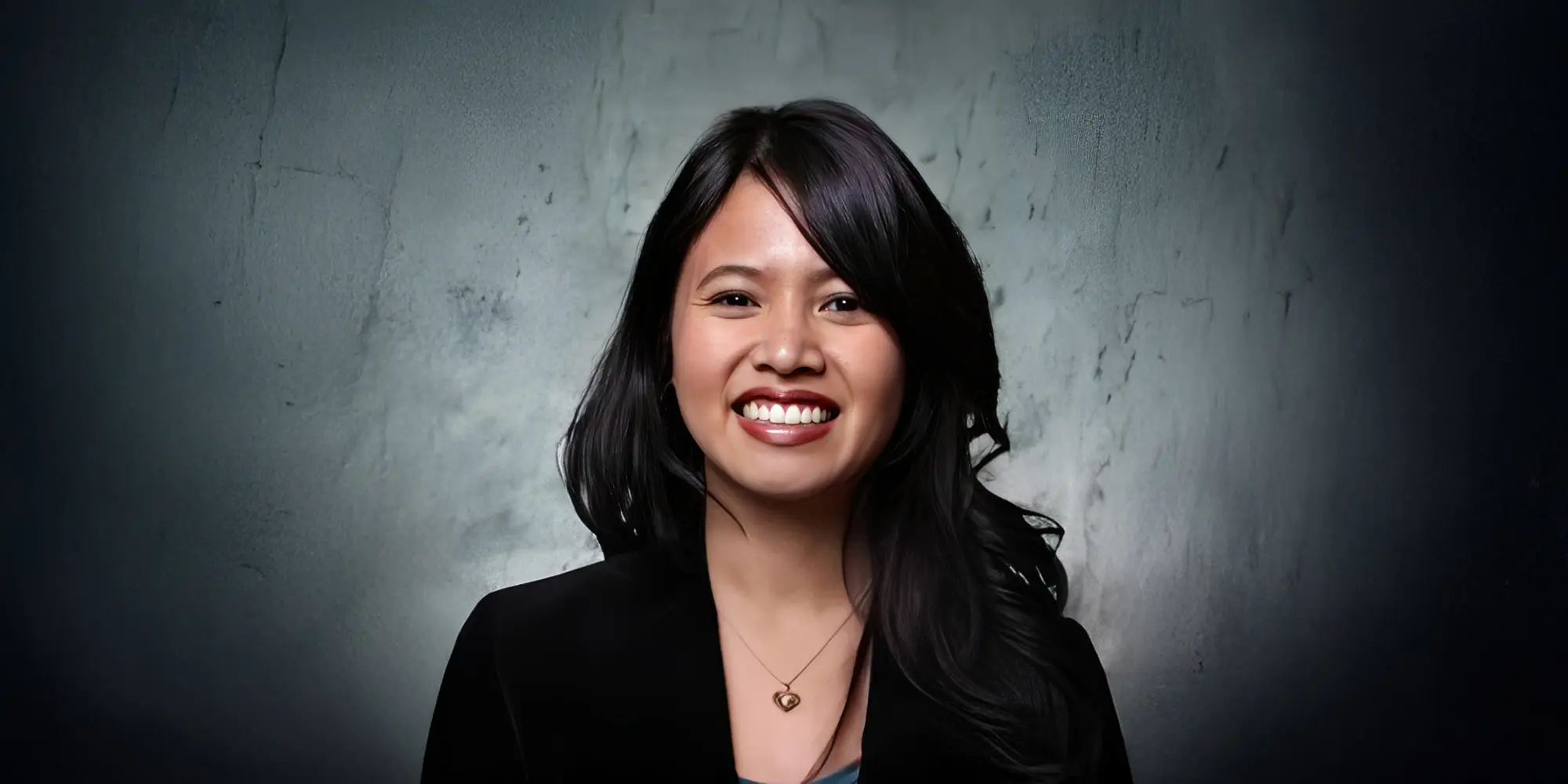
In this episode of The Curiosity Current, Stephanie and Molly sit down with Charitie Dantis-Gayo, Corporate Vice President at the Center for Consumer Insights at New York Life Insurance Company, to explore how the industry can inspire and recruit the next generation of market researchers. Charitie shares a career path shaped by curiosity rather than planning, beginning in finance before discovering consumer behavior and the human side of research. Early hands-on experience showed her that insights work could be creative, practical, and closely connected to real business decisions. The conversation moves beyond personal history to a larger industry challenge. Market research remains invisible to many students and early career professionals simply because people don't see or hear about it early enough. Charitie explains why visibility matters more than credentials and why everyday conversations, mentoring, and outreach play a meaningful role in expanding the talent pipeline. She also discusses how she hires for initiative and learning agility, often preferring candidates from outside her own industry to avoid repetition and narrow thinking. As the discussion turns to technology, Charitie offers a grounded view on AI. She describes it as a useful support tool that accelerates work while emphasizing that judgment, interpretation, and empathy remain human responsibilities. The episode closes with a clear message: fieldwork, observation, and real stories continue to shape better insight and stronger influence.
Episode Resources
- Charitie Dantis-Gayo on LinkedIn
- New York Life Insurance Company Website
- Stephanie Vance on LinkedIn
- Molly Strawn-Carreño on LinkedIn
- The Curiosity Current: A Market Research Podcast on Apple Podcasts
- The Curiosity Current: A Market Research Podcast on Spotify
- The Curiosity Current: A Market Research Podcast on YouTube
Transcript
Charitie - 00:00:01:
There's a sense that we always need to hire people with at least a certain amount of years of experience, like, you can't teach into this, but I think that we have to realize that there are skills that exist from an analytics perspective, from, like, so many other types of jobs that aren't, like, market research necessarily. That is a good foundation for being a good insights professional.
Molly - 00:00:33:
Hello, fellow insight seekers. I'm your host, Molly, and welcome to The Curiosity Current. We're so glad to have you here.
Stephanie - 00:00:41:
And I'm your host, Stephanie. We're here to dive into the fast-moving waters of market research, where curiosity isn't just encouraged, it's essential.
Molly - 00:00:51:
Each episode, we'll explore what's shaping the world of consumer behavior from fresh trends and new tech to the stories behind the data.
Stephanie - 00:00:59:
From bold innovations to the human quirks that move markets, we'll explore how curiosity fuels smarter research and sharper insights. So, whether you're deep into the data or just here for the fun of discovery, grab your life vest and join us as we ride the curiosity current.
Stephanie - 00:01:19:
Today on The Curiosity Current, we're joined by Charitie Dantis-Gayo, Corporate Vice President at the Center for Consumer Insights at New York Life Insurance.
Molly - 00:01:29:
Charitie has built a career focused on leveraging deep consumer insights to drive growth with experience across some of the world's most well-known companies, including American Express and Time Inc.
Stephanie - 00:01:39:
Over her career, Charitie has worked to not only lead insights teams but also inspire the next generation of researchers. She's been an advocate for driving diversity in the field. And today, we're gonna explore how we can bring fresh, diverse talent into market research and why it's a career path that more people should consider.
Molly - 00:01:59:
Today, we'll dive into how the industry can better promote market research as a rewarding career, particularly to those who might not naturally gravitate towards it. We'll also explore Charitie's unique journey into the field and why she believes that a variety of skills can lead to success in research.
Stephanie - 00:02:15:
Charitie, welcome to the show.
Charitie - 00:02:17:
Thanks for having me.
Stephanie - 00:02:19:
We're so glad you're here. So, we're gonna jump right in. You've had this interesting, successful career in market research, but I know you've mentioned that the path to this field is often nonlinear for a lot of people. Certainly, you know, we were talking before the podcast, certainly true for me, certainly true for Molly, and then for you as well. Can you share something about your personal journey into research and what attracted you to this field? And I'm also curious, did you know it was the right fit from the start?
Charitie - 00:02:50:
Yeah. Thanks. And this is a topic that I love talking about. So, I'm very excited to be here with you both today, chatting about this. So, my interest in the career actually came on really in my life, in my college days. Started off as a business major wanting to go into finance and accounting. I took accounting and realized I wasn't good at it, and it just didn't come naturally to me. My dad's an accountant, and I tried to talk to him about some of my struggles. And I just felt like he was speaking a different language, and it just didn't connect for me. So, I spent my first two years of college at Seton Hall. I transferred to NYU, to their school of business, and was surrounded by some very motivated students who definitely wanted to be leaders in finance and investing. I thought that that's what I wanted too. And I just saw how they were showing up in school, and I was like, I don't know if that's me. They were showing up in a suit, a briefcase, and a computer. I'm reading the journal, and I just wasn't there. So, you know, that's all fine, right? Like, we're all here. We're all in this place. We're all here to learn. As part of that, I took my requirement of consumer behavior, and I found it so interesting and exciting, this intersection of psychology and marketing, and, you know, just understanding that, like, people are motivated by different things, and I really enjoyed it. And my senior year came along. I was a finance stats major at that point, and I was like, I don't know what I'm doing. Why am I taking this SAS class? I don't belong here. I felt very disconnected from the people in my class and found that I had enough space in my schedule to do a marketing major instead of statistics. So, I kept my finance and moved to marketing, and that's probably one of the best decisions I've ever made in my life. At that point, I thought, oh, I'll just go back. I'll get an MBA. And I'm like, well, I'm here. What am I doing? Why would I defer? Why would I wait? Let me just do it. And I took some amazing classes like entertainment marketing, and you have to take market research, right?
Stephanie - 00:05:18:
Right.
Charitie - 00:05:19:
And I had a professor whom I just enjoyed, I loved the class. I had group projects, and I remember there was one class in particular where my classmate was like, he's totally checking in with you to see if he's right. Like, he's totally checking in with you to see if, like, we're all getting what he's saying. It was through him that I got my first internship in market research at Sony Music. I'm gonna date myself. I got paid in Cedis. But it was amazing. Like, I was, at the time, working with syndicated data, and it was going into some reporting that they were doing. But the vibe was it's in the music industry, right? So, I am there in my sneakers and my overalls and just, like, living my best life, getting paid in Cedis. And I was like, wow, it's amazing that this is possible. I’ve also had, like, a really great hiring manager who I actually saw at a conference recently, and, like, we remember each other. So, but then I, you know, I graduated. I was still applying to all these finance jobs, and I wasn't getting any of them. And I realized very quickly that, like, maybe that's not what I was meant to do. My first offer came from NPD in Long Island, like, you know, the supplier. And I actually didn't take the job because I didn't feel ready to commit yet, because I just became a marketing major, so I wanted to understand a little bit more about that. I've worked at, you know, a firm in New Jersey for a year or so. Just getting a sense and wanting to learn, like, who are all these elements of marketing? I'm bored. And I missed the analytics component of it, and so that took me to the Associated Press, where they had sort of, like, this new business that they were starting. It's when they started to sell and offer their content to other providers. And so it was, like, you know, a different arm of the business, and it was more back-of-the-envelope research, so not your, like, structured kind of research. But I was like, yeah, like, this is cool. This is what I wanna do. And then after a year and a half there, realized that I need more structure. I need to really learn from a place that understands this, which is when I moved to Time Inc.
Molly - 00:07:36:
Wow. First of all, when you said sorry to tell you about marketing, I got very excited because it's, you know, it's through marketing and journalism that I found out about this industry, you know, so because, there was so many exciting creative avenues, but also there was that logistical component because actually I had to, I was a business minor and I had to take accounting and I was disturbingly good at it, but I was like, I want nothing to do with this. So, having a little bit of the analysis for market research is always refreshing to me. And, you know, because all of us here on the show today did not plan for this. It can sometimes feel, in reality, unfortunately, like it's one of those hidden careers. Like, I feel like talking to friends and family, they know that this probably exists, but not that there's a huge, vibrant industry behind it. And especially when students are perhaps more interested in business or tech, you know, this can kinda get overlooked. So I wanna ask you, how do we change that perception? How do we make market research stand out as an exciting and viable end goal career choice?
Charitie - 00:08:46:
I think that there are a couple of things to that. I think I found myself so in love with this work that I wanted to talk to anybody who would listen. And so I found myself going back to, I went back to Seton Hall one time because my brother was going to school there, and I was like, hey, do you need a speaker? I'll come in. I'll talk about it. And just putting myself out there in that way. And then, you know, I fast-forward to when my son was in middle school, and they had, like, a career day, and they were seeking volunteers. So I was like, oh, I'll do it. I didn't get that many sign-ups for it, but it was an opportunity for me to educate people about what this was. And I think also talking to the people in your life about it matters, and them seeing how much I like my job and my career. I have a niece who's put me in touch with several friends of hers, just as a contact for how'd you get here? What did you do? Like, how did that happen for you? I also am part of, like, a networking group for work, and through that, made a connection with a young woman who might actually intern for me. And she's a poli-sci major. So, it's like she's not; this was not on her radar, but because she took the time to seek me out, I shared my journey with her as I have with you, and she was really taken by it. And she was like, I would kinda be down for that. And I said, “Okay. Well, I don't know. Let's see what happens.” But I think being, like, proud about it and sharing what you experience, even just with the people in your life, is a step to getting it out there.
Molly - 00:10:35:
That's huge.
Stephanie - 00:10:36:
Yeah. Absolutely. And, like, if I think about this at scale, I mean, certainly, I think we've seen some success in exposing students to the field later in academia, and I'll give you, I mean, an example that will be familiar to you. But like at aytm, we have partnerships with a couple of market research master's programs, more than a couple, I think. But we also recruit from them heavily in our sort of entry-level roles coming in, you know. So, it's been really nice and so different from like my generation of research, where the people coming in are like graduate-level market researchers. But it does seem like earlier exposure is advantageous. And so, you've talked a little bit about some of the ways that you, as an individual, have kind of tried to do that, right? Like a career day, things like that. How do you think, like, are there options at scale, ways that we can introduce market research as a career path earlier, maybe even before college?
Charitie - 00:11:38:
Yeah. I think that there are some possibilities through conferences and professional organizations like the Insights Association or even, like, Tia Marie or AAPOR, any of those, right, that just really stand for the industry and making sure that we're sort of thinking about how collectively we can do our part to make this something that is discoverable
Charitie - 00:12:08:
For younger folks who like, I think that we benefit from the fact that, you know, people come from journalism, people come from political science, you know, economics, all different kinds of backgrounds. And I think that ends up making the work, the insights, and how you put that into action a lot more meaningful because of that difference in background. And so I think that, like, we have to just show up in the places where they're at, even, like, I don't know, like, little banners on job boards and job sites just to spark interest, right? Like, how we would, you know, kind of go about a new brand campaign or something like that. We might need to, like, think about how do we do that for the industry at large.
Molly - 00:12:56:
Yeah. I was gonna ask because, you know, we're talking about wanting this to be the end goal for people. And there are market research master's programs and professional programs, and, you know, I met a handful of career professionals in my time that have said, I went to college and I wanted to work in market research. I always knew that I wanted to work in market research, which is fabulous. We need more of that. But I'm also curious, you know, I wanna expand a little bit on how do you feel that that diversity of backgrounds, even though it maybe is a recruiting issue, but it's something that actually gives our industry a lot of diversity and strength, and you know, can you perhaps maybe share a story where someone who had a completely different perspective was actually able to make a difference in a research project or a research outcome?
Charitie - 00:13:45:
I think that something that you said really struck me that I wanted to respond to, and it is totally escaping me now. But there was something in what you shared before you got to the question that I really just wanted to take a minute to talk about. And it had to do with, like, kind of industry, and this career gives us is an ability to transition to skills to other roles. Now I think that a lot of people come into it and think, like, I'm in this for life, but I cannot tell you how many times along the way I wasn't sure if this is what I wanted to do. And because I worked in places that were supportive of that kind of self-exploration, I found myself always back in this space of, like, no, there really isn't anything else that I wanna do for various reasons. I really enjoy field work. I really enjoy being out there hearing from people, meeting people with different experiences and different stories, which, I gotta tell you, like, I can take that back to my day job, and that is more effective than two data points.
Stephanie - 00:15:01:
100%.
Charitie - 00:15:02:
Me being able to recount a story that somebody shared with me in a meeting is way more valuable than being like, well, you know, 82% of people said this, and so, you know, we should do it.
Molly - 00:15:13:
Yeah. Yeah.
Charitie - 00:15:14:
Yes. Yes. And I'm sorry. I took us off track, but I wanted to just share that one piece of it, that along the way, you might find yourself not wanting to do this, and you have to, for yourself, make sure that you're not meant for something else. And what I have found is that there are so many applications of the skills that come with this role that, personally, I have found ways to apply it not to my day job, which gives me fulfillment and makes me just, like, a full person.
Stephanie - 00:15:47:
Yeah.
Molly - 00:15:48:
It's almost like how when you think in a language, or you start speaking a different language, and you keep thinking in that language, it's almost like that. Like, I take some of the learnings that I'm in every single day and start looking at that at the world in that way. Like, it's almost like you start speaking the language of market research in every facet of your life.
Stephanie - 00:16:10:
Yeah. Yeah.
Charitie - 00:16:11:
And it's nice that it aligns with who I am as an individual, too. Because I think that there are a lot of people, particularly in generations likely before us, who, like, had different personas.
Charitie - 00:16:23:
Or they just kept their work life so separate, or, you know, they couldn't necessarily bring their full selves to the workplace. And I think it's, like, wonderful to be in a place where I feel like I can do that.
Stephanie - 00:16:36:
Absolutely. I think too, though, that goes back to just the role you didn't say this specifically, but, like, how valuable it is to be able to partner with people from different backgrounds.
Stephanie - 00:16:48:
You know, as a psychologist, I think, like, an area of strength that I have is the user empathy, right, or consumer empathy, right? So to give a very, like, executional example, I can look at a questionnaire or a survey and say, people can't answer that. You have to do this a different way. This isn't a survey. This has to be an interview. Things like that, right? I'm very connected to how consumers think and the things that they tell us, and turning that into insights that I hope are very useful. Taking that into the business strategy because I don't have a business strategy background. I love having a partner from, like, a marketing, strong business marketing kind of background who we can really partner together and, like, make something really special. And that wouldn't work if we both came up through, like, straight, you know, through the same background or through a straight, like, graduate market research program. It's because we have these individual strengths that play off each other.
Charitie - 00:17:43:
Yeah.
Stephanie - 00:17:44:
It's good stuff. So Charitie, switching gears a little bit, when you think about the ideal skillset, so focused less on background, more on skills, whether they're, you know, cultivated in school or cultivated in the career, the ideal skill set for a future market researcher, what is one skill that you've seen that maybe is overlooked sometimes, but could really set someone apart in our field? Is there like a background outside of business, like psychology, sociology, that you think really gives researchers an edge?
Charitie - 00:18:15:
I personally like to look for people; there are two things, right? So, one is in terms of background, I think that I don't like hiring people who have, in my industry experience, meaning, if I'm hiring for an open position on my team, I would prefer not to hire someone with an insurance background.
Stephanie - 00:18:34:
Interesting.
Charitie - 00:18:35:
Because you tend to work with the same vendors. You tend to approach things in the same way, and you're just not naturally, like, coming forth with a different frame when you're approaching a problem. And so, I, that's something that I prefer. The other thing is, and I don't know if it's a skill, but it is a behavior. It is will. And you can tell when someone has will in the interview process. And I have seen it where it's like, I don't need to ask you to do something.
Charitie - 00:19:12:
I don't need to ask you to, you know, necessarily, like, every single tactical element here. You're going to take some initiative, and you're gonna try. And it might not be right, and that's okay, and let's talk about it. But will is something that I think people don't look for. And if you don't look for it, you get stuck with a candidate and with a hire that isn't going to come with that interest in learning about your business, interest in working on different projects, right, doing something a little bit outside of your job description, right? Because I mean, sure. And that's just, like, natural. You're gonna have people who are very, like, well, this is my thing. This is what I do. I need people who think more expansively than that. I want to work with people who are, like, “Yeah. That technically isn't my thing, but I'm interested in it. So I'll do that. And I don't know exactly how I'm doing it, but I'll figure it out, or I'll ask you for help. So I wanna do that.” And I think that's something that is so underrated today.
Stephanie - 00:20:19:
Oh, I could not agree more. I think of it, I will in my head, usually, I think of the word agency, if that's what I'm looking for. I'm curious, how do you assess that in an interview?
Charitie - 00:20:30:
I don't wanna say you can tell. Right? But I think that it is in the way that people respond to your questions. Oftentimes, what I've heard is, I've done that, I can do that, I've, or, like, oh, I can come in and just pick up, or I can come in. And there with that is, like, I know what I'm doing. I know how to do it. I don't need you to, like, you know, kind of, I don't have to figure it out. But then I talk to someone who's like, I haven't done that, but I've done this. And I think that I can do that because I have experience with these kinds of things. And so you're sort of showing me that you're making connections that I'm hoping you're making so that you can do this job really well, and I wanna be able to make those connections too. I wanna be able for you to tell me what you've done that isn't exactly this, that might make this better.
Stephanie - 00:21:24:
Yeah.
Charitie - 00:21:25:
Or more interesting.
Molly - 00:21:27:
Yeah. And that I mean, that's a soft skill that you can't teach, right? Like, that's something that I feel is actually a way of approaching this industry that is what inspires people from different backgrounds.
Molly - 00:21:42:
Because we talked about, you know, a bunch that there's not a typical path, and that seems to be part of the appeal. But this industry does attract curious people, curious people who want to know about how the world works, and that interest can be from a variety of places. I was interested in market research because, as a journalist, we always just have this innate feeling to wanna know how everything works and what everything is happening, and the data and the rationale and the reason behind it. Like, there's a lot of logistics to journalism that I think that maybe people don't know. And so that was it for me, was that market research satiate my curiosity of how does the world work and why? So, I'm curious, from you, you know, what is it about the industry that attracts all these different kinds of people and retains them also? There are people who worked in research for decades that are like, I never planned for this to happen.
Charitie - 00:22:37:
Well, so it is interesting because I think that, and for most of those people, it wasn't necessarily the appeal of the industry, but rather it was somebody recognizing that they had the skills to do well or the experience to do well in this industry. Like, you've done this, and so I think you can do that, like I had, when I moved from Time Inc. to American Express. I was actually a little bit on the fence about making the move because I was loving what I did. I was doing research for InStyle magazine, informing the content in the editorial, and speaking to, like, 30-year old women about fun topics, and -
Molly - 00:23:17:
Oh my gosh, that's so cool.
Stephanie - 00:23:18:
Dream job.
Molly - 00:23:19:
Right. Dream job.
Charitie - 00:23:20:
It is very cool. And by the way, I think what this industry also has is a way to, like, live something you're passionate about. Do something that, like, works like, go down the rabbit hole of something that you actually are interested in or care about or whatever. And I think that once you get a taste of that, it's kinda hard to be like, yeah, I don't want that.
Stephanie - 00:23:42:
Yeah.
Charitie - 00:23:43:
But what she said to me was sort of indicative to what you asked. And she said, so I was trying for, like, a while to get a job at AmEx, and this woman who hired me, who, by the way, I still keep in touch with, which is really wonderful, she saw, she was like, well, if you just change subscribers to card members and newsstand buyers to prospects, then, like, that's the same, right? So, to the point that I made before about wanting people who come from different industries and being open to that is, like, what makes this industry so, like, makes people stay in it because you can move from one place to another, but it's like as long as someone can see that. And I think there aren't as many of those kinds of people out there. And I think that that's a big miss because we could be missing out on great talent because we're not seeing the possibility. We're seeing just like what you did, and like, it's not exactly what this is instead of, oh, you did that, so that means you could do this.
Stephanie - 00:24:51:
A 100%. And especially, I think, in more junior roles, that is so true. I used to tell people all the time, like, the biggest hurdle for moving from psychology to market research was lingo, and it was. It was for the first five years of my career, right? It was just picking up different lingo for the same thing when I was in ‘executional’ research roles. Now I think that starts to change as you start to move up and become a more strategic person. And then understanding business becomes really foundational to you.
Charitie - 00:25:25:
Yeah. Yeah.
Molly - 00:25:26:
I wanted to add that for me personally, the reason why this industry is just wildly so much fun is specifically working at a supplier with a huge range of industries that we serve. And in a marketing role, you know, we have to think about, okay, so we're gonna present at conferences this year, and who do we wanna present with? And I get to work with a crazy variety of clients. Last year, one of the highlights for me was we spoke alongside Revlon to run, and we did research on the Sephora kids trend. So, these young teens and tweens getting really into advanced makeup and skincare products, and what did this new age look like for the makeup industry and for the beauty industry? So, there was that. Then there was also, you know, the vegetarian and veganism trends that we did with Vita Coco. And then there was talking about AI and finance with Visa. And it's like, this keeps my ADHD happy. Like, I get to, you know, wake up in the morning and not have any idea what type of industry I need to become a master in by 2 PM. So, it's just so much fun in that way to just keep learning so many new things.
Charitie - 00:26:41:
Yeah. And I think that that's a great example of why on the corporate side, it is beneficial to bring in others who are on the brand side of the house to, you know, who don't have experience in your field because it just makes it, and that's, like, you know, what our suppliers are doing. So, why wouldn't we offer the same opportunity? Fun fact, I am actually wearing a Revlon lipstick today that I bought because it was, like, kind of nostalgic for me. It's the shade that I grew up wearing or whatever, and I was like, oh, I forgot how to let me wear it for this today. Oh. Okay. Wine with everything. Wine with everything.
Stephanie - 00:27:21:
Wine with everything is the color. Yeah. Yeah. Yeah.
Molly - 00:27:25:
Yeah. Oh, I thought we were just talking about how we live life.
Charitie - 00:27:27:
Oh. Oh, right. Right. Right. Yeah. No. Totally. That too.
Stephanie - 00:27:30:
Wine with everything.
Molly - 00:27:32:
Yeah. Okay. So, we're going to switch gears to the topic that everybody is curious about, and I'm intensely curious about your take, especially within the context of talent. AI, it's a buzzword in the industry right now, and there's a lot of new up and coming professionals who are drawn to tech-focused careers as they're being exposed to this massive change in a landscape that really is happening overnight, you know, because part of my job that I just had two years ago was writing articles for search engine optimization, and that don't exist anymore.
Stephanie - 00:28:05:
Yeah.
Molly - 00:28:06:
So, that was not that long ago. So, perhaps, how can AI make market research more accessible for new talent who may be intimidated by traditional research? And how can we get them involved and excited, both about the new avenues that these technologies, these advanced technologies, open for market research, but also the human element that's still very much needed and involved?
Charitie - 00:28:31:
I think that there are a couple of things to that. I think the first is that AI is made by people. And AI, like social media before it, I think we've seen what happens when we're not paying attention to making sure that there are diverse perspectives and experiences amongst those who are creating this platform or these tools for us. And I think with that comes accountability from all of us that are involved to make sure that it is being used in a responsible manner, and that we are using it for what's best for us. Right? Like, we are using it to serve us, but not becoming dependent on it because it doesn't know everything. And, sure, it's great. It is wonderful to help with, you know, a starting point. People aren't looking at a blank page anymore, and all of that kind of stuff. So, I think that it is making a lot of the work that entry-level individuals used to do less of a thing that they have to just sort of, like, do. But, like, I think a common use case is like going through verbatim comments, right, finding trends or whatever. But you know what? You still gotta read them because language isn't consistent. Language can be quite variable, and things may be mischaracterized. And so you can use that as a starting point, but, like, I think we need to be mindful of not relying on it as a whole. Right? Like, we have to make sure that we're still training our new people about how we can leverage it in a way that still benefits the work. I think that to your point about some of the traditional research methods, like, honestly, some of the most fascinating quizzes are powered by traditional research methods. Two that come to mind, love language quiz and the political typography quiz.
Charitie - 00:30:32:
Right? Like, so fascinating. And as, like, a person who works in insights, like I did those things, and I'm like, oh, I see what's happening here. I understand what's going on. And then you get to see the output of that. And so I think what we have to do in terms of attracting talent is use those kinds of, like, normal person situations of where you might, like, come into it in your own life for whatever reason and, like, explaining that that actually is powered by, like, years traditional research and tweaking in order to come up with, by the way, ways to in terms of the love language quiz, how to connect with people.
Charitie - 00:31:18:
In a much better fashion. Right? Like, that's coming from a series of questions, and then it also gets into, like, really fun things of, like, there are some questions you can ask very directly, and people will give you an honest answer. But oftentimes, that's not true, and it's a really great way to make that whole notion real and then make it interesting for someone to learn more about, like, oh, there's a way I could do that and get a real answer or get a different answer maybe than what somebody actually told me.
Stephanie - 00:31:48:
Yeah.
Molly - 00:31:49:
I think that's a refreshing perspective on that AI. You said at the beginning that AI was made by people, and that it has. I feel like we forget that sometimes, this is not this deity; it's just made by people. And in that sense, the word that came to mind when you were talking through this was having discipline around the technology and saying, what about it can serve us, but what should I take also with a grain of salt? Because that's knowing that it has our biases, it has our imperfections, for better or for worse.
Charitie - 00:32:23:
I can't read dates. Not good with dates either, for whatever, like, yeah, it's weird.
Molly - 00:32:28:
Or I always see this thing. It was like, she's a 10, but Excel thinks she's October.
Charitie - 00:32:34:
Same thing. Right?
Molly - 00:32:35:
Yeah. Yeah.
Stephanie - 00:32:36:
Yeah. I mean, it's interesting because there's no doubt that, like, technology, including AI, is going to help to scale the executional process of research. But like you've said, the the human touch is still crucial. How do you see future researchers balancing the power that AI tools can bring with the necessity of human empathy and judgment? And as the industry evolves, how do we make sure the importance of human insight doesn't get lost, such that we're all, like, you know, generating the same recursive insights from the same models, essentially?
Charitie - 00:33:15:
I think that, so, just thinking about, like, early career professionals, we forget that they lost years because of COVID. Right? I mean, they lost years of connecting with people, formidable times, right? And that is who is now coming into the workforce, and so we have to be very mindful with our children and with our new hires of that generation to make sure we are teaching some of the interpersonal skills and some of the corporate behaviors, you know, if you're in that environment, that they might just have lacked because of the time away from people. And in that time, AI was born, making it very easy to not phone a friend when you need something or ask someone. So, it's sort of like, that's great. Let's acknowledge it. Let's use it for that. But let's also recognize where sometimes that's not as good as actually talking to someone who knows something or has experienced the thing that you were talking about because they have a relationship with you that a machine does not, and they can understand you in a way that this thing might not like, I know that, like, you hear stories of, like, people training a persona so that, you know, it tells them things that they need to hear or whatever. But at the end of the day, and this is something that I won't forget, like, it wants to please you. So, it's not going to give you the hard truth sometimes. And the only thing that's gonna do that is a human who actually cares about you. And, you know, and I think it just like we as much as we talk about AI, I find myself bringing it back to the human element because it is such an important component to it that I just wanna make sure it doesn't get lost.
Stephanie - 00:35:21:
I think that's so important. And I think in particular, I don't think we've ever had anyone on the podcast, maybe because we've not discussed this particular topic of, like, a new entrance to the field in such a level of depth. But what you talked about with COVID, I have a son in that general age range. He was a senior at, you know, the big COVID year, and so you definitely know what you're talking about. It occurs to me related to that one of the most important skills, I think, especially future looking for consumer insights, people to be able to develop is influence. And like you're gonna learn influence from interacting with the chatbot. You're not. You're gonna learn that from human interaction. That's so critical.
Charitie - 00:36:04:
And on that point, there was another, like, something that I had written down that I wanted to share related to the topic of, you know, doing field work and qualitative, and being able to tell that story. And for insights professionals, it is and related to AI, it isn't just like, well, it gave me this great stat, but can you tell me the story of what happened to you or what happened to your, you know, this client or this prospect or this consumer that can help a senior leader who wasn't present understand and feel what that is.
Stephanie - 00:36:44:
Yeah.
Charitie - 00:36:45:
Yeah. Yeah. And then that is how you can influence people.
Stephanie - 00:36:50:
For sure.
Charitie - 00:36:51:
Right? Is by way of you don't have to like, you know, it's this whole thing of, like, just telling someone they're right or wrong and trying to prove your point or whatever. But if you can take that out of the mix and just share a story of someone and have them get there on their own, you won't have to have that conversation, right? You don't have to prove that you're right. You just tell them the story of someone who is experiencing the thing that you want someone to understand.
Stephanie - 00:37:19:
Yeah.
Molly - 00:37:20:
Yeah. And I feel like maybe you said something too about how it just wants to please you. And sometimes when I get on a call, and somebody's like, Molly, I hate that, I'm like, oh my God. Thank God. This is so refreshing to hear that you actually hate something that I did because I swear, if Claude tells me one more time that I bring game-changing insight, I'm, like, gonna lose my mind. So, I feel you on that.
Charitie - 00:37:49:
It's very nice. Some like, sure, everybody needs that level of encouragement, but, like, is that really serving you at the end?
Molly - 00:37:57:
No. Because if you stop getting that constructive criticism and you stop being uncomfortable in even the things that you're the best at, how are you going to continue to evolve? How are you gonna continue to improve in your career and in your life?
Charitie - 00:38:12:
And I think that's a really good point related to how we start as this part of the conversation around, like, younger folks coming into the workplace might not be used to that kind of, you know, uncomfortable conversation that, you know, you have to kind of help them navigate of, like, I'm going to tell you where things are good, but I'm also going to share with you where things weren't great, and let's figure out how to make it better. And it is not, like, necessarily personal. It's, how do we make what we do -
Stephanie - 00:38:46:
Yeah.
Charitie - 00:38:47:
Better in the end. And that's, like, resilience, and that's, like, all of these things that you learn about with kids where, like, you need to let them fail. You need to let them not succeed at something or not get something that they really wanted so they know what that feels like and can navigate that, and so they know how to deal with it.
Stephanie - 00:39:06:
Yeah. The development of grit. Right?
Charitie - 00:39:08:
Yes. Yes. A 100%.
Molly - 00:39:10:
Grit and having a thick skin and knowing that someone can hate something that you worked on or you did, and it doesn't reflect on your identity. That shift was a huge thing for me personally, that, you know, somebody said, “Molly, this is ugly.” And instead of crying at my desk, I had to say, “How can I make this better?” Because he didn't say I was ugly. He said that this particular piece of product was ugly. Yeah. Well, Charitie, this has been an amazing conversation so far. I wanna move us into a segment that we do with every one of our guests. We ask them the same question, and I'm always curious about the answers called Current 101. So, here we go. As someone who's been in the industry for many years, what is one mindset or habit in the market research industry that we need to stop, and what is something that you think that we should start doing?
Charitie - 00:40:02:
So, one thing that we should stop is I think I'm speaking from the corporate brand side, and I think that there's a sense that we always need to hire people with at least, like, a certain amount of years of experience. Like, you can't teach into this, you know? But I think that we have to realize that there are skills that exist from an analytics perspective, from, like, so many other types of jobs that aren't, like, market research necessarily, that is a good foundation for being a good insights professional.
Stephanie - 00:40:42:
For sure.
Charitie - 00:40:43:
And, like, you know, it kind of goes back to what I was saying before about, like, seeking members of your team who don't come from the same background as you or the same industry in order to have that perspective. It very much aligns to that let us not forget that we all come from different places, and let's also recognize that, like, there is actually magic in bringing together analytics and insights. That is going to be more of a thing that's going to be present in insights organizations. And so I think that oftentimes, I see a reluctance from analytics professionals to sort of, like, even understand what survey-based data looks like and what that can tell them. And it really does irk me when people are like, oh, that's qualitative. And I'm like, no. That was a survey of a thousand people. Like, stop. Right? It's representative. And so it's sort of like kind of helping to break down that, like, it's so separate and distinct, and start to see them as compliments to each other, and they are so much better when they're together. I had the opportunity to interview Gene Lee from Caesars Entertainment as part of TMRE, and he leads, like, an insights and analytics function. And that is something that he spoke about, that, you know, bringing those two things together, it just creates, like, ways to understand and connect with people that you wouldn't have if they existed separately.
Stephanie - 00:42:18:
Yeah
Charitie - 00:42:19:
And what we should start, I think, well, it's a start-stop, actually. I don't know if that's possible, but it's like everybody's so enamored with AI that, like, we've forgotten about the importance of being with people in a room and hearing that. And I think we need to bring that back.
Stephanie - 00:42:40:
Like the focus group? Is that, or the ethnography?
Charitie - 00:42:44:
The focus group, the interview, the ethnography, like your shop along, you know, all -
Stephanie - 00:42:51:
Oh yeah.
Charitie - 00:42:52:
of those like -
Stephanie - 00:42:53:
The mall intercept, right? Yeah.
Charitie - 00:42:55:
Well, maybe not the mall intercept, but definitely a shop along because, like, okay, what didn't happen before is people weren't walking into, let's say, Sephora with their phone, right, and saying, like, well, I could go to Ulta or I could just go to Amazon and just buy it. I don't know. Like or, oh, the person who's in front of me is selling me on this thing. I don't really know if this is for me. Let me look up the reviews, right? Like, instead of like, just sort of understanding how people navigate all of those things today, you're not gonna get, if you're not out there with them.
Stephanie - 00:43:33:
It's so true. Like, it's doing five of those is probably worth, like, a thousand, like, path to purchase, you know, a study of a thousand top people on the path to purchase.
Charitie - 00:43:45:
And I think it is those kinds of things related to the previous thing about, like, analytics and insights functions. Like, if an analytics person got to see that, I think that they’d wanna be alone. And they would be like, oh, okay, so maybe I need to understand that a little bit better.
Stephanie - 00:44:02:
Makes sense.
Molly - 00:44:03:
And there's also probably things that people are doing that they don't even know that they're doing, that you can only get from observation that they're not self-reporting, and that synthetic data doesn't know about either because it's based on already existing data.
Charitie - 00:44:18:
I mean, okay. Let's talk about streaming, right? Like, who's a 100% paying attention to what's on the TV? Right? Even if you're, like, totally into it and your pattern shows that, like, you're very into this topic, I guarantee you that person is at some point on their phone.
Stephanie - 00:44:38:
Right. Right. Right.
Charitie - 00:44:39:
Right? Like, what are they doing? Is it related to this or not? How do I get your attention back? What's missing here? Or am I ever gonna get it fully back? I don't know.
Molly - 00:44:49:
I mean, I sometimes use Netflix as background noise.
Stephanie - 00:44:52:
Totally. Totally.
Molly - 00:44:54:
Like, they're gonna think that I'm just consuming all these nature documentaries when I'm maybe consuming 10% of it.
Charitie - 00:45:02:
Yeah. And I think, like, if you're not, if you don't know, like, I don't know what they're doing. But, like, if you're out there and you don't know that that is the way in which people are experiencing what you're offering, then he's not even missing out on something.
Stephanie - 00:45:16:
For sure.
Molly - 00:45:17:
Right. Especially when they're like, man, this girl loves Blue Planet at 3 AM. It's like, I used it to go to sleep.
Charitie - 00:45:27:
Interesting.
Stephanie - 00:45:29:
That's funny. Well, Charitie, as Molly said, this has been a really, it's been a really refreshing conversation, a really interesting conversation with you today. To close this out, for anyone listening who might be considering a career in market research, maybe a few years into the field, what is the single best piece of advice that you would offer them as they look to make a meaningful impact in the industry or for the organization they work at?
Charitie - 00:45:55:
I think talk to people. Right? Like, it's not so different, sort of, like, from what I have shared along this conversation is talk to people who are in it. Talk to peers. Talk to leaders. Talk to people in your network or people who are, you know, sort of like a second connection or something like that, to understand their experience. Take the time to figure out if this is for you. Do the exploration. Right? Like, nobody's stuck in a single career anymore. But, again, you might experience what I did, which is every time I ended up exploring something else, I was like, no. I like this.
Molly - 00:46:33:
Yeah.
Charitie - 00:46:34:
And, you know, I think that there are ways to get closer to who you are as a person, and bringing that to the work that you do, and you can have that in this career
Stephanie - 00:46:45:
You can.
Charitie - 00:46:46:
Which I think is amazing, which I don't think is present in a lot of other places, so.
Stephanie - 00:46:52:
That's such an interesting take, and it really resonates with me. Like, I believe that too, so.
Molly - 00:46:58:
And, I mean, another thing to just say is, you know, talk to us even. I mean, I always put myself out there as, like, a network at networking events, when I talk to college students, when I do all these different types of engagements, I'm always like, please utilize me as a resource. And I feel like the vast majority of people that you reach out to will want to talk to you, will want to engage with you, will want to help you.
Charitie - 00:47:20:
Yeah. I think that's so true. And I think that, like, it's great to hear that you were doing that, and I think it's important for all of us to do that, particularly as women, to show the next generation that you can live your life in a really fulfilling way and, you know, in a career and have a life and do as much as you want and experience the world and learn about other people, that's just gonna make you a better person. And I think we're all like, we have to share that with, you know, the next generation that's coming up here, and that this career is a way to live like that.
Molly - 00:48:00:
I couldn't have wrapped it up better myself. That was a fantastic way to close this out. So, wanted to thank you again, Charitie. Echo Stephanie. This was an incredibly refreshing conversation about just connecting with people, which, you know, we've had so many conversations about tech, and the uses of tech, and everything, to just chat with you about being a human was quite helpful. So, thank you so much. Yeah.
Charitie - 00:48:26:
Yeah. And I loved hearing that refreshing is a word that you're using to describe this conversation, especially since we're here on January 2. I think it's a, you know, just a time for all of us to, like, come forth with, like, maybe let me think about this a little bit differently.
Molly - 00:48:44:
Yeah. 2026, the year of returning to being a human being.
Charitie - 00:48:49:
There you go. Yes.
Stephanie - 00:48:51:
Yes. Love it.
Molly - 00:48:52:
Well, thank you again, Charitie. Take care.
Charitie - 00:48:54:
Alright. Thanks, guys.
Stephanie - 00:48:55:
Thank you.
Outro - 00:48:55:
The Curiosity Current is brought to you by aytm. To find out how aytm helps brands connect with consumers and bring insights to life, visit aytm.com. And to make sure you never miss an episode, subscribe to The Curiosity Current on Apple, Spotify, YouTube, or wherever you get your podcasts. Thanks for joining us, and we'll see you next time.






.jpeg)


