

Description
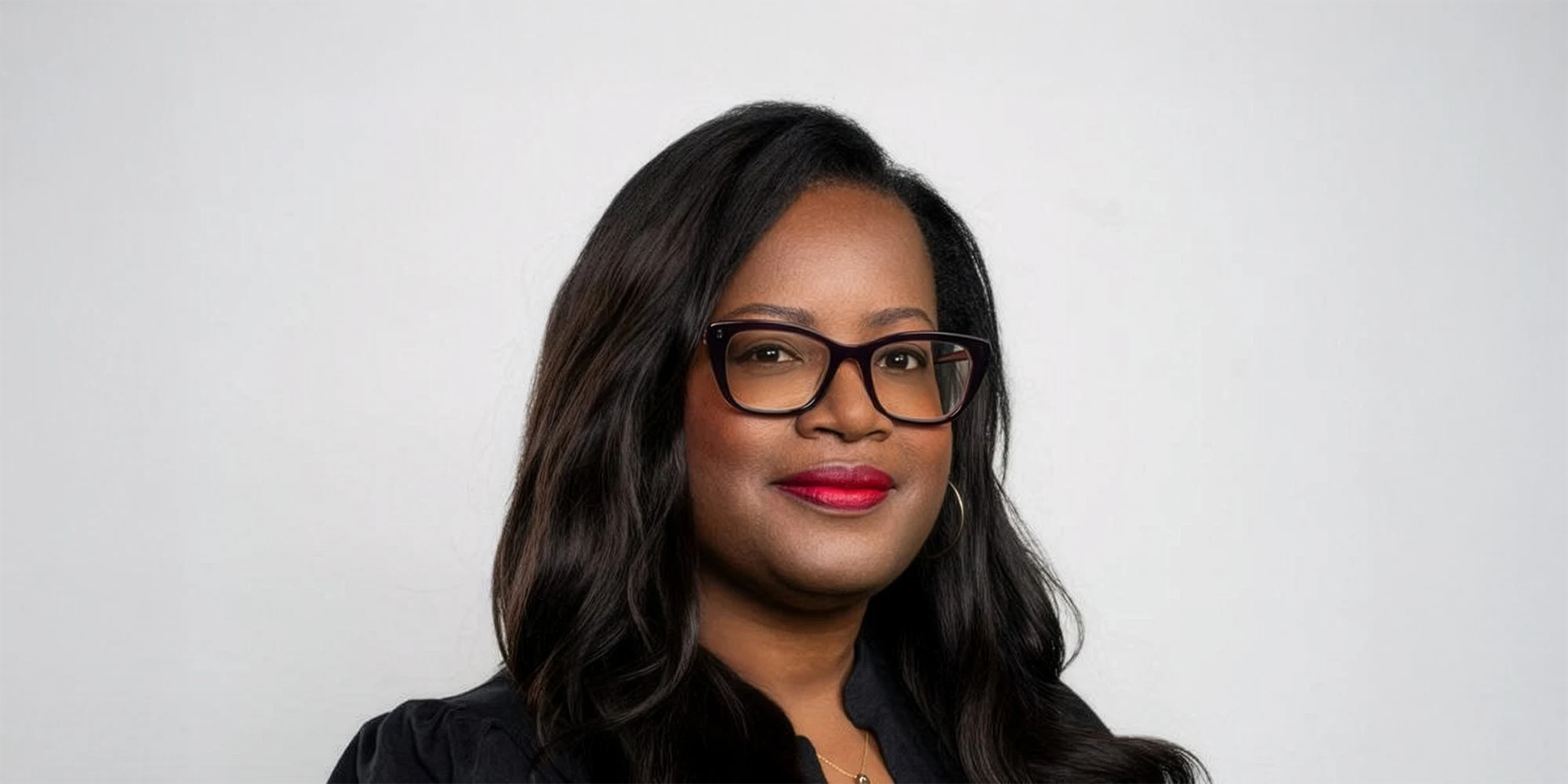
In this episode of The Curiosity Current, Molly and guest co-host Elana Marmorstein sit down with Dr. Brittne Kakulla, Senior Consumer Insights Manager at AARP, to challenge one of tech’s most persistent assumptions that older adults are left behind by technology. Drawing on more than twenty-one years of research at AARP, Brittne reframes the conversation with a stat that stops most brands in their tracks. Ninety-nine percent of adults 50 and older own at least one tech device, and ninety percent own a smartphone. Adoption is not the problem. The shift now sits in how older adults decide what technology earns a place in their lives. Brittne explains why older adults should be understood as selective, not reluctant. Their choices are shaped by lived experience and grounded questions around usefulness, privacy, trust, and fit. Technology succeeds when it supports independence, respects control over personal data, and solves real problems. The conversation moves through AgeTech, gaming, smart home devices, and wearables, with insights from CES highlighting why no single device works for everyone. Life stage, caregiving needs, household context, and cost all shape adoption. Molly and Elana also explore the rise of AI curiosity among older adults. Using a Jobs To Be Done lens, Brittne shares why simplifying complex information, especially health information, stands out as one of AI’s most meaningful use cases. The episode closes with a clear takeaway that designing technology with older adults from the start leads to better products for everyone.
Episode Resources
- Brittne Kakulla on LinkedIn
- AARP Website
- Elana Marmorstein on LinkedIn
- Molly Strawn-Carreño on LinkedIn
- The Curiosity Current: A Market Research Podcast on Apple Podcasts
- The Curiosity Current: A Market Research Podcast on Spotify
- The Curiosity Current: A Market Research Podcast on YouTube
Transcript
Brittne - 00:00:01:
One of the things that we found with older adults is that they like to read the privacy statements. So, you know, we often will just like, yeah, I'm gonna click it and keep going. No. The older adults, they wanna see, like, what is it that you're saying about what you're doing with this data? Who is a third party? They will take a moment to pause and look at that. So, brands need to understand that privacy is important to them, and you have to signal on it.
Molly - 00:00:28:
Hello, fellow insight seekers. I'm your host, Molly, and welcome to the Curiosity Current. We're so glad to have you here.
Stephanie - 00:00:36:
And I'm your host, Stephanie. We're here to dive into the fast-moving waters of market research where curiosity isn't just encouraged, it's essential.
Molly - 00:00:45:
Each episode, we'll explore what's shaping the world of consumer behavior from fresh trends and new tech to the stories behind the data.
Stephanie - 00:00:53:
From bold innovations to the human quirks that move markets, we'll explore how curiosity fuels smarter research and sharper insights.
Molly - 00:01:02:
So, whether you're deep into the data or just here for the fun of discovery, grab your life vest and join us as we ride the curiosity current.
Molly - 00:01:13:
Today on The Curiosity Current, we are joined by Dr Brittne Kakulla, Senior Consumer Insights Manager at AARP. And we've also got a special guest host with us, Elana Marmorstein, aytm's market revenue operations specialist and host of our ways of thinking interview series.
Elana - 00:01:30:
Thanks, Molly. Brittne plays Wordle every morning to warm up her brain, role match every evening to wind down, and VR games on the weekends for exercise. She's not just a casual gamer; she's also a veteran researcher who discovered that 99% of adults 50 older own at least one tech device. Over her twenty-one-year career at AARP, she's coauthored over 500 reports.
Molly - 00:01:56:
Brittne got her start in academia, completing her PhD in social psychology from Howard University. She's been doing fascinating work at the forefront of understanding how older Americans are using technology, from smart home devices to health tech wearables and why we need to rethink our approach to the 50+ audience in tech.
Elana - 00:02:16:
She's also a leader in advanced technologies, achieving three AI certifications in 2024 alone. Today, we'll dive into the challenges and opportunities in HTech, how curiosity is shaping more inclusive products for older consumers, and more.
Molly - 00:02:35:
Brittne, welcome to the show.
Brittne - 00:02:36:
Wow. Well, thank you so much for that introduction. That was, like, you guys are making me feel very confident here. Thanks.
Molly - 00:02:43:
Oh, don't let the imposter syndrome get you, girl. You have an incredible resume.
Elana - 00:02:49:
Yeah. Absolutely. You just, there's a lot that you have covered and accomplished. And, Brittne, like you, I have a background in psychology, and my undergraduate training was in psychology, so I've always been fascinated by how narratives and stereotypes shape our expectations. There's this very enduring story that older adults are sort of left behind by technology, and your work paints a very different picture. So, to start off, how do you see your research challenging that narrative, and what do you think we miss when we buy into that stereotype about older folks being challenged by or reluctant to adopt new technology?
Brittne - 00:03:36:
Yeah. I think I think there's, like, two ways I would answer that. Like, you know, my informal answer is, like, you know, variety is the spice of life. And without older adults, we're, like, missing some spice, and it's, you know, we're missing that wisdom. We're missing market opportunities. So, that would be my formal answer, you know, when we buy into those stereotypes or brands ignore over consumers, they're missing a market opportunity. Like, when the markets are focused on just one demographic or one type of consumer, then we're missing those products and services that could help a lot of people. There's something in accessibility. You always hear about curb cuts. And, you know, those were initially designed for wheelchair access. And now those are used for everyone. Like, it's great for people who ride a bike or, you know, moms with the stroller or, like, an Amazon, you know, delivery guy. So, you know, it's the same thing. It's like when you're just focusing on one demographic, you're, like, losing that use case that could be good for everyone. So, you know, I believe that our work really challenges, like, that narrative, particularly the 2026 Tech Trends findings. I feel like, you know, based on what we found this year, which is the ten-year anniversary of asking older adults about technology, that stereotype that they, like, don't use it, they're afraid of it, I feel like we could just, like, close the chapter on that one, like, that's over. We see very clearly that they adopt technology. They're integrating it in practical and useful ways as part of their daily life. And it's not that they're reluctant to use it. They're selective. And I do think that distinction matters because they're not going to just use technology because it's, like, the cool thing. Like, they're not gonna stand in line for the iPhone. There has to be a value or a point to the product. And that value really comes from, you know, cost-benefit analysis. Like, you're looking at it like, what is the cost of this, and is it gonna benefit me? Does this solve a problem? Is this something that I trust? Does it fit into my life? And I think that's, you know, where brands are at right now when we're talking about technology, the life experiences. So, it's not so much the stereotype that older adults, you know, they're not gonna use the technology. I think we can say that that's, like, you know, that's pretty done. So, you know, I would say that really, like, the heart of my work is really making the case for technology to be better designed for older adults and really for everyone because good design is good for everyone. But when we're talking about tech for older adults, it's their goals, their values, their needs, their wants, their daily lives. So, tech that is actually solving a problem. And I think that my background in social psychology helps me bring that people lens to it. You know, in psychology, there's always like the ABCs. It's like affect, behavior, cognition, you know, think, feel, and do. So, I always try to have that lens in the research that I do.
Molly - 00:06:42:
And it's not a small amount of people that historically have gotten left behind with this demographic. I mean, I wanna go back to something that we said in your intro that probably made every tech executive who's listening to this podcast right now do a double-take, that 99% of adults 50+ own at least one tech device. So, I wanna know take me back to that moment where you first realized that, and that first came up in the research. What was the reaction internally at AARP? And what was the reaction from your stakeholders, the brands and tech companies out there, when you started sharing that?
Brittne - 00:07:20:
So, you know, the reaction in-house was not surprised; it was more of a pause. And, you know, I say not surprised because, you know, we've been looking at technology for a while. Like I said, 2026 is the tenth year of, you know, our technology research. So, you know, those findings really fit into the years of signals that we found that shows a steady adoption of technology, growing comfort, and increased exposure and expectations of, like, how tech should show up in people's lives. So, that pause is really a way for us to process, like, how does this change the conversation? So, it's not so much about we still need to get them on board; it's like, how useful is this technology? How impactful is it? So, I think that's in-house how we think about it. You know, when we share this with brands, I would say that's where we see, like, that surprise reaction, you know? And it's amazing to me in this time, like, how many of those ageist stereotypes about technology are still floating around? You know, it's like half of my job is this myth-busting, you know, ageist stereotypes on tech. Like, I always have to start off with, like, that's not true. And to be clear, that 99% refers to any tech device that we asked about in the survey, but another surprising figure is the smartphones. And for that, 90% of adults 50+ own one. And when we started this research a decade ago, it was 55%. So, you know, we see, like, the technology adoption has grown significantly. And, you know, when brands hear a number like that, you can't ignore it. You know, there's this conversation of, like, you know, they can't use the tech, their tech is too old, and that's also not true. Like last year, we asked about the age of smartphones, and 62% of 50+ had a smartphone that was two years or younger. So, they've got new devices. They have the devices. They are using them. And it really, now the onus is on brands to make them select your product, make them want to use your product and service, not just, oh, well, we should ignore, you know, this group because they're not gonna use it anyway. Like that conversation, I think, is done. But I do wanna point I would be remiss to point out that there are still disparities when we're talking about this ownership and access. Broadband is a big one. There are still 22 million adults, 50+, who do not have access to broadband at home. So, you know, even with people who have the devices, we still want to make sure that there are some who are not able to take full advantage of the Internet because they do not have access.
Molly - 00:10:05:
And I think it's also surprising sometimes when you see how perhaps maybe that were younger demographics twenty years ago. You know, millennials are now gonna be entering their fifties very soon and making up a, and they're even starting to, you know, look at retirement and moving out of the workforce, where we have Gen Z coming in to now take the predominant part of the workforce. And so there's just a huge shift upward, I feel, too, of people who are entering those demographics who perhaps were very young, exposed to technology.
Brittne - 00:10:36:
Yeah. Definitely. That's always a surprising, like, no way stat when I say, like, in five years, the first millennials will start turning 50. Like, there's still this, like, mindset that they're, like, you know, 20 years old or something like that.
Molly - 00:10:49:
I wish.
Elana - 00:10:52:
Yeah. And you made such an important distinction, Brittne, which is that older adults are more selective about the tech they use, not that they're just not using it or reluctant to use it. So, can you talk a little bit more about that? What are the choice drivers that older Americans care most about when making those selections, and what are the implications for creating those user experience for experiences that really speak to them and meet their needs when it comes to technology?
Brittne - 00:11:23:
Yeah. So, in this year's tech trends, 2026, the top barriers to adoption were privacy and usefulness. So, it's not that they don't know, like, what's out there. You know, we found in a CTA study that we did with them last year, 8 in 10 older adults are aware of, like, age tech, a bunch of tech, you know? We see that people are owning devices. But it's really now they're considering, you know, will this have an impact on my life, and what is the value of this technology to me? We've known through some ethnographic work that we've done that some of the key cultural values of older adults are independence, autonomy, control, and safety. So, this is the lens that they're looking at technology now and everything that's out there. So, you know, we're talking about, like, drivers, and you know, we think about some of the strongest drivers when it comes to technology. You know, again, it's back to that personal fit, you know, the values, the needs, the wants. And then also trust. Trust is a big thing, and I think we're gonna see that word, like, everywhere this year. I'm actually thinking like, oh, you know, I think we should do some type of, like, trust study because everything, it's like, comes down to trust. But, you know, it's like, do I trust this technology? Is this gonna solve a problem for me, and I trust what's gonna happen with it? Do I trust the data? What are they going to do with my data? Who has access to this? How transparent are they going to be? How easy is this to use? So the technology, you know, they're thinking about it now through this lens with all of these, you know, questions. So, that selectivity that, you know, we're talking about before, that comes from the lived experience. You know, all these questions are because they've been through some things, and they've seen some things. You know? So I would reframe, again, you know, this idea that, you know, they're not familiar with technology or they're afraid of it. It's like, why are they rejecting your product or service? You know? And it's like, sometimes, because the math is a mathing. And, you know, that means it's like when they're doing that analysis of, like, is it worth trying this product or incorporating that, that the use case is not there. The transparency is not there. So, you know, it's really about, you know, making sure that the products and services are meeting a need, not just like something cool to do and then wondering why, you know, older adults are not using your product or service.
Molly - 00:13:57:
So, aging in place is a big topic that's talked about and wanting older adults to be able to live more on their own terms. So, how are tech smart home devices and perhaps health wearables helping with that? You know, how are people able to live more independent lives longer now with these new pieces of technology?
Brittne - 00:14:18:
So, you know, in the marketplace, there are, you know, lots of examples now of technology that helps older adults live in place, and I mean, age in place. And, you know, longevity helped them live longer, healthier lives. I just came from CES, beginning of January, and there was just, like, so much tech in the wearable. It's like the wearable, smart home, lifestyle, health space. There was just like, it was, like crazy. There's just so much stuff there. But, you know, I think what's important is there's not, like, one specific type of tech that's gonna be good for everyone. It's not gonna be, like, you know, this is going to be the silver bullet of technology to help, you know, with longevity. You know, it really depends on, you know, the consumer, the person. It's like, you know, what does independence mean to them? What does aging in place mean? What are some of their health factors? What are some of their cultural experiences? Who's in the household? Is there caregiving that needs to happen? Is someone else gonna be, like, using tech? What are the finances? Because cost is a big part. Some of that stuff in CES, like, you know, looks really cool, but those robots are, like, $40,000. Like, who's gonna just try that in their house? So, you know, these are, like, all things to consider as we're thinking about, like, technology and, like, what's the best technology. I don't think there is a best. It's, you know, what is the life stage and where is that person at?
Elana - 00:15:47:
Yeah. It almost sounds like an ecosystem of technology, not just a single piece of technology, and that's gonna be the, like you said, silver bullet for suddenly every older adult is like, this is the piece of tech that is going to change how I age. And one of the other things that we've discussed is how, when older adults are evaluating technology, data privacy is one of the main concerns that comes up. So, how can companies do a better job of earning trust and helping older Americans feel safe using these technologies based on the research and your understanding of the 50+ market?
Brittne - 00:16:30:
Yeah. Data privacy is a huge concern. And we've consistently, you know, seen that privacy is a barrier to adoption because people wanna know, like, what are you doing with my information? What's gonna happen to this before they try a new technology? You know, like I said, you know, before, it's like they've been around the block. They've seen some things. Like, there have been other products and services that they got burned on or, you know, companies that just disappear. And now what are you supposed to do? So these are all, you know, considerations. It's not fear. It's really a skepticism, and again, going back to, like, the word of the year, I think, it’s gonna be trust. So, you know, I think brands need to signal on what they're doing as far as trust. Like, one, you need to acknowledge it. Like, you can't assume that people are not concerned about trusting your product or service. And, you know, again, think about what some of the risk factors that people would have? What are some of the concerns that they would have about your product and services? And what is the trade-off from the consumer perspective? So, you're asking people to trust your product or service, to give you information, to do something with this. What are you asking them to trade that for? Like, all of this needs to be considered, and then brands need to be transparent. Like, let me know, what is it that you're doing with my data? Even if I'm not sure, I agree with it. Let me know, so then I can decide. So, going back to that value of control, you know, that provides a level of control when consumers know what's happening with the data. Same for the ability to opt in or opt out. Like, there's a sense of control that you have over your data, not as just, you know, like, flying out there or whatever. You know, I've done some work on privacy, and one of the things that we found with older adults is that they like to read the privacy statements. So, you know, we often will just like, yeah, I'm gonna click it and keep going. No. The older adults, they wanna see, like, what is it that you're saying about what you're doing with this data? Who is a third party? They will take a moment to pause and look at that. So, brands need to understand that privacy is important to them, and you have to signal on it. You can't ignore that.
Elana - 00:18:47:
Yeah. Absolutely. People like to feel in control, even if they don't necessarily have control over the situation, that feeling of being empowered to at least be armed with the knowledge of whatever they're opting into or out of.
Brittne - 00:19:01:
Yeah.
Molly - 00:19:02:
And that carries into the inevitable conversation as it relates to this huge new evolution in tech. We all know it. We all love it. AI and how this is going to impact. And I think all those things that we've been talking about also rolled into that: usage, what works best for people, privacy, trust. That's all now at a, I'd say, a much higher level consideration when talking about AI. And you've been empowering yourself with knowledge about AI, and you've had three different AI certifications from MIT, and Microsoft and Vanderbilt. So, you're literally studying AI adoption while also learning about AI yourself. And, you know, when it comes to your audience, we have seen that at least AI curiosity and AI adoption have jumped in older adults. So, what's behind this growing interest in AI, and how can the industry better support these older adults who are just starting to learn about it and try it out for themselves?
Brittne - 00:20:00:
Yeah. Well, first, thank you for noticing about my research. Because I do try to make sure that I understand, like, the topic first. But if I'm gonna ask people about something, I need to know what I'm talking about. So, you know, I really try to approach my research from an academic perspective. That's why, you know, my certificate started with universities because I wanted, like, the non hype version of AI, so I can understand, like, LLMs and all that stuff. So, you know, like, thank you for using that.
Molly - 00:20:33:
I also love the AI context of, like, the not hype AI.
Brittne - 00:20:36:
Yeah.
Molly - 00:20:37:
Like, actually, the mean potatoes of AI and not just the pretty flowy advertising.
Brittne - 00:20:40:
Yeah. Exactly.
Molly - 00:20:41:
I'm gonna take that.
Brittne - 00:20:42:
Yeah.
[00:20:43] Elana:
Not just with that. Yes.
Brittne - 00:20:46:
Yeah. But I think AI is one of those, like, technologies. It's like the more you use it, the more you can, like I come up with use cases. Like, oh, you know, I use this for, like, writing an email, but I can also use it to, like, what's this error message on my fridge? You know? So, it's things like that. And I think part of the problem with AI in the beginning is, like, brands just, like, threw it out there and, you know, told consumers to figure out the use case. And then the things that you did hear about were, like, sensationalizing the media. It's like, oh, you know, live coding and, you know, AI boyfriends and AI therapy. And, you know, going back to, like, the values and the needs and wants of older adults, those are, like, edge use cases, but they're not practical. So, if this is this new thing and you're telling me that it's for these, like, appear type of things, then, yeah, I'm not really gonna, you know, spend my time on that, going back to that, you know, cost-benefit analysis. So, I think now we're seeing more relevant use cases of AI, you know, people are hearing about it more. So, that's why I think we're seeing some of that adoption, and it's everywhere. You know, when we first asked about AI in the 2024 tech trends, it was at 9% of the 50+ who have used it. This year, it's at 30%. And if we look at employed versus people who are retired, or if we look at by age, we see those numbers are even higher. So it's in, you know, the mid-forties, almost half, for those who are in the 50 to 59 year old. So, part of that is, you know, just the exposure. Like, as we're seeing it more, we're seeing more of the use cases, then we're like, oh, yeah, I could use that. I could try that. You know? So, it's like, in some extent, the marketing is working, you know? We're seeing, like, those ads on social. I'm sure you've seen, like, a 4K, you know, cat social media ad. It's like all over, you know, my Instagram and Facebook. So, it's like people you know, they're seeing these things, and it's like, how is that made? Oh, let me try that. But I think there's also, you know, that social proof aspect. So, you're hearing about it more, you're learning about it from people that you know, and seeing more people use it makes it like, oh, well, let me try this too. Because, again, in the tech trends, we found that once people have used AI, then they see it more positively. So, they see the benefits of it in their daily life, and they're more likely to say that they will continue to use it or use it again in the next six months. So part of that is just, like, getting over that hurdle of not seeing the need for it, like, once you're making the value case for it. So, that's part of it. And, you know, I just released the AI jobs to be done study. It came out this week, and I'll give you the link for that. But that looked at, you know, what jobs would older adults hire AI to do. So, it took a Jobs-to-Be-Done perspective. Because, again, like, my idea is, like, they just threw it out there, and we're supposed to, like, figure out what to do. So, you know, if we understand what are some of the jobs that it could do, then that can help with adoption. And, you know, if you're not familiar with Jobs to Be Done, it's this framework that we hire products and services. So, it focuses more on the function of something than the form. So, like, if you wanna hang a picture, you're gonna hire a hammer. But you know, you could also hire a shoe, you could hire mounting putty, you could hire, you know, magnets. So, you know, you could hire these tools to do the same job. So that's, you know, the Jobs to Be Done framework. And, you know, what we found in the Jobs to Be Done research is that older adults wanna use AI to simplify information and personalize it. And the top use case for simplifying information was with health information. So, explain what this means to me in regular language. What does this MRI mean? What does this diagnosis mean? You know, that's how they're interested in using AI. So, I think as we're starting to see more of those use cases out in public and we're hearing more about it, then I think we'll continue to see adoption go up.
Molly - 00:25:01:
I am gonna add a question on here that I think goes on to that because you brought up a really excellent point about taking a really big, long, perhaps, test result sheet, blood test result sheet that, you know, you don't wanna wait two weeks for your doctor to call you and explain, are you dying or not? So, you know, you put that in the AI, but you know, we were just talking about trust, and that's deeply personal information. That's, you know, HIPAA-protected information that you're willingly putting into an AI system that perhaps is training on that data or, you know, is taking in that data in order to explain it back to you. So, is there, especially from older adults, is there more of an intrinsic trust with AI that they can safely put this information in that platform?
Brittne - 00:25:48:
So, yeah, that's where the devil is in the details. No. I would not say that there's more of a trust. There is a, so the Jobs to Be Done is saying that this is a need of mine, and I would consider or hire AI for this need. Now, how people will feel about actually doing it, I think that's the next phase of the research. And that's actually, I think, a potential project that I'll have this year, so, like, just getting that teaser here. But because, again, it goes back to that trust. So, what are some of the factors that would make me trust this AI tool to actually use it for health in the way that, you know, I would like to, or, you know, that really serves a need for me? I think that's, like, cracking that nut, I think, will continue to improve adoption.
Molly - 00:26:42:
You mentioned earlier, Brittne, too, about how, you know, older adults will actually look at the privacy page and read all of the data, and they wanna be very involved with the process in which they use and utilize these different pieces of technology. So, I'm interested about how, you know, your work, you used a lot of different qualitative research methods to get older adults directly in the design process. So, how does having them be part of that process sort of shape the kinds of tech products that ultimately make it to market, perhaps, maybe for the specific type of audience?
Brittne - 00:27:20:
Yeah. Well, you know, yeah, that's like the million-dollar question. Like, I wish I could point to, like, a clean line of here's the research that I've done, and that has led to this product being designed in the market. And now they're looking at older adults because of X, they did Y. So, I don't have that. That's what I would love to do. But that's, like, part of why this work is public. Like, it's why it's, like, for thought leadership because we want to encourage brands who offer products and services to do that. You know, that's like, some of this market-facing research, we want them to understand, like, about older adults, their needs, their wants, their values. And we also want them to understand, like, they should be including older adults in all parts of their design process. So, we've got these two primers on age-friendly designs. There's one for marketing and one for app development. And, basically, like, that's just making the case that in all aspects of your product design, you should be including older adults. You know, it's like in the metrics, in the research, in the integration, like, all of that. So, you know, I love doing qual in the research because it adds, like, a flavor, it adds depth to, you know, what we're talking about. People remember quotes over, like, 10 slides. You know, I had this one study on lower-income adults using technology, and there's this one study, a story of this woman who uses her phone for mobile banking now because she got robbed twice in front of her apartment, so she doesn't carry cash anymore. Yeah. But people still will be like, what was that study where the woman was robbed? Like, people remember those stories if they don't remember anything else about the research. So, you know, I always try to have some qual in the research. And, you know, I think that that helps to try to make the case for brands, you know, as they're thinking about these products and services, because you've got these stories and you can't ignore, like, a person. It's very easy when you're designing a product to think about, you know, a generic user or, you know, some feature that's, like, on the wall. But when you hear, you know, in people's own words and natural language, like their frustrations or their needs or wants, you know, what they really wish the tech could do or how they've used it or what doesn't work, then I think that that helps design better products and services. So, you know, it's like, I would hope that, you know, brands are pointing to our research and, like, AARP found this, and this is why we really should focus on it.
Elana - 00:30:10:
Adding the human element really emphasizes the use; it humanizes the use cases that brands are looking at. And it sounds like what your research has really emphasized is if brands are not considering this cohort of older adults within what they do and how they design things, that they're missing out on a huge chunk of people and a pretty significant portion of revenue too since AARP found that in 2030, the projected revenue of 50+ year olds buying tech is going to be a $120 billion with a b. So, not considering those people in the design and not thinking about their real light use cases is detrimental to brands and companies.
Brittne - 00:31:00:
Yeah. And going back to, you know, the idea of it's not that they don't know the tech, it's that they're rejecting you. You know, this idea of, like, designing for older adults, including them in the whole process. You know, one analogy that I like to use is, like, if you have a party, you wouldn't invite someone to a party and put them, like, in a separate room. Like, that's what it's like when you're designing for older adults at the end. You're like, you've planned everything, and you're like, oh, yeah, well, you can go in the back. Like, if you came to a party and you were put in a separate room like that, would you stay at that party? No. You would not. You would leave. So, you know, it's the same thing. Like, include older adults in that party. Like, they should be considered. They're gonna come here. Maybe we should have, you know, chairs for these people who are coming. Like, you know, things like that. Make it part of the planning process through the entire phase, not at the end. Because at the end, it's not going to be seen as authentic, and it's not going to likely meet the needs and wants because you haven't built that in from the beginning.
Elana - 00:32:07:
Yeah. Within the whole product development life cycle. Not starting at the last stage, but incorporating them from the start and the first stage. Absolutely. Well, I'd like to move on to our next segment here called Current 101. So in our industry, Brittne, what is one thing you're really hoping stops happening soon, and what is one thing you'd like to see more of?
Brittne - 00:32:34:
That is a great question. Thinking back to, like, what I would like to stop and we kinda just, like, talked about this. This, you know, design that is separate, like, older adults are, like, a separate category or consumer, you know, they should be part of the design process from the beginning. It should be a design with, not a design for. So, you know, I'd like to see brands stop doing that. You know, I think of, I don't know if you heard about, like, Uber had this, like, Uber for seniors. And it's basically, like, a stripped-down version of Uber that makes it easy to order. And it's like, why does that have to be for seniors? Why do you make that a separate party? I like stripped down. When I was jet-lagged, you know, flying in and my flight was, like, delayed, and I got in, like, two in the morning, I would like a stripped-down way to order an Uber, you know, instead of up in the, like, click down finding. So, you know, again, that's like that idea that it doesn't need to be a separate thing because good design is good for everyone. And what was the second question?
Elana - 00:33:41:
Yeah. The second question is, what is one thing you'd like to see more of in the industry?
Brittne - 00:33:46:
Yeah. Well, I guess it's the same thing. Like, I would like to see more of that consideration of older adults, more understanding of their needs and their wants being built into the entire research flow, not, you know, at the end.
Elana - 00:34:05:
Yeah. You mentioned that a lot of the time, it can feel inauthentic to folks when they see almost that a brand or company kind of slotted them in at the end. And they cannot tell a lot of the time that this doesn't feel as though it was built in mind for them. It was more of an afterthought.
Brittne - 00:34:24:
Yeah. And thinking about another thing, I guess, I would say that I would like to see more of is you know, we talked about, like, needs and wants, also considering the life stage. Like, where is someone at in their life, in their aging journey, and how does your product and service solve a need in that place, and how does it, like, go with them over time? So, like, we did this. There are several life stage reports. It's online. You could see that as well. But it's like depending on where people are at, there are different needs and wants. You know, a grandparent versus, you know, an empty nester versus, you know, a sandwich generation Gen X who's providing caregiving, you know, for adults and for children. And thinking about your products and service from that lens, not just from how are people going to use this, but what is the full situation of this person? What are they experiencing that this technology is going to, like, come into? How is that going to have a role? I think seeing more of this life stage experience, not just age, because we do, you know, get a lot of, like, oh, well, it's 50 plus, or it's, you know, 50 to 64. And for the most part, for tech, age is a factor; it's not the factor. So, like, when we've looked at confidence with tech, people who are using technology, people who are even with AI, you know, that is a factor, but it's not the main one. So, there are all these other things that should be considered. And I would like to see the industry and brands move beyond, you know, just simple metrics of how they're defining people for products and services.
Elana - 00:36:11:
Yeah. Considering the nuance of not just 50+ is everybody 50+, but a 55 year old, and their behavior will likely be different than an 85 year old and their behavior, and it's not the only factor. It's one of many nuances in human behavior in that spectrum of human behavior.
Brittne - 00:36:30:
Yeah. Exactly.
Molly - 00:36:31:
And you've shown throughout your entire career, through all of your work, through all of the certifications and learnings that you've done, that you're all about curiosity, and we love that for the namesake of our show here. And it really shines through in your approach to research. So, as a closing question to close this out here and, you know, maybe something that we can leave our listeners with, what's something that really makes you optimistic about how innovation, you know, be it AI, be it wearables, be it something really cool you saw at CES, how can that really improve life for people 50 and beyond in whatever life stage they're in?
Brittne - 00:37:09:
Yeah. And, you know, I think what makes me optimistic is that, you know, I've seen the impact. Like, I see the value. I know that technology can help people, help them make daily life easier, help them age easier, help them age in place, you know, I think about my grandmother. She's 80. She got her first debit card at 75, so not that long ago. And before she got that, she did not feel the need. So she, you know, go to the bank, write a check, get her cash in person, that's what she did. But once she couldn't drive anymore, it was more convenient to use that debit card at the grocery store to get cash there because someone else has to drive her. So, it's like the math started mathing. Like, it made sense to use this technology because there was a need. And, you know, I think about my mom too. Like, she cares for my grandmother, and they have an electronic pill dispenser. And that's because they got all these medicines on the cabinet and, like, oh, I forgot which one it was. When's the last time you took that? Like, that is confusing. So, having that electronic pill dispenser, that device, it tracks everything. It gives the medications out. It, you know, sends you notices if you have not come and taken the pills out of the machine, tells you when you need to make sure that a refill has been sent. So, like, that technology is making their life easier. So, you know, that's some of the ways that I think about, like, how technology can help people. You know, it's not about, like, 4K cat videos that, you know, look really cool, but it's like, what's the use case for this? So, you know, it's technology that is, you know, helping people, where they're at in their life, helping people live longer, live better, making their daily life easier so that people can, you know, live the life and age how they want to.
Molly - 00:39:04:
What a fantastic way to close that, you know, technology can grow and live alongside the human condition and really make it to where we get to live the best lives that we can.
Brittne - 00:39:15:
I think that's a great way to say it. Yeah.
Molly - 00:39:18:
Well, thank you again for spending all your wonderful time with us and sharing your insight with us, Brittne. It has been truly a treat to hear from you and all of your research that you've been doing into this great topic.
Brittne - 00:39:30:
Cool. Thank you. Thank you for inviting me.
Molly - 00:39:32:
Thank you, Brittne.
Outro - 00:39:35:
The Curiosity Current is brought to you by aytm. To find out how aytm helps brands connect with consumers and bring insights to life, visit aytm.com. And to make sure you never miss an episode, subscribe to The Curiosity Current on Apple, Spotify, YouTube, or wherever you get your podcasts. Thanks for joining us, and we'll see you next time.






.jpeg)


