

Description
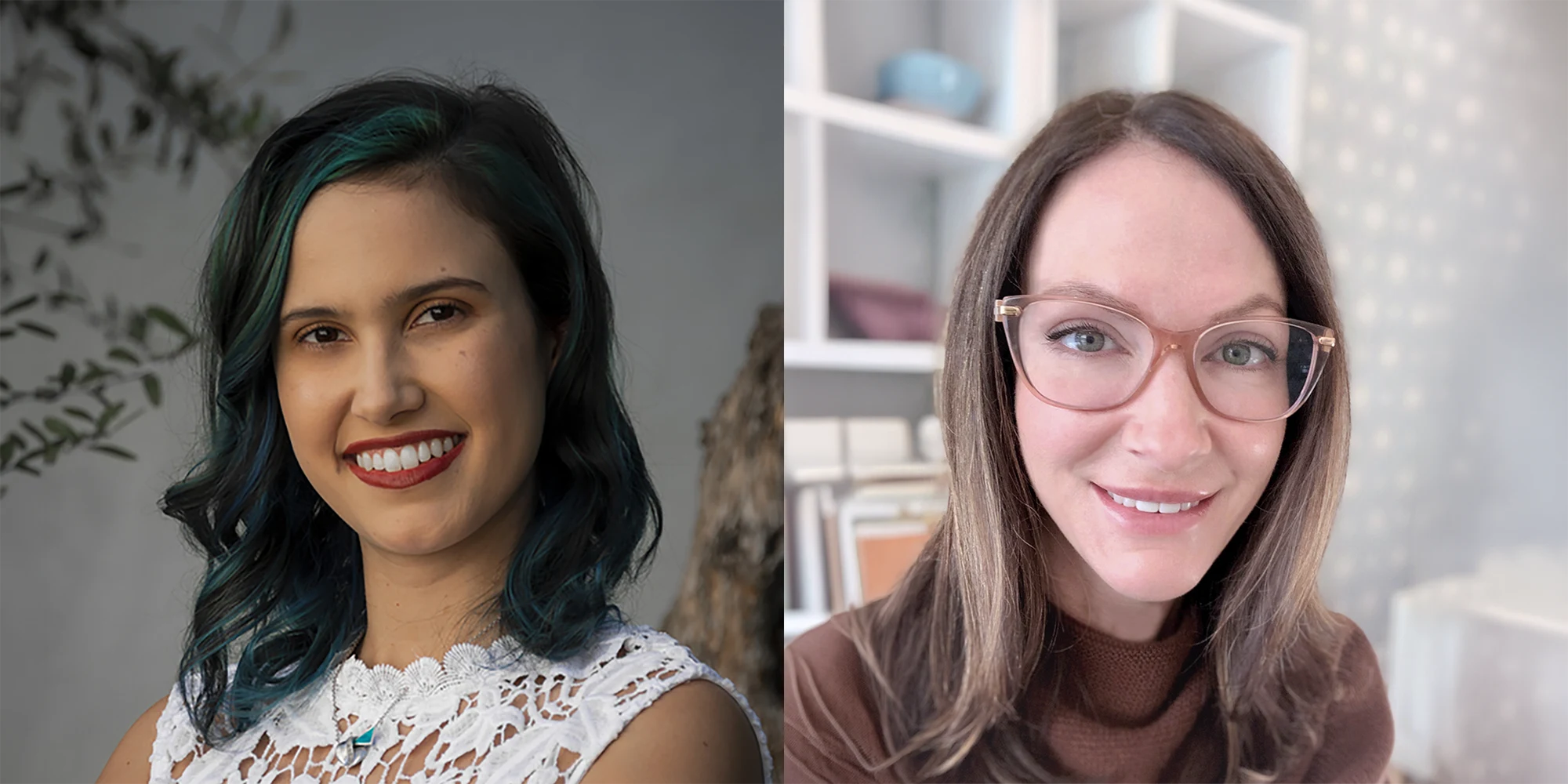
In this episode of The Curiosity Current, Stephanie Vance and Molly Strawn-Carreño turn the microphone inward. After months of conversations with researchers, strategists, product leaders, and marketers, they pause to reflect on what has shifted in their own thinking.
They revisit unexpected takeaways, from the regulatory complexity behind pharmaceutical naming to research on sports fandom that reframes loyalty as social connection rather than team allegiance. They explore how LEGO Serious Play challenged assumptions about what rigorous research can look like and why creative expression can surface insight in ways traditional methods cannot.
The conversation also moves into more uncomfortable territory. Stephanie reflects on repeated themes around researcher influence and the limits of “letting the data speak for itself.” Molly considers what it means to move fast in marketing without mistaking motion for progress. Together, they debate the ongoing tension between speed and depth, where rigor matters, and when action cannot wait.
They also offer advice to their younger selves about curiosity, business fluency, and building influence beyond technical skill. The episode closes with the big questions they are still sitting with: what is truly worth measuring in a world flooded with data, and what the insights professional of the next few years will need to know in an AI-augmented environment.
Episode Resources
- Stephanie Vance on LinkedIn
- Molly Strawn-Carreño on LinkedIn
- aytm Website
- The Curiosity Current: A Market Research Podcast on Apple Podcasts
- The Curiosity Current: A Market Research Podcast on Spotify
- The Curiosity Current: A Market Research Podcast on YouTube
Transcript
Molly - 00:00:00:
In a world where we can measure virtually everything, and we're drowning in data, what do we decide what's actually worth measuring? Are we tracking the right things, or are we just tracking what's trackable? And that requires a huge amount of discipline, right, to think about, okay, so, this gives me this data, which tells me this. And that could satisfy what I'm looking for, but it might require a little bending to actually get it to work. Or is there something else that I should be thinking of completely differently?
Molly - 00:00:35:
Hello, fellow insight seekers. I'm your host, Molly, and welcome to The Curiosity Current. We're so glad to have you here.
Stephanie - 00:00:42:
And I'm your host, Stephanie. We're here to dive into the fast-moving waters of market research where curiosity isn't just encouraged, it's essential.
Molly - 00:00:52:
Each episode, we'll explore what's shaping the world of consumer behavior from fresh trends and new tech to the stories behind the data.
Stephanie - 00:01:00:
From bold innovations to the human quirks that move markets, we'll explore how curiosity fuels smarter research and sharper insights.
Molly - 00:01:09:
So, whether you're deep into the data or just here for the fun of discovery, grab your life vest and join us as we ride the curiosity current.
Molly - 00:01:21:
Today on The Curiosity Current, we're gonna do something a little bit different. We're actually gonna be taking a quick breath and reflecting on what we've been hearing, and we wanted to share with our listeners some of our viewpoints.
Stephanie - 00:01:33:
Over the past few months, we've talked to researchers, strategists, product leaders, innovators, you name it, people who are reshaping how we understand consumers. And, honestly, these conversations have changed the way we think about our own work.
Molly - 00:01:48:
So today, no guests, just us. We're reflecting on five things that we've learned from the people that we've interviewed so far. Things that surprised us, challenged us, or, like Stephanie said, made us completely rethink how we approach research and marketing.
Stephanie - 00:02:03:
This is The Curiosity Current, a podcast from aytm, where we explore how researchers and decision makers rethink consumer understanding, how they test new tools and turn insight into action.
Molly - 00:02:16:
And today, we're turning that curiosity inward. Let's do this.
Stephanie - 00:02:20:
Let's do it.
Molly - 00:02:21:
Okay. So, jumping right in. The thing that surprised us the most, Stephanie, let's start here. Across all of our conversations so far, what's one thing that a guest said that genuinely surprised you or something that perhaps you weren't expecting that person to say at all?
Stephanie - 00:02:38:
Okay. I really like this question. And while I would love to narrow it down to one, I have two. And one is kind of silly, and then the other one is maybe my real answer. But the first one was when this was back, when Matt and I were hosting the podcast, and we were talking to Shawn McKenna, who works in the pharmaceutical industry. And I just had a really burning question for him about where pharmaceutical names come from because I find them deeply confusing and hilarious. Things like Latuda, Taltz, Ficomp, you name it. So random. What I learned from Shawn is that there are lots of regulatory rules around drug naming, which is probably not surprising given the industry. But two things, one, they cannot be misleading in terms of claims. So, you couldn't call something like Cure Acetaminophen, right? Because the word cure implies that it can cure things, which it can't. So, that's one thing. And then the more interesting part to me is the regulation around something called LASA, which is look-alike, sound-alike. And it's really important that different pharmaceutical brand names not sound like other ones because when you have doctors, nurses, pharmacists calling these drug names out quickly whether verbally or writing them down in their doctor's scrawl, whatever, they have to be well differentiated from other drugs so that dosing and drug mistakes are not made, which I just think is it all makes sense once you know it. But without knowing that, it just looks like the most confusing naming landscape that I've ever seen.
Molly - 00:04:15:
Yeah. And I encourage anybody who's listening, if you haven't looked up Pokémon names versus drug names, I highly recommend, because I don't know any of these drugs or any of these Pokémon, and it's absolutely hilarious. It's just a fun, entertaining thing. And you mentioned there was one other thing that also caught you off guard. I'm curious.
Stephanie - 00:04:35:
Yeah. Oh, yeah. For sure. And, you know, just being mindful of time. The true answer for me, and something that I think about all the time, really came from Ben Valenta's episode. Ben came on, he's from Fox Sports, and he came on to talk about fandom. He's researched it extensively. He's written a book about it, and he completely reframed the way I think about sports, and essentially, like the big takeaway from his research, is that fandom isn't really about the team or the game, it's about social connections. And he has research that shows that sports fans have more friends, they spend more time with their friends, they spend more time with their family, and they place a higher value on those relationships. Sports create an anchor, like sports itself, for deep, meaningful connection, and I think we all assume that, like, it's the team and the action on the field that are the reason that we're here, but it's actually more the shared fandom, and other people are what give sports meaning. Having people to celebrate with and commiserate with is just, like, the crux of what it's all about. It's so obvious once you know it.
Molly - 00:05:41:
Yeah.
Stephanie - 00:05:42:
But it's totally, it's mind-blowing to me, and I love it, so.
Molly - 00:05:45:
Yeah. I mean, I was just this past weekend at a Super Bowl party, and I don't know anything about football. But put my son in a cute little football outfit, and we went and hung out with his uncles. You know? So, it's definitely a bonding thing, but you're right. You don't make that translation to, oh, yeah, duh, of course. It's the same thing on a couple of the episodes we've had recently about food choice. It's like, yeah, duh, of course. But, you know, actually, how you then look at it from your professional research lens is totally interesting.
Stephanie - 00:06:18:
Yeah. For sure. Well, what about you, Molly? What caught you off guard in our conversations?
Molly - 00:06:24:
Yeah. I mean, there is a lot of surprising things that I think. Whenever I would hear something, I'd be like, yeah, I never thought of it that way before. And that I say that in the middle of our conversations because, truly, I just haven't thought of it that way. But I think the top of the list for me has to be Garret Westlake on Lego Serious Play because I feel like I have an understanding of research, and I have an understanding of Legos. And there was never an overlap in which LEGO could be an expressive way of better understanding what somebody is struggling with or a point of conflict in their professional work that then shows up in LEGO build. So, when he was talking about, you know, having some of these clients that he's working with, they'll build a pit of despair, and they'll build, you know, Dante's inferno. And it's like these are all the exact same points in time that they feel their product is lacking. But it's just so visceral, like Dante's Inferno, and it's just, oh, that's now just like, oh, there's a hiccup in our workflow. It's like this is a very serious offense that we need to actually consider. And so, like, I would've, before that conversation, I would've definitely said that Legos are a creative workshop activity. It's something that's fun, it's something that's an outlet, but it's not something to seriously consider as a piece of research. But, you know, with those different builds in the way that people were expressing themselves, he made the case that this is actually one of the most inclusive ways to surface insights, especially from people who don't thrive in verbal first environments, so that sort of changed for me the thinking around a research approach and what rigorous research can even mean. So, that was probably the most unexpected to me. I'm gonna add in here the most expected, even though I was, I think I might talk about this later on in a different segment, but we had Steve Olenski on talking about how humans don't need 50-page decks. And there was, I think he said, “I don't know of any human who needs a 50-page deck unless you need a cure for insomnia.” And I kind of got it, kind of was brutal in my soul because sometimes with marketing, especially, you're like, here's all these things for all these campaigns, here's all these things we understood, but that really doesn't matter. So, that was kind of expected for me, to be honest, but I think I might go into a little bit later about how that bruised my ego, snitch.
Stephanie - 00:08:57:
No. I know. We definitely have felt called out, and we will get to that later. I loved that you used the Garret Westlake episode as one of your, like, you know, surprising takeaways. I did not host that episode with you, which gave me the luxury of being able to just listen to it. Because I think sometimes when I host anyway, I end up in, like, a fugue state of, like, I'm not really sure what happened in that podcast episode. But this one, I got to really listen to and just, like, absorb what he was saying, and it was so novel and so unique and so applicable. Yeah.
Molly - 00:09:33:
Well, I think on that, the next question that we have, I got a little bit ahead of myself, was actually about things that made us uncomfortable. So, what does that one say, Stephanie?
Stephanie - 00:09:42:
Alright, Molly. So, this one is a little more vulnerable. Was there a moment in any of our interviews where a guest said something that made you squirm a little bit, like, oh, this person's calling me out, or, you know, I feel attacked?
Molly - 00:09:57:
I mean, I love that we say, like, that I felt kind of attacked because I feel like anything that a guest says that challenges your perception of, or something that you've put your stake in the ground to say this is something valuable that I provide, it challenges your ego a little bit, and it bruises your ego up a little bit, but it makes you a better professional. So, I was mentioning Steve earlier. So, I'm gonna mention Steve again about the just the 50-page decks and all the information that nobody wants. And it really requires a thought exercise, and it puts the onus of understanding the problem that your client has on you instead of your client, right? So, if you just present a 50-page deck, here's all the findings, it requires them to think through, okay, which part of this is actionable for me, versus if you truly understand your client's problem and what they're trying to solve, then that lens alone allows you to distil down and think these are the four things. These are the three things. This is the one thing even that we pulled that challenges your assumptions and is going to help you and your business be better. But without that understanding, you won't know really how to do that. So, that challenged me a little bit. The other one is about everybody mentioning how we're moving too fast. We've had multiple guests, Nancy, Ed, and Charlie Grossman, they all talked about the cost of moving too fast, and I would say that when I felt a little bit personally attacked. Because, you know, in marketing, we're so focused on the execution and getting results that sometimes we don't stop and ask if this is the right, you know, problem for us to be solving. I also, you know, have raging ADHD, so I get very excited about things. Like, someone will mention a new product or a new feature. I'll be like, this and this and this and this and this.
Stephanie - 00:11:48:
Totally.
Molly - 00:11:49:
Even though it's not really thinking through exactly what it is we're trying to do and who we're trying to do it for. So, I've definitely been guilty of running a campaign or creating content without fully interrogating if it's actually addressing the core need that we need to achieve here. I also am guilty of wanting to do a billion things and stretching myself wildly too thin. So, the idea of focusing in also with, you know, talking about what Steve was saying, focusing in on that one thing that's really going to make the biggest impact, is something that I definitely felt challenged by. And, I mean, hearing that across multiple conversations made me really realize how often, maybe, I'm optimizing for the wrong thing.
Stephanie - 00:12:33:
Not always. Yeah.
Molly - 00:12:34:
Yeah. Yeah. Not always, but sometimes. I mean, no professional is perfect.
Stephanie - 00:12:39:
Certainly.
Molly - 00:12:40:
Okay. Stephanie, your turn. What made you uncomfortable? What was not fun for you to hear?
Stephanie - 00:12:45:
Yeah. Well, for me, and this creates discomfort. But again, like you said earlier, some positive discomfort because I think it's motivating. But it's a theme for me that came up over and over again around researchers either lacking influence or building influence. So, it's around this issue of influence. And it really came up on the podcast, starting really early with guests like Tina Tonielli, Tanya Pinto, Raina Rusnak, relatively recently, both Ed Kahn and Kylee Lessard talked about how researchers often don't have influence even when they have great data.
Molly - 00:13:20:
Yep.
Stephanie - 00:13:21:
And I think what made me uncomfortable was recognizing that sometimes researchers, myself included, think that letting the data speak for itself is enough. Like, my job's to be a truth teller, right? I mean, it's indisputable, here's the data, but insights is a lot more than that, it's a lot more strategic than that, and honestly, the guest who said this the best, and by the best, I mean, in the way that was most challenging to me personally, was Leyla Doany of JOOLA, which is the pickleball company. And she was on to talk about building an insights function from scratch. And she said this thing, she said, “Just tell the story, forget the data, and you will be invited to so many more conversations.” And I think it's really around the selling part of research. And I think that a lot of us do not learn that skill, and developing it is something that takes a lot of practice, so.
Molly- 00:14:17:
Yeah. And I feel like if you're a skilled researcher and you live in data and insights every single day, the data makes sense to you. The data tells you intrinsically already what you need to know, and the action of taking that data and pulling it into insights that are actionable might be a smidge unconscious. So, translating how that also works to a stakeholder is the big learning.
Stephanie - 00:14:43:
Yeah.
Molly - 00:14:44:
Okay. I want to go into some of the common themes that we have continued to see across a variety of guests, across a variety of seniority levels, a variety of roles. There's this tension that keeps coming up in our interviews. And, Stephanie, you and I don't always land exactly on the same place on it.
Stephanie - 00:15:07:
Yeah. No. I think I know where you're going with this, and I feel like we've already even been talking about it a little bit.
Molly - 00:15:13:
It underpins a lot of the conversations that we have, and it's like this idea of speed versus depth. How fast is too fast? Right? Like, when there are, I think I said the exact same thing on a show recently, where I said, as fast as the trend shows up, that's as fast as it leaves, and if you can capitalize on that, you can make a lot of money. But is that too fast? Like, do you really need to be reorganizing your business around just capitalizing on trends? And then, when is good enough actually enough? When do you actually have the reliability of the data and of the insights to say, I can make a choice?
Stephanie - 00:15:53:
Right. Yeah. And it is, it's a question. And I think that, like, you and I even have this tension as you kind of hinted at earlier on, in our own backgrounds and approaches from marketing. You're trained to move fast with a bias to action, test things, and iterate as you go. You know, my early career was in academia, where, of course, rigor replication is the name of the game, but even now, as a supplier-side researcher, rigor, defensible data, no mistakes, it's still so important. These are the reasons that brands partner with suppliers, you know? So, it's a tricky issue.
Molly - 00:16:29:
Exactly. 100%, Stephanie. So, when we hear about someone like Nancee Halpin who's talking about the dangers of moving too fast with AI or David Evans talking about research theater, I'm thinking, yes, quality matters. But then guests like Steve Olenski say that insights teams need to deliver clarity, and they need to deliver it faster. So, I say we don't need to overthink this; we do need to have that more immediate action, but you need to make the right action, so, you know, looking at that balance.
Stephanie - 00:17:00:
Yeah. And that is exactly the tension, right? Like Steve is saying, you can be concise. You can be fast if you're actually clear on what the decision is. The speed will come from that clarity of purpose, not from cutting corners in the methodology.
Molly - 00:17:15:
Right.
Stephanie - 00:17:16:
I also think, too, like, you brought this up earlier. You know, we're hearing this from different categories, from different levels of people. I do think the way that brand and supplier side researchers think and talk about this is a little bit different, but what I'm learning and, like, the takeaway for me is that, you know, the risk is different on different sides of the industry. And if I don't understand the decision and risk landscape that my client lives in, that's a problem.
Molly - 00:17:45:
Yeah. And I think that that's completely fair. And then, you know, also for marketers, what's the difference between an actual marketing campaign and just more noise? What are we testing? What are we learning? Because if we're not measuring accurately and we're just getting stuff out there, that just kind of clutters an already very cluttered ecosystem. And if we can't even see through it, then how are we expecting our clients and our prospective clients to be seeing through this?
Stephanie - 00:18:17:
Yeah. No. I hear that.
Molly - 00:18:19:
So, I wanna dig a little bit deeper with you, Stephanie. When do you think that you have kind of been wrong about this? When have we been wrong about this? When has research moved too slowly, or perhaps when has marketing moved too fast?
Stephanie-00:18:32:
Yeah. So, I mean, speaking for research, like, looking back at my own even approach to, you know, projects that I've worked on over the years, I can definitely think of times where I have over-indexed on the risk of action when the risk of inaction was maybe greater. And I was just probably too junior in my role to, a, have the visibility, and, b, have the experience of learning to work in a riskier way. Because, you know, you have to think too that coming up as a researcher, you wanna learn how to do it all really, really well because that teaches you what you can speed up and what you, you know, what you can cut, what corners you can cut. And so learning that just takes some time. So, I can look back and definitely see that my bias to inaction overrode a clearer need for action. At the same time, I fully stand by every time I have refused to do, like, a full-blown customer segmentation in two weeks because strategic projects that are gonna feed a brand's customer strategy, a product roadmap, you have to build in time for stakeholder alignment. And if you don't have interested stakeholders who are showing up to need that time and make this project be on a longer, you know, lifetime cycle, you don't have influence, and this is probably a waste of time. So, it's a balance.
Molly - 00:19:59:
Yeah. And when you don't have that buy-in, yeah, you're right. It's a waste of time. And then that also feeds into, like, then you're just doing it to do it, you know? And,
like, you're kind of just going through the motions, like, nobody's getting any value from this.
Stephanie - 00:20:12:
Right. The fastest motions ever. Yeah.
Molly - 00:20:14:
Yeah. Exactly. Exactly.
Stephanie - 00:20:16:
Okay, Molly. To move into this next section, I wanna do a thought experiment. And it is, if you could go back to 21-year-old Molly at Pure Spectrum, wearing all those hats, juggling client management and marketing, what would you tell her based on what our guests have taught us?
Molly - 00:20:37:
And so if I were to actually pick a direction that, you know, our guests have taught us over the last year, I would pull the namesake of our show. I would incorporate some of our guests that says that, her curiosity, 20-year-old Molly's curiosity, and the way that she was so interested in learning how to do everything and to do it really, really well, and to do it as fast as she obviously could was not a distraction; it was actually a competitive advantage. So, Charitie Dantis-Gayo said, she talked about her nonlinear paths into research and how she was looking for hiring sheer force of will, even over experience. And then Christopher Khoury talked about cross-training his team and how inserting yourselves into these unlikely scenarios can build credibility with your team and then also build a really interesting career for you. So, I spent a lot of time thinking that I needed to pick this lane, right? Like, I needed to pick if I was going to be in client management or if I was going to be in marketing when actually it was the diversity of my interests that made me better at connecting those dots than others in this. So, you know, I'm on this podcast, and you could pull me into a conversation about research and client needs, and I can speak pretty fluidly about those things. And then also, I could deep dive into marketing. It wasn't feeling like that was going to be how it was going to pan out when I was working, you know, so many hours on so many different things. But, truly, that foundation about maintaining that curiosity and being like, well, why does a client do it like that? Why does a client want to do it like that? Why is it important that this client prioritizes consistency in his brand tracker? Why is it important that you know, and, like, asking all these questions throughout and getting that experience made me a bit different, I'd say, from other marketers in the research industry and allows me to speak to more of those things. And it makes me a better marketer at the end of the day, having that experience. So, I would say, Molly, keep asking those questions. You're doing a great job. I'm trying to get some sleep. Try and get some sleep, girl.
Stephanie - 00:22:45:
Try to get some sleep. Hydrate, young Molly. Hydrate. Yeah.
Molly - 00:22:49:
She's gonna find out in a handful of years about, like, those IV med spas. She's gonna find out about those, and it's gonna be a game-changer. What about you, Stephanie? What would you tell PhD-student Stephanie about moving from academic research to what you do now in applied insights?
Stephanie - 00:23:06:
Sure. Yeah. I think that for me, it's probably about learning the language and the landscape of business. And I used to talk about this a lot earlier in my career and say, all you have to do is learn the lingo, and then you're all set to other friends who are, like, moving from academia to business. And then, of course, like, the more of a seasoned, you know, market researcher I became, the more I realized that I was really underselling the incredible importance of understanding the business context. You know, we had Ed Kahn, who said researchers earn influence by understanding business risk in language that executives understand. Kylee Lessard talked about how her product marketing background helps her triangulate what's most important. You're doing the same thing now, talking about how, you know, that your sweet spot of your background is really your superpower. And I think I would tell younger me to learn to speak business, not just research. And it's not just about lingo, it's about understanding that research outcomes are not designed merely to advance our understanding of consumers, but to advance business strategy and to really build that understanding earlier.
Molly - 00:24:23:
Would you listen to that advice? Like, you're super academically minded, wanting to get into research. If you could magically teleport and actually say this, do you think past Stephanie would listen to future Stephanie?
Stephanie - 00:24:38:
I for sure do. Yeah. I do. Because I think that you just don't know what you don't know, right? So to me, what I was clocking as a lingo difference only was just much bigger than that. I just couldn't see it, so.
Molly - 00:24:52:
Yeah. I think for me, maybe I would listen to what future Molly has to say. I don't know. Future Molly was, or past Molly was, very determined, so she might, I don't know what she would do. She'd probably just stay her course stubbornly.
Stephanie - 00:25:08:
Well, it seems to have worked out.
Molly - 00:25:10:
It worked out just fine.
Stephanie - 00:25:14:
Okay. Last segment. And this is where we get honest about what we don't know yet.
Molly - 00:25:22:
Mhmm. Love this.
Stephanie - 00:25:24:
So, what's the question that has been sparked by our guests that you're still wrestling with? Something that you don't have an answer to.
Molly - 00:25:32:
Yeah. I think for me, I keep going back to this idea about measuring what truly matters. Steve Markenson talked about this idea about a value matrix, which is, quality, relevance, experience, and convenience, which is how shoppers redefine value beyond just the price of an item, and how they weigh things that they value when making a purchasing decision. And then we also had Charlie Grossman talking about separating signal from noise. And so we've had a lot around this topic, but I'm sitting in this question of in a world where we can measure virtually everything, and we're drowning in data, what do we decide what's actually worth measuring? Are we tracking the right things, or are we just tracking what's trackable? And that requires a huge amount of discipline, right, to think about, okay, so this gives me this data, which tells me this, and that could satisfy what I'm looking for, but it might require a little bending to actually get it to work. Or is there something else that I should be thinking of completely differently, or is there even a new way that I could take already existing data and move it into something that's going to be valuable? So, I think we're spoiled for choice in the amount of tools and the amount of tech and the amount of connectivity that people have. I think it's really distilling down what's useful or not, and how we do that.
Stephanie - 00:27:00:
Yeah. And, you know, I think that's a timely question that you're wrestling with because I think we also see it with our clients all the time, too, right? Like, have a lot of clients coming in right now saying, we just need to reimagine this brand tracker. It's way too big. It's way too complex, you know, we wanna make something simple, targeted. You also see it with people talking about we wanna reduce the number of suppliers we're working with, right? Like, we really need to audit, fiercely audit what it is we're doing, and make sure that everything we're measuring has a purpose, et cetera, so.
Molly - 00:27:33:
Yeah. Because I feel like sometimes, too, if you allow for that kind of scope creep to happen, there's always more things to know, and it's that when do you say, nope, nope? This answers the question, what's nice to have, and what is something that we need to have? What's something that we need to have that is going to be disastrous if we go into market without versus I'm so curious about how this particular brand attribute is tracked against this. Okay, well, is that answering a question? Because if it's not, it's wasting everybody's time. It's wasting your time, it's wasting your money. It's wasting your supplier's time, your supplier's money, and it's also further burning out this very small pool of respondents that we have a requirement to treat well and to do well by. And if their exact answers are not exactly informing something, why are you gonna ask it? But where do you draw that line? Because there's always more to know.
Stephanie - 00:28:32:
Yeah. It's a tough one. It is. And I think for me, like, the question that I continue to wrestle with and suspect I will be for quite some time is really around what does the future look like for people in insights roles. And it's something that I have felt really privileged to get to hear from folks about on the podcast. We talked about it with our academic leader guests, like Marcus Cunha, Don DeVeaux, just like when we talk about the role of the human in the loop, every time we talk about AI on the podcast, with Adam Hagerman and David Evans as well, from the brand side. You know, what does the researcher of, say, 2027 need to know that the researcher of 2020 did not? And it's not just about learning AI tools, right? There's something bigger shifting, whether that's because of AI tools or not. There's more going on. And there's just a lot of big questions about whether we're setting people up for success, especially our junior team members, you know, are we training them with the right skills, or are we training them to do things that AI will eventually make obsolete? And I think about this, you know, I think about it for our customers. I think about it for the teams that report to me. There's no, like, shortage of people around me who this impacts, and so I'm quite invested in it. I really like thinking about it, and I wanna be ready for it, and I wanna empower other people to be ready for it.
Molly - 00:29:57:
I mean, that's a huge existential question, not just for research, but it's also in marketing, too. I mean, I think about two years ago, my role was to write articles for SEO. That was probably taking 40% to 50% of my time, and that's something that just doesn't exist anymore, right? Or exist in a completely different context, which is, you ask ChatGPT to do it, you have some, you get very, very good at prompt engineering, and then you're an editor. You're a prompt engineer and an editor.
Stephanie - 00:30:30:
Right.
Molly - 00:30:31:
And you have to be okay with that. Again, another thing that bruises my ego, like, oh, you don't need me to write anymore, and that hurts. That hurts my heart in a different way, but it's also, like, if this is the way that the world is going, then I need to get really, really damn good at doing these other things in a different context.
Stephanie - 00:30:52:
Exactly. And what does that open up for you in terms of your time to be able to explore and learn those things, right? Like, every one of these things is a double-edged sword in some way.
Molly - 00:31:02:
Yeah. I mean, I say this because I mean, maybe if I listen to this in 2035, it's gonna sound very naive, but I always think we're going to need people doing jobs. And I know that for big tech leaders, that's sometimes controversial. I know there's been tech leaders that said, “Oh, humans won't work by 2050.” I just don't think so because there's always more to do. So, even though I'm not spending 50% of my time writing SEO articles anymore, I'm filling it with things that I feel would have been a job and a half or two jobs pre-AI. But now with AI, I can do this and move on, whereas that would have taken me an afternoon. Now it takes me five minutes, and then that doesn't mean that I'm like, oh, now I could take the afternoon off. Now there's just more things to be doing. It's just more streamlined. And I think that that's across not just marketing and research, but it's across many, many industries where there's still human jobs that are needing to be done with the way that AI has progressed thus far, and there's always gonna need to be a human in the loop, and I guess there's a whole lot of we'll see, maybe, there's a future guest that can can tell us more about this topic.
Stephanie - 00:32:14:
Oh, I have a feeling, yeah, that it will continue to come up. And, you know, I think I can tell this story without it implicating directly anybody, but there's a customer, a client of aytm’s right now, who I'm working with, and he's a power DIYer. Like, he does not need my help to write a survey. He doesn't need my help to analyze data, but he's doing something new. He is trying to replace, like, a current way that they approach a particular research stage programmatically now to a different programmatic way. And the way he invited me into the opportunity or the project with him is he said, “Hey, I need a co-creation partner.” And I was like, that's just gonna be fun. Absolutely. Sign me up. But if, like, the future of research can be me and a brand-side researcher, insights person sitting together, co-creating new programs of research, sign me up because that's just cool. So, I'm optimistic.
Molly - 00:33:18:
Me too. Me too. I think it's just getting over what we've dug our heels in on in the past, which is tremendously difficult, admitting that these are part of our professional lives that perhaps we have to let go, but then welcoming what that means in the future. Because, you know, if you, from the marketing side, again, if you double down on content that I wanna write and you're unwilling to learn how ChatGPT or Claude or other systems can help you become a better writer and draft things for you, like, that's what employers are going to be looking for. That's what partners are going to be looking for is how proficient you are with these new tools, how fast you got up to speed. So, there's a lot of opportunity, like you said, it requires us to let go of what perhaps the very recent past has been operationally wise for us.
Stephanie - 00:34:14:
Yeah.
Molly - 00:34:15:
Awesome. Well, I think that's an excellent place to end on the note about curiosity and, you know, trending towards what things are looking like and questions that we ask for the future. And I think that's what keeps us in this work is the questions that we haven't yet answered because you and I, both from marketing and research backgrounds, are curious by nature. So, that's our five things. What surprised us? What made us uncomfortable? What we're still debating, some little personal advice for our younger selves, and then the questions that we are currently still sitting with and looking forward to getting answers on in the future.
Stephanie - 00:34:52:
For sure. And if there is a question from one of our past guests that stuck with you or something we've talked about today resonated, we'd love to hear about it. You can find us on LinkedIn, tag us, or send us a message.
Molly - 00:35:04:
Yeah. Also, feel free to connect with Stephanie and I, as well, on LinkedIn and send us a message, and we're always interested to hear other perspectives. Again, I just said we're curious by nature, so we're always interested in new voices and things like that. And if you wanted to hear some of the conversations that sparked all of this thinking today, make sure that you're following The Curiosity Current. We've got some incredible guests coming up, and I always learn new things from past episodes, also.
Stephanie - 00:35:33:
For sure. Thanks for letting us turn the microphone around a bit today. We'll see you next time.
Molly - 00:35:39:
It was a lot of fun, Stephanie. You guys, thank you again for listening. Stay curious out there.
Outro - 00:35:46:
The Curiosity Current is brought to you by aytm. To find out how aytm helps brands connect with consumers and bring insights to life, visit aytm.com. And to make sure you never miss an episode, subscribe to The Curiosity Current on Apple, Spotify, YouTube, or wherever you get your podcasts. Thanks for joining us, and we'll see you next time.





.jpeg)


