

Descripton
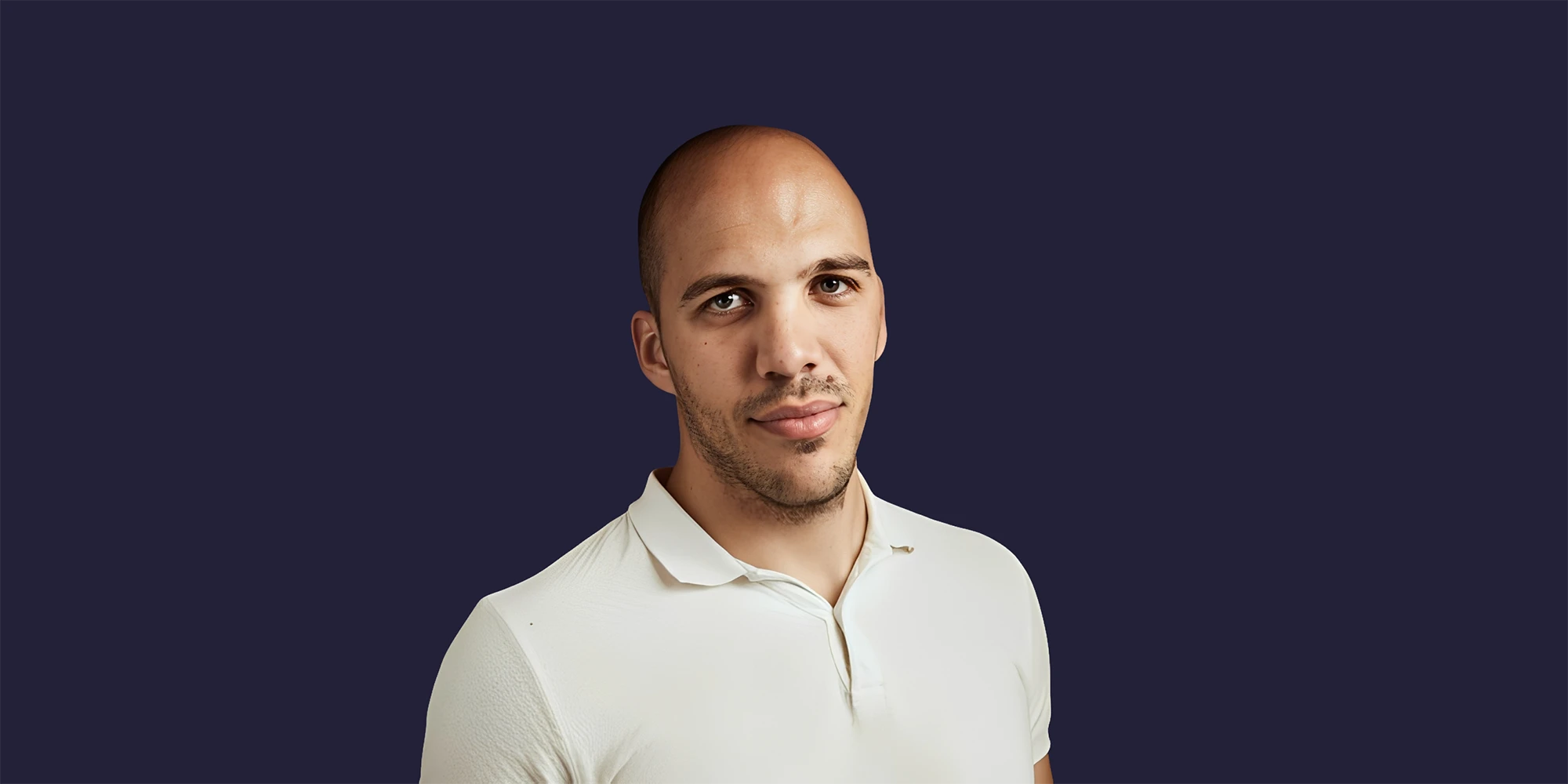
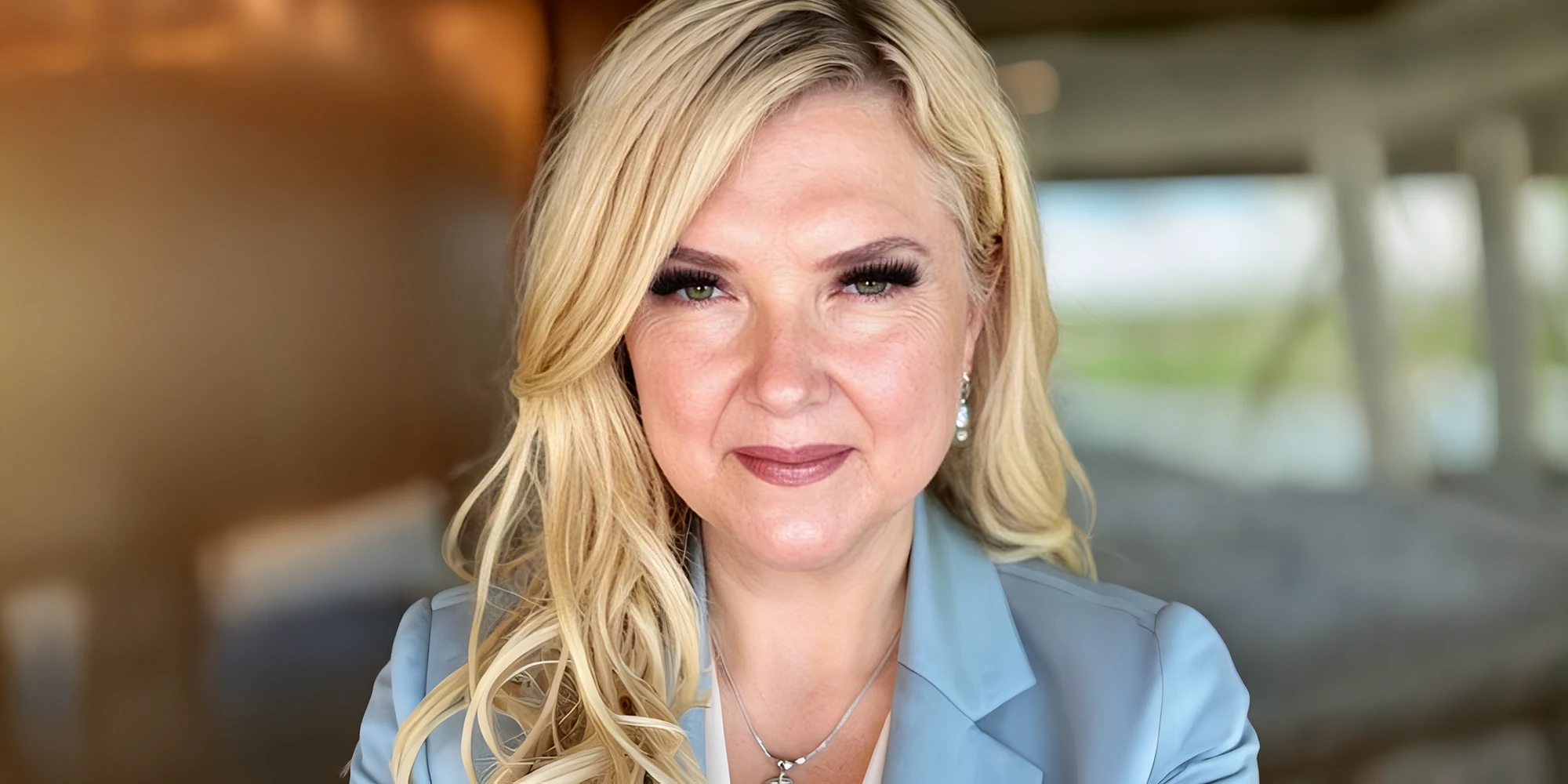
In this episode of The Curiosity Current, host Stephanie Vance is joined by Marin Mrsa, Founder and CEO of Peekator. Marin details his unconventional path into the insights world, which began after he sold his car to launch a research startup in Croatia with no prior industry experience. This outsider perspective allowed him to recognize that the traditional research process was often fractured across too many disconnected tools.
The discussion centers on the necessity of consolidating the research stack to reduce friction and help teams focus on actual insights. Marin explains why he believes surveys are future proof, viewing them as a scalable communication tool rather than just a collection of questions. He also shares his approach to integrating AI, emphasizing that while automation is excellent for tasks like auto coding open ends, it should never replace the final decision making of a researcher. The episode concludes with a look at the skills researchers need to thrive in the future, including adaptability and discernment, and a call for more collaboration across the industry to solve shared challenges like data quality and fraud.
Episode Resources
- Peekator Website
- Marin Mrsa on LinkedIn
- Stephanie Vance on LinkedIn
- The Curiosity Current: A Market Research Podcast on Apple Podcasts
- The Curiosity Current: A Market Research Podcast on Spotify
- The Curiosity Current: A Market Research Podcast on YouTube
Transcript
Marin - 00:00:01:
It's a big trend these days to call everything dead, to call everything it's ending, like, oh, this is old. And surveys have been around for 150 years, and they've survived. And it's not that I'm such a big fan of a survey. I'm more of a fan of speaking with clients, and I see a survey as a communication tool for speaking with clients in a scalable way. That's how I view them. I don't view them all as a boring form of questions. I view them as if you have 100 clients, how are you going to speak with all of them? And I feel like in the future, no matter what, we are still going to want to hear back from our clients. And that's the reason why I think a survey is essentially going to be around.
Molly - 00:00:53:
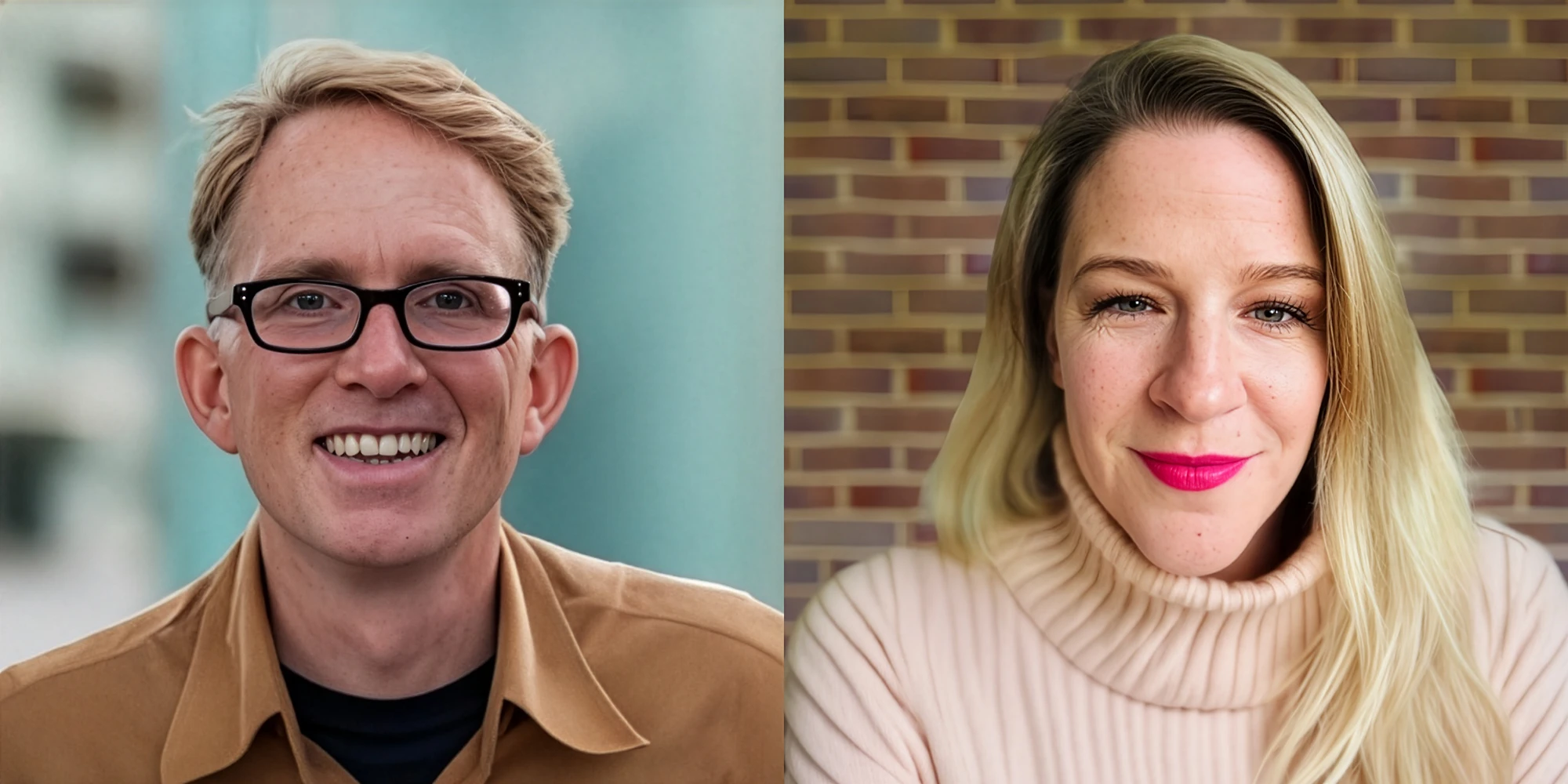
Hello, fellow insight seekers. I'm your host, Molly, and welcome to The Curiosity Current. We're so glad to have you here.
Stephanie - 00:01:01:
And I'm your host, Stephanie. We're here to dive into the fast-moving waters of market research where curiosity isn't just encouraged, it's essential.
Molly - 00:01:10:
Each episode, we'll explore what's shaping the world of consumer behavior from fresh trends and new tech to the stories behind the data.
Stephanie - 00:01:18:
From bold innovations to the human quirks that move markets, we'll explore how curiosity fuels smarter research and sharper insights.
Molly - 00:01:26:
So, whether you're deep into the data or just here for the fun of discovery, grab your life vest and join us as we ride the curiosity current.
Stephanie - 00:01:37:
Today on The Curiosity Current, I am joined by Marin Mrsa, founder and CEO of Peekator. Marin's path into the insights industry is one of those stories that immediately makes you lean in. He started Peekator in 2017 after selling his dad's old car and moving to Zagreb with no prior experience in market research, and built it into a company now working with clients across the globe. Since then, Marin has become a thoughtful and often provocative voice in the industry, writing about survey quality, research technology, data integrity, and why the role of researchers may become even more important as AI becomes more embedded in how decisions get made. So today on the podcast, we're going to explore a tension that feels very alive in research right now. We have more tools, more data, and more automation than ever before, but that doesn't automatically translate into clarity. So, in that context, we'll explore why do surveys matter, what should research technology actually be doing for us, and where does human judgment becomes even more valuable than it is now. Marin, welcome to the show.
Marin - 00:02:44:
Thank you so much. It's great to be here, and I appreciate the introduction. It was really nice to hear, let's say.
Stephanie - 00:02:51:
I love it. Well, I'm excited to chat with you today. Let's get right into it. I think something that's really struck me about your story is that you didn't come into this industry through the usual front door. You built your way in. You went from hotel accounting to starting a research tech company from scratch, and that usually only happens when something really grabs you. So, I wanna start there. What first made you look at the insights industry and think there is something worth building around here?
Marin - 00:03:20:
Yeah. Sure. So, the story, like, started, I'm Croatian-based, and we have a Croatian dream. The Croatian dream is to own an apartment and own a restaurant or a bar and live off it, right? So, that's the Croatian dream. So live off the beach, live on the beach, and that's the Croatian dream. So my idea back then was I want to own a restaurant as well. But my concern was how I'm going to maintain the quality of service and stuff like that. The staff, are they going to be good? Are they going to maintain the standards and stuff like that? And I was also back then working in a hotel, and I was big, like, I was always big on software tools, so I wanted to combine both. So, I wanted to create an app where you could book a person who would go to your bar or restaurant and check the quality of service. So, that was my first idea. Like, I was really hooked on that idea. I thought that was the idea that it's going to change the world. It's going to be amazing. I didn't know too much about research, about what type of service I'm going to do, and all that. So, I was young. I wanted to start it. I want to start a startup, and that's how I quit my job, sold the car, the only car that I had from my dad, of course, not like my own, and started it. It turned out it wasn't the best idea. It wasn't the idea that changed the world, but it changed me, and I started with it. And that was, let's say, the first, like, introduction to the research world, that mystery shopping app that we created. So, that was the first initial intro to the role of insights.
Stephanie - 00:05:05:
Got you. I like it. So, it was a mystery shop sort of.
Marin - 00:05:09:
Yes. Yeah.
Stephanie - 00:05:10:
Gotcha. Gotcha. Gotcha. I think that there could be something really clarifying about entering an industry from the outside. Sometimes you see patterns or blind spots that insiders just are inured to, right, from sitting and marinating in this space for a long time. So, when you first stepped into market research, I'm curious to know, like, what surprised you about how this industry works, and what did you think it might have underestimated about itself?
Marin - 00:05:38:
Yeah. So, first of all, I've really felt like it's a closed world. I don't know. Like, I felt like it's a small, closed world on the inside. It was really tough to crack. It felt like everyone knew each other, and it felt really close. One more thing that I realized as well is that, at that time, I also attended an MBA, and it was really interesting for me that we got to learn about every function in business. And that was from sales to finance, operations, purchasing, IT, everything. So, we went through all of it, but there wasn't a word about insights, about research. So, insights felt to me often overlooked and if you would go and ask a person in a bigger, like, you know, organization, where is your insights team? I'm sure they are not going to know who they are and what do they do. So that, like, struck me as well that most of the people who work in enterprises, wherever, they are not aware about insights teams, and stuff like that. At least that was my experience back then. So, that was quite an interesting thing for me to see at that age.
Stephanie - 00:07:01:
That makes a lot of sense. And I think kind of to continue in that thread, I think there's also the founder side of this, which is always fascinating. You know, plenty of things begin as experiments, but not many become real businesses. When did Peekator stop feeling like an idea you were testing and start feeling like something that could really matter and make changes in this space?
Marin - 00:07:25:
Yeah. You know, so when I started it, we had that whole first Uber for mystery shopping app idea. So, that was the first idea. It wasn't the best idea, as I said. We didn't. So, we kind of evolved from it, and we started. I bumped into, so, yeah, a story was also, like, I was 6 months into it, couldn't find the best fit. I wasn't sure what to do. And then, I don't know, I lived in this flat, and the owner of that flat worked in this really big bank. So, as you know, every entrepreneur, I got to sales mode, I asked him, like, “Hey, could you introduce me to a person in your bank if you have a research team to show them this app? Could this be, like, an interesting thing for your bank?” And luckily, he liked me because I paid the rent, of course, but he liked me and connected me to them. So, I went to this bank, like, fully suited. It was the first thing. I had a suit, and none of them had suits. So that was, like, the first thing. Like, what am I doing inside the bank? I have a suit they don't have. But then, in some way, I convinced them to try it out. And that was, like, the first big thing for me because I was really young. And especially back in Croatia, there was a mindset. You couldn't work like a big bank like that if you don't have someone inside, if you don't have a connection there. You know? Like so, that was more a confidence win for me for the short time that we were doing that, okay, so we could do this. And then it was a really good thing that we did because we were so young. The next 4 years, I literally found some really good clients and went to this mode where I would meet them and just ask them for a specific problem they have and then let me go with my team, try to solve it. And that's exactly what we did for 4 years with some really amazing brands. We just, like, try to solve a specific problem one at a time. But back to you, like, that first bank was, like, the big win, the first real win that felt like, okay, we are not now playing a business. You know? Like, we are working with a really big bank. If they choose us, it must be that we can do a thing or two.
Stephanie - 00:09:56:
Yeah. That's such, that must be such an amazing experience. And I think that dynamic that you're talking about, I've seen it play out too here at aytm, this sort of, like, you know, you have this client or customer who becomes your co-creation partner, essentially. Right? And when that happens, it can be absolutely magical because there's no chance that you're building a solution for a problem that doesn't exist. Like, you're so close to the outcome that it makes the building of that so much more, like, valuable. I love that. I wanna switch over to talk about surveys specifically in a little bit more, you know, more directly. So, we're in this moment where folks are talking about AI replacing methods, replacing teams, replacing entire workflows, really. And yet you've been really clear that surveys are future-proof. So, I wanna go right at that. If someone says surveys are old, they're slow, they're on their way out, what do you think that person is missing?
Marin - 00:11:01:
Yeah. You know, like, I think it's a big trend these days to call everything dead, to call everything is ending, like, oh, this is old, this is this and that. You know? Like, surveys have been around for 150 years, and they've survived. You know, like, wars, technologies, whatever it is, they survived. And it's not that I'm such a big fan of a survey. I'm more of a fan of speaking with clients, and I see a survey as a communication tool for speaking with clients in a scalable way. That's how I view them. I don't view them all as a boring form of questions or whatever it is. I view them as if you have 100 clients, how are you going to speak with all of them? And I feel like in future, no matter what, we are still going to want to hear back from our clients no matter what. And that's the reason why I think a survey is essentially going to be around. Of course, they're not going to look and feel how they are now. They are going to evolve as they have evolved in the last 150 years. They, of course, are going to evolve. They're going to be personalized. You can do this and that. They're going to evolve, but I view them more as a communication tool and not a boring form. That's what they, you know, mean to me. And I think a business, no matter what, they want to speak with their consumer, with their client, they don't want to speak with an LLM. Is my client okay with me or not? So, I think that's going to be an essential, and that's the reason why I believe they are future-proof.
Stephanie - 00:12:46:
Gotcha. So, it's really about the voice of the customer, customer communication at scale. Is that fair to say?
Marin - 00:12:52:
Exactly. Yes. Yes.
Stephanie - 00:12:54:
Makes a lot of sense to me. Let's get into this a little bit. So, research tech, I mean, we both know. It's exploded. It's so prolific. There are more tools, more platforms, more dashboards, more promises than ever. But usually, the best products come from one very specific frustration. So, take me back to day one with Peekator. What was the problem in survey research that you were most oriented towards solving, and what did you wanna build differently from other platforms?
Marin - 00:13:22:
Yes. So, going back, those first 4 years that I said earlier were amazing for us because we solved a lot of specific problems for our clients. And then at one point, we said, “Okay. We have enough experience. We want to create a single research tool that covers this all.” So, what we felt in 2021 when we started the tool that is the core product of ours now, we felt like the research process is broken in 5 or 6 tools as we saw back then. So, you would have a dedicated tool to script, then you would connect it to a panel or two, then you have a throw tool, then you have an auto-coding tool, then you have a reporting tool. So we, like, looked at this, and we are like, does this really need to be like this? You know, like and then we decided, okay, we want to design a powerful tool that can combine all of those in one. Of course, the idea behind it was that there were specific tools for each of the processes, right, and they are amazing, but you an average client, will not need all of the marginalities that that specific tool has. So, our idea was, okay, let's get the most important ones, the 20% that consists of the 80% of the output they get. Let's get the most important ones and put them all in one tool that will streamline the workflow, help them be more efficient and stuff like that. Because if you use, like, 5, 6 tools, you are just, like, increasing friction for you. There is a lot of, like, you know, going between the tools and stuff like that. So, that was the whole idea. We want to cut down the tools. We want to help them spend more time in insights, in outputs, activation, and stuff like that. So, that was the first problem that we wanted to solve.
Stephanie - 00:15:25:
I mean, tiny problem. Just kidding. It's a huge problem. Yeah. That's a huge problem to start with. But you're, I totally get that, and I think that, like, that's a lot of what aytm is trying to solve as well. So, I mean, I can certainly relate to that. I'm curious to kind of keep that thread going. When a researcher or a company brings in, you know, an insights team brings in a new tool, what should that tool make possible on day one? What has to be better, like, from the get, right, for it to be worth the switch from all the current systems that you're using?
Marin - 00:16:02:
Yeah. You know, like, a research stack is always evolving. I don't know. Like, I feel like there isn't, like, nd that dream of us, like, oh, you're just going to have one tool. That's just like a dream.
Stephanie - 00:16:17:
One unified tool.
Marin - 00:16:18:
Yeah. Right. Like, one tool to do it all. So, if I would start now, I'm not sure that I would do it again the same way, to be fair, like, all in one. It is a hard one, and the change is a significant one. It often takes a long time to process it, who wants to change all your stack, learn a new tool, stuff like that. So, going back to what you asked, I would say for the first day, try to do a pilot. Try to do, like, something easy. Try to, you know, like, an essential tool, like, everyone asks me how much the onboarding lasts and stuff like that. If we need an onboarding, if we need, like training of month, then our tool is really bad. You know? If you all need all hands to show you how to use the tool, then the tool is probably not a tool. It's more, I don't know, like, it's really not a tool. Right? Because the tool should guide you by itself, and it should make sense for you. So, I would say that just like when you start, you want to get an easy win. You want to get an easy, quick win. So apply, like, something small, whatever it is, just to feel it.
Stephanie - 00:17:32:
Yeah. I mean, I think that's good advice in, you know, in this world of research technology for people to understand what time to value looks like for any given tool. And I hear you on, I wanna acknowledge your point about tools, I think that's so important. At the same time, I sort of think, as a researcher, I think there's a tension between, like, robustness often and time to value, right? And we have to, like, allow that the more robust a tool is, often the more time it might take to find that value in it. But that does lead me to the next topic, which is that, you know, Peekator is very AI-forward, and I keep hearing on this show, you know, because we talk to a lot of different people, that AI is fantastic at removing friction, but that doesn't mean it understands what matters. So, from where you sit, what parts of the research process really do get better with AI? And where do you still look at the work and think, no, we've still got to keep a human in the loop, or it's gonna fall apart.
Marin - 00:18:41:
Yeah. So, we implemented AI, like, when the first wave came in, right, like, 2, 3 years ago, and we were quite specific about it. We didn't want to force AI everywhere just so that we can say, oh, we have an agent, and you can do this and that. So, we wanted first to solve a specific process that we saw that we could do and where, like, researchers would spend the most time. The first one that we saw that is huge was how to auto-code text that comes in, right, like, on open ends and stuff like that.
Stephanie - 00:19:17:
Oh, yeah.
Marin - 00:19:19:
So, that's, like, a huge one for me because I literally myself was doing that, like, 6 years ago. I literally was doing spreadsheets and coding, and I remember the days I spent on it. So, it was amazing when we implemented AI, and now we have it all inside the dashboard. It does it automatically for you. It codes it and stuff like that. And it literally saves hours and days of work. So, that was, like, a first one that we made through, and it was an amazing one. And then we had, now we have, like, probably everywhere, all sorts of smaller things, but we did try to map again the process of how it used to be, not just, like, accelerated by AI. So, we made the flow the same, just started by AI. Whereas it helps, for example, with auto-coding, it helps with spinning presentations, some versions of it, of course, not the final ones. It helps, of course, all the, like, conversational AI inside the surveys. It makes the surveys much funnier, much more fun for the responder to get, like, deeper insight, stuff like that. I must say, for me, like, where it doesn't hold that much, I would say if you try to ask AI to decide instead of you. So, to extend on that, like, if you just, like, ask AI, okay, design a questionnaire for this and this, and I want to run that. I think that's so lazy. And as you could expect from a non- researcher, but if a researcher does that, like, design the questionnaire and the project for me, like, what's the point? Of course, co-creation with AI is something that is amazing, right? Give me ideas for it, suggest this, check the conditions, check this, check that, but don't use it as a decision instead of you, like, that's really not what it's supposed to be. So, yeah, I would say, like, things like that. And, of course, you need to understand how the research works when you use it in summarization, action points, stuff like that. It gives good stuff most of the time, right, until it doesn't. So, you are there to catch it and stuff like that. But I would say it helps for lots of things, specifics, like small ones, but don't give it the decision. Don't give the decision to AI. You still need to decide.
Stephanie - 00:22:06:
Yeah. I think don't give the decision to AI, and don't give the question to AI, to your point about showing up in a kind of lazy orientation towards survey design. Like, you have to understand your own business question, right?
Marin - 00:22:21:
Exactly. Yep.
Stephanie - 00:22:22:
Yeah. I love that. And I think, like, then to take us to our next topic, there's something almost bigger underneath all of what we're talking about. If the world is moving towards automation, more generated outputs, more synthetic information, then maybe the real question isn't just what research survives, but what kind of expertise becomes the most valuable? What kind of human expertise? What kind of human judgment? So, I'm curious from your perspective, what kind of human judgment do you think this moment is making the most important? Like, what should researchers be, sort of, crystallizing around?
Marin - 00:22:59:
Yeah. You know, like, it's a really tough one. To be fair, I'm really not sure what to say, and I keep on, like, changing my thoughts around it. It's a really tricky one. You know, like, I think education is going to change as well with AI, just the ease of these LLMs. Because, you know, like, technologies used to, they haven’t, so for example, last month, I was on a trip to Croatia back, and I was spending some time with my mom and her friend. So, we are speaking about people of 60-plus age. And they use AI all day, you know, like, and so that was quite astonishing for me. You know, like, a lady of 65 uses AI. So, she gave it a name. AI has a name from her. It's her friend. You know? So, a lot of things are going to change, and I'm really not sure what type of skills, to be fair, what type of skills we will need? But I think, first of all, the generic one, we need to adapt. We are all going to need to adapt how things are. I would say it will be the expertise in whatever we do, we still need to have, because at the end of the day, how are we going to judge what AI is saying to us? So, then we come to that for education. How education is going to work, I'm really not sure. If you rely on AI, you really don't know: are these the correct information or not? Right? So the skills, I would say, like entrepreneurs will do good because we do adapt. I think researchers will do good as well because we are curious, want to learn, want to explore, and want to question. So, I will always say, “Question the black box,” because AI is really a black box. We don't know what's behind it. The creators don't know as well. So, question the black box, stay curious and adapt. I would think, like, you know, we are all not quite sure what the future holds, I would say, at this stage.
Stephanie - 00:25:23:
Definitely. And I think I love that you're calling out sort of curiosity and adaptability. And I think another one that you're not using this exact phrase, but what it is bringing to mind for me is the quality I think of as discernment, right? The ability to discern what's important and what's not. And I'm very curious personally to see how that plays out because I wonder if you can have discernment without the wisdom that comes with knowing all of the building blocks that make research possible. And when we start replacing those workflows with AI, how do you build discernment? And I think we're gonna have to figure that out. Like, I think that's an open question, which you said, right? Like, it is an open question, and we're gonna have to figure that out.
Marin - 00:26:09:
Fair enough. Yep. Correct.
Stephanie - 00:26:11:
Marin, we have a recurring segment that we do on The Curiosity Current called Current 101, where we ask all of our guests the same questions. In your experience, what is one trend or practice in market research that you would like to see stop, and what is one thing that you wanna see more of?
Marin - 00:26:27:
I will start with what I would like to see more of, and I would like to see more of collaboration between the competition.
Stephanie - 00:26:35:
I love that.
Marin - 00:26:36:
Yeah. I feel like there are industry problems that we should collaborate on and try to solve together. First of all, the fraud quality inside the house, stuff like that. That needs a joint action. I know there are already some actions on it, but I always feel it's a bit more like a play for marketing than what it really is. So, yeah, I just feel like more collaboration between players because we want to all grow the pie, right?
Stephanie - 00:27:14:
Exactly. Yeah.
Marin - 00:27:15:
Yes, that's what we should aim for. The second one is what the thing which I would like to see less is and this could be a little bit controversial.
Stephanie - 00:27:28:
Go for it.
Marin - 00:27:29:
And you can say it or not. But I would like that the research stack stays for research, you know, like, and let me expand on it. I feel like a lot of times, companies ask us to be more than researchers, right? Like, they want us to pinpoint exact things. They, like, almost want us to be consultants, want us to solve the business cases, want us to show them this and that. But they don't pay us as McKinsey. Right? Like, they pay us as a research tool. So, let us be the research tech, the tools, and let us do our job. And that is doing research about your clients and showing the insights. And let the consultants be them, and you can ask McKinsey that they should do that. Right? Like, not a research tool that you pay, like, 10 grand per year. So, that's what I'm saying. I would say, like, we all have expertise, and we should do what we are supposed to do. That's my take on it.
Stephanie - 00:28:32:
I like that. So, it's a plea for people to kind of own their expertise and not sort of feel the need to have to orient outside of that and for everyone to have to be everything.
Marin - 00:28:45:
Yeah. Of course, if you can provide advice, of course, if you can go an extra mile, but I feel like there is almost this, like, oh, like, research techs should do more of this. You know? Like, of course, that we could aim, of course, that we could try, but, you know, like, it's really not our role in some cases to do that, and it's not fair of you asking, you know? Like so, you all need to know who plays which role. Right? Of course, if we could go beyond, that's amazing. But, yeah, I don't think it's fair in some points how we get addressed.
Stephanie - 00:29:22:
Sure. Yeah. Well, Marin, this has been an absolutely fascinating conversation, and I can't wait to see what happens for you and Peekator, sort of in the coming year. So, I'll be watching you.
Marin - 00:29:34:
Thank you so much, Steph. It was a pleasure to be on.
Stephanie - 00:29:38:
The Curiosity Current is brought to you by aytm. To find out how aytm helps brands connect with consumers and bring insights to life, visit aytm.com. And to make sure you never miss an episode, subscribe to The Curiosity Current on Apple, Spotify, YouTube, or wherever you get your podcasts. Thanks for joining us, and we'll see you next time.



.jpeg)


