

Description
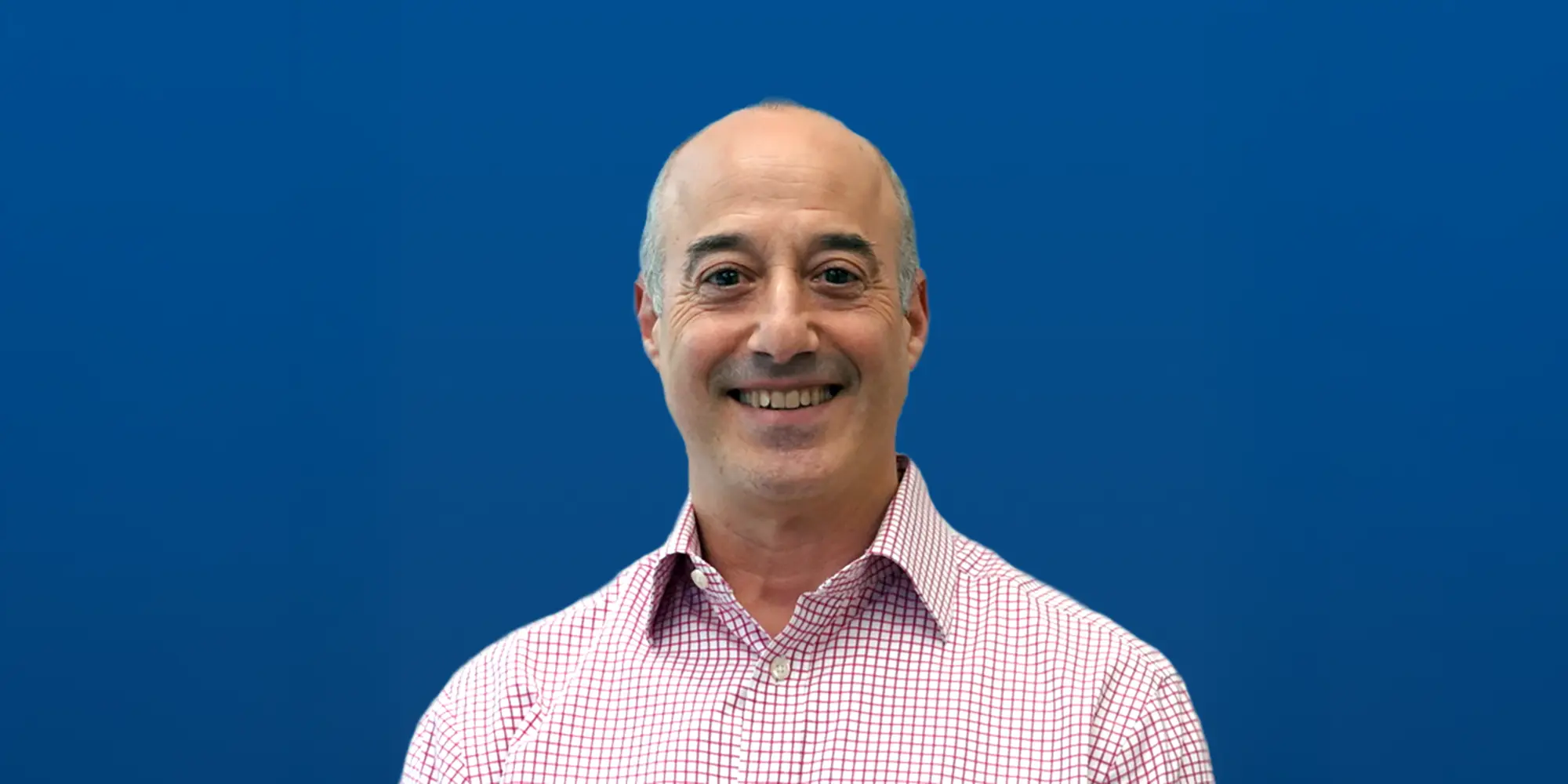
In this episode of The Curiosity Current, Stephanie and Molly sit down with Ed Kahn, Senior Principal of CX Research and Insights at Mutual of America Financial Group, to unpack one of the most common frustrations in the research world: the feeling of not having a seat at the table. Ed’s career spans more than two decades across consumer electronics, syndicated research, and financial services, with leadership roles at Samsung, Sony, MetLife, Citi, and now Mutual of America. With a foundation in anthropology and psychology and an MBA in finance and international business, Ed brings a rare blend of human understanding and business fluency to his work. Ed challenges the idea that access alone is what researchers lack. Instead, he argues that influence grows when researchers deeply understand how the business makes money, where risk truly sits, and which decisions matter now versus later. He shares real examples of pushing back on low-value research requests, reframing conversations around scale and impact, and knowing when an interesting insight belongs in tomorrow’s discussion rather than today’s decision. Ed also explores the discipline of relevance, the importance of being transparent about confidence and limitations, and why overselling research can quietly erode trust. He reflects on working in highly regulated financial services environments, where downstream consequences sharpen a researcher’s sense of responsibility and influence. The takeaway from this conversation is that earning influence often starts with a conversation, not a deliverable. By showing curiosity about colleagues’ roles, risks, and pressures, researchers build the context that allows their work to shape decisions long before a study is launched.
Transcript
Ed - 00:00:00:
We should never go technology first. It can't be technology first. As good as everything that we've seen and that we do today has become, it's still human first, right? The context around the business and what's going on with the people that we're working with day in and day out, that has to drive how we leverage creating a dashboard and how the design is gonna work for that and what we expect people to do with it and what we prefer that people don't do with it.
Molly - 00:00:34:
Hello, fellow insight seekers. I'm your host, Molly, and welcome to The Curiosity Current. We're so glad to have you here.
Stephanie - 00:00:42:
And I'm your host, Stephanie. We're here to dive into the fast-moving waters of market research where curiosity isn't just encouraged, it's essential.
Molly - 00:00:51:
Each episode, we'll explore what's shaping the world of consumer behavior from fresh trends and new tech to the stories behind the data.
Stephanie - 00:00:59:
From bold innovations to the human quirks that move markets, we'll explore how curiosity fuels smarter research and sharper insights.
Molly - 00:01:08:
So, whether you're deep into the data or just here for the fun of discovery, grab your life vest and join us as we ride the curiosity current.
Stephanie - 00:01:19:
Today on The Curiosity Current, we are joined by Ed Khan, Senior Principal of CX Research and Insights at Mutual of America.
Molly - 00:01:27:
Ed has spent more than two decades navigating some of the most complex industries from Samsung and Sony in consumer electronics to MetLife and Citi in financial services, where he's helped transform how organizations use research to guide real business decisions.
Stephanie - 00:01:44:
Most recently, he's become a strong advocate for empowering insights teams to not just deliver data, but to drive influence, especially when researchers feel that they don't have a seat at the table.
Molly - 00:01:55:
Today, we'll unpack how understanding risk and value can turn researchers into strategic drivers, why change requires patience and preparation, and what it really takes to earn influence with senior leadership. Ed, welcome to the show.
Stephanie - 00:02:09:
Welcome.
Ed - 00:02:10:
Welcome. Thanks so much. Thank you for having me.
Stephanie - 00:02:12:
We're excited. Well, Ed, let's just get things kicked off with a question here. You've spent your career generating insights that influence decisions across industries, from Samsung and Citi, and now Mutual of America. When you hear researchers or insights teams say things like, “We don't have a seat at the table.” What do you think it is that they're actually missing the most? Is it access, influence, a broader understanding of the business context and risk, or is it a confluence of these things?
Ed - 00:02:44:
I'm sure there's some confluence of things, but I think the largest one tends to be that deeper understanding of the business and understanding the risks or the broader context around the work that they're doing. So I'm a lucky oddity in a way that I studied social sciences undergraduate, but then went back and got a business degree. But you don't really need a master's in business to get a handle on, well, companies sell lots and lots of different products, and they sell a lot more of some than they do of others, and some products are more profitable than others. Some of them have bigger market opportunities than others. These are some of the things, right, that we understand as researchers and learn about, but those are the things that are really important to start to get into in order to be a really valued partner.
Stephanie - 00:03:31:
That's such an interesting answer, and I'm curious if that is information that typically no one will tell us, or if it's like it is simply your job to be more steeped in what we're doing as a business and just to be plugged in in a way that sometimes you might not because you get siloed in your role.
Ed - 00:03:48:
It's so important to ask questions. We're researchers. This is what we do, right? If we can figure out what we figure out, we can figure that out. Think about interviewing, right? Think about how you sketch out a survey and how you get started, right, or what are the more general questions to start with if you don't have some of those answers, and who are the people that you should be asking? Look around. Where are your best opportunities? Who is the most accessible? You referenced access. Well, some people are more accessible than others, so we may wanna start in one place and learn some things and then say, “Who else do you think I ought to be talking to?” And let them guide you a little bit. But these are really important aspects of the role.
Stephanie - 00:04:31:
Yeah. Absolutely.
Molly - 00:04:34:
And you said, who else do I need to talk to, right, and bringing those executives into your sphere of influence. So, researchers can do that when they better understand the risks and the values associated with any business decision. What does it look like when research teams actively quantify the risk, and does this change the way that executives listen and retain that information?
Ed - 00:04:56:
Oh, absolutely. We're speaking our own language, and I think it's really important to appreciate that, of course, we're trying to learn the language of the business and we're trying to speak in that language, right? We're trying to speak in terms of the sales or the profit or the business risk, but it's important for us to recognise that it's hard for people to understand us and understand a lot of the things that we're saying. So what it looks like really is that you're gonna have a deeper engagement. We get requests all the time. And I think about when I was on the vendor side, you know, a client reaching out to me and saying, “We need to explore this category more, and can you draft me up a proposal to examine such and such?” And I said, well, “Okay, but if I'm not mistaken, like, that's not your biggest business, right? Like, how big is it? What's your market share? What's the size of that market? What kind of money do you make on that product when you sell it?” And just doing things on the back of the envelope, what I figured out pretty quickly was it wasn't going to pay to do that kind of study. They would have had to double sales to pay for the cost of the study on the profit margin that they get. So now we're having a different conversation. Do we have a larger strategic initiative going on? What's happening, or is this just some tactical answers because the marketing manager is asking a couple of questions? What's really going on here? And if we have something with much more scale to it and we can add value not just within the next twelve months of trying to put product on the shelf, but something much bigger than that and make a significant move in the category and change our position, then they are wonderful opportunities and a fabulous study that we could run. But otherwise, I'm not sure this is the best thing to do, which is not easy to say, believe me, when you have a sales quota hanging over your head, right?
Stephanie - 00:06:47:
Oh, yeah. Totally. Yeah. I was about to ask if you were talking about that from the perspective of being on an insights team and brand, because it comes up there, too. But, I mean, suppliers also need to be able to have that conversation. I need to be able to say to a customer, to preserve our partnership, to say, “I understand why you might be asking this question, but you're not gonna get actual data out of this. This is probably not what you need in this case.” Your motives feel very torn, right? Because I want my business to succeed, but I also, for the long-term relationships, it's my job to be honest with you, right? I've gotta let you know as your thought partner when I think that you're not gonna get the value you need.
Ed - 00:07:26:
And that's the partnership that senior leaders are looking for, right? Those are the people that they want at the table. They want the people who can help them think through the big picture and where the value is and where the opportunities are, and to be able to step back and say, “Okay, not this one, right? Here's what we can do. Here's what we can't do. Here's how confident we're gonna feel in terms of the direction that we're gonna be providing.” You really have to be as transparent as you can about what your capabilities really are.
Molly - 00:08:01:
Yeah. And you mentioned language, too, about researchers speaking our own language, but having the basis of knowledge in that language and then being able to translate it to the executives and making sure that they can absorb it and listen and truly incorporate that into strategy. That's super important.
Ed - 00:08:18:
For sure. For sure. And so many of the things really are parallel. I mean, we do quantitative studies, and we talk about key driver analysis. Well, what are the key drivers of the business, right? What's really helping companies to make money and grow over time, right? What are the key drivers of that? It's a very similar and related question. Totally.
Stephanie - 00:08:38:
Yeah. That's a really good point. What about a situation where I think a lot of us have had this experience of uncovering, like this just really interesting, juicy insight or even just like this really clear picture of consumer preference, but struggle to connect it to real business impact? In your experience, what transforms an insight like that from interesting to a clear strategic lever?
Ed - 00:09:06:
Oh, that's such a good question. Partly because, as researchers, we find so much is interesting.
Stephanie - 00:09:12:
We do.
Molly - 00:09:13:
We have a problem.
Ed - 00:09:14:
We're super curious people, and we get so excited about so many things. But I think the most important thing, right, is to start with relevance. And I can think of actually a good example that we had here at Mutual. We did some message testing, very simple, straightforward kind of thing, but we're just gonna run a very simple campaign. And when I say simple campaign, that means we're putting up an image in front of people like a display, and we're showing the same thing to everybody, right? There's no question about that. Like, that part of the execution piece, given the timing and the budget and so on, like, we're past that, but what are the messages that are going up on that display, right? And in doing the study, we did identify that we had a segment of customers, and they're a fairly sizable segment of customers, who responded very differently to one particular message, and it resonated much more with those folks. So now we have something, and we kind of have to take a step back and say, for what we're trying to do right now and to get this program out the door, that's not relevant. That's not at the top of the key findings list. That's not helping the decision maker move forward right now at this time. However, it occurs to you when you look at that, that gee, what if we didn't? What if we did segment the messages? Could we get more lift out of that display by showing different messages to different audiences? So, it's more kind of the back-end or the appendix or tomorrow's conversation instead of today's, but we really have to pull those pieces together and just kinda try to stay as relevant as we can to be as powerful as we can in the moment, and then also bring the opportunities as we find them.
Stephanie - 00:11:06:
Almost sounds like insights prioritization.
Ed - 00:11:09:
Absolutely. And sometimes we don't know. So we can't always figure that out by ourselves, in which case you wanna find some little quarter of your audience that you can preview with and ask the question, “Hey. What would you do, right, if it really stood out that this particular portion of our customer base felt very differently about one of these statements, right?” You don't have to be specific about anything. But what would happen? What would you do? What do you think?
Molly - 00:11:38:
I wanna dig a little bit more into that part that you said about relevance and driving change. So you recently talked about 4 questions for driving change at a recent Quirks event, and I don't wanna spoil your fuel talk, so I just wanna focus on one. If you had to pick one of those four questions that perhaps researchers consistently fail to answer, which one is it? And is there a reason that they avoid that particularly tough question?
Ed - 00:12:04:
Well, there's no doubt about what the most important question is. When we're driving change, the most important question is, why are we doing this?
Ed - 00:12:13:
Why are we doing it? What is this really about?
Molly - 00:12:16:
That's like pulling back even further, like, why are we here, guys?
Ed - 00:12:20:
Why do we wanna change it, right? Why do we wanna change how we do in-market testing? Right? Why do we want to bring facial coding into a message testing study or whatever it is? Could be anything. And when we ask ourselves that question, sometimes for researchers, we think of these things as being a little bit self-evident, but that's to us. It's not to everybody else necessarily. And so again, right, it begins to come down this path of what does that mean in somebody else's terms. And I think one of the reasons that people have a difficult time with this is that we're such experts in what we do that we can appreciate when something can work better or can deliver more insight and deepen the understanding, And sometimes it really matters, and it's really gonna make a difference for your client, whoever that is, right, internal or if you're a vendor. But sometimes it doesn't, or sometimes it does, and they don't understand that. And it takes work to walk through that process and explain if we get this answer, but we only understand how well what's driving it, then in a sense, we might get the right result, but now we're being lucky. And how long can we count on being lucky? And how much trouble are we gonna get in when our luck runs out? Because we didn't really dive in.
Molly - 00:13:50:
For sure. And being truly intentional about it with a master plan.
Ed - 00:13:55:
Absolutely. And again, it's really gotta be collaborative, right? Because it takes time to learn. There's a lot for us to learn. There's a lot for our clients to learn, and it takes time. But I think in my experience, people really appreciate that effort in the partnership.
Stephanie - 00:14:10:
For sure. I love that you mentioned, though, that sometimes it matters and sometimes it doesn't, because I think, like, being aware of both sides of those coins is really important. I have a little example from Samsung. You and I both spent a little time there as strategic marketing managers, I realized. I recognized the title. I was like, that's their research title because I had it too. But I remember once that I had a more senior colleague. We were doing a color test for mobile phones. I worked at mobile. And I was like, this is only significant at 80% confidence. And she looked at me, and she goes, “Stephanie, they're gonna make the phone in one color or the other. Any evidence that suggests that this color is the better color is better than the coin toss that they were gonna do.” And having that, like, understanding of, like, how sometimes the tactical question, you know, good enough is good enough, but then being able to discern between those really strategic initiatives where you do need to have a stronger understanding is critical.
Ed - 00:15:09:
That's a great moment. What a great example, really, and so true, right? So powerful. If you give us any evidence, that's fabulous.
Stephanie - 00:15:19:
Right. It was better than nothing. Exactly. Again, to switch gears with you, this is a little bit of a contrarian question, I guess. But once you really begin to connect insights to decisions, are there times where it sort of becomes this fine line between advocating for research and overselling its ability to answer questions? And I wondered, how do you recommend that researchers communicate insight value without overpromising what it can actually deliver and that it's gonna solve everything, for instance?
Ed - 00:15:50:
So sometimes we have to remind ourselves, what we do is not perfect, right? We're sampling. We're testing. We don't get a 100% confidence. We're not a 100% right. And nothing is in business, so it's okay. It's normal. But 80% confidence, and 50% confidence, and 20% confidence; they are different things that we understand very well, and we really have to communicate as well as we can. We really have to try and be transparent about that. I had somebody come to me once, and he said, “I'm building out this portfolio of products, and don't worry about the products. They're gonna be fine. They're gonna be kinda mid-market. I'm not delivering the best, but that's not relevant, right? What's important is the portfolio. And I need to know because I'm gonna go work with my channels and tell people in your channel, right, in this channel, in this way, you sell this product to those people, and I need those answers.” And I said, “I'm sorry. I can't help you with that. I cannot give you that message in a confident and reliable enough way that I think you wanna go out and talk to your channels in that way about those things. Here's what I can do. If I run this study, here's what I can learn. I can learn some different propensities from different demographic groups. I can go you one better. We can run segmentation, and that will, no guarantees, but very likely, because it tends to happen this way. I can give you segments that you can talk to people about, where those propensities tend to get sort of a wider spectrum. They're gonna tend to run higher and tend to run lower because of the segmentation instead of like a simple demographic.” If I bring that to you, is that gonna help you? What does that do for you instead of going out the way you imagined going out? Can that work? Can we get someplace? It's really important.
Stephanie - 00:17:57:
So collaborative.
Ed - 00:18:00:
Like, we wanna be confident. But if we're gonna be confident, let's really be confident, right? Let's be really sure that we've done our homework. We've run down this program a few times before, and we've seen the kind of lift that somebody gets out of a marketing campaign or whatever it is.
Stephanie - 00:18:16:
But I think you're also, it's so powerful what you said about when you do have to say no. It isn't just a no and a walk away. It's like, here's what I can do, and what is that gonna get for you? Is that meeting a need? Is that getting you enough of the way there that it's valuable to you? I think that's a really valuable point to make because I think sometimes we can get in our, like, this isn't research or nope. We're not gonna do this, which is not helpful for getting a seat at the table, so.
Ed - 00:18:43:
For sure. And it's also such a wonderful opportunity for us to learn, right? That's when we start learning about business risk, because that's when somebody says, if I go in there and this is what I do because I don't know. That's not my job. That's that person's job. So if you go in there and this is how you say it and this is how you present yourself and you think for sure you're gonna close and then I decide I wanna send you in with something different, how does that change your chance of closing that deal? Where are you? How is this really gonna go? What do you think about that? Because that's the person who can answer that question. And ultimately, we're gonna learn it together, but that's such a wonderful opportunity.
Stephanie - 00:19:29:
Yeah. It really is.
Molly - 00:19:30:
And I wanna pivot with you a little bit again and talk about specifically your role and consumers and customers and serving them. I feel like there can be instances where even with very in-touch businesses, there's a lot of decisions in the ivory tower that's being made, and there's a lot of moving parts, but they don't actually consider the consumer and responding to their needs. So now that you lead CX Insights, which is, first and foremost, a customer-first mission, what makes the work that you do uniquely powerful for earning a seat at the table, especially in organizations where maybe research has been a little bit more of an afterthought or not historically prioritized?
Ed - 00:20:14:
Different organizations have different challenges, but I think what you're getting to is that, inevitably, everywhere you go, you run into people who think they know the answer. They believe that they know how customers are gonna react to something. They believe that they know what customers are thinking and whether they're likely to leave you in a relationship or not, right, or what your share of the wallet really is. They think they know, but it's not possible to know everything. And just like we can be wrong with any particular given study that we do or a particular question that we're trying to answer, guess what? The reality is that those people are facing the same challenge. And what if they are wrong, or what if something's changing that they don't know about? And the reality is, as researchers, we sort of know that in a measured, more scientific, disciplined way in approaching knowledge and understanding about customers, we're more likely to miss less and to understand better than somebody who's much more focused on the sales activity or the operations or whatever it is that they're involved in. When I came across this specifically in this role, somebody said,
I've been doing this for twenty years. How far wrong do you think I'm gonna go?”
Ed - 00:21:34:
Right? And the answer is, I have no idea how far wrong you could go.
Stephanie - 00:21:38:
You've gotta find out. Yeah.
Molly - 00:21:40:
Yeah. Humans can always surprise you.
Ed - 00:21:43:
Wouldn't you like to know just how far wrong you could go?
Stephanie - 00:21:48:
I wonder if this is your experience too, but one of the only things that I enjoyed about the COVID years was that it was the first time that people were not showing up being like, I already know this. Everyone was like, what is going on? And it was so freeing. You know? It was like, let's go find out, guys. Let's all do it together and just find out what's going on. Those are rare global events that happen that really create that kind of shake-up in the confidence of what's gonna happen in your industry. So I'm a little bit glad that I got to have that one experience. No more. I'm good.
Molly - 00:22:19:
Yeah. That's a really cool thing about research: when things are uncertain, and people panic, and it's a brand new experience, while our other companies are maybe shuttering, unfortunately, or having to cut things, we don't get cut, right? Like, the need for information is always there. It gets heightened in all these crazy times, COVID being a very extreme case.
Ed - 00:22:40:
Absolutely. And when people really respond to it, you know, it's sort of rewarding for everybody, even in an uncertain situation. Unfortunately, people don't always wanna follow what the best recommendation is. But, again, then it's partnership, right? I can't say, well, you know, listen. I can say that the data doesn't support that, but that doesn't mean it's wrong.
Stephanie - 00:23:03:
But that's you flagging up the risk, right? Which is, yeah, that's an important part of the process that I think that it's how you finish out what you're doing, right, is to say, here are the takeaways, here are the limitations. Right? This is the limitations of what I know. And I think a lot of times, we don't talk very much about those limitations.
Ed - 00:23:20:
Yeah. And I think it's important. Because it's important also for us to look back and to see, right? How reliable was that insight? How widespread an issue did we unearth in the usability test? And when we made the change that we made, let's look at the metrics. Right? We did a usability test because we had metrics that indicated we had a problem. There was a hurdle. There was something people were not getting past. There was something that people struggled with. So now we did our homework. We came up with some good opportunities. We may have even pretested some of those opportunities. It certainly appeared that it would be easier for people to do what they were trying to do, and then we implemented. And now let's go back and look at the behavioral metrics again, and let's see. How did that go? What did we get out of that? How well did that really work? It's really important because we're the ones that understand that process, and that's an important dimension that we're bringing to the table. People really count on us for that kind of expertise.
Stephanie - 00:24:22:
Yeah. They do. Changing topics a bit again. How can researchers use leverage technology, whether it's AI, automation, or even dashboarding, for communication, all these things that make our research faster, more scalable, and more accessible to our internal stakeholders. So, how can they do all that stuff without losing that human nuance and storytelling that tends to be the thing that actually persuades leaders?
Ed - 00:24:50:
It's a good question. And it has been a good question for such a long time. There's so many wonderful technologies that have enabled us to do so many more things over the span of at least my career, which I don't wanna think about how long that is, but so many things have emerged and are still emerging and will continue to emerge, and the challenge is, I think, just always to start with the human part. We should never go technology first. It can't be technology first. As good as everything that we've seen and that we do today has become, it's still human first, right? The context around the business and what's going on with the people that we're working with day in and day out, that has to drive how we leverage creating a dashboard and how the design is gonna work for that and what we expect people to do with it and what we prefer that people don't do with it. We have to have a really rich understanding around all of that because, let's face it, people can get themselves in trouble, and they have, and they probably always will. But, you know, it's funny. Sometimes I can recall people saying, are you sure you really wanna deliver, like, a software kind of a thing where somebody can just play with it and plug stuff in and do what they want and get results? And I said, let me think about it this way. Somebody could really go hang themselves with that. That is true, but I'm gonna do my best to help them understand how to approach that, what's good to do with it, and what's not so good to do with it. And by the way, if they go make a mistake and get in trouble, they're not gonna make that mistake twice. From now on, they're gonna come back to the research. They're gonna come back to the expertise, and they're gonna make sure they understand really well. And that's right. This is where the risk comes in in our roles.
Stephanie - 00:26:47:
Yes. And how you summed that up, it aligns so well with this line from the grit report that I cannot stop thinking about today, which is that AI and that could apply, I mean, I think it equally applies to automations and other things. AI is not the strategy. It is the infrastructure. And I think if we think about these things as the infrastructure, not the strategy, it sets us up to do all those things that you're talking about, right?
Ed - 00:27:12:
Yeah. Really well said, and I thought that report did it really well.
Molly - 00:27:17:
I think that pivots nicely into the question that I've been dying to ask because this is just my favorite one, because I feel like so many researchers and other professionals have experienced a situation like this where a decision has been made above our pay grades, and now we're just stuck validating an inherently bad idea. And it's something that we don't wanna do. We want the data and the research to be more proactive and not just a defense maneuver to justify something that probably was not wise. For you, what's one simple process change once you've established that cadence with the executive team, once you have your seat at the table? What's something that an organization can do that doesn't require a whole new insights department to ensure that the data is done a little bit ahead of time and that you're not just validating something not great just for the sake of covering our butts.
Ed - 00:28:09:
It's hard. It's really hard.
Molly - 00:28:11:
For sure.
Ed - 00:28:12:
And as a researcher, right, it shakes you down to your bones. You're kind of like, you want me to do what?
Stephanie - 00:28:17:
Yeah. It's hard. Yeah.
Ed - 00:28:19:
And I had a client once. It was really interesting, and that wasn't a small study. It was quite sizable. And it was funny. There was back and forth as we developed the questionnaire and talked about the approach, and something just felt a little uncomfortable and suspicious to me. And I finally picked up the phone one day, and I called up, and I said, “Is there a correct answer to this? Like, we're gonna evaluate three different options. Like, is there a correct answer?” And he said, “Yeah. As a matter of fact, there is.” So I said, “Alright.” I said, “The first thing is, don't tell me what it is, but I wanna be aware of this.” And so it's interesting when you talk about the process change. Well, there's only so much we can do. So we try to get in front of things. We try to keep in touch with our clients, right? We try to connect, to learn, to understand what's going on, to keep up, and to be in front of the decisions that are gonna get made in the future, but it's gonna happen. And it will happen, and there's only so much you can do to stop it. But the way that I think about this is, okay, so there's a process that, for whatever reason, at whatever particular moment in time, I wasn't able to fix or to change that process. But now what I'm gonna do is I'm gonna change my own process. I'm gonna relook at what is it that I'm doing? And how can I still be helpful? How can I generate value from doing that work? And how can I provide helpful, valuable insights that very likely suggest to those people that they're really in the wrong place on this one? But to give them the knowledge that helps them understand that, and maybe just helps them do the best that they can with the choice that they've already made, right? Let's make the most of it.
Stephanie - 00:30:11:
Right. Eyes wide open into the risks, right?
Molly - 00:30:17:
And there's probably a lot of financial investment, intellectual investment into a lot of these things. Like, let's figure out what we can do with those guardrails that we know are already around us.
Ed - 00:30:26:
Absolutely.
Stephanie - 00:30:27:
We haven't talked too much about something that I'm always fascinated about, because my partner also works in the financial services industry. What I know about it more than anything is that it is an extremely complex regulatory environment that really does require this deep understanding of risk and regulation and long-term value in a way that I think, like, if you were in an insights position at a CPG company, you might be less inclined to be exposed to just by virtue of it being an industry that is less regulated than financial services. So it tends to make me think that you guys might be a little ahead on this stuff. And I wondered, is there anything that this industry has taught you about influencing decision makers that other verticals could learn from?
Ed - 00:31:10:
Did you say that as an industry, we'd be ahead of something?
Stephanie - 00:31:13:
Well, because you're so attuned to regulation and risk in a way that you don't have to be as much in other industries. Yeah.
Ed - 00:31:20:
So, let's start with this. I hope that we're not ahead in that way, that everybody else is ahead of us and won't have to deal with everything that we have to deal with. But what it does teach you is just how big the big picture can be. I mean, sometimes it's astounding, and you realize, oh my goodness gracious, I wanna set up an interview with a client. We're gonna talk about x, y, and z. And then the compliance person says, “Well, what if they say this? What are you gonna do?” I'm like, I don't know. What do you want me to do? But I didn't know there was an issue there until I asked, and you don't necessarily know who to ask. So one of the things that I think, honestly, is really valuable for, as an experience in your career, in my career, is it's really just open to my eyes to the downstream impact that can exist on anything that you study and anything that you deliver. You produce a report, and you do it for a purpose, and you do it at a particular time, but what you don't know is that somebody may go look at that later on, and there may be other downstream activities that are happening somewhere when the communications team that the marketing department decided to share with PR that you don't know about. And my goodness, what could happen then? Because we weren't thinking about that, we weren't speaking to that necessarily, and now we're in a whole other world, in a whole other language, and do they understand what it was that we said? So you gain a tremendous amount of sensitivity to just how much influence you might really have. You might not even realize how much influence you really have, and I think that's a real factor for a lot of research. I think people in our industry, a lot of them, don't appreciate how much influence they really do have.
Stephanie - 00:33:10:
That's fascinating.
Molly - 00:33:11:
I love that. All of our researchers listening right now should absolutely take a confidence boost from that because you are totally right. You have no idea how many places that report is being shared, how many departments are saying, “Hey. Take a look at this. Just factor some of this. Factor this section into your decision making, into your everyday work. This is what's happening next for us.” That's gonna stick with me for a while.
Ed - 00:33:33:
Yeah. And it's wonderful when you find out, right? It's wonderful when somebody comes to you and says, “Hey, I saw or I heard you said...” That's fabulous, but 9 out of 10 times, it doesn't happen.
Stephanie - 00:33:45:
Let's take you through one of our recurring segments if you're good with that. Okay. So the question is, it's a two-parter, in your experience, what is one trend or practice and insights or market research that you would like to see stop, and what's one thing you would love to see more of?
Ed - 00:34:05:
Oh, I'm gonna say, in a way, it's the same thing. What I would love to see more of is people looking at the data that they have available. Let's really be mindful of just how much we know, or we can know that it's available to us. And if we can use that to take a single question off a single survey, it's good because that's the part I'd like to see stop. What I'd like to see stop is sort of the default of, well, let's just ask that question. Well, let's just go ahead and have a survey here. I think there are so many opportunities. There's so much information. There's been such a tremendous explosion. And then, of course, there are studies that we don't run, right? There are industry studies going on that we may be able to borrow from that may save us a little bit of effort, or if nothing else, that just save us a couple of questions out of the survey that we're already running. But anything and everything that we do because surveys are work. Research is work, right? It's work on our part, but it's work on the part of our customers. And I'm all about that value exchange, right? I believe a thousand percent people really get things out of participating in a variety of ways, and that's extremely important. But any teeny tiny little thing that we do to lighten that load improves the balance, right?
Molly - 00:35:32:
And also improves the survey taker's experience also.
Ed - 00:35:36:
Absolutely.
Molly - 00:35:37:
They don't wanna answer the same billion questions a billion times.
Ed - 00:35:40:
And that's an experience sensitivity that we get. So, it's interesting coming back to something that you had inquired about before, right, in terms of helping the organization to grow. As we work through the process, as we build out an infrastructure of capturing customer information at different touch points and in relationship surveys, I have that conversation. I challenge the questions and say, are you sure? Like, what if we get a terrible rating? Then what? What if we get a great rating? Then what? And I wanna be really sure that you guys have every intention and every capability. Like, you may have the best of intentions, but no capability. If we can't do something, let it go. If you cannot take action, let it go. Today, let it go. If we can come back and do this differently because we're in a different place next year, that's awesome. We'll do that. I just want to get it out right now and just keep this as clean and sharp and as powerful and valuable as we can because it's better for the customer and truly you're going to get a better result in the survey effort because it's cleaner and because you're telling people, you're really communicating to them what you need help with, what is it that you want them to help you with because they're taking it, they are telling you they want to help you. So let's make it as easy as possible, and you'll get the best result, and they'll get the best result, and we're all gonna feel good.
Molly - 00:37:14:
But I mean, it's also tempting to say, well, I just wanna know. Like, I'm just curious. I just, I wanna know about this. But you're totally right. If you can't do something about it, what's the point of knowing it at that moment in time? At that moment in time.
Ed - 00:37:26:
At that moment in time. And we have to think long term, like, in terms of the business and your key drivers. How important do we think that dimension might really be? Maybe if we have a conversation about it, maybe we're really underestimating just how important it could be, and maybe we really ought to check just to be sure. Or maybe we're pretty darn sure, and let's just try to sort out some other issues first and keep things simpler, and then we'll come back and we'll explore that later.
Molly - 00:37:57:
And that's a super important takeaway that I feel like can be a whole other topic, but I know that we're getting close to time here. And so thank you so much, Ed, for all these wonderful insights. To wrap us up, we've kind of all been distilling down to, I feel, this one question because I think it's really important for our audience out there to have an actionable takeaway that they can implement and work on in their careers and in their industry and in their companies. So what could they do right now to move from the outside to that inside circle of influence? How can they work on those partnerships more deliberately with their clients? What's a high impact action that they can take in, let's say, the next 30 days to help them move towards earning that seat? And we know, based on what we were just talking about, it's not by delivering more data. It's not by providing more spreadsheets and more dashboards. I don't think anybody needs more of those, but it's by demonstrating value, right? So, what's like a big value add that researchers can take to the table?
Ed - 00:38:57:
Go have coffee. That's gonna sound really silly.
Stephanie - 00:39:01:
Say more.
Molly - 00:39:02:
Yeah. I was gonna say, don't leave it there.
Ed - 00:39:07:
Or tea or a soft drink if you like, but it's all good. But reach out. Reach out to someone in your organization, and you can start anywhere. And I will say, don't start too high, right? Okay. So, yes, I went and had coffee with the CFO, but that meeting got rescheduled, like, 50 times before we actually sat down and had a conversation. So don't start there, right? Start someplace that's a little bit easier, but really just grab a couple of minutes with someone and say, “Hey, I am not that familiar with your role and what you do and how that fits into the business, and I would really like to understand that better.” And it's an opportunity for you to learn, right, to ask questions, to improve the value that you're gonna bring to the table. It's also a wonderful opportunity for that person to kinda promote and to talk about just how interesting and how exciting and how valuable what they're doing really is, and for you to get some appreciation about that. But it's going to help you. It's going to help you understand the bigger picture and poke around. Go anywhere. Don't be shy about it. People are remarkably willing to do that. And when it comes to access, I know I hear people say, well, I feel like I can't get somebody's ear for something. So, well, what if you traded a cup of coffee for that ear for 10, 15 minutes? Like, does that help? Did you try that? Because it can help. You never know. And this is what we do, right? It's not like this isn't fun. We're learning stuff. We're studying. We're doing research. This is what we do, and we're really good at it. We know how to formulate great questions that are gonna bring things to the fore and help people express themselves and talk about value and value to the business and the bigger context. So I think that's really the best thing that people can do is go connect with your colleagues in any way that you can, but that's a really good one. It works for me, and I've gotten a tremendous amount of value for that. And from this experience, thank you so much for inviting me. This has been a lot of fun.
Stephanie - 00:41:12:
No. Thanks for coming on. It's been great.
Molly - 00:41:15:
Thanks for coming on. And that was a surprising answer. I don't know if I was entirely expecting because it's so basic in some ways, but also really nuanced in other ways. It's taking that researcher curiosity because it's a curiosity about humanity. That's what really this profession comes down to, and it's changing it to just be about the people that you might take for granted around you. So, I love that to close us off. Thank you so much for that.
Ed - 00:41:41:
We have to be who we are. It's what we do, and we're good at it. We really are. Like, pat yourself on the back. You're a researcher. You're a professional. You're good at it. And when you go out and have that conversation, people will recognize that. You will build trust, and you will grow invitations to come and to sit and to participate and to get engaged and involved.
Molly - 00:42:04:
Ed, have you considered, like, starting your own podcast or talk series about just, like, raising spirits and, like, being a personal coach? Because you should absolutely do that if this research thing doesn't work out for you.
Ed - 00:42:17:
Well, the research part is going okay, so I don't wanna mess with that. I haven't, but I'll make a note about that if you think it can work.
Molly - 00:42:27:
We'll talk.
Ed - 00:42:28:
I'll have to think that over a little bit.
Molly - 00:42:31:
Well, thank you again, Ed, so much for your time and for joining us on the show today. It's been a really wonderful conversation.
Ed - 00:42:37:
Thank you. Wonderful meeting you, and I appreciate the time.
Ed - 00:42:40:
Good luck.
Stephanie - 00:42:41:
You too. Thanks.
Outro - 00:42:43:
The Curiosity Current is brought to you by aytm. To find out how aytm helps brands connect with consumers and bring insights to life, visit aytm.com. And to make sure you never miss an episode, subscribe to The Curiosity Current on Apple, Spotify, YouTube, or wherever you get your podcasts. Thanks for joining us, and we'll see you next time.
Episode Resources
- Ed Kahn on LinkedIn
- Mutual of America Financial Group Website
- Stephanie Vance on LinkedIn
- Molly Strawn-Carreño on LinkedIn
- The Curiosity Current: A Market Research Podcast on Apple Podcasts
- The Curiosity Current: A Market Research Podcast on Spotify
- The Curiosity Current: A Market Research Podcast on YouTube






.jpeg)


