


Description
In this episode of The Curiosity Current, host Stephanie speaks with Matt Salem, SVP of Customer Success at Behaviorally and co-author of unPACKED: Predict Packaging That Sells. Drawing on over two decades of behavioral research, Matt shares how packaging serves as a brand’s silent salesperson, shaping attention, emotion, and purchase decisions at the moment of choice. He introduces the Four-S Framework: Seen, Shoppable, Seductive, Selected, a behavioral model that helps brands design packaging that wins on the shelf and online. Matt explains how visibility captures attention, shoppability simplifies navigation, seduction communicates difference, and selection confirms success through real buying behavior. He also discusses PAC AI, Behaviorally’s predictive engine built on decades of human shopping data, which allows brands to test and refine designs with accuracy and speed. The conversation extends into e-commerce, where mobile-ready hero images, size cues, and optimized visuals redefine what works in digital retail. Matt highlights how post-purchase moments, from ergonomics to everyday usability, reinforce brand loyalty and repeat buying. He emphasizes the need for a shared language across research, design, and marketing teams, reminding listeners that packaging sells when powered by behavioral insight and consistent measurement.
Matthew - 00:00:01:
We've seen it time and again over decades, and our database is built on these metrics. And that database is really the power behind the modeling that we're putting together. With that being said, it's more of the lens and the interpretation of those measures and where you should really target your priority.
Stephanie - 00:00:20:
Welcome to the Curiosity Current, the podcast where we dive deep into what's shaping today's trends and tomorrow's consumers. I'm your host, Stephanie, and I'm so glad you're joining me. Each episode, we tap into the minds of researchers, innovators, and insights professionals to explore how curiosity drives discovery and how discovery drives better decisions in an ever changing market landscape. Whether you're a data enthusiast, a strategy pro, or like me just endlessly fascinated by human behavior, this is the place for you. So get ready to challenge your assumptions, spark some fresh thinking, and have some fun along the way. Let's see where curiosity takes us next with this brand new episode.
Stephanie - 00:01:06:
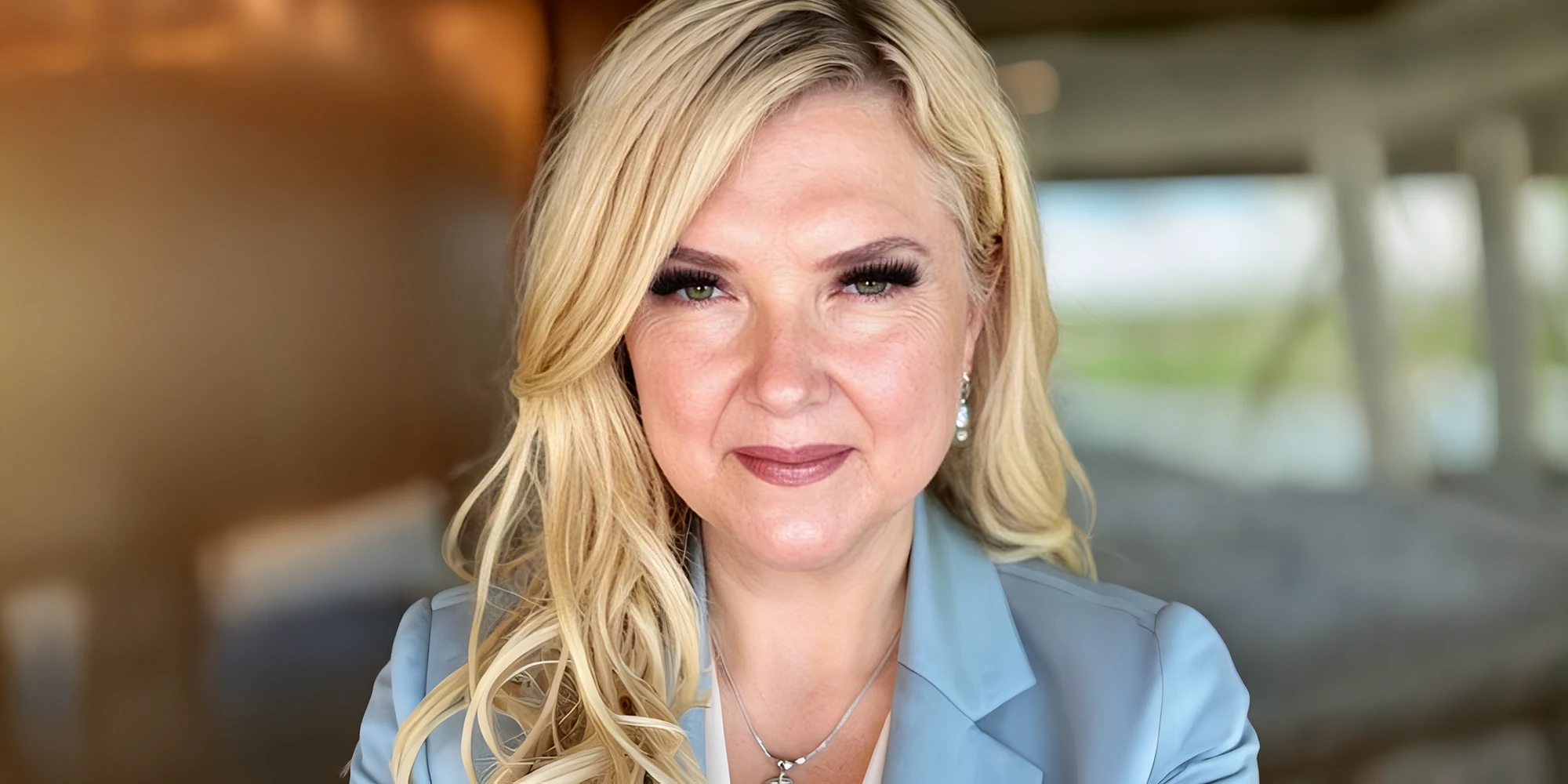
I'm so excited to introduce today's guest, Matt Salem, SVP of Customer Success at Behaviorally. Behaviorally is a market leading data intelligence company helping world class brands create truly impactful packaging. Matt has spent over 20 years researching how packaging influences shopper behavior. In partnership with Alex Hunt, CEO of Behaviorally, Matt has distilled decades of behavioral research into a new book, UnPacked: Predict Packaging That Sells, revealing how brands can design packaging that works at the most critical moment, that moment of choice. In today's episode, we'll explore how to predict what packaging will sell, how to avoid costly packaging missteps, and leverage insights, behavioral science, technology, and AI to turn packaging into a competitive advantage. Matt, welcome to the show. We are so happy to have you today.
Matthew - 00:01:59:
I'm extremely happy to be here. Thank you so much for having me, Stephanie. It's a pleasure to be with you.
Stephanie - 00:02:03:
Thanks so much. Well, I just wanna start by saying I read your book and I absolutely love it. I think it's spot on. And I also think, I work outside of packaging, that there's so much applicability, particularly in terms of a blueprint for an approach to other areas, fast moving iterative research like product design. So, you know, if you get bored, you might wanna branch out.
Matthew - 00:02:28:
Really glad that that's your take because that's exactly the intent that we had when we authored the book. I mean, aside from wanting to distill the knowledge that we have in terms of packaging specifically, we were hoping that our readers would see it as a fundamental way that you could address other areas of the marketing mix and, you know, using the engine that we put forth in the book to do so. So very happy to hear that, and thank you for that.
Stephanie - 00:02:48:
Love that. So to really kick us off with the interview here, packaging is often called the most constant touchpoint for brands, but it's frequently overlooked in strategic marketing discussions. Why do you think that is, and what should brands or how should brands start thinking differently about this critical moment of consumer interaction?
Matthew - 00:03:09:
Yeah. Yeah. I mean, look, in the most minimal way, I think packaging could be overlooked because it's thought more so as a vessel to get the product to the consumer. Right? So it's like it has to protect the product, it has to work logistically to fit as many as possible on a pallet to ensure that we have, you know, logistics that are efficient, etcetera. But, you know, clearly, most brands and certainly the largest CPG companies in the world see packaging for what it is. The silent salesperson, as I like to call it. Right?
Stephanie - 00:03:37:
Yeah.
Matthew - 00:03:38:
It's going to really promote at the end of the day buying, and I'd say that's at the heart of the book that Alex and I coauthored, which is, you know, we predict packaging that sells. And why are we doing that? Because packaging drives buying. So as businesses realize the importance of packaging and it becomes more and more a critical component of the marketing mix, there's more attention being paid to it. And I think the reason why that's changing is because businesses are really seeing, one, that research on packaging can create actions that lead to those sales, and two, with the implementation of approaches such as the one that we suggest in the book, you can now start to calculate the ROI that you would get from packaging as an isolated piece of that marketing mix.
Stephanie - 00:04:26:
Right.
Matthew - 00:04:27:
So while it's certainly not the only component, we would argue it's one of the most important components, if not the most important component, and we would also argue it's the one that you have the most control over. So, clearly, if you can influence packaging in that way because you have control over it, well, then you have that ability to generate sales.
Stephanie - 00:04:45:
That makes sense. And do you mean, like, in contrast to things like shelf placement, where you're gonna get, kinda be locked in to placement based on a myriad of things that are outside of your control?
Matthew - 00:04:57:
Yeah. Absolutely. I think that's a great example. I mean, we think about merchandising in the aisle. There's definitely other cooks in the kitchen, so to speak. More often than not, you're trying to satisfy your buyers, you know, the CPG companies are trying to satisfy their buyers. They're gonna have their own points of view. They're gonna have their own category captains that may dictate more so than others in terms of where you get placed in the aisle, their own initiatives where they're trying to maybe, you know, delist certain SKUs to make room for others. And, you know, you're gonna meet all of those challenges when it comes to merchandising but with packaging, you can really control that more so. So I think that's a great example, Stephanie, that you gave.
Stephanie - 00:05:35:
Super interesting. Okay. So I wanted to talk a little bit about you know, I do think that there are certainly, you know, marketers who are still relying on, some on instinct, but even those who are doing research on aesthetic preference, what I think of as appeal, right, when designing packaging. From your experience, what's the danger in that approach, and what's a better approach that can help brands avoid costly missteps or repeated redesigns?
Matthew - 00:06:03:
Yeah. Yeah. So aesthetics is important. We don't wanna say, you know, if you get attention at shelf, and drive attention at shelf because you're an unfavorable looking pack, for example, you know, that while you're getting attention, that's still not a good thing per se. You know, an analogy that I often give is, sadly, sometimes you may be driving down the road and see an accident, and you look at it and you're paying attention to it, but it's not a good thing. Right? So we wanna be attractive as packs, but moreover, it goes beyond that. It goes to what drives behavior, and there's other core elements that we have seen over the years that drive behavior, and it's primarily tied to metrics that involve observation of behavior. Right? So when you're observing behaviors, we know that what people do doesn't always line up with what they say or what they say they do.
Stephanie - 00:06:53:
Certainly.
Matthew - 00:06:54:
So we rely much more heavily on what they do and observation. It's not to say we ignore what shoppers say. We certainly wanna hear everything that they have to tell us but at the same time, we look at it on balance with more emphasis towards those behavioral metrics. With regard to, you know, avoiding the missteps, if you will, I think it really comes down to understanding what your brand is built on if you're an existing brand. And if you're a new brand that's coming into a category, it's having that information, having that knowledge to ensure that as you go into design, you have a brief that's driven by what shoppers are telling you, our opportunities, our pain points, understanding that shopper's path to purchase, and really having something that can then guide the design moving forward rather than, hey, there could be a bunch of smart people in the room, but we know we have to listen to our consumers, and it all starts there.
Stephanie - 00:07:44:
Makes a lot of sense. One of the organizing principles, and I feel like everything you're saying is sort of, like, touching on this in a way, but of the book, is your 4S framework. I wondered if you could talk a little bit about that framework and how it can be leveraged, you know, to predict successful packaging.
Matthew - 00:08:02:
Yeah. Thanks. That's a great next topic. And the segue from, you know, what they do and what they say goes right into 4S because that is essentially what that is made for. It is to focus on observation, but also take in what shoppers say. So I'll expound on that a bit. The four S's, it's being seen, shoppable, seductive, and selected. And three of those four S's do focus on behavior, so clearly being seen. Right? We're measuring that in research with the physiological response of the eye through eye tracking and understanding what's grabbing attention within full aisle context. After you grab attention, that's not enough. Hence, the, you know, analogy that I provided prior with the attention can be for bad reasons. Right? So you have to go beyond just grabbing attention. You wanna be shoppable in the aisle. You wanna make sure that you're shoppable not only within your own brand's portfolio so that shoppers can delineate and understand the variance that you offer, the differences between them, but perhaps even more importantly versus the competition. Why am I buying your brand? Are you satisfying the costs of entry but at the same time, are you providing a point of difference so that shoppers wanna pick you up and wanna put you in the cart? And that's that full seduction idea. You know, providing the communication, whether that's through visuals or through copy points or different means that work together on pack through design to grab shopper attention first, the visibility part, help them understand that there's a difference between the SKUs within the brand and the competition, the shoppable part. And then from there, going into seducing them with that messaging or those visuals that really prove there's a point of difference and ultimately driving the S that trumps them all, if you will, selected, which is being bought off the shelf. And, you know, those first three S's all culminate to drive selection, and that's the most important metric that we capture in our research and in our database. We've seen that buying from the shelf through a behavioral observation experience where we're observing shoppers in full context is most indicative of what happens in the marketplace.
Stephanie - 00:10:05:
Interesting. So when you talk about, like which you do in the book quite a bit, predictive analysis, is that really what you're predicting at the end of the day?
Matthew - 00:10:14:
At the end of the day, yes. We're predicting the likelihood of them buying. But when we get into the modeling that we do, not to jump ahead too much, perhaps, but when we think about the way that we set up the book in terms of speaking to the engine that we have that we're looking to drive packaging prediction and predict packaging that sells, yes. Ultimately, what we're laddering up to is, are you bought? But then importantly, we're grounding that with real world sales data. So if you're being bought in the research, did that lead to also being bought in real life? And that's, I think, a critical component to the modeling that we're putting together.
Stephanie - 00:10:49:
Sure. Yeah. That makes a lot of sense. Okay. So switching gears just a little bit, and this is a two parter. It struck me when I was reading the book that well, because you talk about it a lot, that established brands and emerging players can, and really must think about packaging in fundamentally different ways. I was wondering if you could talk a little bit about that. And then related, you know, these big legacy brands that are seeking to modernize packaging, what does that balancing act look like? It feels like it's a little bit fraught with risk because you don't wanna alienate existing customers, but your goal in that modernization is, of course, to attract new customers.
Matthew - 00:11:28:
Yeah. Yeah. For sure. So I love that you bring up that there's some fundamental differences, and you're absolutely right that there is when you think about redesigning, say, for an existing brand versus bringing something new to the marketplace that doesn't exist. Interestingly, what we use in order to gauge relative success is going to still be that 4S framework. So it's not that the metrics themselves change, we know that these metrics drive success within a shelf environment. We've seen it time and again over decades, and our database is built on these metrics. And that database is really the power behind the modeling that we're putting together. With that being said, it's more of the lens and the interpretation of those measures and where you should really target your priorities. So for example, if you're a large existing brand, one I always like to throw out there is Tide detergent. You know, quite literally uses a bull's eye on the pack to a degree. It's bright orange. It really stands out in the aisle. There's a huge family of products that complement it. If you're trying to say, understand visibility in research, well, we don't wanna ruin what we have, but improving visibility could prove to be a challenge because you're close to the ceiling at this point.
Stephanie - 00:12:43:
Top down. Yeah. You have a large share of stock.
Matthew - 00:12:45:
Yeah. Absolutely. Absolutely. So when you think about the amount that you'd wanna pull the different levers of the 4S's, if you will, it varies and for that existing brand, it's probably not as much about being seen. It's more so about the shoppable piece. So maybe there's some new line extensions entering into the portfolio. Can shoppers quickly see the difference and take in, hey, there's something different going on here. Let me investigate further. And then is it seducing? Is it providing that clarity that's needed in terms of, well, what makes it different? Why should I even entertain buying it? So those would be the levers that you might focus on a bit more when you're a larger existing brand. Whereas, by contrast, if you're a small new entrant into a category, almost by rule, you're getting literally a few facings on the shelf, right? The share of shelf that you're gonna get is gonna be so much less than those existing brands. So it's gonna be absolutely critical to fight for visibility in the aisle. We need to make sure we're seen first and foremost. Get eyes on us. From there, what we wanna do is then, of course, communicate clearly, but it might not be as much as shoppable because you don't have a lot of variance at that point. It might just be more about visibility and getting that key message across. So same metrics that matter and then ultimately, of course, being put in a card for both examples
Stephanie - 00:14:03:
Yeah.
Matthew - 00:14:04:
But a little bit of a different interpretation. So with that and thinking about what brands have to kinda watch out for and think about as they go in and redesign perhaps particularly for existing brands, I'd say it's really understanding those visual equities that exist and not straying too far. I think the mistakes that we've seen time and again over the years, despite all of the good intent and design, is that when you stray too far too soon, it can cause shopper confusion. And when shoppers get confused and more and more as the days go by because people have less and less time, they're just gonna kinda give up and look elsewhere.
Stephanie - 00:14:45:
Sure. Yeah. No.
Matthew - 00:14:47:
So, well, yeah, it's a balancing act for sure in terms of design. You know, for new items, I'd say that it's a bit different. It's more about understanding, well, how can we break through? How far can I go? How revolutionary can I be? Because we know revolutionary change is more likely to grab visual attention at minimum. Sometimes it might work to break the rules within the aisle. Sometimes it may not work. So that's where the research comes in clearly. You have to talk to your shoppers. You have to understand how they're shopping in their category.
Stephanie - 00:15:16:
Yeah. For sure. And it sounds like, it's like you're almost, you weigh the 4S's a bit differently depending on if this is a challenger brand or if this is an established brand that's already, like you said, killing record, like, they've got it, what is the first S again?
Matthew - 00:15:33:
Seen. Being seen.
Stephanie - 00:15:34:
Yeah. They're seen. Yeah. That part, they've solved. They're done. Right? Yeah. So.
Matthew - 00:15:39:
Absolutely right. Different weights, different interpretations. And, really, when you think about, kind of, the standards that define success for a particular brand in research, you would set those standards differently depending upon your brand size amongst other objectives that may be in consideration.
Stephanie - 00:15:54:
Makes a lot of sense. One of the questions that I had is, what kind of challenge does the rise of ecom pose for packaging design? You know, I think brands usually wanna keep one cohesive package across all their channels. Challenge me if that's not how you know, if that's not true, though. But how does that work then when we know that what works at a physical shelf is not always the same as what works in an ecom environment?
Matthew - 00:16:22:
Yeah. Sure. So that's something that we actually think about a lot too. And, you know, when we talk about the models that we're putting together to predict packaging success, a lot of the models that we put together are trained on FOP, front of pack data as seen in a brick and mortar shelf set environment. So that could be mass merchandise or it could be grocery, but typically just on the shelf in a store. However, we're also utilizing modeling to look at ecommerce, and ecommerce is a bit different to your point. One of the main things that we see differ in ecommerce is that varying visuals can be used to portray the FOP, meaning, brands aren't necessarily taking the exact front of pack image and placing it into an online environment.
Stephanie - 00:17:06:
Okay.
Matthew - 00:17:07:
They are likely to optimize the image in some way, shape, or form. So for mobile phones, there's mobile ready hero images. So they're gonna work a bit better when the thumbprint isn't as big. There are, you know, optimized type images that leverage different parts of the pack in different ways. So you might dial up the variant even though in real life, you're not calling out the scent as large on the pack. Online, if you're a deodorant, perhaps that's what you wanna emphasize. It's like, hey, let's say Old Spice, shoppers know me well better than Red. Shoppers can recognize my brand from my visual equity quickly. I want them to really get the different sense because that's what we know once they come in, they're gonna be looking for next. So maybe I'll dial that up on that image online.
Stephanie - 00:17:53:
Yeah.
Matthew - 00:17:54:
Even though in real life, it's not dialed up as much. And maybe I'll even go with a three quarter view, like, I'll cut off the bottom of the pack to make it even a little bit larger. So you emphasize different elements, or you may even emphasize count, you may even emphasize size by adding some additional information in the margin. I'm sure you've seen online sometimes. There might be a little square on the bottom, right? No. 30 ounces just so you know what you're getting.
Stephanie - 00:18:17:
Totally. Yeah. That's a major difference I was thinking about is that you really have the opportunity to get a lot more information in ecom, you know, around the pack. Yeah.
Matthew - 00:18:27:
Absolutely. Absolutely. So it's interesting to see the dynamics in the ecommerce environment and how brands are taking front of pack images and really kind of tweaking them in order to facilitate that experience. I mean, me personally, you would think it might not happen to me because I do this for a living, but it's happened to me where I'm a whole bean coffee drinker, I go online, I go to Replenish, and I buy the Ground by accident. And, you know, it's like, I'll be damned if I didn't select and they shipped me the wrong one. No. They shipped me the right one because I went back on my purchase history and I selected Ground somehow. And it's like, if they could dial that up, like, that's an instance of where there could be a bit of misattribution from shoppers and the solve would be, well, maybe you dial that up a little bit online for people that aren't paying attention like myself.
Stephanie - 00:19:14:
Well, what a great outreach opportunity. Right?
Matthew - 00:19:17:
Right. Right. Absolutely. Absolutely.
Stephanie - 00:19:21:
That's great. Related to all of this, consumer expectations and shelf behaviors are evolving rapidly. From your research, what are the most notable changes that you're seeing in how shoppers make choices today, and how should brands be adapting their packaging strategy in response?
Matthew - 00:19:39:
Yeah. That's a great question. So maybe not necessarily touched on in great detail in the book, but it's certainly just the culmination of the ZMOT through SMOT shopping trip, meaning, you know, that zero moment of truth where shoppers are pre-planning. Obviously, that first moment of truth is just where we place the lion's share of our focus, certainly from a modeling perspective, but also just generally within our research. And then that second moment of truth when it comes to fulfillment, and I think it's taking all of those areas into consideration and leveraging some other tools that we have here within the business in order to help understand that shopper mission and that shopper trip and what really drives shoppers in the first place. What are they thinking about? What are the reasons they're looking to buy? What are they looking for in the aisle? What are the, as has been made famous at this point, the jobs to be done, if you will, that we need to understand and address for shoppers? So, you know, with that being said, there's this interaction of different touch points within the shopping experience, particularly on mobile. How many times have you been in the supermarket and you see other people looking stuff up on the phone? I mean, I personally do that quite often. I'm in the aisle, and I'm like, is this a lot cheaper on Amazon right now?
Stephanie - 00:20:53:
Right.
Matthew - 00:20:54:
I thought I got it cheaper on Amazon. Let me check real quick, and then it might not end up in my cart. And, you know, I think brands and even merchandisers are needing to take that into account in order to ensure that they keep the items on their shelves going into shoppers' baskets. And it's that whole interaction, I think coming into play that really interests me, to be honest.
Stephanie - 00:21:13:
Yeah. No. That's super interesting to think about. One of the things that I, and I mentioned this to you when we met, but you talk about the power of packaging across the entire customer journey, which I love because I don't think I've been exposed to that notion before, I'll just be honest. But it got me thinking about the important post purchase sort of packet, how important post purchase packaging experiences can be. Literal unboxing experiences, for instance, or packaging like a toothpaste tube that stays with you over the course of the product usage. How do you weigh that sort of post purchase experience, you know, second moment, if you will. Is that what you said earlier? Or yeah.
Matthew - 00:21:59:
Yeah. The second moment of truth. SMOT. Yeah. Absolutely.
Stephanie - 00:22:02:
How do you weigh that against FMOT?
Matthew - 00:22:05:
Yeah. Well, you know, for us as a business and certainly when it comes to predicting what we'll sell off the shelf, a big piece of it is, what are you communicating right there as the silent salesperson, you being the pack in that case, right? So it's a bit of what we've talked about already. But the second moment of truth is certainly important, and I think it's more so, for us at least, than how we think about it, about utilization that could provide either functional benefit perhaps or just ongoing communication where it's on display. So if you talk about a toothpaste tube as you just mentioned, you know, one of the aspects of it could be, hey, standing up is better than laying down because I keep it on my countertop. And then it could be, well, how does it look on my countertop? Does it look counterworthy? Is it something that I wanna keep out so that if I have, you know, people coming in and guests coming in and they happen to use the bathroom while they're over, is that something I'm willing to leave on the counter, for example? Like, how would I feel if other people saw that in my home? So I think there's the functional aspects. There's the aesthetic aspects. I tend to put a bit more weight on the functional because I think that could really make a connection with the person using it more. So maybe not a toothpaste example, but while my mindset was in that vein, there's a mouthwash out there that you may have seen, ACT. And that mouthwash, you know, it has this dispensary cap that when you squeeze the bottle, it fills it up enough so that then when you pour it out, you get the right amount every single time. I mean, that's just great functionality
Stephanie - 00:23:31:
I love it.
Matthew - 00:23:32:
That really can make an impact at the second moment of truth and really pull the consumer in for that repeat purchase so that when they go to the aisle and they're on autopilot, they're gonna go right to you. And it's gonna take that much more from all of the other brands being considered in the aisle to break through and deviate that shopper from their purchase intent when they came into the aisle.
Stephanie - 00:23:51:
For sure. You also talked about the ergonomics of the sports drink bottle, and I'm embarrassed to say, I mean, I've always known they're bumpy. I've never thought about it being because we're sweaty people who just ran and need to be able to grip that bottle.
Matthew - 00:24:08:
Absolutely. Absolutely. Yeah. It could just enhance your grip a bit, and that can have benefits.
Stephanie - 00:24:12:
It's part of the product at that point. Right? I mean, it really is. It's part of the product experience.
Matthew - 00:24:18:
Yes. Absolutely. And I think, you know, it can certainly complement the communications that are on pack. It could provide, you know, additional surprise and delight, if you will, to shoppers as well.
Stephanie - 00:24:29:
Yep. Makes a lot of sense. So technology. We know that technology is transforming packaging research, all research. How does a product like PAC AI that you all use, you know, developed at Behaviorally, how does the products like that enable brands to move faster and smarter in packaging development? And what can it do that traditional testing can't?
Matthew - 00:24:55:
Yeah. Well, I guess for me, you know, starting at the higher level and just to explain to the audience, Pac AI a little bit, I mean, this is really the modeling that we're doing to help predict packaging that sells. And there are some key pillars that we talk about in the book in terms of how these models are built. And to the point that was made in the introduction, while we look at it primarily through the lens of packaging, given that's, you know, our niche, I would say, packaging, shopper merchandising, path to purchase, that's our niche, and perhaps best known for packaging. This can be applicable to other areas of the marketing mix in terms of core principles. And the core principles are, one, leveraging behavioral science. Now that power of observation, what shoppers do, not that we ignore what they say, but we're gonna rely on what they do, and we're gonna observe and use behavioral science principles in order to collect data. On top of that, we're gonna collect it in a productized fashion. What that means is we're doing it in the same way with consistency time and time again. And what that does is it provides scalability and global scale. And now we can collect that same set of data everywhere in the world and build a proprietary database, which is that next pillar that we talk about in the book. And that database is based on human behaviors and human behaviors stemming from interactions with packaging in full shelf context, but also in isolation in terms of the diagnostics that we collect to support the understanding of what happens at shelf. And lastly, we take AI and particularly computer vision in order to unlock the power of that database. And the way that that works at high level is computer vision AI is seeing packaging as a human eye would. So it's understanding that there's different colors, different structures, and shapes. It's understanding that there's a brand mark there, there's a main visual over there, how big they are relative to one another, how close or far apart they are in terms of proximity on the pack, how big they are in terms of the entirety of the pack, not just verse one another, but the real estate of the label. The thing is you might not really be focused on and thinking about, but your body's certainly taking in, just like as you're driving a car, you're not overtly thinking about red lights and green lights and do I stop now? You just kind of do it. Right? So these things are happening, and the computer vision AI is taking all that in, and it's turning it into data. So the beauty of that is you now have this dataset for design, and you can look at that in conjunction with the same behavioral data for those designs from shoppers and start to identify patterns that exist.
Stephanie - 00:27:23:
And drive them. Yeah.
Matthew - 00:27:24:
Patterns and designs that lead to shopper behavior. So that's how these models work, and that's what PAC AI is. So that's to set the table on what PAC AI is, and then it's helping brands because it's allowing for better, faster, cheaper, all three things that businesses want. All three can happen and the reason it can happen is because AI is unlocking all of that power in terms of providing unprecedented speed to insight, but also value because you're leveraging the learning that you've had and you're capitalizing on that, you're refreshing it as you go, but you're able to use that database time and again. So what that looks like, quite literally, is a platform that we have called MyBehaviorally, where PAC AI lives.
Stephanie - 00:28:07:
Gotcha.
Matthew - 00:28:08:
You could go online, self-serve, upload images, it's literally drag and drop. Take an image, drag it, drop it into the basket online, and it starts to analyze that image with computer vision versus the database or the model that it's built on. And from there, you get predictions on KPIs that we've seen time and again drive transactions in our database over the decades. The reason why it helps brands in terms of the pillars that drive PAC AI is because it's driving cheaper, faster, and better all at once, which is what brands really want.
Stephanie - 00:28:39:
Yeah.
Matthew - 00:28:40:
So what they can do is capitalize on having the ability to upload unlimited designs to a platform that we've created that houses PAC AI, dragging and dropping images, which then provide with the computer vision in the database predictions on the KPIs that we know drive transactions from all the decades we've been collecting it in our database. So, it's gonna be this new way of working where you can design, test, learn, iterate, and put your best foot forth when it comes to validation. And, you know, maybe in the future, this will change, and things change fast as we've seen over the past couple of years. But, you know, certainly right now and and in the foreseeable future, at least, we know that our partners are still gonna wanna validate with consumers because, frankly, they're probably not gonna wanna go up to their C-Suite at the end of day and, probably also gonna wanna say that they spoke to consumers at the very end of that stage gate process, if you will, and made that final check to know that, hey, your packaging is working with shoppers as well that we talk to.
Stephanie - 00:29:43:
Makes a lot of sense. So, typically, would you say that PAC AI is being used during those early stages when you have maybe, like, you know, 5, 10 designs where you're like, I want it, like, idea screening, but for packs, right?
Matthew - 00:29:56:
Yes. Absolutely. Even more than that, I would say. I mean, certainly, there are cases where it's 5 to 10 designs, and that's really how PAC AI came to be. So the whole impetus for PAC AI, you know, we listened to our clients. It wasn't, like, Behaviorally is in a room trying to understand, well, what product should we bring to the market, and what do we think is going to work? We talked to our clients about this to understand if there were any gaps and what we heard at that time was they really wish that there was a data-driven way that they could make decisions earlier on efficiently because despite there being a lot of great minds in the room, designs that hit the cutting room floor, they never really knew if they might succeed or not. It was just the internal-based decision when they had 20, 25 designs coming from their design team or their design partners. So, hey, can we narrow them down first with you and then bring them into qual when we have 5 and then validate? Or maybe just bring them into validation if time doesn't permit depending upon scenarios.
Stephanie - 00:30:52:
Right.
Matthew - 00:30:53:
So with that, yes, 5, 10, 20, 25, we literally have clients that are testing hundreds of designs using the PAC AI approach because they can. So it's unbelievable.
Stephanie - 00:31:04:
Because they can. I love that. Yeah. Fascinating stuff. Let's switch gears a little bit and talk about maybe, like, the next frontiers in packaging. You know, I hear sustainability all you know, constantly, smart packaging, certainly AI and packaging. They're often cited as, like, these are the next big things or the areas where the focus is currently and ongoingly. Looking ahead, though, from your perspective as a, I'm gonna call you, a packaging expert, what innovations do you think are going to fundamentally redefine packaging effectiveness over the next decade?
Matthew - 00:31:40:
Yeah. So, you know, I love this question. And when I think about, like, the future of shopping, which is where my head goes on this, yes, packaging is is always playing a role, but I see it more as how packaging will have to perhaps work a bit differently in certain categories due to perhaps dynamic pricing, which is something I'm really interested in. So just recently, at my local ShopRite, they started using electronic shelf labels and it's pretty new in my store, at least, though I know it's been rolling out in stores around the nation and around the world, frankly, and other places in the world are probably even ahead by some degree. But with that being said, you can change pricing literally by clicking some buttons now across a whole aisle, across a whole store within one fell swoop. And to me, I think packaging is going to have to keep up with that shopping dynamic, particularly when it comes to categories that have perishable items because I can see a future where pricing is dynamic based upon how fresh an item is. So, you know, I buy milk, cottage cheese, things of that nature weekly and when I buy them, I'm always looking at the expiration dates as long as I can remember to, because I've gotten burned like everyone else has. And you remember for quite a long time until you get burned again, and then you start focusing on the yogurt expiration date again or whatever dairy items you're buying. Well, if I'm in the aisle and, you know, I'm a merchandiser trying to make sure that I offload as much as I can before I ultimately throw away what's expired, wouldn't it be interesting if I could decrease the price a bit to facilitate purchase on items that are closer to expiration as compared to those farther.
Stephanie - 00:33:23:
Right.
Matthew - 00:33:24:
So perhaps the quart of milk that I'm looking to buy with a week out expiration date is $1.89, and the one that's two weeks out is $2.39. You know, what happens there? What am I buying? I would normally go for the one that's just further out because I know it's gonna last longer, but maybe I change that dynamic a bit because of the price changing. So, yes, that's price-driven, but, also, that's going to mean that packaging is gonna need to work that much harder to convince shoppers. So, if you are the brand on the shelf, are you gonna get penalized now for having fresher products on the shelf? And if so, how do you combat that through design and make sure that you're holding on to your consumers and keeping your loyal consumers, but also perhaps pulling in ones that are opportunities. So that's where my mind goes with the future of shopping to a degree, at least at first blush.
Stephanie - 00:34:11:
Gotcha. I'm curious if, because I mean, I know that Behaviorally, like, AYTM does a lot of, like, in-context research. Do you think that's something that you'll tackle, this dynamic price changing?
Matthew - 00:34:23:
Quite possibly. I honestly haven't heard this request from clients yet, but I won't be shocked if we do. Pricing can change. And, certainly, we've done research in terms of merchandising with different price points that are fixed, but not in the realm of, you know, focusing on perishables and what happens in multiple scenarios with expiration dates, not that detailed of an experiment, if you will, but certainly just kinda price pack architecture work and understanding how different pricing can be a component of driving buying itself.
Stephanie - 00:34:55:
Makes a lot of sense. Well, onto a salacious question for you. In your work with world leading brands, what's one of the most common mistakes that you see in packaging strategy? You know, do you have any sort of war stories you can share? And, you know, why is it that even large sophisticated organizations with strong insights programs sometimes still fall into these traps?
Matthew - 00:35:21:
Yeah. I mean, I think because in part, there are humans at the helm, not to say that AI should be at the helm per se, but you know, people inevitably have their own biases and make decisions that go against what the data says at times, and I've certainly seen that, you know, the research being ignored. I think more so and perhaps more so closely tied to the book. What was very interesting, when we put the book together, we were sure to interview our clients because one of the things we talk about right at the beginning of the book is the challenges that our clients face, the challenges of developing packaging that sells. And we wanted to make sure that was informed directly through client conversation. And there were a lot of key themes that came up. And, you know, we've heard these themes before, but it was great to get a bit more meat on the bone for the purposes of the book, of course. Also, just to have it corroborated by, hey, we literally asked them right as we were writing the book, and these are the points that came up. And perhaps a bit surprising to me, the amount with which it came up was the politics, if you will, that could be involved with decision making. And the challenges that our clients have, particularly global clients aligning cross functions around what means we win and what means we move forward. So there's a whole series of vignettes in the book. There's three of them. Three vignettes in the book, which are essentially the amalgamation of all those client interviews.
Stephanie - 00:36:48:
Yeah.
Matthew - 00:36:49:
And one of them really focuses on this idea of needing a shared language and that being what was critical to that client or those, you know, those interviews, if you will. Having that shared language where everyone agrees, these are the metrics, this is fundamentally what we're looking to do, this is how we're gonna drive success, this is how we're gonna measure success and being able to talk about it with all of the different teams involved, that, I think, is critical because when that does not happen, that is the challenge that the organization faces. There's different means and different inputs that are being looked at really with the same common end goal, but people aren't aligning because group A is relying more so on the piece over here that they were more intimate with, and group B is relying on the piece over there that they were more intimate with and there wasn't prior alignment around what success is gonna look like or what are the metrics going to be that we measure success with. And that can make things quickly fall apart, it can lead to decisions that aren't optimal, etcetera. So I think that's one of the biggest challenges, certainly, that we saw and heard from clients when writing the book, but that we continue to see over the years.
Stephanie - 00:38:00:
Yeah. That is so interesting and probably one that won't go away, but I love the idea that, like, there are tools, right, that can allow you to, all I mean by that is that the politicization within organizations is just sort of, it's just an attribute of larger goals.
Matthew - 00:38:18:
It’s not going anywhere.
Stephanie - 00:38:19:
But once you can create a common language, it's much harder for one person's or one group's emotional or emotional sort of evaluation or subjective evaluation along one line becomes less possible because we're all using the same shared criteria. So that makes a lot of sense.
Matthew - 00:38:38:
Absolutely. Absolutely.
Stephanie - 00:38:40:
Well, Matt, to close this out, I'm curious, for insights professionals, brand leaders, packaging teams who wanna make packaging a true competitive advantage. What is the single, most important principle from UnPacked that you would want them to take away from it?
Matthew - 00:38:59:
Packaging sells. I mean, that's the bottom line. It does sell. It's important to understand packaging as best as you can and the impact it'll have on sales for you in the marketplace. And the best way that you can set yourself up for success is to test as much as you can, iterate based on the learning that you get from shoppers, and then continue to put forth the absolute best design possible that's going to meet your desired objectives. Ultimately, of course, that means selling and providing ROI. But underlying that, it's going to be you're selling because you're communicating in a way visually, verbally, pulling people in, getting shopper eyes on you, that you know from speaking to consumers is going to address their needs. So address those needs through the packaging, communicate to them, leverage that silent salesperson in the aisle, drive that ROI, and make sure you have packaging that sells.
Stephanie - 00:39:54:
I love it, and I don't know that I'll ever shop the same again. So thanks for that, yeah, but this has been such an illuminating conversation, and we appreciate you coming on so much today, Matt. Thank you for your time.
Matthew - 00:40:07:
Oh, it's been great. I've really enjoyed talking with you, and thanks for having me on, Stephanie. I appreciate it.
Stephanie - 00:40:11:
Thanks so much.
Stephanie - 00:40:14:
The Curiosity Current is brought to you by AYTM. To find out how AYTM helps brands connect with consumers and bring insights to life, visit aytm.com. And to make sure you never miss an episode, subscribe to The Curiosity Current on Apple, Spotify, or wherever you get your podcasts. Thanks for joining us, and we'll see you next time.
Episode Resources
- Matthew Salem on LinkedIn
- Alex Hunt on LinkedIn
- Behaviorally Website
- unPACKED: Predict Packaging That Sells by Matt Salem and Alex Hunt
- Stephanie Vance on LinkedIn
- The Curiosity Current: A Market Research Podcast on Apple Podcasts
- The Curiosity Current: A Market Research Podcast on Spotify
- The Curiosity Current: A Market Research Podcast on YouTube






.jpeg)


