

Description
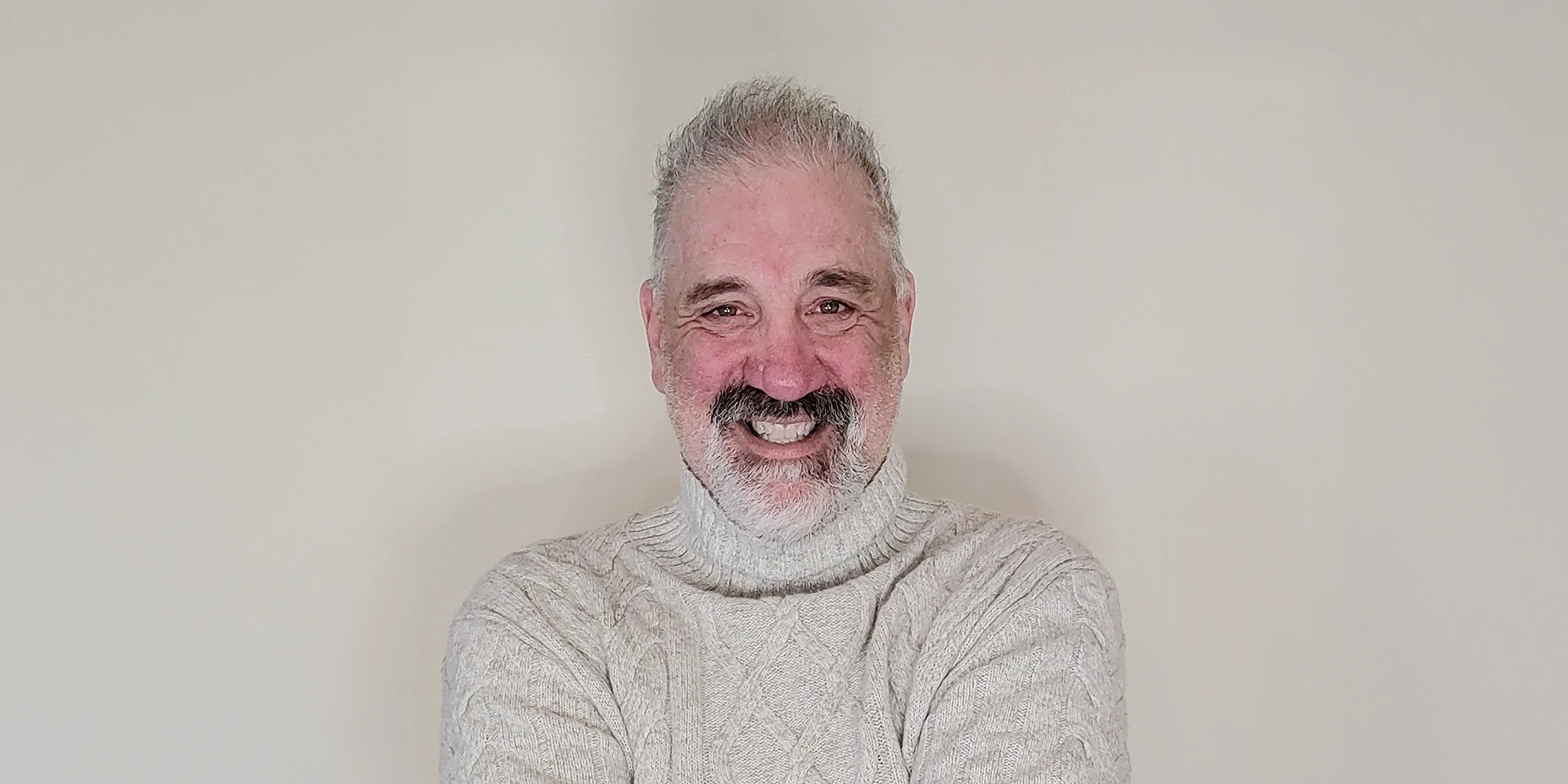
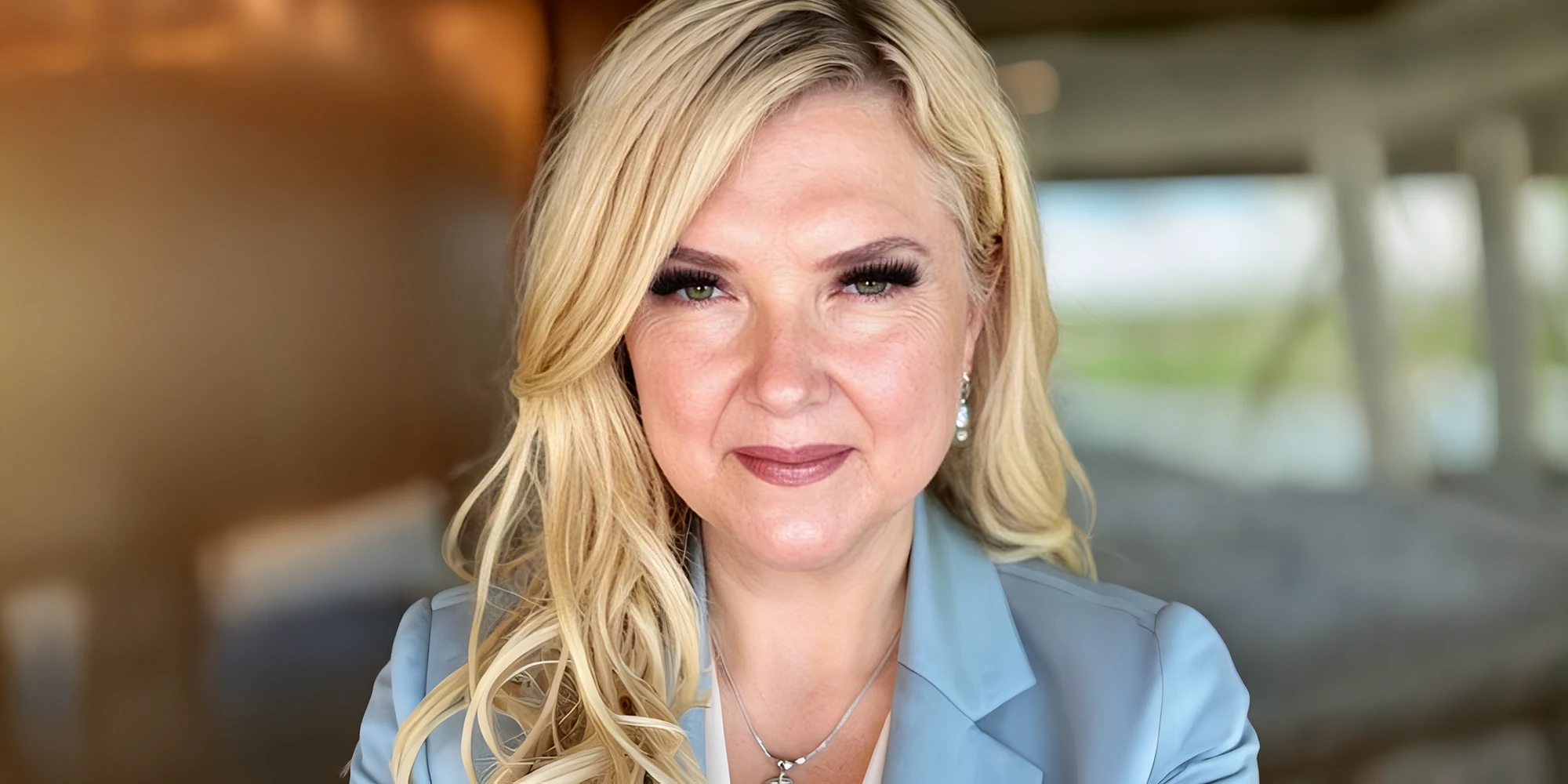
In this episode of The Curiosity Current, host Molly Strawn-Carreño and guest host Shanon Adams speak with Steve Olenski, founder of The CMO Whisperer Advisory. Drawing on more than twenty-five years working alongside CMOs at Mastercard, Walmart, the NFL, and other major brands, Steve offers a direct view into what marketing leaders truly need from research. He argues that CMOs are not missing data; they are missing clarity. Insights must operate as a growth engine, not a reporting function, shaping decisions upstream rather than validating them after the fact. Steve outlines a partnership framework built on trust, translation, and timing, and emphasizes why research should be measured by decisions made, not slide volume. He also discusses the role of AI as a force multiplier guided by human judgment, and the importance of courage and honesty in C-suite relationships. For insights leaders, this episode is a blueprint for driving action, relevance, and meaningful impact.
Transcript
Steve - 00:00:01:
CMOs are not data starved; they are clarity starved. Massive difference. Right? The data is everywhere. Lord knows. Big data, we remember that came into vogue about five or ten years ago. Part of the skill set insights professionals will need to learn is storytelling - it’s literally taking that data and telling it and putting it into a consumable story to a CMO who you may have for five minutes.
Stephanie - 00:00:26:
Welcome to The Curiosity Current, the podcast where we dive deep into what's shaping today's trends and tomorrow's consumers. I'm your host, Stephanie, and I'm so glad you're joining me. Each episode, we tap into the minds of researchers, innovators, and insights professionals to explore how curiosity drives discovery and how discovery drives better decisions in an ever-changing market landscape. Whether you're a data enthusiast, a strategy pro, or like me, just endlessly fascinated by human behavior, this is the place for you. So get ready to challenge your assumptions, spark some fresh thinking, and have some fun along the way. Let's see where curiosity takes us next with this brand new episode.
Molly - 00:01:11:
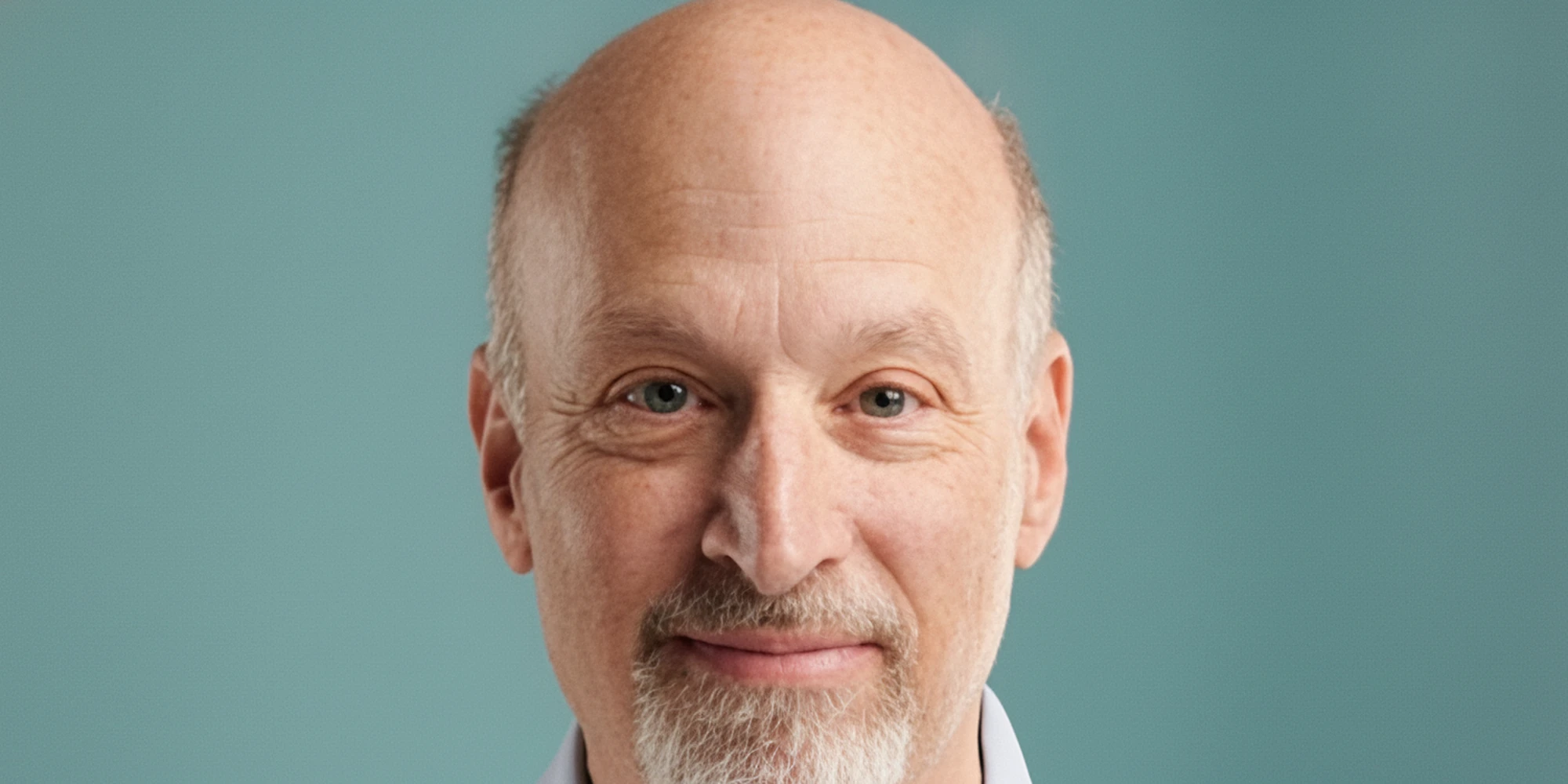
We are thrilled to welcome our guest host today, Shanon Adams, President and COO of aytm.
Shanon - 00:01:18:
Hey, Molly. I'm excited to be here.
Molly - 00:01:20:
I'm so thrilled to have you on today, Shanon. A little bit about her as a tech CMO turned COO. She brings an invaluable high-level perspective on how market research operations are scaling and adapting to the demands of innovation, technology, and marketing. Her expertise on the business side of insights will help us explore today the changing dynamics between research and marketing, and how curiosity transforms into a concrete strategy and execution.
Shanon - 00:01:47:
And as our guest, we're joined by Steve Olenski, founder of the CMO Whisperer Advisory. He's a true unicorn in the marketing world. He's been an agency creative, a brand-side marketer at Oracle, a PR director, and a decade-long journalist for Forbes who's interviewed over a thousand CMOs. Excited to have him here with us.
Molly - 00:02:06:
And here's the really amazing part. He's built his career after fighting his way in without a college degree. Today, he's known as the CMO Whisperer, a title given to him by the CMOs of Walmart and Prudential. He's the trusted confidant and relationship alchemist to the C-suite at brands like Mastercard and the NFL. He's also the host of his own hit show, The CMO Whisperer Podcast. He's known as a motivational dude known for his hashtag, #steveoism, that happens daily.
Shanon - 00:02:36:
Today, we'll chat about the evolution of market research and marketing, how AI and storytelling are reshaping the field, and what the C-suite needs to do to feel empowered to make decisions. So, Steve, welcome to our show. We're excited to dig in.
Steve - 00:02:49:
Listen. As one who's not normally on this side of the microphone, I am truly humbled. I'm a big fan of the show. I've listened to many episodes. I am really, really excited to engage in a great caffeine-fueled conversation.
Shanon - 00:03:03:
Awesome. So, Steve, after working twenty-five years with some of the world's biggest CMOs, you've seen how their needs have evolved. What are the biggest shifts you've seen in how CMOs leverage consumer insights to drive growth today?
Steve - 00:03:16:
Well, it's a great question. First and foremost, CMOs, finally, knock on wood, are realizing that insights aren't a department; they're a growth engine. In fact, maybe you want me to repeat that for you if you didn't hear it in the back. Insights aren't a department; they're a growth engine. And if you're not looking at them that way right now, change your attitude. Because it used to be, let's research what happened in the past. Now let's use insights to shape what happens next. And that's a big, big difference because insights now live upstream, right? They're guiding brand-to-product and experiences. They're not validating decisions after the fact. They're helping shape the facts, if that makes sense. So the best soup CMOs, to use a coin of phrase, are using insights like a steering wheel versus a rearview mirror. And that's so important. That's such a big difference because the shift has gone from collecting data to translating data into action. Massive difference. Massive difference. And the biggest difference, the biggest shift is speed. And now I get everybody knows that. Everybody says, yeah, AI has changed the world in so many different ways, but even before the advent of really Gen AI, speed is everything. Now you can't wait six weeks for a deck when culture and business and the world move in six hours, if not six minutes. So it's across the board, but number one at the top of the list is, “Insights should not be looked at as a department, but as part of your overall growth engine.”
Shanon - 00:04:40:
No. That's definitely, I think, something that resonates with us here, and we're seeing that more and more with our clients as marketing starts to play a bigger role in generating those insights. And based on that, what do you think is the ideal partnership there between marketing and insights and a global enterprise? I mean, when everyone's doing things and producing insights, who drives it? What makes it succeed? What are some of the failures or learnings, or challenges that can happen in that dynamic?
Steve - 00:05:10:
Yeah. There's a phrase I like to use when it comes to things like this, and it is, there's a reason the word silo is a four-letter word in every connotation of what that phrase means. Because when you work in a silo, it's no different than it was 15, 20, 50 years ago. It will not work. It will not succeed. And now it's even more important. And the way I look at this partnership, it should be on three pillars. It should be on trust, translation, and timing. There's gotta be that inherent trust among the CIO or the head of insights, and the CMO. And then there's gonna be that translation, and I think we're gonna get into that a little bit later about speaking the same language. That lost in translation, that has to go away once and for all. It will not work. The world moves way too fast, and that leads to the timing. The timing has to be so fast; so great, you did this? Now I need that in thirty seconds, right? Insights really need a seat at the big kids' table. They just do. They can't be at the kids' table. They can't just be a slide in a deck. They have to speak business, not methodology. CMO has to set the tone. The partnership lives or dies by leadership alignment. So the CMO, the CIO, the CTO, the head of insights, I don't care. I don't wanna get into semantics with who has what title. But when they move as one, when the CMO and head of insights move as one, strategy, growth, everything accelerates. Accelerates - that's the keyword. They don't just grow, they accelerate. And in today's world, we all know CMOs; shortest shelf life on average in the C-suite, acceleration, speed is everything.
Molly - 00:06:43:
I wanna zero in on the translation part because you've emphasized this in a number of places on your show, also with a number of different guests that CMOs have enough data. They have enough dashboards. They have enough spreadsheets, but they need better translation. So can you elaborate on what you mean by this and, you know, what's expected of modern CMOs to be more hands-on and, I mean, even evolve their skill set as well? You know, we're expecting insights providers to speak the language to the C-suite and build that trust, but we're also expecting CMOs to be able to better understand the growth engine they're trying to build.
Steve - 00:07:24:
The very first thing is to get across on this question is that CMOs are not data starved, they are clarity starved. Massive difference, right? The data is everywhere. Lord knows. Big data, we remember when that came into vogue about five or ten years ago. There's no shortage. Look, we get it, right? As CMOs and all the CMOs that I talk to and coach and counsel and work with, it's not for lack of data. I just don't know what it all means. And a lot of times, what I'll hear is their insights pros will come to them and just hit them with spreadsheet after spreadsheet, and part of the skill set insights professionals need to learn is storytelling; it’s literally taking that data and telling it and putting it into a consumable story to a CMO who you may have for five minutes, literally for five minutes. Don't give me spreadsheets, translate it into what this means, and what do we do next? The insights analyst director needs to recommend that, “not just here are your research papers. I'm going to lunch.” It doesn't work that like that anymore. But a CMO, on their end, they have to be more curious, and they have to get data fluent. Now I don't mean like a data scientist by any means, but data fluent means just understanding what that data means, and that's where the insights analysts can also help and coach the CMO to go, not only am I gonna try to speak your language, I'm gonna help you understand some of my language. It's an educational, it's a give and take, right? The onus is more on the insights analysts only because the CMO not only deals with them, but they deal with a thousand other things in their lives.
Molly - 00:08:57:
Right. Right.
Steve - 00:08:59:
You know what I mean? So, look, to me, curiosity going forward is the new superpower. I truly believe that, and then I think that transcends everything we're doing. But a CMO doesn't have to code, but ask those smarter questions. And the way they learn to ask those smarter questions of their insights team is an education in the first place. So, it's kinda chicken and egg.
Shanon - 00:09:20:
I think when you're, like, in a situation where you're consuming data or information from an insights analyst, that's one modality, like understanding that data, how to read it, how to make it actionable. What about in environments where that data becomes accessible to a CMO or even layers down in the marketing group so that they're able to not just be consumers of data, asking questions and, you know, getting the input and output back, but being able to be empowered by their curiosity with data to ask those questions directly whether that's through AI or other pieces of technology? What's like the skill set and the knowledge transfer that needs to happen between the insights professional, the marketing professional, the CMO, for them to also be empowered to ask those questions inside a technology world instead of just being consumers of, you know, graphs, charts, and Excel spreadsheets or even with story, right? Just to be empowered in that way to ask the question directly and to get that answer themselves.
Steve - 00:10:26:
Again, going back to something I said a few seconds ago about the onus is on the insights team to take on more of a lead, if you will. What I mean by that is if I'm on the insights team, I wanna try to understand the CMO. Okay. How do I do that? Well, what are their KPIs? You can get that. Talk to their team, understand what their acronyms stand for because lord knows there's enough acronyms in the freaking world to go around, but that's a whole other story, but know what's key to them, right? Understand their language. Maybe go one step below the norm, the layman, right? And just try to understand. And then take that knowledge and juxtapose it over what you already know like the back of your hand, and then you can start to see how they fit. Well, what are my numbers? How does that tie into someone's ROI? Right? Or, you know, response rates or whatever those key KPIs that the CMO is trying to hit, how do my numbers, how do my data points speak to and support those? Is that making sense?
Shanon- 00:11:27:
No. It definitely does. I mean, I joined the market research industry about 9 years ago as a CMO with no market research background, and having to learn the nomenclature, the methodology, the approaches of market research was really interesting as a marketer who's been the consumer of market research and data. And, you know, for me, it was an education, an investment, but I was obviously running a market research company. I wasn't, you know, doing another job. It was a part of my job to learn those things. And so how do you think that insights professionals can help CMOs lock into that learning and feel that empowerment to be able to use technology to answer questions, because like you said, you've got five minutes, they've got, any CMO is gonna have a lot of questions.
Shanon - 00:12:17:
And limited amount of time, you know, is there a reality where CMOs and marketers are interacting with that data, asking questions, and insights professionals are just making sure that whatever data it is that they're asking questions of, you know, inside a technology environment, pass muster both methodologically, how it was created, they can trust it. Like you said, it comes down to trust. And then the actual, you know, enablement bit of being able to ask the question can happen more in real time.
Steve - 00:12:46:
Listen. I'm gonna put this back on you. I'm gonna put you on the spot here. You are very uniquely qualified because you speak both languages. I have no idea what you guys do when it comes to content, and I'm gonna give you my nickel's worth of advice. But because you're so uniquely qualified, you have that background, I would even think about creating some content that says “how a CMO can talk to a CIO and vice versa”, something like that. Create a cheat sheet, right, with the acronym in the CIO's world, means this, and it correlates to this in the CMO's world. I'm giving you all this free stuff, by the way. You owe me a cup of coffee. How's that? But, seriously, that kind of very snackable, quick video, PDF short can help educate because, again, you have that back, trust me. I know a lot of CMOs. I don't know any who transitioned into market research or vice versa. So you sit at a very unique crossroads to be able to do something like this and educate them not just on how great your company is. That's one thing, but true kind of thought leadership to say, “Look, I've been there. I know what it's like to be a CML. I know what it's like to sit in a room with an insights team, going, all these numbers sound great. I have no idea what they mean.”
Shanon - 00:14:00:
And I remember feeling that myself. Yeah. Absolutely.
Steve - 00:14:02:
Exactly. If you can, then ease their pain because that's what it comes down to is their stress, like, we got five minutes. I gotta process this really quickly. And if I can't, I'm moving on. And you may never get five minutes with me again, sometimes literally, right? But the easier you can make something to understand, to put it and go, I feel your pain, not to quote Bill Clinton, but that's it. You feel their pain. You know what it's like to get an insight headache induced, right? Like, I don't know what this all means. I'm overwhelmed. I'm moving on to something else. So I'm kinda going down a different path, but I would be doing a disservice if I didn't say this to you. That's the marketer in me giving you this nickel’s worth of advice. Really think about doing that because it would go a long way.
Shanon - 00:14:49:
I think it's such an interesting, you know, symbiosis between research, insights, and marketing function.
Shanon - 00:14:58:
And you're right. They don't always speak the same language. It's definitely, I think that was one of the funniest sorts of first things for me was when I had to figure out what an incidence rate was, everyone kept saying IR. What is IR? I think it was in my, like, second week. I'm like, what is an IR? You know, I'm like, there are all these words that are very specific to each of the roles.
Molly - 00:15:19:
Can you give me the LOI on that, Shanon?
Shanon - 00:15:21:
Exactly. And I'm like, what does that mean? You know?
Steve - 00:15:24:
And just so you know, a CMO, here's IR. One of the things I think of is investor relations.
Shanon - 00:15:29:
Exactly. Same thing. I'm like, are we talking to investors? Like, what if? But it is. And I think sometimes we can get lost in the technical jargon, as you pointed out, like, you know, don't talk to me about method. Talk to me about, you know, something I can act on, something I can do. Break it down in my language and, you know, even after nine years of market research. I'm not a statistician. I'm not a methodologist. I'm not a market researcher. So I still often feel that, you know, speak to me in my language, and I do think insights professionals can be that translator over, at the same time too, there's a part as a CMO where you have to also invest in learning as well too just to make sure that, you know, what you're making decisions off makes sense. You can't just, you know, assume, right? Because there may be a world of questions you would ask if you knew what was available to you in terms of data sources, too. Sometimes the questions you ask aren't the right ones.
Steve - 00:16:25:
And I guarantee you, this may sound, I don't know what the word is, hard to believe. I work with a lot of Fortune 50, 100 CMOs, and I will sit here and tell you that there are some in that group who would literally be afraid to ask a question for fear of appearing less knowledgeable, which may sound crazy, like, what do you mean? You're the CMO of a big brand. They would rather stay silent than ask a question about something other people may think they should know the answer to, if that makes sense. So by you providing
Molly - 00:16:53:
Everybody has impostor syndrome.
Steve - 00:16:56:
Exactly. Exactly. And some people, hearing that, may not believe it. Believe me, I can quote chapter and verse off air of examples, so that happens. And then when they don't ask the question, that's even worse to me. Because then they just get frustrated, they get ambivalent, and they move on. But if you can kind of cut them off at the past kinda thing and educate them and say, “No, no, no. You don't have to ask the question. We're gonna answer it for you before you ask.” Then that alleviates that, oh, I don't feel like asking that question because I'm gonna be looked at as less.
Shanon - 00:17:27:
I think the higher up you go, the more pressure there is of knowing. But in truth, like, really strong leaders are good about being like, hey, give this to me like a kindergartner. They ask the question, you know.
Steve - 00:17:40:
I do that.
Shanon - 00:17:41:
They're willing to do that. Because you're making decisions off on, you know, data, and those decisions have ripple effects, especially in large organizations. So I think that's, so creating it sounds like a really good basis of partnership is to have that trust and that kind of relationship where you can learn from each other, and it's like, it’s okay to ask those questions.
Steve - 00:18:03:
The best leaders that I know adhere to the old Steve Jobs quote, which is, I think it's Steve Jobs, “If you're the smartest person in the room, you're in the wrong room.”
Shanon - 00:18:11:
Absolutely.
Molly - 00:18:12:
Well, for our listeners here, let's talk some application. So what are some examples of companies or teams that have successfully, you know, done what you're talking about and bridged that gap and developed a working relationship between marketing and research? And how can leaders looking to do something similar start the journey?
Steve - 00:18:32:
So right off the bat, I have to start with Mastercard. Their CMO, and I happen to be good friends with them, Raja Rajamannar, did something really smart. He made insights inseparable for marketing, and they co-own growth. It's really, really unique. So insights sit inside strategy, not off to the side, and every move they've done, from priceless to sonic branding, started with a human insight, and then they scaled it through data. So the lessons are many, but when insights are embedded from day one, they stop being a report function and become, I guess, like a growth engine. So Mastercard has really, pun intended, mastered the art and science of bringing marketing and insights together and what can happen, the results speak for themselves. The other one I wanna mention is e.l.f Beauty. e.l.f Beauty, we all know, went wild with their lips, I think it was eyes, lips, face, right, TikTok moment, 4 billion views. I mean, just insane. And I had their chief brand officer, Laurie Lam, on my show. She's amazing. And they are masters, really, of real-time, cultural listening and speed-to-action. But their insights and creativity literally work side by side, turning those social signals into bold, successful, fast, operative campaigns. So speed plus empathy equals relevance.
Molly - 00:19:51:
Oh, I love that.
[00:19:52] Steve:
Yeah. Speed plus empathy equals relevance. You gotta have speed and empathy, which has become like this in the AI world, kind of pushed to the side. Well, to me, it should never be pushed to the side. It should always be number one. And speed, we all know businesses need to make money. Wow, Steve. Breaking news. Great insight. But that's what it is, right? Look. We all can say we wanna do great things. We wanna have social responsibilities and all these things, and I'm all for that, and I give back, and I do all that. But gosh darn, man, we gotta make some money, and we gotta get to market, and we gotta do this fast. And when we get those listenings and we get those people telling us right from the horse's mouth what they want, we cannot act in a week. We have to act in a day, if not sooner, but we have to do it with an empathetic side. That's when you have the relevance, because the relevance has a short window. When people are talking about something, chances are the relevance will start to wane, right? So that's even more reason for speed. So Mastercard and e.l.f Beauty, I think, two great examples.
Shanon - 00:20:56:
My question really was around, you talk about speed, obviously, it's very important. Do you think in those two cases, they're able to unlock that speed, especially because they are working together - insights and marketing? They're in step. Is that what really unlocks it there?
Steve - 00:21:13:
1000%. If they were working in the old silos, marketing would be doing their thing, insights would be doing theirs. They would report to marketing. Marketing would disseminate it, get back to them in a week, and we'd have a bunch of meetings in between. We'd have a bunch of Teams messages in between, and we'd have meetings about meetings. And by the time they made a decision…
Molly - 00:21:29:
Meetings about meetings.
Shanon - 00:21:31:
By the time they made a decision, the moment's gone.
Molly - 00:21:33:
Yeah. And that empathy part that you bring up really resonated with me because you can't just develop these things, have some machines talk to each other, and expect a human to relate to that. There still has to be that human element, you know, there are so many tools and new offerings and, I mean, a very saturated space, but there needs to be that person at the helm, right, that still is driving a lot of these things so that you can have the speed, utilize the technology to have the speed, but if you don't have that human connection, you're 100% right. You are not going to be relevant to any human out there. It's just gonna feel very disingenuous and disconnected.
Steve - 00:22:14:
And if I could just add on to that, I think 99.9% of brands underestimate the knowledge that we consumers have. And what do I mean by this? Well, one thing, they forget that we're all consumers. Whether you work in this field or not, we're all consumers. And number two, consumers understand you're putting something in front of us to have me take an action. And if you're putting this thing in front of me, whatever it is, if it appears to be less than human, less than transparent, less than authentic, I'm gonna know about it. So brands don't give consumers enough credit, but that's, we'll save that for part two.
Molly - 00:22:52:
It's the uncanny valley of business.
Steve - 00:22:55:
Yeah. Yeah. Well put.
Shanon - 00:22:57:
So let's talk a little bit about storytelling. What do you think the reality is of how CMOs consume research, especially in those use cases when they're working side by side with an insights professional? So instead of, like you said, meetings on meetings or they're getting decks and, you know, they're making all these decisions off of, like, you know, a whole bunch of information. I think we're really interested in what CMOS really need from insights people, and especially in those environments where they're trying to work closer together.
Shanon - 00:23:27:
You know, it's not analysis paralysis. Is it like, give it to me condensed and then we can move together? Is it just a gut feeling they make decisions off of? What is it like in that environment where they are working closely together? What do CMOs need from those insights counterparts to be able to make better decisions?
Steve - 00:23:47:
Well, if I can start with what they don't need first. They don't need 50-page decks. I don't know.
Shanon - 00:23:52:
Who does?
Steve - 00:23:53:
I don't know of any human who needs it, right, unless you need a cure for insomnia. I don't think you need a 50-page deck for anything, right? But especially a CMO. I mean, and CMOs tell me, Steve, I don't have trouble even reading one slide, but I know there's, I can't read a negative slide. So you gotta get in and you gotta get out, okay, what does that mean in practical application? Well, it ties back to what I was saying before about understanding and sharing. You can speak to this because you were a traditional CMO of a non-research company. So you know the language you speak. You know the vernacular, the nomenclature that you live and breathe and operate in. Analysts' insights team have to get to know that language. I know I've said it before. But once you can understand and even go talk to your CMO, and understand, do some research on your own. Use ChatGPT, I don't care. Just try to understand the CMO pain points. Once you get to that, you have all these great data points. They're awesome. They're amazing. But a CMO is not going to go through them all. They're just not. If you can condense it into X number and then tell a story around it. And I can see people’s insights team go, “I'm not a storyteller. I don't know how to tell stories.” Sure, you can. And I put people through an exercise. I go, I go, “give me five data points.” Okay. And then, “give me five data points and tell me about them.” Like, what do you mean, tell me about them? I said, “verbally tell me about these five data points that are on the screen.”They proceed to tell me, and I go, “You know, you just did, right?” Like, what? Like, you just told me a story. You didn't read these; point one point, no. You read them off to me as if you were telling me as one condensed cohesive story, and they don't even realize they're doing it.
Molly - 00:25:28:
It's a lot more simple, I feel. And it's when they say storytelling, I think it's this crazy red Little Red Riding Hood situation you have to make up. It's not. It's just connecting with another human being to convey information.
Steve - 00:25:41:
I tell people, practice telling it. Even go in front of a mirror. I don't care. Do it in your car. The people next to you will think you're nuts, but who cares? Practice talking to your spouse. Talk to your kids. Whatever. Get that data, how would you convey those data points instead of putting them on a piece of paper only? Tell me verbally what they mean.
Shanon - 00:25:59:
I think the whole idea of, like, speeding up the market research process is so that insights professionals are spending time thinking about the story, thinking about what does the data tell us? What's actionable in that, getting closer to the decision-making process? And, you know, it's meant to free all that time up. You're not necessarily going to be as valued for programming. You're not gonna be as valued for that. It's going to be about taking that data and turning it into a story that's really compelling whether to a CMO, to a brand manager, to whoever your client is internally. And, you know, taking that time that time that you're bought, whether through AI or through platforms like ours, to be able to focus in on that story. And it just seems like a skill set that is still developing on the insights side, where you might have been valued for different things previously. It's really just a pivot into different spending your time differently and that having, like, a great impact on your audience, your internal client.
Steve - 00:27:00:
Look, one thing I always tell insights teams, if you can't distil the story into one slide, you don't own a story yet.
Molly - 00:27:06:
If you can't tell it to a five-year-old.
Steve - 00:27:07:
Exactly. Exactly. And you mentioned decision making. I'm glad you did. I wanna clarify something. Decision making, I think sometimes we all default to that term meaning, okay, so and so is gonna cut a check literally or figuratively. That's not always the case. The decision can come at many different shapes. So what I mean by that is if you get in front of a CMO or a brand manager and they make a decision to want to learn more than you've won, you've hit the, you know, you've gotten through, meaning, “oh, I like this. Can you please talk to my VP of marketing and tell them show them the full deck?” I wanna just make sure we clarify decision-making doesn't always just means, you know, rubber-stamping something. It means it could mean you've intrigued me, you've piqued my interest, you've got through to me. Tell the rest of the story to my VP.
Shanon - 00:27:51:
You know what's really interesting? When I was a CMO, I wasn't a CMO of a major corporation. I worked for startups up to mid-sized businesses. I would make a lot of decisions just on gut. And I would meet other CMOs, and they do as well even when they're working for large Fortune 50 or Fortune 100 companies. It's instinct and gut. You're gathering qualitative and, you know, you're looking at some quantitative data. I think it's always interesting with insights professionals when they hear somebody makes a decision on gut and not on, “this was absolutely statistically accurate, this is what it says.” Sometimes you have to read between the lines. How do you think that insights professionals can work with those CMOs who do like to work on gut instinct and don't wanna dig into the data as much?
Steve - 00:28:39:
Well, listen. Traditional, air quotes, research still matters. I mean, it's the foundation, but the expectation is now a speed plus signal. So a CMO wants early reads on shifts in behavior, not just post warner after the fact. And, yes, a good number of, or the best CMOs that I know, balance the boat, the right side, left side brain thing, right? Any CMO, and I will say this emphatically, who falls squarely into one or the other is not going to succeed. They're just not. There has to be that balance, especially in the AI world. Now, what I mean by that is it's so easy to just I'll drop it into Gemini. I'll drop it in the chat, and then I'll just do what it tells me as gospel. Going against everything I believe, all my gut instincts. That's crazy, but the opposite is equally crazy. So you gotta have that balance. And sometimes, insights people, brand managers, they're gonna come across a CMO who falls into one of those two very strict, very tunnel-visioned, 100% backing AI, okay? They have the ultimate final say, if you will, but your job is to put everything in front of them to make that decision just a little more harder, get them thinking a little more differently one way or the other. Does that make sense?
Shanon - 00:29:50:
No. Absolutely. So AI and technology are undoubtedly reshaping the way people work. From a CMO's perspective, what are the biggest opportunities some potential pitfalls for teams in adopting AI, and how should human expertise adapt in this environment? Really, right off of what you said about taking it into ChatGPT and making decisions off of that as well as just the utilization of it in technology.
Steve - 00:30:15:
I look at AI as a force multiplier, right? But it's only as good as the humans guiding it. It's those do you think there's so many courses on prompting? Right? The opportunity is massive. You have faster trend detection, real time personalization, predictive modeling, things like that, but the pitfall is blind trust. And if you take AI as gospel, which, again, God loves you if you do, God be with you because you're gonna need God and a bunch of other people to help you because you're gonna lose nuance, you're gonna lose context, and you're gonna lose brand humanity, which will ultimately be your downfall. So the future belongs to what I call augmented marketers and humans who use AI to accelerate judgment, not outsource it. Big difference. So the pitfalls are blind trust. You can't just go ‘ChatGPT, tell me what I'm having for breakfast today, and eat what it tells you that.” Maybe you can. I don't know. But when it comes to marketing, you cannot do that because as far as I know, there's no AI tool that can live and breathe and have emotions throughout the course of a day to understand what really goes through consumers' minds and bodies and hearts and souls and everything like that. So, really, really, that balance, the force multiplier AI is amazing. Of course, it is, but it's not the only thing. It's a tool. It's a force multiplier. It's only as good as the people using it.
Molly - 00:31:27:
I think that's an absolutely fantastic perspective on AI to use it as a tool. Who knows what the future holds? Who knows if we'll we'll have completely authentic passable AIs as completely human beings, but that's a whole another Terminator conversation. I wanna touch base on, you know, something that you've continued to say, which is trust, and it's a recurring theme in your work and how you work with these these CMOs. So what skills do insights professionals need to become that trusted partner? What is the language they have to talk when they are co-presenting strategy? And, you know, we can touch base back too about AI. How can they continue to convey that very authentic human side when conveying data that perhaps was sourced using a lot of different AI tools?
Steve - 00:32:16:
Look. Trust comes from clarity and courage, right, at its core, and I am living proof of that. The trust that I've established with so many leaders over 25 years - it's come from just clarity. And what do I mean by that? Well, it means sometimes saying things that the other person doesn't necessarily wanna hear, but in doing so, in delivering a message that is not meant to be bad or demeaning, but constructive. Sometimes you have to tell people what they need to hear versus what they want to hear. That's not always easy. And when it's someone in the C-suite, it's very easy to get intimidated by, “Oh, I can't tell them that. I can't say that. I'll have to spin this somehow.” Well, that does no one any good because, eventually, it's gonna come out in the wash, right? So the insights who are in a chair next to the CMO are the ones who just don't report the data they they interpret it. They challenge assumptions, and then they stand by their convictions. That's really important, and I also understand it's not easy. Believe me. I've been there where you have to stand in front of a leader early in my career and tell them something they don't wanna hear. But if you deliver it with clarity and conviction, that goes a really long way. Yes. There's gonna be times when the CMO or leader is just the, you know what, but that's more on them than it is on you. So what? So be it. But for the most part, the best leaders are open to hearing; they hear it from me all the time. Now I know I'm at a different point. I've earned their trust and everything. But early on, I was just me, and I'm telling people what they needed to hear, but doing so with a backup going, this is why you're hearing this. This is how you make this better. This is why we need to pivot. This is why this and that. Not just sharing the data and going, you know, our results sucked. I'll see you tomorrow. No. Our results sucked, but here's how we're gonna fix it.
Molly - 00:34:06:
Yeah. It's this tone of authenticity. I'm really feeling that from you on both sides, and it's funny. You've compared these two things in my head now. You have a CMO that doesn't wanna look dumb and doesn't wanna ask questions, but then you have the insights person that might have the answer but is too nervous to actually tell them, perhaps, hey, this thing that you felt is wrong because no one's authentically communicating to each other.
Steve - 00:34:30:
Exactly. And the other real important point for an insights professional to understand is when you're presenting to the CMO something they don't wanna hear but with an action plan, that CMO then has to turn around and do the same thing to their CEO.
Molly - 00:34:45:
Oh. Mhmm.
Steve - 00:34:46:
So you're arming them. You're educating. You're helping them, going, look, oh, shit. I know I'm gonna have to deliver some bad numbers to them, and then and he or she then has to report to the CEO. The better I can make their life, the better my life's gonna be. So kind of put yourself in their shoes and go, okay, I'm gonna arm them. They're gonna sit in front of the CEO, but I'm gonna give them all the talking points, and they're gonna explain, or I'll go with them, for that matter and explain to them, yeah, the numbers aren't good right now, but here's how we're gonna fix it.
Shanon - 00:35:15:
Do you think this is the key to how you've built such a strong reputation and relationship with CMOs? And throughout your career, do you think that's what has allowed you to have the career that you've had?
Steve - 00:35:29:
I usually start off when I talk to people, and I'll talk to college kids or just whoever, and they'll go, “What's your secret?” How do you and, like, you're asking. And I'll play it up, and I'll go, “Alright. Set up. Get your pen and paper out. You ready? I'm gonna change your world.” And everybody sits up on the edge of the chair like I'm gonna hit them with this magic elixir and all these great words. And I say two words: be yourself. And 9 times out of 9, 10 times out of 10, most people just go back in their chair and go, really? That's your big secret? I'm sorry to burst your bubble, but that's my secret. I don't know how to be anyone else. Ever since I started, I just come on and be me. And, like, well, but I'm not you. No. You're not me. You're you. And if you come across as authentic and genuine and transparent, almost to a fault, which I am, it's gonna go, it's 99% of your success. Because if you try to put a front on it, if you try to tell someone something they don't want to hear, it will always, always, always come back to bite you. But if you're right up front with somebody, we're all just meeting. I talk to you the way I talk to every single person I ever meet, the same exact way. It doesn't matter. And when I tell again, they're like, “Oh, I thought you were gonna give me this Dead Sea Scrolls kinda knowledge.” And I'm like, just be yourself, right? It's gotten me the trust, the respect. They take my calls. They answer my emails. We talk about values. We go on vacations. We are friends. We are family. It's relationships. There's a big word. How many times, when you hear the word relationships, do most people default to something personal? Most people do, right? Well, relationships are relationships are relationships, and some of them at the core are the same exact things. Respect. What do you have with your partner? Respect. Open communication. Transparency. Honesty. Why would this relationship be any different? Why would a professional relationship be any different?
Molly - 00:37:19:
I had a colleague who said, “I won't stop working with my clients until I have a toothbrush at their house.” You know, because…
Steve - 00:37:27:
Wow. Love that.
Molly - 00:37:28:
Because it is about that. But, you know, you say it's just a very easy thing to be yourself, but I feel like that's a whole other life coaching conversation beyond business, because, you know, if the business stuff doesn't work out for you, Steve, life coach, because I'm feeling inspired by you. But it is a complicated thing to think about because perhaps people don't know how to start with that.
Steve - 00:37:50:
And especially to someone listening. Look, if my 25-year-old heard me say this, he'd go, “You're a freaking idiot. You're an idiot.” Right? And they may be right because when you're 25 and you hear some guy going, just be the sober, I can't do that. Like, the woman in the big corner office wants to talk to me. I can't tell her. I'm nervous as hell. I can't. To my 25-year-old self, I would say, yeah, you can, but here's how - just stay true to yourself, have conviction, speak with authenticity, and respect. Oh, okay. Look, C-suite, you guys all know this, but the C-suite is surrounded by “yes” men and women, right? What do you think of this? I think it's the greatest thing ever. You do? No. But then why don't you tell me? Because I was afraid to. The best leaders want to hear this, want to hear your ideas, but not just for the sake of ideas, why this idea works, what is wrong with their idea, and how to make it better. Don't just say “yes, yes, it's the greatest thing ever. Are you losing weight? You look great.” Oh my God, all these, think about it. That's what they're surrounded by.
Molly - 00:38:56:
Right. Right.
Steve - 00:38:57:
It is absolutely one of my, and I'm not doing anything special, but I'm not telling people what they want to hear. I'm telling people what they need to hear. And when you simplify that way, but you do it in a respectful, professional way and you're just transparent and you're honest, like, I don't know how to lie. I don't know how to go, “you know what? That's the greatest thing ever. You know what, Shanon? What a great idea!” That's the dumbest idea I've ever heard.
Molly - 00:39:22:
Come on the podcast, Steve. It's a great idea.
Steve - 00:39:27:
Great idea, but admit it. But I mean, if I didn't mean it, I wouldn't say it.
Molly - 00:39:31:
Right. Right.
Steve - 00:39:32:
Yeah. I wouldn't say it.
Shanon - 00:39:34:
Well, it's like getting the seat at the table because somebody trusts your opinion versus they enjoy you disagreeing with them.
Steve - 00:39:42:
Exactly. Yeah. Think about..
Shanon - 00:39:44:
And one of those things is, you know, gonna help the output of success because I think people think of C-suite as, like, we're just human beings. We're people. We're going through our days, you know, we're trying to make good decisions. We have a lot on our shoulders, and shouldering some of that by caring about what actually happens instead of just that small piece that you perceive that you're supposed to do, it relieves so much burden for the C-suite, and we wanna put you at the table with us.
Steve - 00:40:13:
I don't know who brought it up earlier, Molly or Shanon, it's imposter syndrome.
Steve - 00:40:18:
I cannot tell you again, I'll tell you off air. Fortune 50, 50 CMOs go through imposter syndrome, where they call me the shoulder to cry on. I don't know what I'm doing. I'm not sure what to do. Most people would go, “What are you? Crazy? You manage billion-dollar budgets, and you're not sure how good you are, what you know, if that decision is the right thing.” Here's the point. We all go through this. That does not leave us. And I think a lot of people have that false perception of once you get to a certain level in life, all your cares are gone. All your, (blah), I know everything.
Shanon - 00:40:52:
It’s quite the opposite.
Steve - 00:40:53:
Let me tell you something. The first person who ever tells me, you know, everything about anything, I tell them to get lost.
Molly - 00:40:58:
They're not the fit for you.
Steve - 00:40:59:
They're not real because no one knows everything about something. No one. No one. Social media. Remember, social media came into vogue? How many experts came out of the world over with social media? My God. My blood pressure's gonna start going up. I feel good. Okay.
Molly - 00:41:11:
We've hit it. You're getting triggered, Steve. We’ve hit a spot here.
Steve 00:41:15:
Drove me crazy. So, anyway, I'm okay now.
Molly - 00:41:19:
And that is completely valid because you just had me thinking, like, I think if you took me when I was a sophomore in college, myself now would be so intimidating, like, I would be so intimidated by me. But at the same time, I'm over here thinking, I think I know less than when I was, you know, 20.
Shanon - 00:41:37:
That's the thing. As you grow older, you realize how little you knew when you thought you knew more.
Steve - 00:41:43:
Which is why curiosity is the superpower, which is this.
Molly - 00:41:48:
I feel like we can just talk to you all day. This has been such a fantastic conversation, but I do wanna wrap up with a quick round of a segment we have on the show called Current 101.
Molly - 00:41:59:
And we ask a lot of our guests a very similar question and hear how they respond to it. So our question is, what is one trend or practice in market research or marketing that you would like to see stop, and what's something that you would love to see more of?
Steve - 00:42:17:
So I wanna see the stop to what I said earlier about the 50-page decks or any decks more than three pages for that matter, right? Measure insights by decisions made, not by slides produced, right? I think there's still a decent amount of people in the world who quantify and qualify, whatever the right word is, their existence by going, the more slides I produce, the more I can prove my value, which is insane. Okay? So if I can get rid of that trend when it comes to marketing and research and just everything in general, death by deck, as I call it, just stop. We're entering 2026, for crying out loud. Enough is enough. I'm not a death to PowerPoint kinda guy or keynote, but just keep it, you know, short, sweet. Get in. Tell your story. Stop with the 30-slide decks, and, oh my gosh. I told a quick anecdote about that. I know a good friend who's a professional speaker. And when they go to an event, the event organizers will go, “Hey, where's your deck?” And she goes, “I am the deck.”
Steve - 00:43:23:
You can use that. I use it all the time.
Molly - 00:43:24:
I'm gonna steal it.
Steve - 00:43:25:
I am the deck. And they go, “Oh, you're not kidding.” Like, no. I'm not kidding. I am the deck. So that's what I want less of. More of, get people in the same room, literally and figuratively. Marketers, creatives, and data insights people don't have these siloed conversations where, “hey, creative came up with this idea. Send it off to the data team.” Data has insights. Send it off. No. Literally, I don't care if it's virtual or not. Get these people in the same room. For one thing, you're gonna find out a lot more about that person than you ever would in an email and a Teams or a Slack or whatever else instant messaging you use. The last thing is, look, I'm gonna leave you with this. Magic happens, I really believe, when empathy meets evidence. That's the right side, left side brain thing. Magic happens when empathy meets evidence. Can't have one. Can't have you gotta have them both. That's what I'll wrap up with.
Shanon - 00:44:21:
Wonderful. Thanks, Steve.
Molly - 00:44:23:
I don't even know how to do a closer. I just wanna, like, be done. Well, thank you so so much, Steve. I think this has been such an eye-opening conversation for marketers, for insights professionals, for just people in general. So thanks for coming on today, and thanks for being you.
Steve - 00:44:40:
You're welcome. That's all, the only person I know who to be.
Molly - 00:44:44:
The Curiosity Current is brought to you by aytm. To find out how aytm helps brands connect with consumers and bring insights to life, visit aytm.com. And to make sure you never miss an episode, subscribe to The Curiosity Current on Apple, Spotify, YouTube, or wherever you get your podcasts. Thanks for joining us, and we'll see you next time.
Episode Resources
- The Curiosity Current: A Market Research Podcast on Apple Podcasts
- The Curiosity Current: A Market Research Podcast on Spotify
- The Curiosity Current: A Market Research Podcast on YouTube





.jpeg)


