


Description
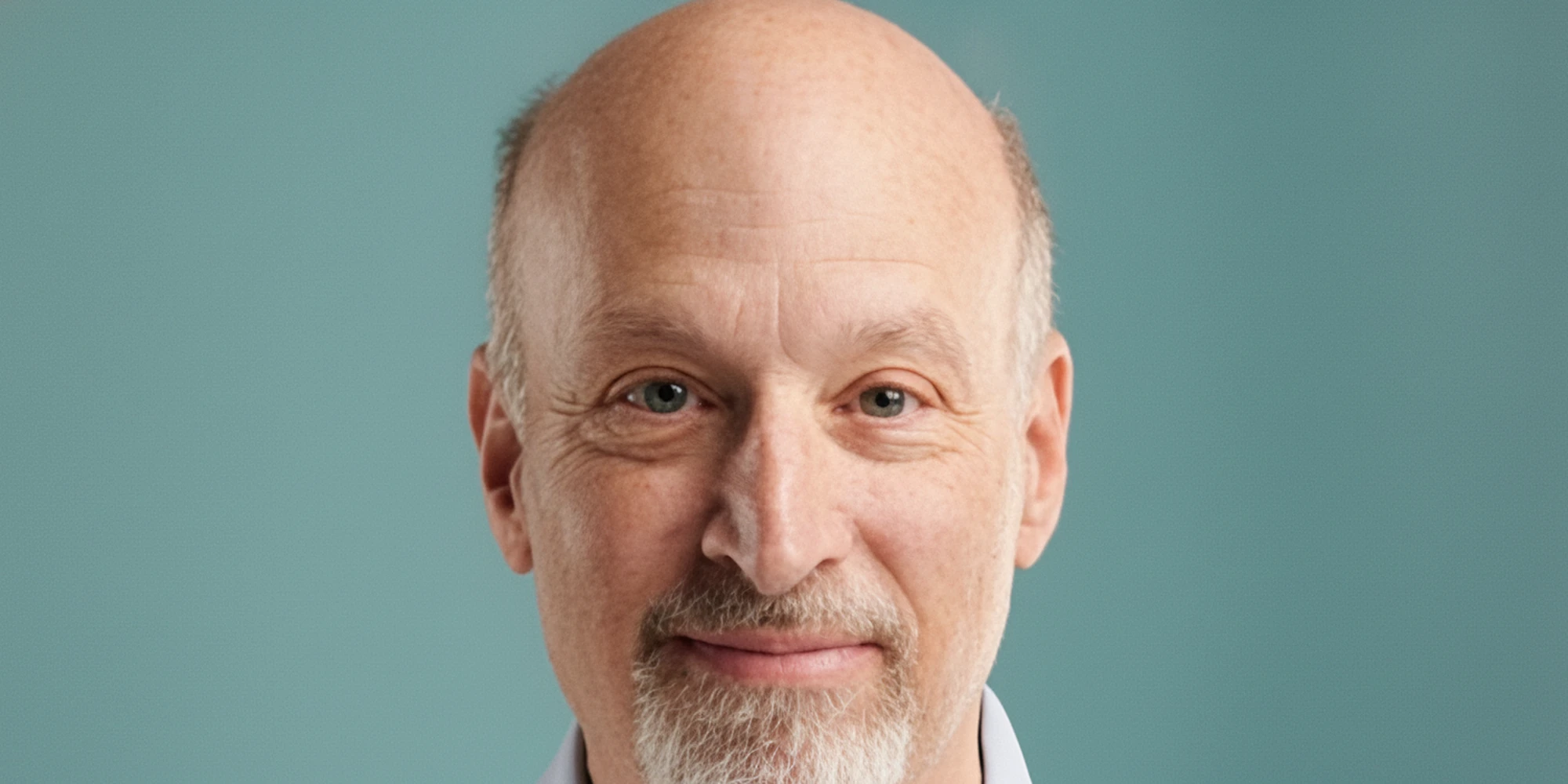
Andrew Embry, Senior Director of Insights Innovation and Capabilities at Eli Lilly, brings a storyteller's perspective to the complex world of pharmaceutical research. He describes himself as a poetry spitting nerd who uses his creative background to find new ways of working within strict regulatory bounds. This conversation covers how Eli Lilly implements enterprise level AI initiatives by treating change management like an internal brand campaign.
He details the use of synthetic respondents to answer qualitative questions in thirty minutes and help teams do smarter primary research. He argues that the future of the industry depends on researchers evolving from reactive order takers into proactive business partners. By automating repetitive tasks like screener creation and secondary research, teams can focus on higher level strategy. Even so, Andrew emphasizes that judgment and discernment are the skills that matter most when reviewing AI outputs.
Episode Resources
- Andrew Embry on LinkedIn
- Eli Lilly and Company website
- Stephanie Vance on LinkedIn
- Molly Strawn-Carreño on LinkedIn
- The Curiosity Current on Apple Podcasts
- The Curiosity Current on Spotify
- The Curiosity Current on YouTube
Transcript
Andrew - 00:00:01:
Creativity is, like, more exciting when there are constraints, and there are challenges. All the time, people talk about thinking outside of the box, and, well, that's easy. Like, when nothing's trying to pin you down, like, that's easy. But I'd love the challenge of, alright, here are the walls, and the walls feel really small to everybody, how are we gonna figure this out? It's totally impossible. And I love being able to look at things from different viewpoints and angles to, like, find ways to get it done.
Molly - 00:00:27:
Hello, fellow insight seekers. I'm your host, Molly, and welcome to The Curiosity Current. We're so glad to have you here.
Stephanie - 00:00:35:
And I'm your host, Stephanie. We're here to dive into the fast-moving waters of market research, where curiosity isn't just encouraged, it's essential.
Molly - 00:00:44:
Each episode, we'll explore what's shaping the world of consumer behavior from fresh trends and new tech to the stories behind the data.
Stephanie - 00:00:53:
From bold innovations to the human quirks that move markets, we'll explore how curiosity fuels smarter research and sharper insights.
Molly - 00:01:01:
So, whether you're deep into the data or just here for the fun of discovery, grab your life vest and join us as we ride the curiosity current.
Stephanie - 00:01:12:
Today on The Curiosity Current, we are joined by Andrew Embry, Senior Director of Insights Innovation and Capabilities for Global Core Market Research at Eli Lilly and Company.
Molly - 00:01:24:
Andrew brings an extremely unique energy to the world of insights. He blends creativity, storytelling, and deep strategic thinking to reimagine how research works inside one of the most complex and regulated industries in the world.
Stephanie - 00:01:37:
At Eli Lilly, Andrew is leading enterprise-level AI initiatives, helping teams rethink workflows, adopt new technologies, and navigate what it means to innovate responsibly in a pharmaceutical environment.
Molly - 00:01:48:
So today, we're diving into how AI is being implemented in this highly regulated space, what it takes to drive change across a large organization, and how emerging tools like synthetic respondents are really starting to shape market research.
Stephanie - 00:02:01:
Andrew, welcome to the show.
Andrew - 00:02:03:
Thanks so much for having me. Really excited.
Stephanie - 00:02:05:
Yeah. We're excited too. Well, Andrew, I wanna jump right in with something that is not AI-related, and it's about your storytelling approach. You bring this really creative and storytelling-driven approach to your work, which is not always what people expect in a highly regulated industry like pharma. Looking back, how did you come to value and develop that creative sensibility in your approach to insights and innovation?
Andrew - 00:02:31:
Yeah. You know, it's really funny because I joke all the time that I'm a poetry-spitting nerd that just happens to hang out in corporate America. And when people hear that, they're like, nerd, poetry, corporate America, insights, regulation. Like, it doesn't make any sense. Right? But, actually, there's quite a lot of overlap in some of the Venn diagrams. And so, if you think about it, a poet is somebody who really understands people and then uses that understanding to write poems that move people to understand and feel and do things. And if you think about a market researcher, there's someone who understands a customer and figures out those insights and uses those insights to tell a story to help people understand, and feel, and do things. And so, whether it's poetry or market research, it's all storytelling, right? And then when it comes to the, like, regulation industry part of things, creativity is, like, more exciting when there are constraints, and there are challenges. All the time, people talk about thinking outside of the box, and, well, that's easy. Like, when nothing's trying to pin you down, like, that's easy. But I'd love the challenge of, alright, here are the walls, and the walls feel really small to everybody. How are we gonna figure this out? It's totally impossible. And I love being able to look at things from different viewpoints and angles to, like, find ways to get it done.
Stephanie - 00:03:47:
Very cool. I like that.
Molly - 00:03:49:
Well, you're leading AI innovations in, like I said, at the beginning of this, and one of the most regulated industries out there for a number of reasons. From where you sit in your role, what makes introducing AI in the pharma environment fundamentally different from perhaps other industries that can move on a dime?
Andrew - 00:04:09:
Yeah. There are a couple of things. The first thing is that the stakes are a lot higher, right? And so, our mission is to help people live longer, healthier, more active lives. And that means a lot. And so, I go to bed every night knowing that the work I'm doing is changing somebody, and it's having a ripple effect on everybody else. So, right away, there's more of an urgency to get this right. So, on top of the stakes being high, as we were talking a little bit more, the regulations, the compliance rules, it boxes everything in and makes it even tighter. Right? And so you have to find ways to do all these things, embrace AI while still respecting compliance and HIPAA and all these other elements. And so, it's a combination of those things that's pretty exciting.
Stephanie - 00:04:53:
It's interesting, Andrew, because a couple of things that you've said have made it clear that, like, being constrained sort of brings something out in you, right? There's something about being in a more constrained environment that really pulls out that creativity that you approach as a challenge to be overcome. It's a super interesting mindset.
Andrew - 00:05:15:
I love when people tell me that things are impossible, right? Because then, for me, like, that flips a switch. And it's like, alright. Like, we were good, but now you said it's impossible. It has to be done now. Right? And so, that's the challenge I really love.
Stephanie - 00:05:26:
I love that. There's a lot of conversation right now about reimagining research for our fellows. You know, we're certainly doing it at aytm. When you look at how market research has traditionally operated, what do you feel most ready to change, or what have you already changed that has had a significant impact?
Andrew - 00:05:45:
Yeah. So, I think there are a few things. One, there's some of the repeat tasks that we do all the time, creating screener, discussion guides, all those types of things. I mean, AI can do those really well now. I can jump on Claude and start banging those out pretty quickly. So, I think that's one area that's already changing a lot. I think the area that we're trying to change and getting better at right now is this whole idea of doing secondary research first. So, we all know, as researchers, when we get a business question, we should look at what we already know. We know that's the right thing to do, but if we're being honest, like, we really don't do it as often as we should. And I don't know about you all, but part of the reason why we don't do it is because it's painful, right? The data's everywhere. You have to email Bob and say, “Oh, I think Bob did this project three years ago”, and then you email Susie, hoping that Susie held on to some files. And by the time you've done all that, like, you've lost weeks and months of this whole process. And so what we're really focused on is how do we get more out of the data that we already have, so we can either make a decision and move or do smarter research sometime in the future.
Molly - 00:06:49:
And that means change management. That means that there's things that have to happen so that people understand where the new workflows are going to sit, and that's very difficult. It could sometimes be the hardest part of this transformation, especially at an enterprise scale. What have you learned about how to bring people along, both the users and the stakeholders, to research, when introducing AI into these very established ways of working?
Andrew - 00:07:16:
Yeah. So, the first thing is it's really important to embrace, it's not the technology. It's always the people. I mean, people are complicated and complex. And how many times have we been part of initiatives where technology rolled out, and it failed? And it was probably a good solution. It's just that the people weren't prepared for it. And so if you embrace that, then that takes us to the second part of really viewing change management as something you have to be very, very intentional about, and you need to invest a lot of time and effort in it. And so, I think that's been one of the secrets to our success and adoption. And as I've been working at Lilly, I've been thinking through how do I treat change management almost like an internal brand campaign. And so when we start this, we think about belief bridges and segments. And I have these documents, like, where are my business units? Where are the key players? What do they believe now? Where do I need to get them? How do I create the series of interventions to get them there? Right? And interventions is important because it might be emails. It could be workshops. It could be reward and recognition, which is something that we never do enough, right? But investing time in all those and being very methodical about it really helps people embrace the change a little easier.
Stephanie - 00:08:27:
Let's talk about the balance between innovation and responsibility or good stewardship. How do you think about moving quickly with AI while still maintaining the level of rigor that's required in enterprise decision-making in general and pharma, especially?
Andrew - 00:08:44:
You know, it's a good question because so often we put those at opposite ends on the spectrum, and they can't be opposite ends. Like, you have to have both. Right? And so, having responsible innovation, a big part of it is understanding the limitations of it and understanding, like, what it can do, what it can't do. Something that we always talk a lot about in our market research community is being objectively skeptical about outputs. Right? Like, as a researcher, that's your job. You should be objectively skeptical about everything, every customer that you talk to, every insight that you glean. And so, we should be doing the same thing as we're working through AI. And we need to be comfortable saying that, hey, sometimes we might have to slow down some of the AI in order to get the rigor and the quality that we need. Other times, we can allow it to be pretty fast because we know we're just being quick and dirty.
Molly - 00:09:32:
And you're working across a huge organization, right, with tons of different teams and organizations and levels of readiness across these different technologies. And you mentioned this a little bit earlier, but I'm curious to dive a bit deeper into it. What truly makes the difference between AI adoption that sticks and things that just seem like capitalizing on a trend that ends up stalling out, or kicked to the curb?
Andrew - 00:09:58:
Yeah. So, I think especially when ChatGPT first launched, everybody was like, can't you just throw that to ChatGPT or Copilot or Claude? And it was like some magical silver bullet or magic fairy dust that was gonna solve all problems. And so people would use those things, and then they'd be upset because it didn't exactly do what they needed to do. So, I think the first part of adoption that sticks is that the AI solves a real problem, and it solves a tangible problem, and it delivers tangible results on that. So, I think, like, that's the first important thing because if we're claiming that AI can do everything, then it can't really do anything. So, I think that's the first part. I think the second part really comes down to leadership. And so, there are a lot of leaders out there. You could read on LinkedIn. You can read various articles. And a lot of leaders are talking about AI and how important it is. But are they really setting, like, tangible expectations for their people? And I think that's where things kind of fall apart sometimes. So, as I look across my organization, it's the leaders who set the most tangible standards possible. So, for example, they'll say, “Hey, my expectation is that before you ever do any new primary research, you've exhausted all AI tools to do all the secondary research you can. Then, when you come to me for new primary research, the expectation is you're gonna be leveraging AI in some way, shape, or form to accelerate that research and help you get a better answer. And so when you come to me, I expect to see those things.” And so those leaders are setting the standard so everybody knows what to follow. So, I'd say those are the two most important things.
Molly - 00:11:29:
And what I think is especially interesting about that first thing that you mentioned is maybe that doesn't get, but you know, it's something that's very easy to understand and, like, I hear it immediately. Like, duh, that makes sense. But if something is not working, there's a lot of times when that's being forced even though it's not the right solution into the right thing, which, you know, is that, you know, we're trying to capitalize on the trend, but there's not that hard evaluation of this actually doesn't work for what we're trying to do.
Andrew - 00:11:57:
You know, exactly in the analogy that I use a lot is a tool belt, right? So, if I need to go, like, bang something, I go grab a hammer. Like, I could do it with a screwdriver. I could force the screwdriver to do it, but it wouldn't be effective. It wouldn't do exactly what it needed to do. So, we spend so much of our time thinking about the tool to purpose, and one of the most important things that we did was create a little bit of a playbook. And so this playbook lists all the tools that are available to us, whether they're internally built tools, co-built tools, or tools that our vendors have. And most importantly, they're linked back to the problems they solve. So, as a researcher, you go in and you say, “Oh, I'm trying to solve this business problem. Here are the three or four tools that will help me do that. Here are other tools that won't help me do that, so I know to avoid those things.” And that level of clarity and verifying those results goes a long way because then you know that you can trust the tool, you can trust the results, and your business partners can too, and that's what really matters.
Molly - 00:12:53:
And being honest about that.
Stephanie - 00:12:54:
Well, Andrew, to switch gears a little bit, I'd wonder if you could talk to us about your take on synthetic respondents or synthetic data. I know that term can mean different things to different people. Certainly, at the industry level, I don't feel like we've quite settled into our nomenclature, what our quality metrics look like, all of that. But I have learned that Lilly has developed a very robust synthetic approach. Are you able to kind of talk to us about that and describe it?
Andrew - 00:13:21:
So excited to do so. Totally agree with you that synthetic can mean a lot of different things. And I wish I had a magical, cool dictionary that gives us all the same page, but we don't have that. Maybe some other day, right? So, for our purposes, when Lilly's talking about synthetic data, we are talking about personas that we have built. And if we just oversimplify this, we have an AI tool where we have taught the AI how to act like target HCPs, target health care providers, and target patients. And we've done that because we have thousands of hours of historical market research that we have transcribed and then use that as training for those models. And so we build these people, if you will, all surrounded by what makes them tick, what matters to them, how do they approach practicing medicine, right? As a patient, what makes them tick? What do they think about? What else is important in their lives? And so, essentially, it becomes a qualitative tool. And so it has all the pros and cons of any other qualitative approach. And so our general rule of thumb is if you'd ask the question in a one-on-one IDI, you can ask our tool this question. And so, as we've built this and we've rolled it out now to all of our business units, we've essentially seen a couple of different ways that this is successful. One is sometimes it answers the questions that you have. So, maybe you just need something quick and dirty, right? So, now instead of having to arrange like, quick and dirty qual and going through the weeks and the months to set that up. You go into the tool, you get an answer in, like, 30 minutes. That's awesome. Get the answer. Make the business decision. Get going. The other way that it's really helpful is sometimes you're not able to fully answer the question, but now you can do smarter research. So, maybe you had 10 ideas that you wanted to test, and we're all guilty of this. We bring 10 ideas into the IDI, and it's just jamming so much stuff in. It's not good research at all, right? So instead, you take these 10 ideas, you talk to our synthetic respondents, you get those 10 ideas to 4, and then when you're doing the real research with real humans, every moment of that is so much more valuable than it ever was.
Molly - 00:15:23:
And I think you sort of answered this about what is the specific use case around data, because I feel like right now we're in a place where there's a lot of curiosity, and how much of your data, how much of your research do you trust to this specific tool? Do you trust it to do trend work? Do you trust it to do innovation work, or is it just to do early-stage concept testing, or early-stage things, or maybe just an extra verification? What do you think that when it comes to research questions or use cases, synthetic respondents are the best suited to explore?
Andrew - 00:15:57:
So, there are a few different ways to look at this. One of the ways, as I said before, is that we embrace it as a qualitative tool. So, that means it has all the pros and the limits that any qual tool has, right? And so that's the first thing that we always frame in everybody's mind. The other part of this is we really challenge our market researchers to think through what is the risk of the business decision that they're making, right? Because maybe you only need to be 60% of the way right. If that's the case, this could be a really great tool for you. That's awesome. But there are many cases where we really need to be closer to, like, 85% or 90%. And we make it really clear that if you need that level of, like, accuracy, this should not be the only thing. And if it's the only thing, you're not really approaching research in the right way, right? So, that's another way of thinking about it. Then the third way of thinking about it is we say that in general, you can feel pretty confident if you're asking it questions across the product life cycle as long as you're asking in, like, a present or a near-term type thing, right? Just like with humans, if I would ask you all questions about something in the present or near term, I could feel pretty confident in your answers. However, if we're asking about things way down in the future, that's when I'm gonna be a little skeptical, and I'm gonna be a little skeptical of humans too. And so we help people understand to take those with a grain of salt. Now, the one place we say, hey, this should never play is if you're asking about regulatory advice or legal guidance or any of those things. Don't touch that. That's not what this tool is for, right? You would never ask those questions to a doctor or a patient to get their regulatory guide. So, like, don't ever think about doing that and go use your other things at your disposal.
Stephanie - 00:17:33:
I love that point about the foresight work because we do hear that a lot, right, that it's because this is, you know, they're based on historical data that, you know, there's a limit to how forward-looking you can expect this data to be. But your point about the same thing being true of humans is so valid. Right? Like, that's just an issue, right, with survey research in general or qualitative research in general. So, really great point.
Andrew - 00:18:01:
I mean, humans are wild, complicated creatures, and so that makes their jobs really fun and really crazy and difficult at the same time.
Molly - 00:18:09:
Yeah. We talk about that a lot in terms of will AI actually ever be able to get to the point where it captures those nuances? Because people do so many odd things, will it ever be able to predict exactly what we're gonna do? I don't even think we, as living, breathing, carbon creatures, would know how to answer that.
Andrew - 00:18:28:
You know, and that's a good point too, and it's something we talk about with these synthetic personas. The answers they're giving are kind of the average of that person, right? So, it's like doing 15 qual interviews and taking the average responses as part of the readout. And so we fully understand you can't get the outliers, and sometimes the outliers, that's where the value is. And so that's a really good point too.
Stephanie - 00:18:51:
Totally.
Molly - 00:18:52:
So, Andrew, you've described that your role is reimagining how insights capabilities work, and you bring so much genuine enthusiasm to that. When that transformation is successful, what does the future state of market research inside an organization, in a general enterprise organization, in pharma space, or in Lilly, what does that look like? What does the actual success in the future state look like?
Andrew - 00:19:17:
Yeah. So, when I reflect on my time running research projects, and I talk to my market researchers, they get the most excited when they're true business partners. When they're in the mud with the business, when they're figuring things out, when they're shaping the insights and the decisions, and they're influencing without authority, that's where everybody gets really excited. I've never had someone say, “You know what, Andrew? I love emailing a million people trying to find slide decks so I can read them and try to, like, synthesize it all myself.” Right? Everybody loves the business partner aspect.
Molly - 00:19:49:
That's what keeps me going.
Andrew - 00:19:51:
Right? Right? Totally. Totally. And so in the world that I see, I think that becomes the job all the time, right? So, a lot of these random tasks and all that type of stuff that you have to do right now to, like, get to the part that you actually love, those start getting handled by agents in an agentic ecosystem. And so researchers spend all their time framing up the problems, thinking through things. They create more space for themselves so they can be more proactive and forward-looking. I think they evolve to where they're picking things out before the business ever thinks about it. That's the type of future I wanna build.
Stephanie - 00:20:27:
And when done right, what a win-win, right? Because it's a win for the researcher. It's a win for the business when you have insights sitting right there with the business team who are making those decisions.
Andrew - 00:20:38:
Mhmm Mhmm
Stephanie - 00:20:39:
So, Andrew, AI is changing the tools. We've talked about this. But it's also changing expectations for human researchers. What do you think becomes the most important skill for, and I mean, I think in some ways, we were just talking about this, but what becomes the most important skills in this future environment, this environment that we're creating now?
Andrew - 00:20:59:
Yeah. I think it all comes down to judgment and discernment, right? So, as that researcher is looking at the outputs from AI, they have to weigh those against their experience, what they know to be true, their understanding of the customer, to see, okay, is this making sense? Is this tracking? There’s also a lot of judgment and discernment as you're working with the business. Are we asking the right questions? Are we solving the right problems? I think that's what it all comes down to, those areas and all the wisdom that comes with it.
Stephanie - 00:21:27:
Makes a lot of sense. And I love to hear you say that. I talk about that discernment all the time, too, so it definitely resonates with me.
Molly - 00:21:33:
Well, Andrew, I wanted to take a moment to ask you one of our reoccurring segments that we have here on the show called Current 101, where we ask all of our guests the same question, which is, in the industry right now and from your perspective, what is something that you would really like to see stop entirely, and what's something that you would like to see more of?
Andrew - 00:21:54:
Oh, oh, so many things. So, here's what I'd like to see stop entirely. I think that sometimes, insight professionals, we all get so busy that we become order takers. And we don't do this on purpose, but we're running so fast that we just say, “Oh, yeah, the business asked this. I need to answer it right away. I need to get going right away.” And I think if we really pause for a moment, I think we can realize that often that first question the business asks might not even be the right question, right? And as we've said throughout the rest of this podcast, the real values in that, like, business partnership, right? So, I'd love for us to stop being order takers in all shapes of the world. As far as what I'd love to change, I think it comes back down to how do we embed ourselves more with the business. And so we're in the mud with them, like, going through the problems. The favorite times in my career are when I was, like, side by side with my marketers, figuring stuff out together. I think the more we do that, the more of a win it is for our organization and for us, for the patients that we serve.
Molly - 00:22:56:
I think that that is something that perhaps this may be an also introverted thing with market researchers too, like, in the industry about the the struggle to stay at the table and wanting to have those engaging conversations and putting yourself out there because as a marketer myself, we're a little bit eccentric, to put it lightly, and so sometimes that can be, you know, a challenging dynamic also.
Andrew - 00:23:19:
Totally.
Stephanie - 00:23:20:
Well, Andrew, to close this out today, for someone who's listening, who's trying to navigate AI, change, and increasing complexity in their own organization, what is one mindset that you would encourage them to kind of cultivate or hold on to as they move forward and navigate this time?
Andrew - 00:23:38:
So, I would say embrace the messiness and have the confidence you'll get through it. So, one of my hobbies is I do obstacle course races. So, I crawl in the mud under barbed wire and all of those things. And it's never pleasant, and it's never easy. But I always know that I'll be able to make it through to the other side. And so I think if you embrace this, that, hey, the mud's gonna be there, and I'm gonna kick its butt and make it through, that changes the way you attack the world.
Stephanie - 00:24:05:
Oh, like, great.
Molly - 00:24:06:
I think that's an incredible thing just for life in general. Like, I'm gonna take that as life and professional advice in general. Think about the world as an obstacle course.
Andrew - 00:24:15:
I mean, it totally changes how difficult your job is. Like, there have been several times I'm like, I was almost set on fire over this weekend under the barbed wire. So, like, this isn't as hard as that.
Molly - 00:24:24:
Wait. Wait. Okay. I need this explained to me. As a sidebar, so you actually, what actually happened?
Andrew - 00:24:31:
Wait. I'm sorry. I missed your question.
Molly - 00:24:33:
It wasn't really a question. It was more just an aside of, oh, I need that explained to me. What happened with your obstacle course?
Andrew - 00:24:49:
Yeah. So, you do these races, and you never know what you're going to come up to, right? And so, on one hand, you're, like, climbing on a jungle gym and you feel like a kid again doing monkey bars. On the next hand, you're in, like, some obstacle course that's, like, themed where they have explosions and stuff like that going off. And you're like, oh my gosh. Like, I legit don't know if I'm gonna make it through all this, right? And then you might be in the desert. One time I've done races in the desert in Arizona. I do races every January up in Wisconsin, in, like, 6 inches to a foot of snow. So, bring the elements and bring the fun.
Stephanie - 00:25:14:
That's so bold.
Molly - 00:25:15:
I think I need to remember that you do this the next time I feel like an email gives me anxiety because I don't do that.
Andrew - 00:25:23:
It’s awesome.
Molly - 00:25:24:
Thank you so much, Andrew, for joining us today. What an interesting conversation I feel with really topical points that you broke down for the audience, so we really appreciate that. What's stood out to me in this conversation though, is how in an innovation space like pharma, you're not just moving fast, but you're also, as well as speed, you're moving thoughtfully.
Stephanie - 00:25:45:
I agree. You really painted the picture of how it takes so much intention and discipline to introduce something like AI into an environment where the stakes are so high. It's not just about capability. It's about building trust through responsible stewardship.
Molly - 00:26:00:
Absolutely. And also this idea that as workflows evolve and new tools emerge and new capabilities, the goal is still the same, which is to better understand people and for businesses to make better decisions. That was a great reminder.
Stephanie - 00:26:14:
Absolutely. Andrew, thank you so much for sharing how you're approaching that balance and for giving us a window to what responsible innovation really looks like in practice.
Andrew - 00:26:23:
Thanks for having me. It was my pleasure.
Molly - 00:26:25:
And to everyone listening, thank you so much for being a part of the Curiosity Current. We'll see you next time.
Stephanie - 00:26:31:
The Curiosity Current is brought to you by aytm. To find out how aytm helps brands connect with consumers and bring insights to life, visit aytm.com. And to make sure you never miss an episode, subscribe to The Curiosity Current on Apple, Spotify, YouTube, or wherever you get your podcasts. Thanks for joining us, and we'll see you next time.




.jpeg)


