


Description
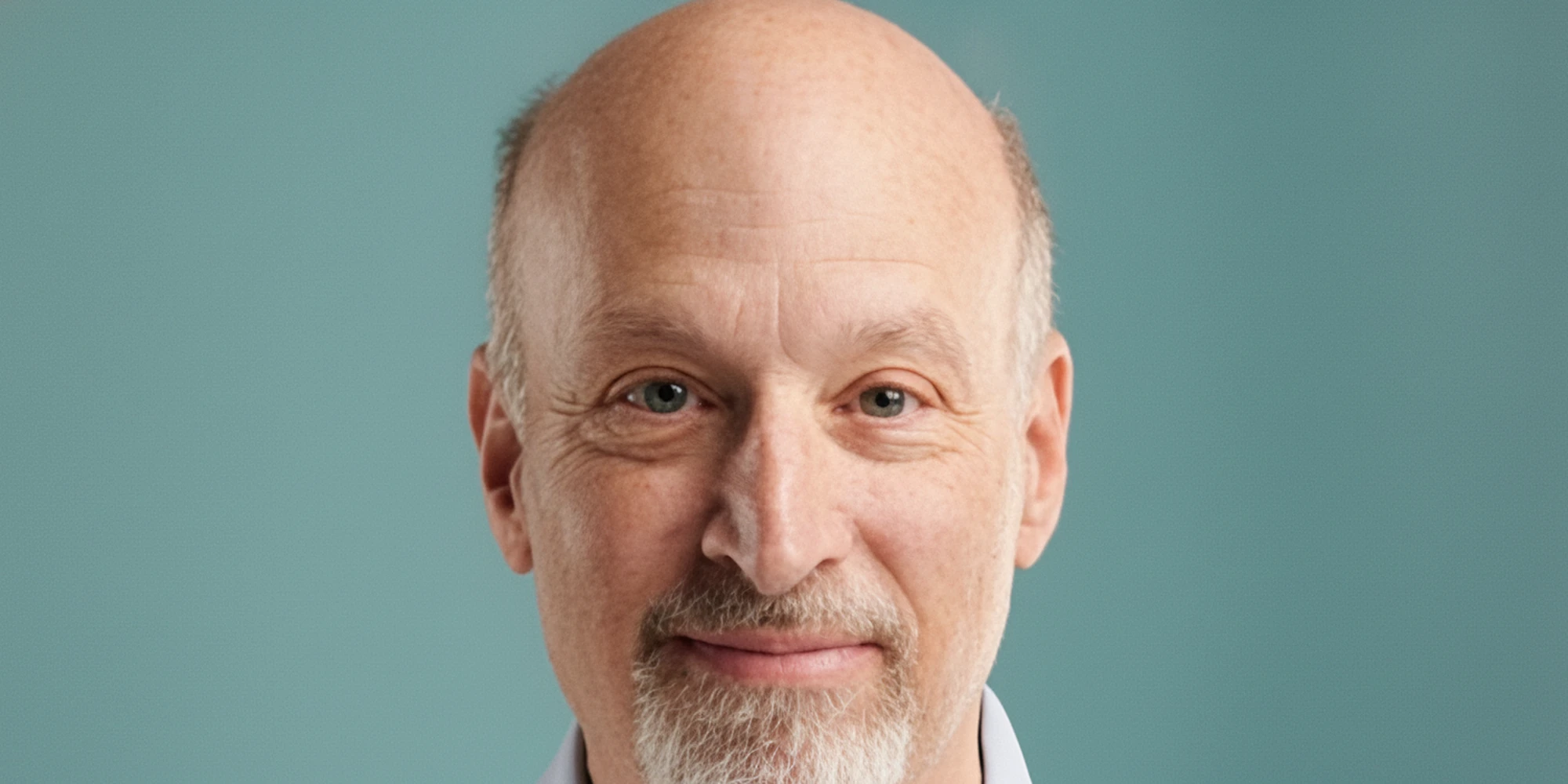
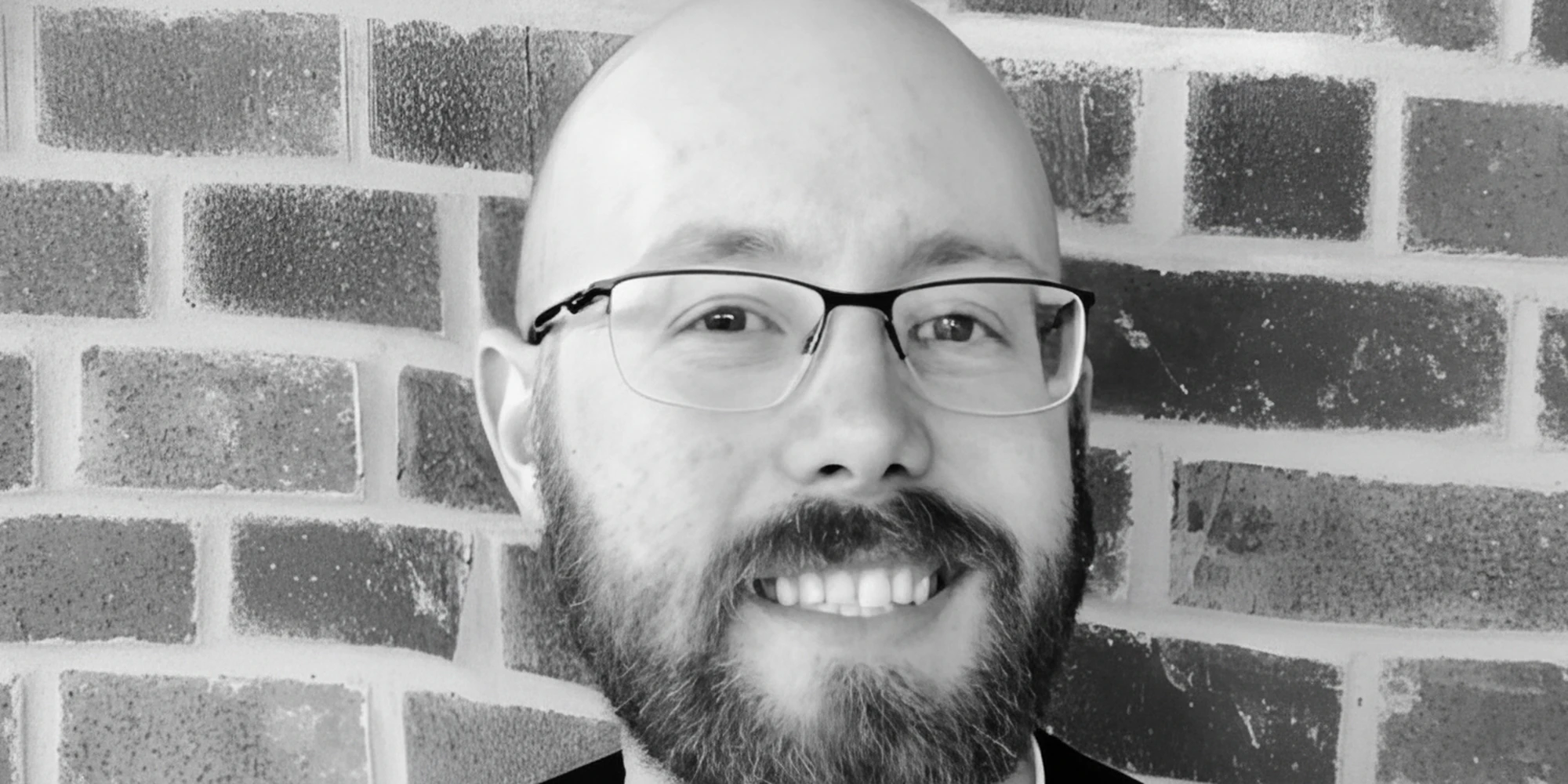
Martin Eichholz and Katie Buckley join Stephanie Vance and Molly Strawn-Carreño to share their perspectives on the role of custom research in an AI-heavy world. As Managing Partners of the US consumer practice at Basis Research, they represent a yin and yang partnership of quantitative and qualitative expertise. They explain why clients still value a strategic brain trust over standardized platforms, emphasizing that you cannot automate how people change, learn, or make choices.
The group examines the age of distrust where consumers no longer take brand narratives at face value. Martin and Katie suggest that brands must work harder to earn relevance by getting out of the office and into real-world environments. They challenge traditional views on linear consumer journeys, arguing that modern behavior is more like a swirl of touchpoints. Finally, they address the risks to the apprenticeship model in research, suggesting that as AI takes over technical tasks, junior researchers must focus on developing business acumen and building strong stakeholder relationships to secure their future in the industry.
Episode Resources
- Martin Eichholz on LinkedIn
- Katie Buckley on LinkedIn
- Basis Research on Website
- Stephanie Vance on LinkedIn
- Molly Strawn-Carreño on LinkedIn
- The Curiosity Current: A Market Research Podcast on Apple Podcasts
- The Curiosity Current: A Market Research Podcast on Spotify
- The Curiosity Current: A Market Research Podcast on YouTube
Transcript
Katie - 00:00:00:
Those who are making the decisions are very far from the people they're making the decisions for. And it's not even their fault. It's just the way the world works, right? It's just, like, this is how it's happened. And I get it. And I actually worry more about the bigger brands than the smaller brands. Because I think there's some tenacity and some interest and some, like even in a startup, they're like, well, I did this for a reason. I know the pain point, or I'm intensely close to it. I feel that the bigger brands, it's more dangerous for them to start to rely on old reports or whatever AI is gonna put out or whatever that is, because you rest on your laurels. You're like, “Hey, we're successful. We're winning. We've got this.” And then you just kind of go, “Okay, that's the same.” Well, it's not the same. It definitely isn't the same. And as much as research is changing, people are changing way faster. Categories are changing. Brands are changing. And the way in which they're finding things out, I mean, I just keep coming back to discovery, evaluation, and choice. They're fundamentally three different behaviors that were two years ago. How you discover something's different, how you evaluate something's different, and how you choose is different.
Molly - 00:01:12:
Hello, fellow insight seekers. I'm your host, Molly, and welcome to The Curiosity Current. We're so glad to have you here.
Stephanie - 00:01:20:
And I'm your host, Stephanie. We're here to dive into the fast-moving waters of market research, where curiosity isn't just encouraged, it's essential.
Molly - 00:01:29:
Each episode, we'll explore what's shaping the world of consumer behavior from fresh trends and new tech to the stories behind the data.
Stephanie - 00:01:37:
From bold innovations to the human quirks that move markets, we'll explore how curiosity fuels smarter research and sharper insights.
Molly - 00:01:46:
So, whether you're deep into the data or just here for the fun of discovery, grab your life vest and join us as we ride the curiosity current.
Stephanie - 00:01:57:
Today on The Curiosity Current, we are joined by Martin Eichholz and Katie Buckley, Managing Partners of the U.S Consumer Practice at Basis Research.
Molly - 00:02:08:
Martin and Katie bring two very different but incredibly complementary perspectives to the world of insights. Martin comes from a deeply quantitative and segmentation-driven background, whereas Katie's expertise is rooted in qualitative strategy, cultural understanding, and brand meaning. Together, they describe themselves as a bit of a yin and yang partnership.
Stephanie - 00:02:27:
Their work sits at the center of one of the big tensions in research right now. As AI and automation disrupt and upend workflows and research, they believe the more important issue may actually be what all of this is changing about consumers themselves.
Molly - 00:02:44:
So, today, we're gonna be exploring what still has to stay custom, how brands can rebuild real closeness with consumers, and what happens to the next generation of strategists if AI starts absorbing the work juniors used to learn from.
Stephanie - 00:02:58:
Martin, Katie, welcome to the show.
Martin - 00:03:01:
Welcome. Thanks.
Katie - 00:03:02:
Thanks for having us.
Stephanie - 00:03:03:
Well, we're excited to have you today. Molly started by saying this, and I really wanna get us kicked off by asking a little more about it. You guys come from opposite ends, complementary sides of the research world, quant and qual. Walk us through how you two ended up as partners and how that sort of combinatory force changed the way that you approach strategic insight.
Katie - 00:03:25:
Yeah. I feel like a little bit of credit has to be given to our CEO, who paired us together. So, it's not necessarily something that came from Martin or I, specifically, but I think it's turned into something fun and beautiful and mutually respectful and beneficial. But the way Basis is set up is that Rune Mortensen, our CEO, believes in kind of bringing together different people from different backgrounds and kind of pushing that together to see where opportunity and kind of wonderful insights can come from. So, I was running Basis in the U.S alone, and I have a very strong qualitative background. So, imagine building a business and getting a lot of quant work, and kind of be like, hey, maybe we need a little bit of a different perspective there. Also, Martin's background in building a business and business development was a huge add-on. So, I think the one thing that I would say in term and and then I'll hand it over to Martin, that we are as you will find in the next 55 minutes, we are very different people. But I think we have a genuine respect for each other, and we have a genuine curiosity about how each other thinks, which ultimately pushes the work, and I think the people that we work with harder, better, in a way that you can't really do on your own. So, I think that's how we ultimately kind of come together.
Martin - 00:04:45:
I agree. When I joined, I didn't know what to expect. I mean, you have a quick conversation with a person, and then you kind of hope for the best. And just I lucked into something magical somehow. And I would say, yes, there's definitely a yin and yang aspect here with the quality of quant, but there's also things where we are alike. I think we're both high-energy people. We're extroverts. We always, you know, bring energy into the room, into a conversation, you know, whether that is a client conversation or partying late at night with the team. We're high-energy people. And that is something that brings us together really closely, but it's just been wonderful to have her pushing back on me, me doing the same with her when need be, her key opening my eyes towards sometimes being a bit less structured, being a bit more creative. And that sounds very stereotypical, I realize, but it really works out well. And we're leading a small business. Our team is about 15 people, and we need to take good care of them, especially in today's world and all this evolution and change in our industry. So, to cover all angles and to have different personalities that can take care of different people in different ways has been a huge plus. And I always tell people, I mean, when they ask me, “Oh, who do you work with?” I'm like, “Oh, it's Katie. I love her.” There's, like, not this much between us. Like, I can't remember an important decision where we didn't agree.
Stephanie - 00:06:11:
That's awesome.
Molly - 00:06:12:
And that human connection is not just essential between colleagues, but you guys are also finding too that some of your biggest clients are coming back to more of this sort of traditional style of research in a world where a lot of human interaction, including a lot of research, is sort of being overtaken by these AI tools that are being pitched constantly, and clients are being really challenged to figure out where they fit into those workflows. So, what did their answers around why clients are returning to this sort of traditional research reveal about what businesses still cannot automate, even given all these tools?
Martin - 00:06:49:
Yes. We have. And again, for context, we are a custom research agency. We're really smart people who've done this for a long time. We're not, for the most part, standardized and templatized, and a lot of the world with AI is moving towards that. Like, there's more platforms and standardization, automation. It's different. If you remember, many years ago, when DIY became big and these platforms came out. So now, we’ve got AI, which is even more of that, but it reminds me of that sometimes. And we don't, and we can't turn into a standardized AI platform, right? That's not in our DNA. We don't want that. Of course, we use AI, right? Of course. In a lot of workflows, and we've been judicious about it. We're not anti-AI in any way. But where does that leave an agency like ours in terms of position yourself? And we don't have $5 million to invest in creating a new AI tool. So, as part of that, we did reach out to our best clients and said, “Hey, what do you love about us? Why do you come back to us?” And then also, in this world where you are bombarded with AI tools and platforms, and you're pushed internally, I know every one of our clients now has it as part of their personal goals. You need to use AI in your work. What should we do in that world? How can we better serve you? And as we listen to these answers, I mean, a lot of them were very confirming. They were like, “Oh, you know, you're our strategic partner. Don't change. You're our strategic partner. We love the work and the high-level insights you bring. Don't change.” Well, we know we have to change, so that is nice, but also not hard to act on because it basically says don't act, but we have to. But I think one thing that we learned is what doesn't change and what they still need, it's the closeness to the business, it's knowing what the organization cares about, what not, it’s closeness to the stakeholders, it’s closeness to the history of an organization and brand that not every AI model might know at every nuance. It is, of course, about relationships and, yes, even politics sometimes. What can you say? What can you not say? These things, they all still want from us. And when someone says, I see you as in, like, extended arm of my team or my external brain trust, I don't really think that changes a ton through a new AI tool. And I say that knowing full well that, again, the clients are bombarded, and they're like, oh, here's your Claude subscription. Dump everything into it and hope for the best. Like, make it work. That's easier said than done. I mean, as much as we feel challenged, I sometimes feel clients are even more scared and challenged in how to navigate all these things.
Stephanie - 00:09:41:
I love that idea of external brain trust, I think you said. I just really like that way of framing it.
Katie - 00:09:47:
Well, I think to add to that, I think the one thing we both say is we're also not afraid of AI, and we embrace AI. And we think that, I honestly think it's gonna massively change our industry, but it's going to make it better. And I think you have to have that point of view to learn with it, to grow with it, and to understand the power of it in a way that really smart minds like you know, our team and Martin and I can help that move forward. Because at the end of the day, right now, our CEO is pretty famous for saying the AI you see right now is the worst you're ever gonna see. It is just gonna get better. Like, it's phenomenally gonna get better. So, you know, there's no going back. But at the end of the day, it starts to narrow down and focus on what we can do better. And so, use it for the efficiency, use it for the small questions that you don't need, you know, migraine for that's been doing this for 25 years to answer that question. You can have those things, but you can't automate real life; you can't automate the way people are also changing and learning, and evaluating, and discovering and making choices. So, you have to stay, I just think you have to you have to keep staying close to the humans to help the AI be accurate and be reflective and be helpful in that way, but you can't go away from the fact that you probably need to check-in with people all the time on what's actually happening, what actually matters, how they're making decisions, and staying connected to them. That's probably, I mean, God, I hope it doesn't go away, but I don't ever think it should, and I don't really think it will.
Stephanie - 00:11:27:
Well, and Katie, to dig into that a little bit more, I mean, there is kind of, I won't say a temptation to, but there is a contingent in our field, I would say, reframing custom is kind of the old model, and automation as the future. Why would you tell us not to think that way? And some of you've already gotten into this some, but I'm curious, like, what else does that framing miss besides maybe a deep understanding of consumers? Does it fundamentally misunderstand anything about the role of strategic research and insights?
Katie - 00:11:58:
It's a phenomenal question because at the end of the day, I think it is gonna, like, shrink our industry for a bit. I say that, and I think that the next two years, people are going to rely on AI in a way that they are excited about and they wanna use. And then I think in a couple of years, they're gonna go, “Oh, shoot! We probably could've, you know, mixed this with a few things.” But at the end of the day, I feel like custom research should be the fuel or the engine behind whatever that automation might be. You absolutely have to have the real-life experiences and stories and narratives and generally just behaviors that people are doing to make sure that all those things that the wonderful robots are doing are right and reflective of who we are as people and what we want and where brands can meet those people in relevant and meaningful ways. So, you know, it's like it's gotta be the blend of, like, the power of those two things working together. And if you go too far into one of those sides, I think you're gonna miss the trick. And that's what I believe the beauty is, what this will all look like in the next two to three to four years of finding a balance of when can clients and brands make pretty easy decisions based on AI? Do it. Go for it. Wonderful. Like, be more efficient. When do we need to go deeper and richer to really understand what's behind that and fuel that engine in a way that then you can still make, you know, better decisions the next couple of months or years after that too. So, it's symbiotic. It's cyclical. We have to find a way for it to work together and convince everyone that actually working together is the way forward.
Stephanie - 00:13:41:
Absolutely.
Martin - 00:13:42:
I'd like to build a little bit on that.
Stephanie - 00:13:44:
Yeah.
Martin - 00:13:45:
I think, especially if you read the stuff from Lenny and the good folks at Green Book and the investment something, I forget the name, but the new weekly substack, it's good stuff. It's already almost too much. But when you read about the stuff that comes up there, and they talk a lot about human oversight, the control layer, governance issues, and all this stuff. I'd say a lot of this to me sounds kind of the strength of traditional custom researchers and strategists, this kind of layer above. Yes. We wanna get efficient. Of course, we're using an AI platform to field surveys faster. Yes. Yes. Yes. We're fully embracing that. We'll talk later about the implications for structure, and team, and junior folks. But in general, that oversight layer on top and how it all comes together, at least, say, on a kind of insight stream level, feels very relevant for custom research. Now, we are not platform builders and that kind of stuff. But on an insights generation level, I think it speaks to a lot of our traditional strengths, actually.
Molly - 00:14:56:
Yeah. That makes a lot of sense to me. And I think you both were kind of pointing at something that I think about a lot too, which is that there's a bit of, like, flattening and sameness that occurs when we rely on AI in particular. And I think that can be a benefit in templated research, right? It's only good, right? That's an area where you want things to be the same because you need, you know, comparable data for decision making and concept tests, let's say. But I sometimes think of custom research as, in that context, it becomes your intellectual property. Like, the way you choose to ask questions and then the interpretive layer you put over top, that's the secret sauce, right? Like, that's where all the differentiation lives.
Katie - 00:15:41:
And the way that you analyze it, I suppose. Right?
Molly - 00:15:43:
Yeah.
Katie - 00:15:43:
Like, I feel like that's our secret sauce. So, do you think there's a fair amount of people that will say, I'll ask this question? I know your objective. We're gonna ask it this way, and we're gonna probably, you know, do it in this way. I think what we do at Basis is what we like to call integrated intelligence, but it is that absolute way of how do you integrate methods, disciplines, thoughts, analytical lenses to say these are the unexpected insights that are gonna come from doing it a little bit differently, and I think that has to come from the analysis versus just the questions you ask. And that's hard.
Martin - 00:16:20:
Yeah.
Katie - 00:16:21:
I mean, AI can do that, and you can absolutely train it to do it. But I think even on that end, you have to have somebody, you have to have the human look at it to say that actually makes sense, or it doesn't.
Martin - 00:16:31:
And what I hear you say and fully agree with, I see ourselves as the ingredient makers. Like, there's still something at the core. There's so much talk about synthetic data. If you read the new GRIT report that came out a couple of days ago, I think one of the fastest-growing things is synthetic data. Of course, everybody talks about it. The people that I read, that I highly respect, are very discerning, but what is it good for, and what is it not good for? And there's some really cool stuff. Like, for a tracking survey, if you would create synthetic data for every wave you field, not in, for every wave, say, every month, and you say, “Oh, here's this question we wanna add.” I wonder what people would have answered five months ago. You could actually use synthetic twins from five months ago and get at least an initial sense of it, so you can look into the past, into a hypothetical past. That's cool stuff. I mean, yes, but it's still based on data from that month. And so, I hope we're gonna find an equilibrium between you have the true, I mean, organic custom research, and data that is created, and then all the synthetic stuff, all the stuff that is being built on top of that. And I think, again, if you read all, you're bombarded with all these articles, a lot of people talk about, if you wanna succeed, you need to create a data mode of sorts. Like, have your own data that nobody else has, in a way, whether that's behavioral or custom or literally as we might talk about later, like, get clients in front of customers in person. That is data too, and how you use that, but have this original data layer before it all goes into the AI swirl.
Stephanie - 00:18:14:
Yeah. Absolutely. Well, let's get into the consumer side a little bit that we hinted at at the top. Martin, you have used the phrase age of distrust when talking about today's consumers. I'm curious, what feels fundamentally different about audiences now compared to even, say, three years ago? Are there particular drivers of this effect that you can unpack for us? And is there any broadly applicable advice you would give to a brand right now that's kind of wrestling with this, the implications of the age of distrust?
Martin - 00:18:47:
I think we really believe in that, the age of distrust, and it's a real challenge for brands, for us too. I mean, we're a brand. We're an organization, maybe even for individuals. So, we believe that really is true. We believe that is, maybe not totally new, but the intensity and how wide this has spread have changed just recently. Of course, a lot of it is driven by AI, but not only. And taking a step back, if you think about people know that anyone can create any content with a click of a button, right? You could go to an AI tool and say, “Oh, write me an article, a nice thought leadership piece, 10 paragraphs on this topic, make it sound like that, and my tone of voice is…” Right? I could go on and on. It's very easy. So, knowing that, plus there was an article in the New York Times, I think yesterday that the world's leading deep fake expert has now officially said, “I can't tell anymore.” Like, the guy who will watch…
Stephanie - 00:19:48:
He's not even real. That's what I read.
Martin - 00:19:52:
Right. Even he'll watch a video 100 times and say, “I don't know if that drone is real, or if that was edited into the video.”
Molly - 00:20:00:
Oh my gosh.
Martin - 00:20:01:
In that world, when leading experts don't know what we can trust anymore, how can we expect consumers to trust? And they know that. So, we feel that. And so, how do they look at something they see? And then, of course, you have, on the flip side, it's so easy now. You don't need to go the old Google model, go and search and then go to 10 websites, and, you know, now, you look at Gemini gives you the summary. Why would you click through to 10 individual websites? But how do you trust that? If you know all this background, there is a growing, I think, deep sense of distrust. And what does that mean? And, also, easier and faster is not better and deeper, obviously.
Stephanie - 00:20:40:
Right. Yeah.
Martin - 00:20:41:
But so, what does that mean for a brand? I would say, A, I think there is a feeling, and if they don't realize that, they'd better do it quickly, that you're losing control of a narrative. Like, how you show up elsewhere is determined by many things out of your control. And who knows? Like, where you used to show up as a link in a Google search, and people get reliable information, now it might be an AI summary that is mainly based on Reddit posts or from who knows what. So, I think they're losing the race for owning the narrative. And how do you do that? So, I think we would recommend do to our our clients, do a severe, rigorous reassessment of every customer touchpoint. How do you show up? Where do you show up? How do people react to that? And I'd argue that goes be that goes all the way, of course, in AI, and there are tools for doing that already. Don't just see, am I the first brand mentioned? Well, sure. Of course. But, like, how are you mentioned? Qualitative aspects of that. Are you recommended? Is there attach a sentiment score? These tools are starting to come out and available. We wanna go deeper on that. And then we don't stop there. Like, what does it mean for in-store? We did a big project for a big beauty retailer where a lot of it was about how you use the app in-store while it's showing up. Well, now people might be in store and looking at, you know, the Gemini summary or…
Stephanie - 00:22:10:
100%. Yeah.
Martin - 00:22:11:
So, what does that mean? So, again, a rigorous reassessment of every touch point, and many of those you might not even be aware of, for the evolution is really fast, and see where you have influence, what you can do, and how you show up where.
Stephanie - 00:22:27:
That's great advice.
Katie - 00:22:29:
I was also gonna say, I think it's really interesting to look at trust by category because it means different things. And, I mean, honestly, what? I've been doing this for 25 years, and trust never stops being the question that most people are interested in. But I do think our perspective on the age of distrust is different from the way in which people think of it. How do we keep trust? How do we sustain our trust? And I wanna be like, wait a minute, no. You don't even have it. So, in financial services, it's very much like, well, I don't trust an institution. Right? I mean, it's not even your brand. It's a category problem. In tech, you've got well, is it safe? Is it secure? I mean, you've got nuance and layers of kind of trust. Retail, I mean, you know, am I finding dupes? What is real? What's not real? So, trust means different things to different categories.
Molly - 00:23:21:
Yeah.
Katie - 00:23:22:
And the more you can define that, explore it, find the nuances of that, and realize how you have to earn it and keep it versus having it gifted to you, how it used to be, is a way in which I think brands do need to switch their thinking. Like, you know, you sit in a little bit of an ivory tower all the time at the brand side, I think, and you're like, but we do well, we do this right, but that's not how people are feeling it anymore. And it's different by category.
Stephanie - 00:23:51:
Yeah. That makes a ton of sense.
Molly - 00:23:53:
I think this is a great caveat into our next question, which was about this idea of consumer closeness, which is obviously not sitting in an ivory tower and being intentional about how you connect, actually putting leadership at these organizations face to face with the people that they serve. So, I'm curious to hear from you both. What happens in those environments when you have an interaction like this that simply can't happen looking at an Excel sheet or a presentation deck?
Katie - 00:24:25:
Yeah. I mean, I think this is very close to my heart, so I will probably start us off on this, but we have an approach called the front row, and its entire purpose is to get specifically executives back in front of regular people. Because, as much as I don't know, to me, sometimes when I say it out loud, I feel like I sound like a bit of an asshole, but I'm just like, people who are making the decisions are very far from the people they're making the decisions for. And it's not even their fault. It's just the way the world works, right? It's just like, this is how it's happened. And I get it. And I actually worry more about the bigger brands than the smaller brands because I think there's some tenacity and some interest and some, like even in a startup, they're like, well, I did this for a reason. I know the pain point, or I'm intensely close to it. I feel that the bigger brands, it's more dangerous for them to start to rely on old reports or whatever AI is gonna put out or whatever that is, because you rest on your laurels. You're like, “Hey, we're successful. We're winning. We've got this.” And then you just kind of go, “Okay. That's the same. That's the same.” Well, it's not the same. It definitely isn't the same. And as much as research is changing, people are changing way faster. Categories are changing. Brands are changing. And the way in which they're finding things out, I mean, I just keep coming back to discovery, evaluation, and choice. They're fundamentally three different behaviors that were two years ago. How you discover something's different, how you evaluate something's different, and how you choose is different. And we're still using frameworks or questions that ask pretty old, outdated things on that. So to me, it's not only the way in which we ask questions or what we do for clients, but actually getting them in front of people, walking in their shoes, sitting in a car with them, going on a date with them, going to a bar with them, going shopping with them. Whatever it is is just getting you immersed in their life, which you are actually quite far from, typically, in my experience, of the person making the decision from the person they're making the decision for.
Molly - 00:26:32:
Yeah. And that's a really interesting way of thinking about it because that's maybe something that people don't recognize on the day to day. Like, actually, how close you should be to your consumers and what makes them tick. If that's not, that's a new language to learn. It's potentially not something they're versed in doing.
Katie - 00:26:49:
Right. I mean, at the end of the day, it's what Insights was built to do, right? Like, everyone knows, like, you might be, you know, a 50-year-old guy making decisions about tampons. That's fine. And you know, for a while, I mean, I think we got some more women involved here because it's gotten much more innovative and better. But at the end of the day, it was fine. There was insights that started doing that for you. But, like, are you gonna sit in the bathroom with a woman going through this? Like, how do you get people closer to that? I mean, there's a lot of new menopause or perimenopause kind of things out there right now that are so interesting. No one's really touching. Right? It's like, why aren't we talking more about this? Why aren't we trying to understand what the woman's going through and how close we can get to that, and how you can fuel innovation behind that or even just connect with people through that? And I just think there's a lot of things that are gonna be talked about more, that should be talked about more, that you can use insight and research to uncover a whole load of things that are gonna make you connect better, easier, faster, more meaningfully in the future.
Molly - 00:27:50:
Absolutely. Absolutely.
Martin - 00:27:51:
I wanna build on that. I think that's why Katie and team are so brilliant about that. This is a real art because it's not just, “Hey, put some customers in front of C-level people.” And, you know, there are so many pitfalls, it could just turn into a simple bitching session.
Stephanie - 00:28:10:
Totally.
Martin - 00:28:11:
Sometimes that is what you want. Like, “Hey, give it to us straight. What do you hate about our brand?” There's a place for that, but this is a carefully calibrated and planned exercise. In fact, often, there's no way around in-person; that's a really important part of it, and it's very different from the McDonald's CEO, you know, eating a burger or working in a restaurant for an hour. I think that's almost more for themselves, or for the employees or for PR, you know, right?
Molly - 00:28:36:
Or you could go viral in, like, all the wrong ways.
Martin - 00:28:39:
Could be. Yeah. And then everybody else jumps on it and does it better or differently. Anyways, so it's very different from that. It's a carefully planned, orchestrated, recruited, prepared kind of exercise where we really try to think about what are the gaps in the client's knowledge, how we truly get them close to what matters. And I think from the feedback we get, clients really do care about that. Now it's not new, and every brand should always be close to their clients, to their customers. It might be more important than ever now.
Katie - 00:29:15:
But, Martin, you reminded me. I do think, and I'm sorry, Molly. I think I don't know. I didn't answer your question perfectly well because I think the way in which we go about that, it's not just sitting in a car with someone or sitting in the backroom and reconnecting with your consumers. I think some of the tactics we do are a bit provocative, they're a bit uncomfortable, and they're meant to do that. They're meant to put an executive and a consumer next to each other, where the consumer says, or you know, their customer says, “You know what I don't like? I don't like this. I don't like this experience. I don't like the way in which your brand is saying this, so what do you have to say to that?” Or, “Hey, Jane. Like, live in my shoes for two days because it doesn't feel like you are, so I'd like you to do this.” So, we try to push the envelope. We try, and it's not just a nicey, nicey conversation about, don't we love this brand and isn't everything great? It's really coming from a place of, you know what, not everything's great. We don't understand everything. And how do we do some pretty intense and immersive sessions to get a bit uncomfortable and force those kinds of moments of realization. Because one thing with the front row, it's actually not you know, you think about research. You think about a deck at the end of the day, a report that lives somewhere. It's really not that. Like, there is no output other than that day.
Molly - 00:30:33:
Totally. Yeah
Katie - 00:30:35:
I just learned something. And I'm gonna go away and do that. Like, I don't need a deck to tell me that I just talked to them. I have just been making kind of crummy decisions for them for a while, and I'm gonna make a change tomorrow. So, I think that's also the flip of, like, don't emphasize this 2-week period where you get this analysis in this deck. It's like, what can you do now to change, like, what can you experience to change the decisions you make tomorrow for people? Everything's moving so fast, so does insights, and so do those decisions that these people make. That's what we're trying to do.
Molly - 00:31:06:
And for the executives you put them with to be also receptive to the criticism, too, I'm sure it's part of the art form.
Katie - 00:31:12:
Well, and the thing is, we do, I mean, I've gotta be honest. There's a little bit of a white-glove treatment. You gotta get execs out of the office. You gotta be like, you're gonna enjoy this. This is gonna be an experience. And we don't make it fake, right? The people are real. We don't tell them to say anything. We try to get the most articulate, greatest version of whatever that maybe audience is or segment, but at the end of the day, you still have to make it worthy of an executive to spend a day outside of their office. And what we do there is not only make these very immersive experiential kind of moments, but we have a dinner that is fully facilitated by someone like me or Martin, that is like, what we learn? What are we doing? What are we taking away to do tomorrow? And that's it. I mean, then you go, and you fly because there's really not a deck that's gonna tell you what to do. It has to be that experience that did it.
Molly - 00:32:02:
Yeah. It's very cool.
Stephanie - 00:32:05:
I guess switching topics a little bit, but still in the vein of maybe the disconnect between our executives and our consumers. Katie, your value or your badge value 2.0 thinking, seems like it gets at this idea that consumers now expect brands to continuously earn their place in people's lives. I'm curious how that has kind of changed the kinds of questions maybe that brands are bringing to researchers. And again, have that question of is there any broadly applicable advice that you would give brands that are dealing with this issue?
Katie - 00:32:38:
I do think the questions we ask have to change because, I mean, you know, for so long, it was like, are we a brand that's relevant to you? Like, I don't even know what that means.
Stephanie - 00:32:47:
Yeah. Yeah. Yeah.
Katie - 00:32:48:
What is that? Oh, so what does relevance mean, and what does that mean to different audiences? Like, relevant to a younger audience is very different to to an older audience, which is very different from a different category to a different category. But what I do think is when we talk about earning relevance, I mean, I think it's been one of those things. It's at least 10 years ago, but I remember doing a study about experiences and the way people wanted to experience things. And they were asking for things that still aren't possible today. Like, the expectations of consumers are wild. Like, they get one taste of something that is tailored to them or customized to them or something they love, and they're like, every category should do this. Everything that comes into my orbit should be able to do this. And literally, 90% of the time. The first time I had this conversation was at least 12 years ago; they still can't do it. But consumers will not stop expecting that it is desired. So, we can't, brands can't, and I always say we because even though I'm a researcher, I always think I work for that brand that I'm on at any time. So, I'm always like, we we we. But we can't stop saying, “What can we do?” Like, the question is, what can we do? Like, how can we get better? How can we do better for them? And that is a very different mindset and ability than was always in kind of consumer goods and services, right? So, it's like their expectations are gonna be here. We're always gonna probably be here. So, there's a big gap. Like, I think Insights does a really good job of trying to close in terms of whether it's communications, whether it's the product, whether it's experience, but how do we start to close that expectation gap? But that expectation gap is earning people's relevance and trust over time consistently, constantly. You can't rest on your laurels at all.
Molly - 00:34:38:
Yeah. Well, talking a little bit about weird consumer behavior and the things that they do, there's an interesting trend that's going on. So, Martin, I wanted to talk a little bit about your guys' most recent Tinder study, which was really fascinating because some of the findings out of that were that people are moving away from digital dating experiences and instead moving back towards real-world connections. So, I'm curious, what did that project specifically reveal about where consumers are pulling back from technology in some ways?
Molly - 00:35:13:
Yeah. Happy to talk about this without revealing anything proprietary. I would say online dating or even dating, if you want, is such a fascinating historical case study of cultural shifts, if you want. Because if I think all of us will remember when online dating started coming around. I mean, I remember having the first friend who married someone they met online and was like, holy moly. That is crazy. That was a long time ago.
Stephanie - 00:35:41:
It was. Yeah.
Martin - 00:35:42:
Right? And then it exploded. And from starting from Match to eHarmony, which I don't even know if it still exists. Then Tinder and swiping came along. And then the curve goes up and up and up, and then it's ubiquitous. Everyone, like, it's almost like, hey, now it's the op it was the opposite. You met in real life? Holy moly.
Stephanie - 00:36:02:
Totally. Yeah. Yeah. Yeah.
Martin - 00:36:04:
Truth versus…
Stephanie - 00:36:05:
No other alternative. Yeah.
Martin - 00:36:07:
And now, as culture goes and trends, now we're going back. And we're not revealing anything revolutionary here that with Gen Z or Gen Alpha, there is a trend back to IRL, and things are going there's a weariness of tech, and maybe it was just too much or growing up from the earliest age was too much, and did weird things to your brain, etc. So, there is, I don't wanna call it a backlash, but the curve that goes the other way now. And so what was interesting about the study, it was less about, you know, you know, we know they're going back. I mean, the usage goes down. There's behavioral data. We know that it's happening. So, what was interesting, especially to us as researchers, is how people are dealing with that. And it really tied back to one thing Katie and I do. We really push hard with our clients. In this age, you need to relearn your audience, and you need to understand what they're facing and how they're dealing with this. And in this case, they need to almost relearn basic human interactions, right? And to me, I'm 55. So, I grew up without online dating, and I chuckle. I'm like, well, welcome to my world, where you go to a party, or a bar, or a small pool or whatever, like a lake.
Stephanie - 00:37:30:
Public pool. Pickleball. Heck yeah.
Martin - 00:37:32:
I got to meet people, or, like, well, I grew up in Germany. Going to the pool in the summer was a big deal.
Molly - 00:37:37:
It’s like we're getting insight into Martin here. Catch him by the pool.
Stephanie - 00:37:44:
Catch him by the pool. I like that.
Martin - 00:37:45:
Where do you find people? How do you connect? And so, you're telling these people, you know, pardon my French, are scared shitless of talk of opening up in real life, of being vulnerable, and how to do all that stuff. So, this is what the research was diving into. We all know the fact, but what does that mean in real life? What are people scared of? How can, and then, of course, you put yourself into the tech brand's shoes, how can we help with that if things are moving against our category and what we're kind of all about at the core? How can we provide features that help with that, or is it a hybrid thing? Like, you
use the online app to facilitate real-life meetings and etc, etc. So, fascinating stuff. I really would put this under this big umbrella of relearning your audience in this new evolving world, which is different in every category, and how you can get closer to them.
Molly - 00:38:46:
I always love saying that back in the day, I mean, not that back in the day, but, like, back in the day, your parents would always say, “Don't trust people you meet on the Internet and don't get into a stranger's car.” And then, now we summon strangers from the Internet to get in their cars.
Katie - 00:39:04:
I love that.
Martin - 00:39:05:
Mhmm
Katie - 00:39:06:
Still don't go to a second location. That's still a good run, I think.
Molly - 00:39:09:
That's right. That remains important. I am curious. Going back a little bit to, you know, a lot of the work that you guys were describing that you do with these senior leaders, and you talked about getting them out of their office and getting them involved and showing them the value of being here and spending their time doing this. What do you think is, as you're seeing them in these environments where, you know, their assumptions are being challenged in somewhat of an uncomfortable way by design, what is the most outdated assumption that you still hear executives say or make about their customers today?
Katie - 00:39:42:
Oh, that's a good one.
Martin - 00:39:43:
I'll throw out one that is kind of on my mind lately, especially since we're doing a lot of brand trackers, and everybody loves to hate the brand tracker, but still everybody does them. But one thing is, I still see a lot of, kind of, inside-out instead of outside-in thinking in terms of brand imagery and brand equity. So, what do I mean by that? Typically, for many clients, when they study brand equity, they say, “Well, here's our 20 brand attributes. Now go and explore and measure, and how do we do on those?” Where I think the question should be, these brand attributes exist in your CMO's mind and in your vision. And that's fine, and we can work towards that, but no one talks about you like that. Like, why don't we start by like, at least, if not start with the consumer, at least make it a bipolar, like, thing that comes together from both ends, right, where here's how people actually talk about you and what they like. And there might be things they like about you that you don't know about or maybe you don't care about, but maybe you should. So, it's still this kind of start with what's in our mind, our vision, and then push that down onto the consumer, and hopefully, we can do our gap analysis, and hopefully, we can get to where we wanna be and be most known for innovation or whatever it is. We believe, let's balance that out a little bit and let's have the organic voice in this, how people actually talk about you, even if it's maybe not in the way you'd want them to.
Katie - 00:41:21:
And I completely agree with that. I would add one other thing to that. I actually think AI is gonna make it more easy for people to rest on research, asking questions that brands and companies should answer. So, I still completely abide by the way of which Apple was built in terms of you've got smart people working in that business that should design things, that should think about the next generation of what that will be, and that you hire really smart people with great ideas that are gonna push products, communications, engagements, experiences forward, and you should rely on research and insights. And I would put AI in there now because it was just a way in which research and insights are gonna be funneled to you in a way to inform and inspire, and not decide. And I think it's not necessarily just today. It's way too much in the past, even 10 years of, like, let research tell us the answer. It's not the answer. It should be one input of many, many things, and too many people are relying on that. Whether there are bonuses tied to that or whether they're too afraid to make that decision, I think we're gonna become stagnant as a culture, as a country, I guess. But even globally, if we rely on too many automated, kind of this is the answer. This is what you do. And people have to make decisions, and people have to rely on their own smartness, and that doesn't sound smart. Their own smarts and their own intuition and belief in what a brand can do, what their company can do, what they can do, and research and insights leveraging AI should inform and inspire that, versus make those decisions.
Stephanie - 00:43:02:
I like that. That framing is really nice.
Marton - 00:43:04:
One more thing that I wanna throw out because it annoys the hell out of me, and that is less an outdated assumption. It is more knowing something, but not acting on it. And that is related to journey research. Purchase journeys, customer journeys, you name it, whatever you wanna call it. But we have literally, I mean, I know personally for decades, plural, talked about the journeys being non-linear, right? And that really is old news; the journeys are non-linear. But whatever I hear and when we talk and when it's operationalized and acted on, it's still being treated as linear. And I'm thinking just forget about the freaking four phases or five that we all know about. Everyone says, and you don't act like it. So, like, people buy on TikTok now. Boom. Done. There is no journey. Like, what are we talking about?
Molly - 00:43:59:
Awareness happens at the same time that purchase happens. Yeah.
Katie - 00:44:02:
I bought a bedspread last night while watching the World Cup. Like, nothing happened. I didn't go to the store. And it's probably, I might return it, I don't know, but it literally happened within 30 seconds.
Martin - 00:44:13:
It's one big swirl. And, again, we all know that. I've written proposals with a big circle with everything and a million lines going in between. Like, 15 years ago, I've written proposals like that. And people still seem to ignore it. People still have the long journey infographic that you get after every project. Can we just please, like, do away with that? And so we push hard. We have an approach called Touchpoint 360, where a big part of it is let's go away from the phases. Like, yes. I'm sure there could be a bit more discovery, and then you consider, and then you make the final decision. Yes. Yes. Yes. But at the end of the day, what we care about is the touch points.
Katie - 00:44:54:
It makes me think, Martin, we should just erase journey from all of our touch points…
Stephanie - 00:45:00:
Maybe that's what it is. It implies the linear nature by calling it a journey.
Molly - 00:45:04:
Journey or people.
Katie - 00:45:05:
I also hate the word journey, but what journey are they on? They're not on a journey.
Martin - 00:45:10:
Exactly. So, we're trying, I mean, it might be a fight against windmills, we don't know, but to change the nomenclature. But at least the focus we think should be much more on the actual touch points, what is efficient in quant talk, what is correlated or what, you know, in a regression analysis would predict brand affinity or likelihood to buy or whatever KPI you wanna wanna pick. That way, whether it's in phase one, two, or three, do you really care? I don't know. So, that's something that I'd love to change, but I'd love to see people stop talking about it.
Katie - 00:45:46:
And I think on that from a qual point of view, the one thing I would add very quickly is, like, we can try and uncover the hidden touchpoints, I think, a little bit better than quant, or can illuminate that for quant. But how can we even, I don't know, anthropologically, like, you know, behaviorally, see what people do versus what they say? Where are they getting information that they're not saying, but we need to find out where that is, is huge. Because, clearly, AI is doing a lot of things, and people don't even know that it's doing it. So, it's like, if people don't know where it's coming from, it's very hard for them to answer a survey on where that is coming from. So, I think that's a great way in which qualitative or anthropological ways of looking at things can start to, I don't know, fill in some of the gaps there.
Molly - 00:46:30:
We're gonna promote this as hot takes.
Katie - 00:46:36:
Hot takes. We're just changing our minds as we speak.
Martin - 00:46:39:
Things Martin and Katie hate.
Molly - 00:46:42:
List of grievances. Yeah.
Katie - 00:46:45:
Oh, there's a lot. We should just start over.
Stephanie - 00:46:48:
We’ll have a set in this episode and bring you back, and, yeah, we can all share ours. Well, we hinted at this at the top of our call today, but, you know, one of the tensions that we come across in the industry, and this is back to, you know, the the researcher side of the world, is this idea that AI is going to start and it already is in a lot of pieces, removing the kind of work that junior researchers have historically learned from, how they sort of build their skill set and their, like, ability to become discerning strategic researchers later in their research lives. If that apprenticeship layer disappears, where do the future strategists actually come from, and how do they develop the necessary skills to do that higher-order work? Like, how do you all think about them?
Katie - 00:47:35:
I think it's such a cool, like, I'm thinking about it a lot. I have. I'm very close to my family. I have a lot of nieces and nephews who are just entering the workforce. I have three younger boys, who I read an article that told me that when they graduate college, 80% of the jobs that they have could be things we've never heard of. Like, that's fascinating. It's amazing. Like, the name of the job they might be going after, I would be like, I have no idea what that is. So, I think about this a lot, and more so for my nieces and nephews who are graduating now. And in our industry, what I have said, and I think it transcends industries. I think it's gonna be a rough two to three years of we don't know what we're doing, or what we don't know, and we're gonna cut junior jobs because AI is gonna replace them. But the articles I've read, and my true belief in how every revolution, in a way or evolution, has happened, is that those things produce new jobs and new skills and new ways of moving forward. And now maybe I'm being very optimistic in two to three years, but I mean, if everything moves this fast, I don't know why it's not two to three years, then we start to ground ourselves and say, “Alright. We're able to do this. We're able to do this. That means we need this and this.” I think those job descriptions are gonna look different, but I don't think that means we erase a junior level, or an apprenticeship. I think their jobs, their skill sets, and their future are gonna look different than it looks right now. But I do think the next couple of years is gonna be really messy, and I think the past couple of years have been messy. So, you know, I don't have an exact answer for that, but I also am optimistic and hopeful that when we start to iron out what AI does versus what the humans do versus what we do together, there's gonna be some clear indications of how that plays out for junior-level roles.
Martin - 00:49:22:
Yeah. I wanna build on that.
Stephanie - 00:49:24:
Yeah. Please do.
Martin - 00:49:25:
We definitely don't have the perfect solution here or anything. We're trying to make our way through this mess just like everybody else. But I think I put a bit also of a historical perspective on it, because it reminds me of, so I'm a quant guy, right? So, I've worked for countless hours in SPSS, you know, a statistical software program for advanced analysis. And I remember, as early as, I mean, 20 years ago, I would tell my junior folks, “Hey, guys, SPSS is really dangerous because you could run a segmentation analysis by clicking three buttons.” I could teach a monkey how to do that in a minute.
Stephanie - 00:50:06:
Yes. Yep.
Martin - 00:50:07:
That's not the challenge. The challenge is, like, oh, what is relevant? All the data assumptions. Does it match the client's business needs? Blah blah. That's the real work. Running it is simple. And then the same thing, I remember when you remember when data science got big. And I remember always telling people, I mean, I go to LinkedIn, and, like, two-thirds of my connections seem to be data scientists now. Every one of their uncle is a data scientist. And I know they have some platform and they use Apache or whatever, and they click or click a few buttons and they can have an ROI analysis. They have no idea of the underlying statistics or how this all works, but you click, so this is not new, right? There was always this, oh, this makes it so easy. Believe it or not, you'd need to know the underlying things and processes. Now, I can run stats. I'm not a hardcore statistician. So, there are levels, of course, and layers. But so I would tell junior people, the first thing to do is don't just take it for what it is. Like, understand how the processes underneath work, what the core components are, how they are put together, how to make sense of it, etc. And then I think for us, now literally for us and our team, of course, we have Amuse AI. In an ideal world, we can do away with the boring little stuff. Your life could become more interesting as a junior person. But in an ideal world, it means less boring stuff, and we replace it with more strategic stuff, and hopefully, you can do more stuff. But for that, we do need more work. So, we need to do this. We either do the same work with fewer people, or we need to bring in a lot more work to work with the same people. So, that is a conundrum we, especially as a more custom strategic agency, need to deal with. That is a challenge for everyone. And the last thought is, I really believe even more important than ever is mentoring. I don't mean managing. I mean, mentoring.
Stephanie - 00:52:09:
Mentoring. Yeah.
Molly - 00:52:10:
Like, what skills are worth developing? Where do you see your career going? I think for young people, they need if you're smart, you'll latch yourself onto a senior person whose job might be a little safer because they have the business acumen or relationships and client knowledge, etc, to do this. Learn from them, learn how even more important now to build relationships, and by the way, on the client side too, I have conversations all the time with, I had one with a big video gaming senior researcher last week who said, “I don't know if I'm gonna have a job in a year. There's so much, and all this AI stuff.” His tactic was, I'm gonna try to get as close to my stakeholders as possible, develop personal relationships, show them I'm smart about the business, so that they don't come to me to say run a new study. They come to me to say, “Hey, what should I do about x, given what the senior person starts with.
Stephanie - 00:53:04:
Love that.
Martin - 00:53:05:
Yeah. All are trying to figure out that's a senior person. They're all trying to figure it out. But, again, he's trying to latch onto senior people. I think that's a good strategy, especially in our world.
Molly - 00:53:17:
Yeah. I love that. That's a fantastic way to close this out and to have a restructure of exactly not just what junior researchers should be doing too, but also the level up, the skill set changes that are gonna be necessary for us to enter this next phase. I think that was a great way to close this out. Well, Martin and Katie, thank you again so much for joining us today. I think what's really gonna stay with me from this conversation is the idea that in a world that's increasingly optimized for scale and automation, the things that really matter most strategically are going to become even more custom, more personal, perhaps more traditional, and not less.
Stephanie - 00:53:57:
For sure. I totally agree with that. And this is something I think about a lot, and my philosophy is quite similar to yours. So, it was refreshing to hear you talk about the value of custom research living on because people are complicated. Context changes constantly, and some questions simply can't be answered through templates alone.
Molly - 00:54:17:
And also this tension we talked about at the end around talent development, and what that is gonna look like in the future. This industry is moving incredibly fast. It always has with every technological development, but there's still something that's very deeply human about how strategists learn to interpret, connect, and guide decisions. I think it was a great point that Martin made, too, about finding a mentor and learning what skills are really important, and that is all gonna be really important. It feels really important for us to protect.
Stephanie - 00:54:46:
Martin, Katie, thank you again for sharing your perspectives and for giving us such an honest look at where research, strategy, consumer understanding may be heading next.
Molly - 00:54:57:
And to everyone listening, thank you so much for being part of The Curiosity Current. We'll see you next time.
Outro - 00:55:03:
The Curiosity Current is brought to you by aytm. To find out how aytm helps brands connect with consumers and bring insights to life, visit aytm.com. And to make sure you never miss an episode, subscribe to The Curiosity Current on Apple, Spotify, YouTube, or wherever you get your podcasts. Thanks for joining us, and we'll see you next time.



.jpeg)


