


Description
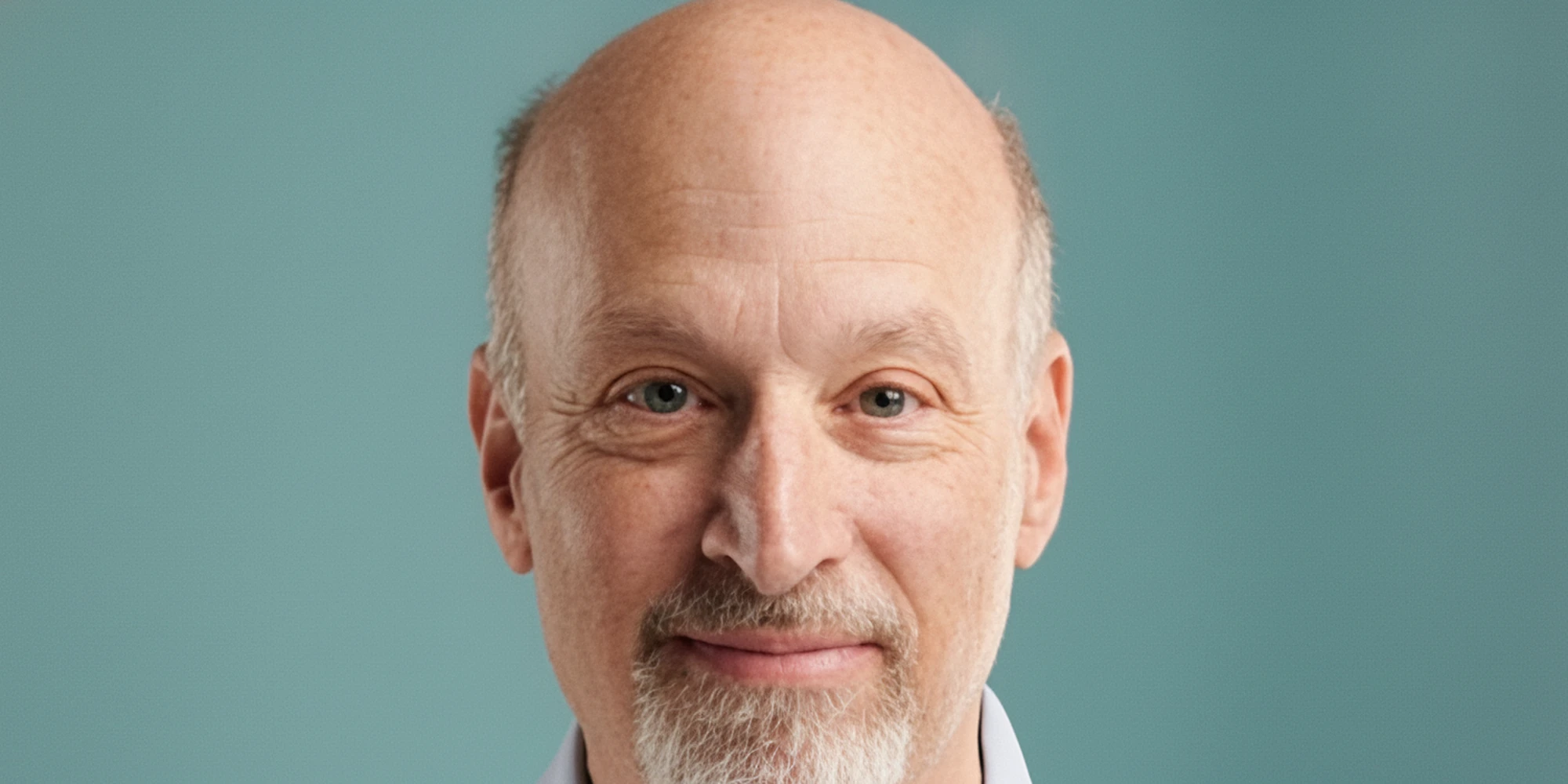
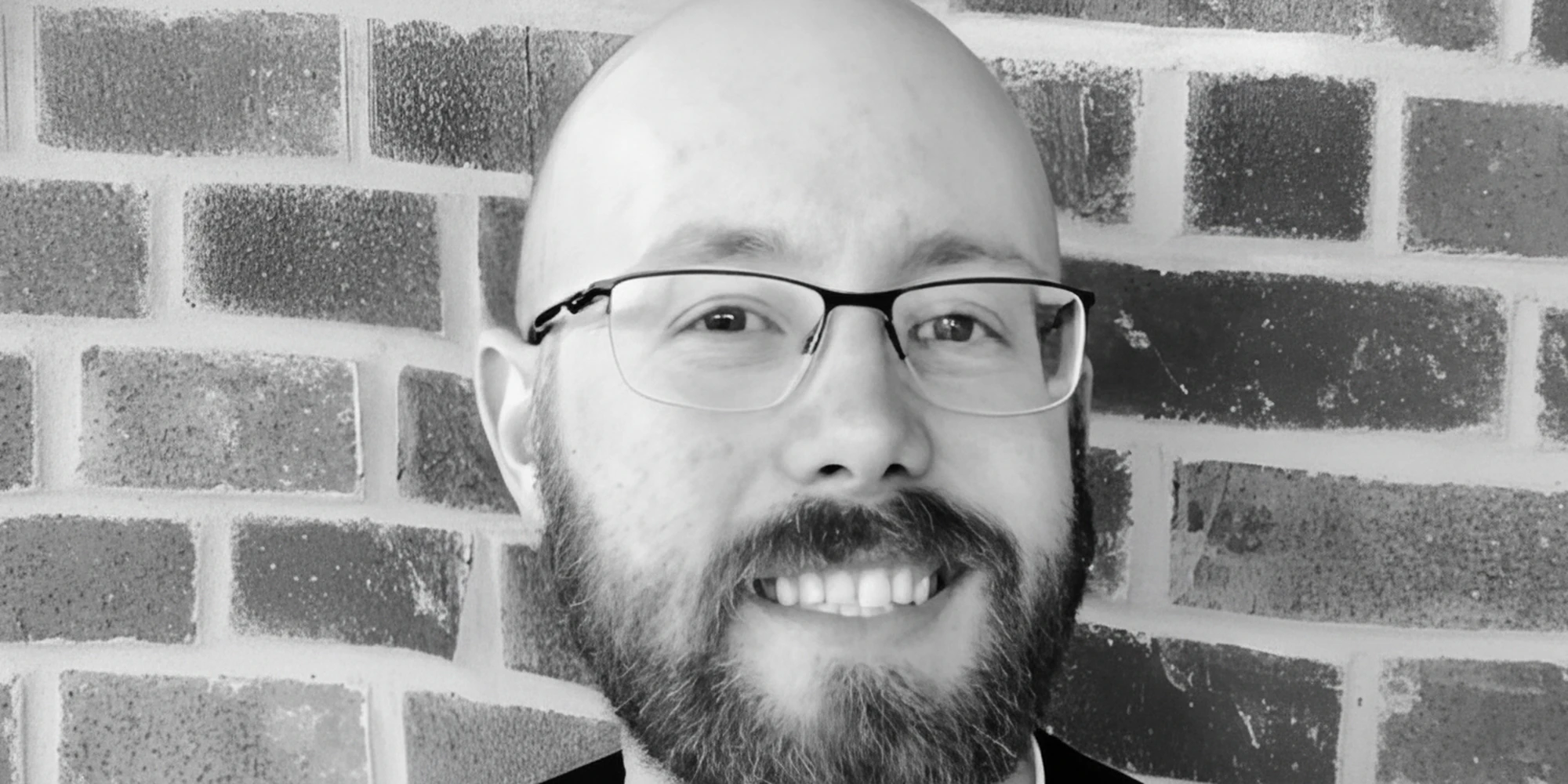
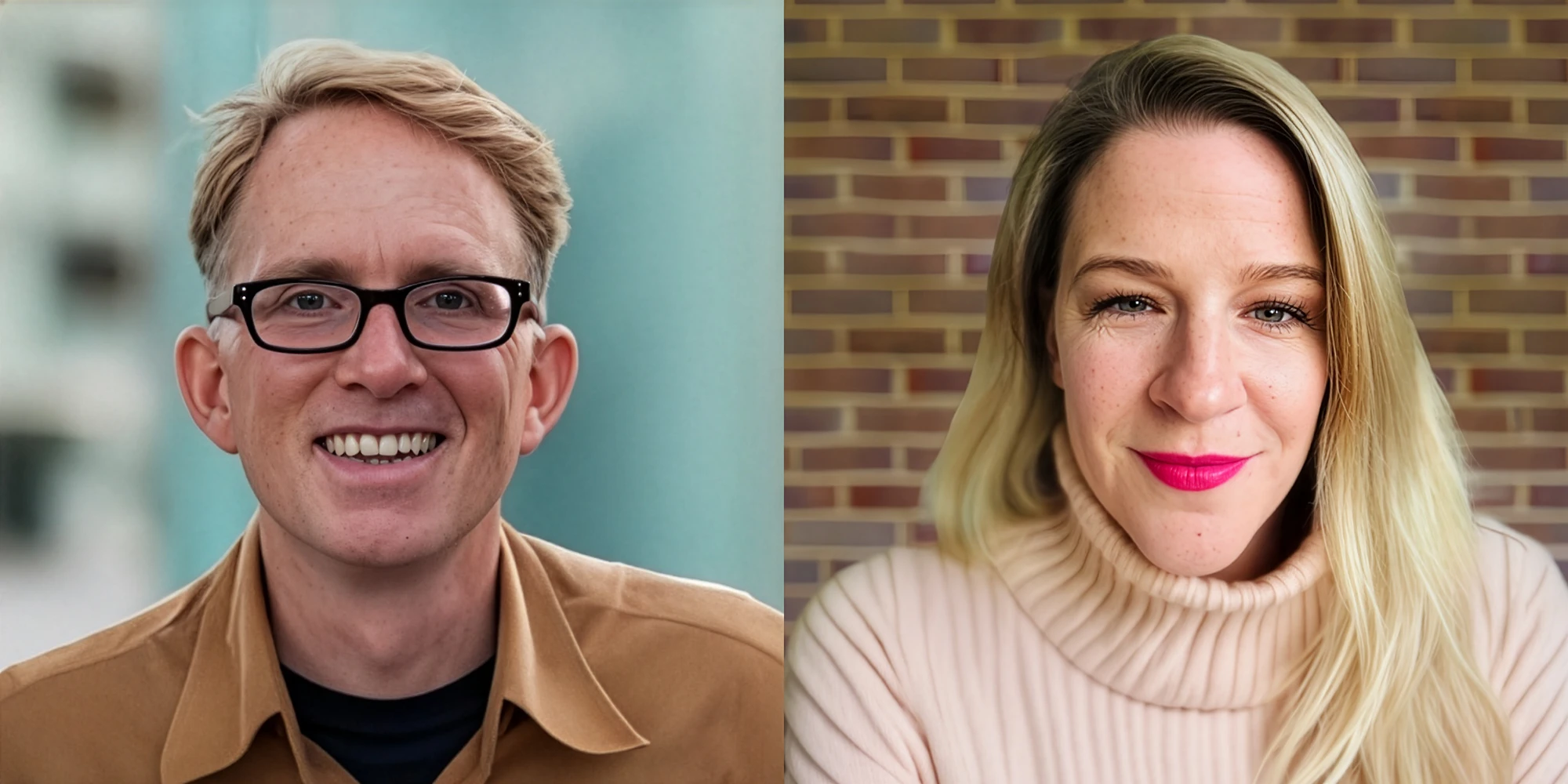
In this episode of The Curiosity Current, hosts Molly Strawn-Carreño and Stephanie Vance are joined by Bill Salokar, Director of Business Development at Gazelle Global. With a career spanning both the technical side of statistics and the interpersonal side of business development, Bill offers a unique perspective on the evolution of the market research industry. He discusses his personal transition from working behind a computer screen to building partnerships that drive strategic outcomes for researchers and clients alike.
The discussion delves into why human judgment is vital when navigating a world saturated with data. Bill explains the importance of active listening throughout the research supply chain and how building genuine trust can prevent researchers from becoming simple order takers. He also shares stories about the value of contextual learning, illustrating how firsthand observation can reveal insights that surveys might miss.
Finally, the episode addresses the current state of the industry, including the widespread anxiety surrounding AI. Bill emphasizes the enduring importance of research wisdom, which is the ability to assess findings through the lens of experience and originality. This conversation serves as a reminder that behind every data point is a human being, and keeping that connection is essential for meaningful work.
Episode Resources
- Bill Salokar on LinkedIn
- Gazelle Global Website
- Stephanie Vance on LinkedIn
- Molly Strawn-Carreño on LinkedIn
- The Curiosity Current: A Market Research Podcast on Apple Podcasts
- The Curiosity Current: A Market Research Podcast on Spotify
- The Curiosity Current: A Market Research Podcast on YouTube
Transcript
Bill - 00:00:00:
Everybody is still trying to figure out the impact of AI, and it's almost exhausting, you know, how much AI just, you know, conversation about AI and demonstrations and all. And I think a lot of researchers are, you know, they're fascinated, they feel like they have to learn, but they're also just ready to talk about anything else, anything else, please. So, I think we're there. I get the sense that there is just lots of uncertainty with all the disruptions, and I think it comes down to all of our jobs are a lot less secure than they used to be. All the constant layoffs at every level have just undermined anybody's certainty in their position, no matter where they are.
Molly - 00:00:42:
Hello, fellow insight seekers. I'm your host, Molly, and welcome to The Curiosity Current. We're so glad to have you here.
Stephanie - 00:00:50:
And I'm your host, Stephanie. We're here to dive into the fast-moving waters of market research, where curiosity isn't just encouraged, it's essential.
Molly - 00:00:59:
Each episode, we'll explore what's shaping the world of consumer behavior from fresh trends and new tech to the stories behind the data.
Stephanie - 00:01:07:
From bold innovations to the human quirks that move markets, we'll explore how curiosity fuels smarter research and sharper insights.
Molly - 00:01:15:
So, whether you're deep into the data or just here for the fun of discovery, grab your life vest and join us as we ride the curiosity current.
Stephanie - 00:01:27:
Today on The Curiosity Current, we are joined by Bill Salokar, Director of Business Development at Gazelle Global.
Molly - 00:01:34:
Bill brings decades of experience in the insights industry, starting from a foundation in statistics and research and evolving into someone who thrives at building partnerships across the ecosystem from clients to suppliers to the broader research community.
Stephanie - 00:01:48:
Bill's also deeply involved in the industry through organizations like MRX Pros and the Insights Association, where he helps create spaces for researchers to connect, learn, and grow together.
Molly - 00:01:59:
So, today, we're exploring something that feels especially important right now. How do we keep the human element in market research, and what actually counts as the best source of information for decision makers in a world that has more data than ever?
Stephanie - 00:02:13:
Bill, welcome to the show.
Bill - 00:02:15:
Thank you. It is so nice to be here. Thank you for the nice words and warm welcome. Excited about our conversation today.
Stephanie - 00:02:21:
Yeah. So are we. You know, Bill, when I was reading kind of about your background, it's really interesting to me that you've built this career that spans both the really technical side of research and the relationship side of the industry. And I was wondering, you know, looking back, if there was a particular moment where it really clicked for you, like how important the human element is in insights. And I might ask this a little more plainly and say, how did you get into relationship building when you started out in such a technical role?
Bill - 00:02:51:
Yeah. That's a good question, and I have to really go back and think about the pivot points in my career. As you mentioned, I started out very technically oriented, have a master's degree in statistics, and I spent a lot of time early in my career happily behind a computer screen coding in SPSS and doing data analysis and enjoying the presentation of it. And even early on in my career, one of the things that I got feedback on that was positive was that I had an ability to communicate statistical analysis findings in a way that was understandable to people that weren't statistically oriented. And I didn't pay much attention to that early on in my career. I just thought, well, I guess that's a good thing. And I also viewed myself as, yes, I'm a statistician. I have a master's degree, but I'm not one of those folks that is just such a marvel when it comes to being able to do math and stats that I really have to focus more on the practical side of it. And I also found that I enjoyed that. And so I think maybe that was the initial, you know, kind of seed that was planted. And as I moved through my career and got into a marketing research role, first at the Florida Lottery and then the Georgia Lottery, I had an opportunity to work with a broad team of people that were using the work that I was doing in a variety of different ways. And so that was another opportunity just to take things that I was working on in my own office and share them and have an impact on the organization. Then, when I moved to the supplier side, I started out at a company that's now part of Kantar called Elrick & Lavage here in Atlanta. And I had never worked, you know, at a supplier company before and interviewed for a position. And I talked to the president and the hiring manager, and they both said, “If you can talk, you can sell.” You know, like, well, I can certainly talk. I didn't really think about myself as selling. I still really identified as somebody who was a researcher, a statistician, and now a market researcher. And that was my core identity. I am a researcher first. I'm happy to talk to people and clients, but my identity was wrapped around this idea that I am really focused on being really good at research. And then, as my career progressed on the supplier side, I realized that I had this aptitude to not only work with existing clients but also develop new relationships. And there was something that was kind of tantalizing about that. It's like, yeah, I can build something brand new, a new relationship. And I really began to mature and move out of being a very introverted, shy kind of person to being much more willing to be outgoing, talk to people I didn't know. Part of it was that was what I needed to do in my job. But it was also that I began to find enjoyment, but I still hung on to this idea, I'm still a researcher at first. And then I had this, a couple of jobs later, I was working at a company called CMI, also here in Atlanta. And the offering that they made for this position I was going for was to be 50% account manager and 50% business developer. Like, k. Well, I still had this idea that business development was kind of a bad title for me. But as I went, I spent about three and a half years there, and I realized I'm enjoying the business development side of this much more than the account management. And it's like, I got to a point where I've seen so many data tables, I've done so many questionnaires and reviewed so many questionnaires and reports. I'm okay letting that go and realize, okay, there is this other element to the business, and I'm really enjoying that. So, then I moved into a business development role, and I've kind of been there since. Yeah.
Stephanie - 00:06:44:
Makes a lot of sense.
Bill - 00:06:45:
Yeah. So, that's kind of how I progressed as a career.
Stephanie - 00:06:48:
Definitely. Well, tell us what attracted you to Gazelle Global specifically?
Bill - 00:06:53:
Yeah. So, I had spent the last 10 years or so at SKIM and was, like a lot of folks in our industry, part of a workforce reduction last year. And I had made the decision at SKIM to go to a 4-day work week earlier last year. And when I was kind of given notice, they asked me to go to a 3-day work week to help save budget, and I said, “Okay, I'll do that.” And it gave me an opportunity. I learned about that in July. I had until the end of the year to stay on board, which was a nice off-ramp, not a lot of folks get. And I'm very happy that I had that. It gave me a chance to really evaluate what I wanted to do. And through a mutual friend, I got introduced to Anne Brown, who was one of the founders and the owner of Gazelle Global. And we had a number of conversations, and she kind of understood where I was in my career, and she made an offer, and it's also working three days a week. So, for me, that is just ideal for where I am in my career. What attracted me to it, I have spent most of my, well, except for Gazelle Global, all of my time on the supplier side of the business has been focused on Corporate America, Fortune 500 clients, spent a lot of time going after those folks as prospects, working with them as clients. And with Gazelle Global, we are a research operations hub. So, we work with research companies, boutique companies, solopreneurs, and consultants. And so, it's really, it was a refreshing change to be able to say, “I don't have to walk the halls of Corporate America. I can talk to people that are researchers.” And while I really enjoyed what I've done before, this was like a really nice kind of new starting point and an opportunity to get involved. And I think one of the critical parts of our industry right now is doing data collection and operations and doing it well. And the Gazelle Global's got a 30-year track record of doing that. And so being able to jump into that team and being able to help them, but also refocus what I do is just, just a perfect fit.
Stephanie - 00:09:05:
Totally. And I can imagine that your, like, true researcher background is actually really beneficial in a biz dev role when your clients are also supplier-side researchers, you know, to a large degree.
Bill - 00:09:18:
Right. Yeah. And I feel like I'm talking peer to peer.
Molly - 00:09:21:
Yeah.
Bill - 00:09:22:
Yeah. And, you know, again, I've got lots of friends that had a lot of great clients in the corporate roles, but their job is just a lot different. And they have all sorts of different pressures and things. And so when you're talking to them, there's a difference. And so these last 4, 5 months have been really fun.
Molly - 00:09:39:
Bill, I wanna go back to something that you said earlier about how you were a pure statistician looking at the data, but then realize actually applying that is where it's really if that's the most important thing to you. So, when we talk about data-driven decisions, we know that data is not actually what makes the decision. People do. So, in your experience, where do you see, perhaps throughout your career, where human judgment outperforms just pure data and analytics?
Bill - 00:10:08:
Yeah. Yeah. I think all of us in the research ecosystem play a real critical role as people, not just as, you know, people doing tasks in communicating what's going on. And I think for me, it comes down to this dynamic that happens in conversations all along sort of the supply chain that we work in, and the way I kind of look at it is if I am a, let me start kind of at the top, if I am a corporate researcher and I am trying to understand a business problem, I need to spend a lot of time listening to my internal clients, a lot of time listening to my customers. You know, it's a lot of listening. It's a lot of intake and processing as a human. And then I, in turn, translate that to my supplier partner. And at that point now, I'm doing most of the talking, and I'm hoping that if it's a good supplier, they're doing most of the listening at this stage. And then the same thing happens. I take it as a supplier to my team, and I'm doing a lot of talking, and they're doing a lot of listening. And then from that process of really active listening, I think we end up setting the stage for getting really good insights. And I think even above that, we need to ensure that the stakeholders are very involved in those early discussions. And I think we're gonna talk maybe a little bit later about the impact of that. So, I see that in one way, kind of coming from, I've got a business issue that I'm dealing with. I need to get an answer. So, there's a chain of communication that happens down the line and is so crucial that nothing gets lost in that, or we end up being order takers and perhaps bringing the, you know, wrong solution ultimately to the client. And so that's, I think, a skill that maybe we don't focus on enough as an industry, is this idea of active listening and active processing. And I have seen that with people I've worked with before, where they do too much talking and not enough listening at a certain point. There's another point, maybe going back up the chain where the roles are reversed, where the researcher's doing more of the talking and the client's doing more of the listening. But all of those things have to happen in a way that is a trust-filled environment, and so none of that can happen. I think this is again where the value of humans and human relationships comes into play. Those conversations are only gonna be as good as the trust, and openness, and communication, open communication between those parties. And I think that's a really key part of developing relationships, whether it's between client side person and a full-service supplier, or a full-service supplier and a panel company or a data collection company, something like that.
Molly - 00:13:06:
Yeah. Yeah. I think that's to the detriment of the research, and down the road, the business impact and everything is when you think of it very transactionally, not as two people collaborating on something.
Bill - 00:13:17:
Right. Yeah. And then it's that collaboration that, as a professional, you have to be comfortable in that, and being in that. And it's something that's a skill that doesn't just, it's not an innate skill for most people. It's something that has to be taught, coached, built upon, and developed over time. And some folks, you know, and I have met folks in our industry that are like, I just don't wanna do that. I'm not good at that. I want someone else to do it for me. Right? And that's okay. Maybe they need to be in a different kind of role. But if you're gonna be in the kind of role that I've been in, you know, account management, business development, that is such an important element of your ability to be effective. You know, one is to have all the technical skills and all the technical knowledge, but the other is to be able to understand how to use it through effective communication and know how to translate it back so that it is meaningful to your client.
Molly - 00:14:13:
Absolutely.
Stephanie - 00:14:14:
Kind of think like, following on that last thing you said, and focusing in on the insights side specifically, you know, once the study's been run, conducted, you know, the data's been collected. I think, you know, there's the subtle, but I think we would all agree, very critical difference between having information and having understanding. What do you think decision makers, like, what's the most common thing that we get wrong when, as decision makers, we or they rely too heavily on the actual numbers or the specific values in a quantitative survey, rather than taking almost a zoomed-out sort of meta kind of view of the analysis or contextualized view, I would say.
Bill - 00:14:54:
Yeah. I think, yeah, Susan Fader did a series of talks a couple of years ago about contextual learning, and I listened to her at a couple of conferences present this, and I've talked to her individually. I think that is so key. And I think the opportunities that can happen to learn more context about a client and their environment can be just so beneficial. And I know in my career, I've had an opportunity to go on-site to places and see how the business actually operates or see how their customer operates. I had an opportunity a couple of years ago to go into a laboratory at Emory University. I was working with a client on lab gloves, and I actually got to go into the lab and talk to the folks that were using the gloves and the folks that were making the decisions about which gloves to buy. But just being in the lab and seeing, okay, there are gloves over here. There's gloves over here. They go through gloves like crazy. I would never have gotten that if I had not gone into a lot because I don't get to go into labs very often. I mean, I might be at my doctor's office, but not in a lab setting, and that's what they wanted to do. And so, being able to do that now, I can look at all of the research from that lens of, okay, are we asking the right questions? Can I interpret this finding in light of what I've just seen? We actually had an intern that went into a paper manufacturing plant, one of her first assignments, and she just walked away, just like, you know, her head was exploding with how much information she got for that experience. But being able to find those opportunities to get into the context of your client's world is crucial, and it can happen in those specialized areas. But, you know, I've done a lot of work in CPG. And so, for me as a shopper, I am forever cursed, maybe, by working with companies and going down an aisle where their products are, and I can't just shop like a normal person.
Stephanie - 00:16:53:
Totally. Yeah.
Bill - 00:16:54:
Yeah. But if you embrace that, and then use that for looking at the research you're doing, it can really add so much. And I don't think it's just on us as suppliers. I think sometimes our clients need to get out there and do it too. I don't, sometimes I think they don't do it often enough.
Stephanie - 00:17:09:
Like with the consumer. Yeah. Absolutely. And I think as suppliers, sometimes, like, we don't wanna burden the client with too many questions. And that is a mindset that you just have to break because the more that you know and the more context you have to the very point you're making, the better the insights will be.
Bill - 00:17:25:
Yeah. And if you can do it together, it's even better.
Stephanie - 00:17:28:
Yeah.
Bill - 00:17:29:
Yeah.
Molly - 00:17:29:
I was just gonna add in that I'm like that with my friends because I'm trying to explain sometimes what I do for a living, and I feel like sometimes that's difficult because I'm a marketer for market research. It's just, like, too nuanced. And, you know, we'll be going down an aisle at the grocery store, and I'll be like, well, you know, the fact that this is at this line of sight versus this line of sight, and it's in this color, it's in this and this. I was like, every single little tiny bit of that was tested rigorously, trust me, and balanced and figured out everything, and then she tells me to get a life.
Bill - 00:18:01:
Exactly. Yeah. Yeah.
Molly - 00:18:04:
Well, you have as we've talked about, you spent so much time intentionally building partnerships across the research ecosystem. But I wanna talk about how that translates to another really important topic, which is trust. So, how do these relationships play a part in ensuring that the insights that are gathered here are trusted and actually implemented and used?
Bill - 00:18:27:
Yeah. I think that's, again, a fundamental question for being successful in our industry. I think to some degree, it's hard to really put a number on this, that clients like to work with a supplier where they know somebody, or they've gotten to know somebody, rather than, I know sometimes the relationship is, you know, with the company, but oftentimes it's with the researcher. And that is because they have built up that trust with that person. And it becomes an interpersonal thing. Sometimes it's a friendship, but it's, I can trust you because there's a lot at stake. Sometimes we don't really think about as researchers, you know, what's on the line for somebody on the client side? Their job security is one. But the business decisions they're making, they can be spending potentially millions or more as a company on things that we're doing. And so it comes down to, yeah, I have to trust the company you work for, but I also have to really trust you. And I think that trust also then opens up the opportunity to get away from this idea of being an order taker, order deliverer, and really opens the door to say we can have a genuine conversation about what we're doing. If things do go south, which, you know, none of us like, but once in a while they do, if there's a good relationship there, you can find a way to fix things a lot easier.
Molly - 00:19:51:
Absolutely.
Bill - 00:19:52:
But, yeah, I think people like to work with people they like. I've heard that a lot. I think more importantly, people like to work with people they trust. And so I think for researchers, and this is one of the things I've done is to, you know, try to get involved in different industry organizations, build an awareness of who I am, what I stand for, you know, what I say about things, you know, and that can come through social media, can come from doing things like this, being in industry meetings, conferences, things like that. And that, I think, builds your, you know, trust as an individual in this industry.
Stephanie - 00:20:27:
Credibility. Yeah.
Bill - 00:20:29:
Yeah. I mean, it's one of those things that you have to get out there and do it. And when you're a young researcher, and you don't know a lot of people, it can feel really intimidating. I can remember, gosh, 15 or more years ago, I went to my first, at that point in time, it was PMRG, it's now Intellus. It's a pharmaceutical market research group. Went to a conference. One of my colleagues suggested that I go because I was starting to work some of the pharmaceutical company, and I went, and my feeling was, I don't know anybody here, and everybody else knows everybody else, right? Well, zoom ahead a number of years, I'm the president of the organization. And what I did, you know, it meant I had to go, I had to put the work in to regularly go, meet people, talk to people I didn't know, you know, let them get to know me and get involved in committees, help out where I could, things like that. But it takes time. And if you're somebody and you go to a conference or an industry event of some kind and you say, “I just was uncomfortable. I'm not gonna do that again.” You're never gonna get anywhere. Yeah. But it's, I think there's a few folks that just can go to something like that, and they're just very people-oriented, and it's perfectly fine. But I think a lot of researchers, just by our nature as researchers, maybe aren't quite so comfortable with that. So, yeah, it takes some work, and it's gotta be very intentional.
Molly - 00:21:49:
Yeah. That's the word that came to mind for me: intentionality.
Bill - 00:21:52:
Yes. Yes.
Stephanie - 00:21:53:
It reminds me too of, you know, we were talking about the importance of getting context, and for just producing better insights, but it reminds me too that I think when earlier in my career, you know, I had this idea that the fewer questions I asked, and this is that order taker mode you're talking about, that the smarter I looked. Right? There's something about questions that makes you seem like you don't know what's going on. But in fact, it is the very opposite. Right? Like, the more questions you ask, the more trust that you build and the more credibility that you build. So, it’s…
Bill - 00:22:27:
Yeah. I mean, I kind of took that to an extreme, going to conferences a few years ago, and I went to one conference, and I literally was like that guy who asked a question at almost every session I went to.
Stephanie - 00:22:40:
That's awesome.
Molly - 00:22:41:
Oh, having coordinated plenty of those, you are every speaker's dream and marketer's dream.
Bill - 00:22:48:
But my thought was, and okay, I did it for a selfish reason, a couple of selfish reasons. One, I like the idea of, like, coming up with a good question. So, I mean, just to kind of think about, okay, what would be a good question? But the other thought is, okay, if I run into this speaker later in the conference, I can be, “Hey, thank you for answering my question.” Now I've got a conversation starter. Or I don't see him later at the conference, but I email him because I'm trying to get a meeting with him. “Hey. Remember me? I was the guy you asked about such and such.” And so, again, talking about intentionality, it was like, yeah, I'm not just doing it to be that obnoxious guy who keeps asking questions. I'm doing it because I want to be able to have something I can follow up on. But also, you know, I really, I mean, I had fun with it. Sometimes, I'd ask a question that was a little facetious, but done in good taste, I hope. But usually what I do is try, you know, to get a question that I thought was good and showed the rest of the folks that I'm somebody who's thinking about what's being presented here. Right? So, again, that goes to that idea about building credibility. But, yeah, I know a lot of my colleagues, you know, it's like the last thing they'd wanna do is in an open conference room, be the person asking a question.
Stephanie - 00:23:58:
It's intimidating. Yeah.
Bill - 00:23:59:
It can be. Yes.
Molly - 00:24:00:
They'd, like, run the microphone over to you, you hear your own voice echoing.
Bill - 00:24:03:
Yes. Yeah. Yeah.
Molly - 00:24:05:
We've talked a lot about, just now even, your intentionality of ensuring that the research process between vendors, clients, and amongst anyone in the ecosystem is not a transaction, and yet we're sitting in places where oftentimes the research is treated as a transaction, especially when things like an extreme focus on speed and efficiency is what's paramount often. So, when you think about the human element that needs to be present in the research process, what does that truly look like, and how does that sort of transition through the research workflow, which then will lead to the most productive business outcomes?
Bill - 00:24:44:
Yeah. That's a good question. And I've thought about that. I think for me, it is to have the buy-in of the highest level I can kind of reasonably get to, you know, in the company I'm working with. And to ensure that there is buy-in, that the research is really, well, to get understanding and buy-in, so I know what the research is trying to do. And so, the reason I say it that way is I have seen, in some cases, the research is really for the client, I'm checking a box. I need to just do this research so that I can say I did the research. We already know what we're gonna do, but we need to do the research. If I know that, and that's the case, then I can be a lot more transactional, and that's okay. Nobody's gonna get up to that.
Molly - 00:25:32:
Yeah.
Bill - 00:25:33:
If I can go and learn from that higher level, maybe it's my client's client, that there's actually a broad spectrum of ideas that are competing to get resources or whatever it might be. If I know that, then I can take that into account as I'm thinking about the research and how I'm gonna report out those findings and ensure that they are addressing what that, you know, higher level whether it's, you know, a CMO, a director-level person, a brand manager, if I understand what they're trying to achieve, then I can make sure I'm gonna answer the questions that I'm hearing directly from them. Because, you know, the research teams in corporate settings get stretched then, and a lot of times, they don't have the time to do that. Sometimes they do. Sometimes they do a great job. Sometimes they need a little help from us to, to really kind of push that. And I think there have been a lot of cases in my career where I don't have visibility into that. And it can be a real barrier to ensuring that the research is gonna land the way I want it to land.
Molly - 00:26:36:
Yeah.
Bill - 00:26:37:
Yeah. Yeah. When I know that, I can do the best work possible for you as a client.
Molly - 00:26:42:
I was gonna ask, what's the way that you tried and true have sussed this out? Is it like a first meeting, you know whether it's like, yep, I'm gonna just do this and move on, versus they're actually maybe not asking for it, but looking for a relationship?
Bill - 00:26:55:
Yeah. Yeah. I think that's part of it is trying to set the stage, and a lot of this changed with the travel restrictions that happened with the pandemic and sort of the way we work has changed somewhat. But it used to be like always striving to get in to visit the client in their office to talk about something new that's coming up, especially if it's a client, you know, that we haven't worked with before. And because that gives you the opportunity to hear firsthand what the communication's like between your research department client and their, you know, who they're reporting up to, or doing this research for. If you can hear some of that communication, you get so much more information. It's not filtered for you. But, yeah, getting in person was, like, something I used to strive to do all the time, but really hard nowadays.
Stephanie - 00:27:47:
It is.
Bill - 00:27:48:
Yeah. So, again, can you do that with a virtual meeting? Or you can try. Yeah. And sometimes that works.
Stephanie - 00:27:54:
Well, I'm gonna switch gears for us for a minute, and you know, we're gonna follow the thread of the human element, but I wanna talk about it in a slightly different context. And that is in the context of, you know, the consumers, the respondents who take our surveys. You know? I think there's something very grounding in the idea that behind every data point, there is a person. And I think that it is easy to forget that, particularly in quantitative research. I often joke that they feel more like a row of data that you might delete or might not, depending on the quality of the response. How do you make sure that that sort of human element, that perspective, doesn't get lost as sample sizes increase, and speed increases and processes scale?
Bill - 00:28:40:
Yeah. Yeah. That's probably the hardest question you've asked because I don't really know what the right answer is. Let me frame it like this. So, my first experience working with panels was back in 2000 when I joined what was then NFO, National Family Opinion. They got bought by TNS, now they're part of Kantar. They had an old-fashioned mail panel, and it was half a million to a million people that were actually on the panel. And they had a fictitious spokesperson named Carol, and I forget her last name, who actually would send out, because they did a lot of mail surveys, and they came out under her signature, and she would always thank people. And they were in Toledo, Ohio. And people would actually come to Toledo, Ohio, to meet Carol.
Stephanie - 00:29:30:
Wow.
Bill - 00:29:31:
Yes. Because the company did a lot of product testing. So, we had lots of folks sign up to be on the panel because they get to try some new product, you know, for an in-hub usage test. And so that was 2000. 26 years later, it's unimaginable to think that that kind of relationship could exist.
Stephanie - 00:29:49:
True.
Bill - 00:29:50:
And we have, you know, as an industry, moved away from that kind of personal relationship. I'd love to see some of that come back. And I think the industry's under a magnifying glass when it comes to the quality and integrity of data in panels. And can we ever get back to that? Probably not. But getting back to something that is somewhat closer to it, I think, would make a lot of folks feel much more comfortable and, you know, might be the best answer for, let's do everything with AI. You know? And I think part of the gap AI and synthetics are filling is this lack of certainty about where, you know, where are my respondents coming from?
Stephanie - 00:30:34:
Yeah. For sure. I definitely think that that is one of the answers, right, to that concern and to that question. I think about it too, by, like, you know, I think that by commoditizing sample, essentially, we've kind of dehumanized these respondents to a degree who are taking our surveys. And one of the best ways that I, because you know, you think, well, what can I one person do? And one of the things that I really think about and try to build as a philosophy here at aytm is really around building respectful survey experiences. You know? Like, the days of 25, 30-minute surveys are over, right? That is not the nature of today's human attention span, and we have to be respectful of that reality, so.
Bill - 00:31:17:
I agree. Yeah. I think that there's some great work being done. It's now under the Insights Association umbrella. There's a group called the Accessibility Insights Consortium that's really looking at making surveys available to people that have any kind of, you know, physical or mental challenge. I think that's a great effort that, again, sort of humanizes what we do. Yeah. I think the other thing maybe is, you know, I think it'd be, because every once in a while I have signed up for a panel even though I'm not supposed to be online just to get that, you know, that sense of what is it like is probably a good idea for a lot of us as researchers in our sphere of friends, family to ask, “Does anybody take surveys regularly?” I mean, I never have asked anybody that to be honest, but, you know, maybe I should, you know, and is it like, is it anybody in my circle of friends that is a regular survey taker? And I'm sure they're not gonna just tell me about it unless I ask, but…
Stephanie - 00:32:12:
Yeah.
Bill - 00:32:13:
But, yeah, again, bringing in that, what is that human experience like? What is the you know, there's lots of work done in, you know, user experience, and probably there could be more done in our industry with our respondents.
Stephanie - 00:32:27:
Definitely.
Molly - 00:32:28:
I did have a colleague a couple of companies ago who actually took surveys so much that he got interested in the research industry and works in our industry because he started taking surveys.
Bill - 00:32:40:
That’s cool. Yeah.
Molly - 00:32:41:
So, Bill, through your work with the MRX Pros and other communities and just everything that you've shared, you're constantly connecting with people and ensuring that people have the resources to continue to accelerate their careers with this relationship-first mindset. And you alluded to it a little bit by saying a lot of the things that have changed in not even the last 26 years, but even the last couple of years, especially with the pandemic and now with the age of AI. Given all of those contexts, you're in the room with these researchers having these conversations. What have the recent conversations you've had taught you, perhaps about what the industry is really struggling with right now?
Bill - 00:33:20:
Yeah. I think, certainly, everybody is still trying to figure out the impact of AI, and it's almost exhausting, you know, how much AI just, you know, conversation about AI and demonstrations and all. And I think a lot of researchers are, you know, they're fascinated, they feel like they have to learn, but they're also just ready to talk about anything else. Anything else, please. So, I think we're there. I get the sense that there is just lots of uncertainty with all the disruptions, and I think it comes down to all of our jobs are a lot less secure than they used to be. All the constant layoffs at every level have just undermined anybody's certainty in their position, no matter where they are. The uncertainty in the economy, you know, I don't think anybody expected us to be in a war with Iran this year. And the whole situation with the economy, it's got parts of it that are going crazy, parts of it that are challenging for people. It's all over the, you know, it's all over the map. How do we deal with that? And then again, just the disruptions that are coming in with new techniques and tools that are all AI-based. And those certainly have an impact on the first thing I mentioned, job security. You know, am I gonna be replaced by something that's AI-based? So, when I have conversations, I think a lot of folks wish they were busier. They wish there was more certainty in the industry, and they are, but what I'm saying from that is this kind of outreach of connection with each other and supporting each other. I mean, MRX Pros is a great example of a group where the level of support for each other is just tremendous. And what's nice about that is it's a group that grew organically. It's not part of an association. It just kind of grew, and I think the industry is hungry for that. And especially folks that are in smaller companies or working on their own really want that connection. Yeah. And they're getting it there.
Stephanie - 00:35:22:
One of the things that I think we sometimes see with, like, and I've, you know, have seen this sitting on the brand side with leaders, and I've seen it, you know, even from the supplier side with leaders or stakeholders that my, you know, direct customers are kind of grappling with. But you'll see these stakeholders or leaders asking for more data, and you're thinking to yourself, you know, what you really need is better questions, you know, that maybe it's just you're missing the mark with the question itself. What is that skill or orientation that needs to be cultivated? Is that curiosity in leadership? Is it discernment? Like, how do you think about that?
Bill - 00:36:03:
Yeah. Yeah. I think, yeah, asking too many questions is going to give you so much data. You're not going to really be able to understand, you know, what's the right direction to take as a company. You're looking to make some kind of business decision. I think there is a, you know, skill that's required to be able to crystallize a thought into, this is the key underlying question, and you know, we have techniques like laddering and things like that. How do you ladder up a set of questions to what is the key underlying question I need to understand? And a lot of the rest of that can be just distractions to getting the ultimate answer. But I think sometimes when a person, or a leader, doesn't have that clarity, then asking a lot of questions, it feels like that's the, you know, that's the strategy I should do, so I don't miss anything. Yeah. And so I think as researchers, experienced researchers, that's a role for us to help guide and say, yeah, and part of it is, you know, like to Molly, your comment earlier, we don't want 40-minute surveys anymore. We want short surveys. So, what are the key questions we can ask? I think that's why the, you know, as it was called, the ultimate question that's used for net promoter score, although lots of researchers really don't like it. It's nice because it's one question.
Stephanie - 00:37:19:
One question. Yeah.
Bill - 00:37:20:
And so, I don't know that we wanna go there, but yeah, being able to to kind of ladder up to what's the underlying question here that I need to understand to make a business decision.
Stephanie - 00:37:32:
Yeah. And I think a lot of it, too, is like this tendency to wanna maximize value, and it's just that there's some education around, you know, well, it feels like you're maximizing value by asking all those questions, but in reality, this is a side quest, right? And we're on the main quest.
Bill - 00:37:48:
And on the flip side, you know, a lot of us are guilty, I don't know of everybody. We're all guilty of, like, the, you know, 100-deck PowerPoints because we had, you know, we had 50 or 60 questions, and we have to have a, you know, slide for each one of them. Yes. And so, you know, and I think it's very rare for a researcher to say, “Yeah, we asked all these questions, but I'm not gonna include them in the report.” Right? I mean, that takes such discipline to be able to say, “Yeah, that really isn't helping us answer the question. Maybe it was good we asked them, so we know, but it's not helping, so I don't really need to report it.” It's just not in our nature, right? Because we feel like, well, you asked it. We gotta tell you what the answer is.
Molly - 00:38:26:
You asked it, and I did the work, and it's good work. I want it here.
Stephanie - 00:38:30:
It's gotta go in the appendix, you guys. We gotta put it in the back. Yeah.
Bill - 00:38:35:
Have you ever heard anybody say, you know what? I'm gonna just exclude all these questions. They weren't…
Stephanie - 00:38:39:
No. No.
Bill - 00:38:40:
Yeah.
Stephanie - 00:38:42:
It's a great point.
Molly - 00:38:43:
I wanna circle us back as we start to close off our conversation with you here, Bill, about you mentioned AI, you mentioned synthetics, what is still the most important human contribution in the research process? We hear oftentimes that AI is not gonna take your job, a human who can utilize AI is going to be taking your job, and there's steep learning curves in that, and even that prospect can be kind of scary. So, where do you see that the human stays in research versus what can be automated and still have the same rigor of the research result?
Bill - 00:39:15:
Yeah. I think it comes down to two things. One is it's what I would just call, you know, research wisdom, which is something that comes from lots of experience. And we need to value folks in our organizations that have that kind of wisdom, and I've worked with lots of them that just, you know, they've done enough research, they know their industry, their category, whatever, so well that they can take research findings and really assess what they're telling them and what that means for the business, and what action to take. And it's something that's hard to quantify what that is. It's like one of those things, like, I know it when I see it and experience it. But I think that is very critical to success, and I don't see how AI replaces that anytime soon. The other is, yeah, I'll go back to something I kind of talked a lot about earlier on is the listening skill. And really, our ability to listen and process, you know, the way a human being does, which is such a complex, you know, process that none of us fully understand it. But we know what it's like when you listen, and you get ideas that are unique ideas that come to you because you are a human being. That is never gonna be replaced by something that is only looking at maybe a really large set of data, but it's not gonna ever be original in the sense that it is with a human being. Yeah. Well, because our brains are just different. Yeah.
Stephanie - 00:40:53:
It’s true. And, like, as humans, especially, like you said, experienced in the practice, you learn to listen for the question under the question, and that's something that the AI doesn't do. It responds to the prompt, right? So, yeah, that is a uniquely human skill.
Bill - 00:41:07:
Yeah. Maybe it'll get there.
Molly - 00:41:10:
I like that idea, too, about originality. You're right because AI is looking at a vast dataset. It's still a historic dataset. It can't be original. I didn't think about it that way before.
Bill - 00:41:21:
Yeah. So, it may look original in some respects, but, yeah, it's always looking back. So, we have this, you know, this uniquely human ability to look ahead. That is very different. Yeah.
Molly - 00:41:36:
I wanna go ahead and start doing our Current 101, which is our reoccurring segment here on the show where we ask all of our guests the same question.
Bill - 00:41:45:
Okay.
Molly - 00:41:45:
Which is, what would you like to see stopped entirely in our industry, and what is something you would like to see more of?
Bill - 00:41:53:
Yeah. That is, like, again, that's not an easy question. I would like to see less anxiety about AI. I think that's it. I think there's just, there's this, you know, abundant anxiety about AI and what it means. There's a lot of excitement with it as well, but yeah, there's lots of energy being taken to explore and discuss AI. So, I'd like to see less of that from an anxious viewpoint. What I'd like to see more of, and I get the sense that AI is taking so much energy that I'm not seeing a lot of other new non-AI innovations in our industry. And one of the things, one of the reasons I read articles and, like, go into conferences is to hear about new innovations. And I think AI has overshadowed so much of the discussion that I'm not hearing a whole lot about anything that's not AI-driven.
Stephanie - 00:42:53:
That is a terrific call out. I have noticed that as well. Yeah.
Bill - 00:42:57:
Yeah. I'd love to just see more of that because I'm sure it's going on. But it's, I don't know if it's not a hot topic for conferences, or people are keeping it to themselves. Or maybe it's just, you know, maybe people are spending all their energy on AI and not looking at other things. But in our industry, there's always been such great innovations about how we do things.
Stephanie - 00:43:15:
Methodologies. Absolutely. Yeah.
Bill - 00:43:18:
Yeah. So, I'd love to see folks focusing more on that. Yeah.
Stephanie - 00:43:23:
That's a great answer. Okay. And another, the way we typically close out is to get a little advice from you. So, for someone who's listening who wants to make sure that their work truly influences decisions, what's one principle you believe that they should be holding on to as this industry continues to evolve?
Bill - 00:43:41:
Yeah. I would say no matter who your client is, they are of such value to you. Clients can frustrate us. Clients can make us really happy. Clients can be very demanding, but being client focused and really respecting your clients and what they are doing, they're keeping you in business. And, we really have to value that. And, you know, I'd like the idea of just being able to say, you know, I think of you as a friend, and I trust you. I know you trust me. And every time we have an interaction, it's a happy one. You know, whether what we're talking about may be difficult or not, I'm glad to be talking to you. And I can say in my career, I've really evolved on that. I used to just think, you know, I have to talk to clients. I've had clients. I didn't like talking with when I think about my current job and my previous job, there was not a single client that I just did not thoroughly enjoy talking with.
Stephanie - 00:44:42:
That's really great.
Molly - 00:44:43:
That's such a privilege to be able to say that. I always say clients gonna client.
Bill - 00:44:49:
Yeah. But you also just have to realize what extreme pressure they are under in their jobs. And so…
Molly - 00:44:55:
Oh, yeah. That empathy part is huge too. Yeah. Well, Bill, thank you so so much for joining us today. It has been an amazing conversation with you, and thank you so much for for sharing your industry knowledge. I think what struck me most about this conversation was, you know, your journey from just data to then looking at the applications of data and how the relationships really need to sit at the center of everything that we do, and that everything in this industry, whether it's how the insights are utilized or how the insights are collected or what we do with that information, it all comes back to people.
Bill - 00:45:29:
It does. Yes.
Stephanie - 00:45:31:
Yeah. I agree. And I really like this message that trust and understanding are built through relationships, not just through, you know, mistake free clean data delivery. That human layer really feels essential.
Bill - 00:45:43:
Yep.
Molly - 00:45:44:
And the kind of cool reminder, even though maybe we should know that every single day, but the reminder that every dataset, every data point, especially in quant research, is a real person. And the more that we can stay connected to that, the more meaningful our work becomes.
Bill - 00:46:00:
Yeah. That's true.
Stephanie - 00:46:02:
For sure. Yeah. Bill, thank you so much for sharing your perspective with us today, and for grounding this conversation and what really matters in research.
Bill - 00:46:09:
It's been a joy. Thank you so much for having me here.
Molly - 00:46:11:
Yeah. To everyone listening, thank you so much for being part of The Curiosity Current. We'll see you next time.
Stephanie - 00:46:18:
The Curiosity Current is brought to you by aytm. To find out how aytm helps brands connect with consumers and bring insights to life, visit aytm.com. And to make sure you never miss an episode, subscribe to The Curiosity Current on Apple, Spotify, YouTube, or wherever you get your podcasts. Thanks for joining us, and we'll see you next time.



.jpeg)


