

Description
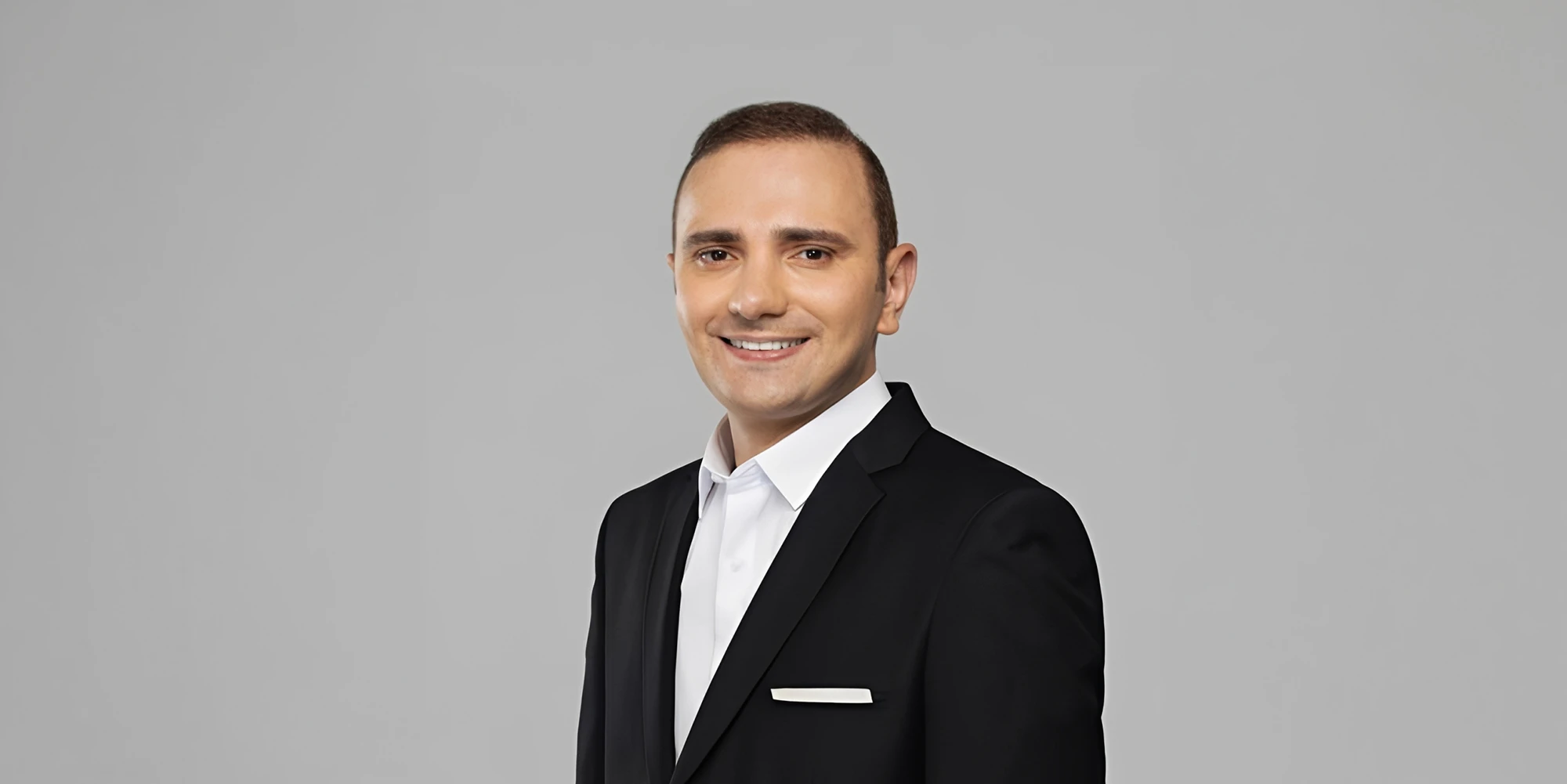
Vladimer Botsvadze, a global digital transformation and marketing thought leader with over fifteen years of experience, joins this episode. The conversation centers on the radical shift in how consumers interact with social platforms. Vladimer Botsvadze describes how search has evolved from an intentional, keyword-driven act into an emotional and contextual search for signals. He argues that social media is no longer just a touchpoint in a funnel but a compressed journey where trust and attention are earned simultaneously through authenticity and human presence.
The discussion covers the distinction between high-growth brands and legacy organizations, highlighting why agility and cultural relevance are essential for modern survival. Vladimer Botsvadze shares insights on building an always-on content engine that prioritizes usefulness over production quality.
He also examines the role of AI in mapping non-linear consumer behaviors and the necessity of measuring success through engagement quality rather than vanity metrics. By the end of the episode, listeners will understand how to navigate the social ecosystem by treating it as a living relationship rather than a megaphone for promotions.
Episode Resources
- Vladimer Botsvadze on LinkedIn
- Vladimer Botsvadze Website
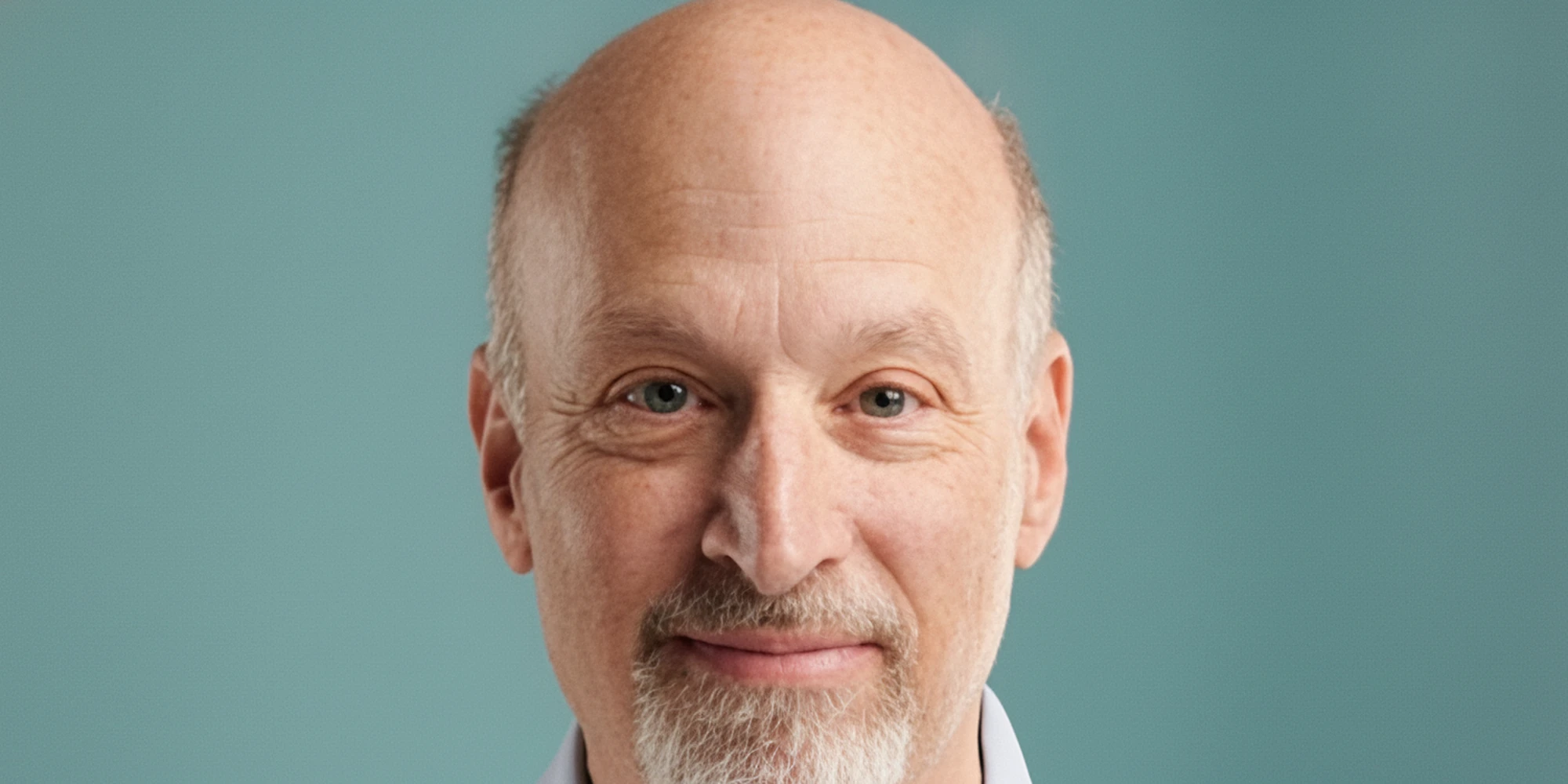
- Stephanie Vance on LinkedIn
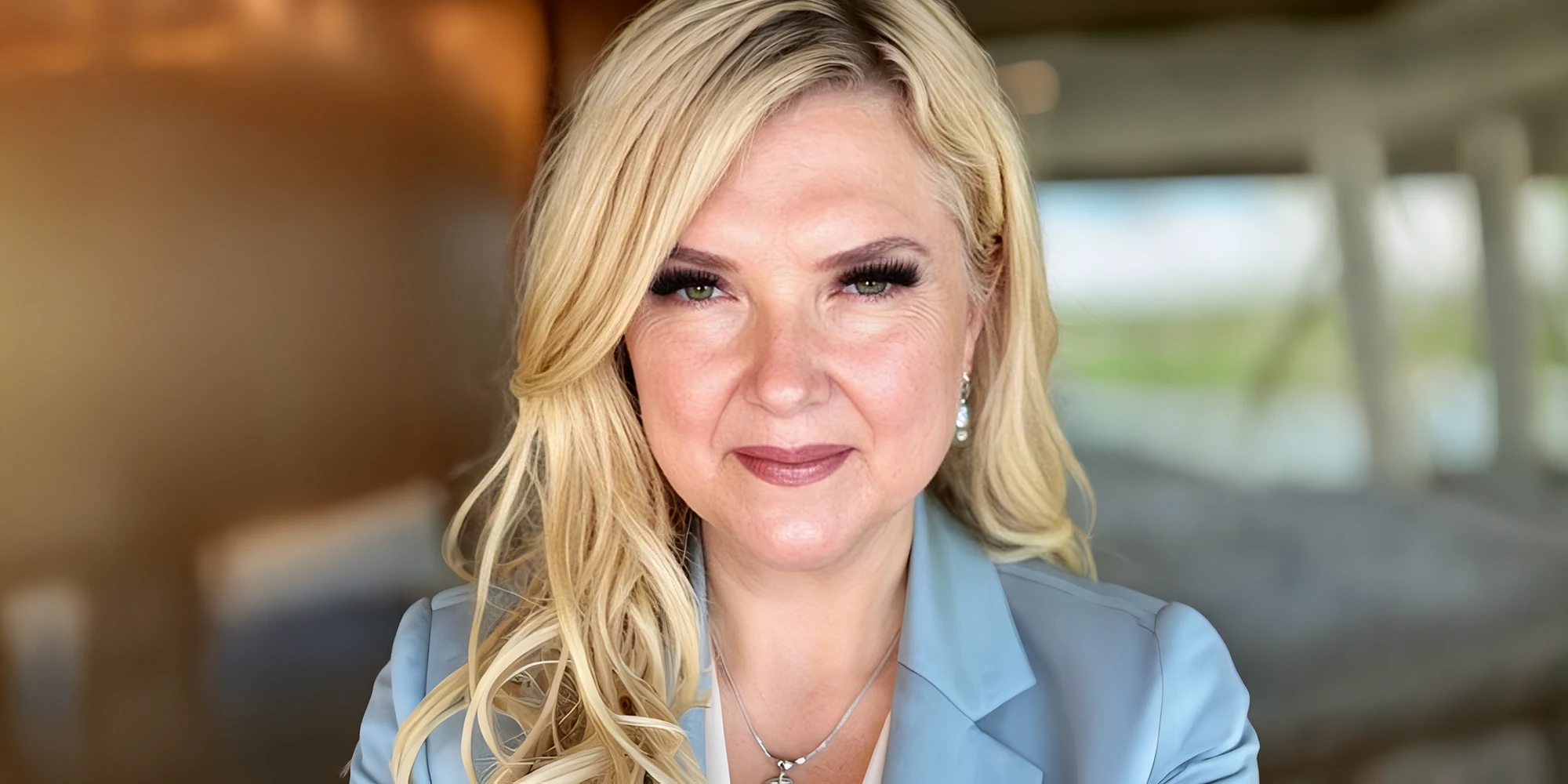
- Molly Strawn-Carreño on LinkedIn
- The Curiosity Current on Apple Podcasts
- The Curiosity Current on Spotify
- The Curiosity Current on YouTube
Transcript
Vladimer - 00:00:01:
Discovery stopped being something consumers did and became something they lived inside of. For four years, the consumer journey was relatively linear. Awareness through advertising, considerations through Google search or reviews, and conversion on a website or in-store. Search was intentional. You know what you wanted, so you went looking for it. Social media changed it completely. Now, people don't just search for products, they search for signals. Who uses this? Does this fit my identity? Can I trust it? What does it look like in real life? Would people like me buy this? So, now the most important shift is that search became emotional and contextual, not just informational. So, when someone searches on TikTok, on Instagram, Reddit, or YouTube, they are often not looking for the best answer in an objective sense.
Molly - 00:00:55:
Hello, fellow insight seekers. I'm your host, Molly, and welcome to The Curiosity Current. We're so glad to have you here.
Stephanie - 00:01:03:
And I'm your host, Stephanie. We're here to dive into the fast-moving waters of market research, where curiosity isn't just encouraged, it's essential.
Molly - 00:01:12:
Each episode, we'll explore what's shaping the world of consumer behavior from fresh trends and new tech to the stories behind the data.
Stephanie - 00:01:20:
From bold innovations to the human quirks that move markets, we'll explore how curiosity fuels smarter research and sharper insights.
Molly - 00:01:29:
So, whether you're deep into the data or just here for the fun of discovery, grab your life vest and join us as we ride the curiosity current.
Stephanie - 00:01:40:
Today on The Curiosity Current, we are joined by Vladimer Botsvadze, global digital transformation and marketing thought leader, keynote speaker, and startup mentor.
Molly - 00:01:52:
Vlad has spent more than 15 years helping brands, startups, and executives navigate the fast-changing world of digital marketing, AI, social media, and customer experience.
Stephanie - 00:02:02:
Vlad's work sits at the intersection of technology, consumer behavior, and brand growth with a strong focus on how social platforms are changing the way people discover, trust, and buy from brands.
Molly - 00:02:14:
So today, we're diving into the new social media customer journey, how social media has been a discovery engine, a search engine, and now a checkout counter, and why brands need to be thinking about campaigns towards always-on content.
Stephanie - 00:02:28:
Vlad, welcome to the show.
Vladimer - 00:02:30:
Stephanie, Molly, I truly appreciate the invitation. Delighted to be here and excited to share my actionable insights with you all today.
Stephanie - 00:02:37:
Well, so are we. So, let's get right into it. Vlad, it seems that you've spent a lot of your career building this deep understanding of how digital behavior changes the way brands connect with consumers. Looking back, I'm wondering if there was a particular inflection point where you realized that social media was going to be more than a marketing channel.
Vladimer - 00:03:00:
Yes. So, looking back, there was a moment in my career when it clicked for me that social media was not just a marketing channel. It was becoming the entire stage where people experience and evaluate brands. And I remember working with a tech startup, and we saw something fascinating: a single post from a micro influencer sparked a cascade of peer recommendations, comments, and even short video responses that directly drove purchases. So, it was not about impressions or clicks anymore. It was about the social ecosystem and shaping behavior. And that was the moment that I realized that social is not just one touch point in a funnel. It is a compressed dynamic journey. So, people are discovering, learning, trusting, and deciding all in the same space. So, from that point, everything I have done, whether advising leading brands, mentoring startups, or speaking on a global stages has been about understanding that journey in its complexity. Social media became a living, breathing map of consumer behavior, and the brands that succeed are the ones that learn to navigate it with empathy, speed, and intelligence. And Zettie's side fundamentally shifted my approach. It's not about broadcasting anymore. It's about listening, understanding, and engaging where the conversation actually happens.
Molly - 00:04:23:
When you talk about this customer journey changing and social media having to adapt, what exactly has changed in that journey that made social become more of a search behavior and, like you said, not just a broadcast channel?
Vladimer - 00:04:37:
So, what changed is that the discovery stopped being something consumers did and became something they lived inside of? For four years, the consumer journey was relatively linear. Awareness through advertising, considerations through Google search or reviews and conversion on a website or in-store. Search was intentional. Intentional. You know what you wanted, so you went looking for it. Social media changed it completely. Now people don't just search for products, they search for signals. Who uses this? Does this fit my identity? Can I trust it? What does it look like in real life? Would people like me buy this? Right? So, now the most important shift is that search became emotional and contextual, not just informational. So, when someone searches on TikTok, on Instagram, Reddit, or YouTube, they are often not looking for best answer in an objective sense. They are looking for a believable answer from a human they trust. That is a fundamentally different behavior than typing keywords into Google. And so because of that, the consumer journey collapses; discovery, validation, and conversion now happen in the same fit, often within minutes. So, a creator mentions a product, comments become reviews, then the algorithm supplies social proof, and a friend shares it. The purchase link is embedded right there. So, what used to be a funnel became a loop of influence and reinforcement. And I think another major change is that brands no longer control the narrative. In the old model, companies built polished messaging, and consumers searched for it later. In the social search era, consumers encounter their interpretation before they officially message. So, a Reddit thread, a TikTok review, or creator's opinion often becomes the brand story people trust most. That means that authenticity stopped being a branding exercise and became an operational requirement. If the real customer's experience does not match their social conversations, the market corrects it immediately. And, strategically, this changed what winning means for brands. It's no longer enough to rank on Google. You have to be discoverable in culture, searchable in conversation, and credible through people. And I would add that the brands that grow fastest today are the ones that understand that attention and trust now happen simultaneously. Social media did not just become another marketing channel. It became the interface consumers use to make decisions.
Stephanie - 00:07:17:
Yeah. That makes a lot of sense.
Molly - 00:07:19:
I was just gonna say and highlight, I think, the overall thing for me that I took out from that was discoverable in culture, which I think is such a wonderful way to look at that phenomenon.
Vladimer - 00:07:29:
Exactly.
Molly - 00:07:30:
Okay. Awesome. So, when you said too discoverable in culture, we used to talk about social media as an entertainment or just awareness platform, just you sort of knew what was out there. But like you mentioned, people are now using TikTok, Instagram, YouTube, and other platforms to answer those real questions. They see an influencer that they know. They see a real, approachable person. And like you said, those comments become reviews. And at that point, the viewers are gonna start to spend real money because they're having real answers to their questions. So, what does that shift mean for how brands should look to create content? That it's not just an awareness channel for them to create some things about, have you heard about the brand, but it's more rooted in real use cases. What do the blueprints look like for that for creating content these days?
Vladimer - 00:08:19:
Great question. Thank you, Molly. The shift is that social platforms are no longer attention channels. They have become decision engines. People now use TikTok, Instagram, and YouTube the way they used to use search engines, product reviews, or even store associates. They go there to learn, compare, and validate, and buy. That changes content strategy in a few major ways. The first is that brands can't rely on polished awareness campaigns alone anymore. Content now has to solve problems. The winning posts are now the ones answering questions like, for example, which one should I buy? Is this worth the money? How does this actually work? What happens if I use it wrong? What is better than this? So, the second is that discovery is becoming intent-driven, not follower-driven. So, algorithms increasingly reward relevance over audience size. 10 years ago, it used to reward audience size, but it changed dramatically in the last few years. A useful video answering a specific question can outperform a massive brand campaign because platforms now index content around intent and search behavior, right? So, the third is trust matters more than production quality. People making purchase decisions want proof, demonstrations, comparisons, customer experience, and transparency. So, overproduced content can actually underperform it if it feels less credible than a creator filming a genuine walkthrough on a phone. And I would add that the brands need to sync like publishers and educators because now is the last 5 years, many brands positions themselves as media companies, and it is very useful. It still works in 2026. So, instead of asking how do we promote the product, brands should ask what questions exist before someone buys. What anxieties stop conversion? What misconceptions exist in the category? What information would make the customers smarter? So, my fifth point is that content now sits lower in the funnel. Social used to mainly create awareness. Now it influences consideration and creates awareness. Now it influences consideration, conversion, retention, and customer support. So, a single video can move someone from discovery to purchase in minutes. And my sixth point is that search behavior is changing from keywords to conversations. People don't search best running shoe anymore. They search, for example, best running shoes for marathon training. And I think that means that brands should create content around real language, real scenarios, real objectives. And my last point is that entertainment still matters, but usefulness is becoming stronger mode. The best content now combines entertainment, credibility, and utility. So, the broader implication is that brands are competing not just with other ads, but with creators, reviewers, Reddit threads, tutorials, customer comments, and search results inside social feeds.
Stephanie - 00:11:33:
In all of that, there's something I wanna kind of go back to here, which is the role of trust in this new journey. I'm curious, like, what do you think it is that makes consumers believe a brand on social media before they've ever visited the website, ever spoken to a salesperson, ever gotten a recommendation from a friend?
Vladimer - 00:11:52:
I think to be more precise, consumers increasingly decide whether a brand is credible before they ever reach the official website. So, on social platforms, trust is built through accumulated signals, not a single message. So, a few things matter most. First is consistency between what a brand says and what people experience. You know? So, if the content promises one thing, but comments, reviews, and creator reactions such as another, trust collapses quickly. Social compresses the distance between marketing and reality. The second point is that visible proof over polished claims. People trust demonstrations, customer stories, before-and-after examples, walkthroughs, comparisons, and live usage more than brand slogans. So, ‘show me’ has become stronger than ‘tell me’. My third point is human presence. Brands feel more trustworthy when there are recognizable people attracted to the content. I think the best example regarding this, my third point, human presence, is Emily Weiss, who cofounded Glossier. So, Emily started as a blogger. She built a personal brand. She was treating blog readers as friends, and she said that her product was her content. And I think Glossier became a billion-dollar cosmetic brand through storytelling, community building, building a personal brand, treating followers as friends, and putting real friends first. So, if you check out the website of Glossier on the homepage, you will see that they don't show stock images. They show real pictures of real friends. And I think it is amazing that it is human to human. We are human beings want to do business with human beings, not businesses, right? So, as you know, the trust in businesses, brands, and advertising declined 15 years in a row, so we trust our friends. We trust our colleagues. We no longer trust advertising that steals our time. And I think that human presence is very important. So, whoever builds communities, whoever builds their personal brands, whoever treats their followers as friends, and whoever interviews the biggest fans from their social media feeds, the biggest fans for their website, and whoever puts customers first, they become a market leader. So, as Emily Weiss became a market leader through putting real fans first, it is well-deserved success for Emily and Glossier, because it is a great example that by bringing consumers together, by caring for consumers, I think that I agree with Gary Vaynerchuk, who said that care is the best marketing strategy. So, when you care, you can build anything. Even Emily Weiss cared about real fans, and she built a billion-dollar cosmetic brand. You know? So, brands feel more trustworthy when there are recognizable people. As I mentioned, the founders, employees, creators, customers, and audiences trust faces, voices, and personalities faster than logos. Okay? So, nobody trusts logos. Everybody trusts human beings. My first point is that comment sections have become part of the brand experience. Consumers' real replies, complaints, questions, and community interactions as social proof, a brand that responds thoughtfully and transparently often earns more trust than one with perfect creative. You know? Another point is imperfection now signals authenticity. It is very important that highly scripted content can feel less believable than straightforward conversational videos. Audiences are used to creator influence, so they often interpret overly polished messaging as corporate filtering. So, what has really changed is that trust used to be institutional, brand size, advertising budget, retail presence, and professional websites. Now trust is behavior and observable. How the brand acts, how customers react, how transparent the company is, and whether their community validates their message. And I would add that in many categories, the real home page is no longer the website. It is TikTok search results, Instagram comments, YouTube reviews, and creator ecosystem surrounding the brand.
Molly - 00:16:06:
So, when you talk about the journey from a startup brand to a big brand, you gave some really cool examples right now about specialized approach to social media and how this really helped influence and build powerhouse brands. But you work with different brands in all kinds of different phases, so from startups to global brands. And I imagine that the social playbook and the resources available to create this kind of always-on content is very different depending on the company. So, what do high-growth brands tend to understand about social that perhaps bigger brands or even more legacy organizations often miss? And how can resources be used in a way to ensure that this always-on content is being created in a meaningful way?
Vladimer - 00:16:52:
Okay. So, I think one of the biggest differences I see between high-growth brands and larger, more legacy organizations is a set around social as a strategic, not just transactional. High-growth brands understand that social is not just a channel to push promotions or broadcast messages. It is a platform for learning, testing, and building a cultural identity in real time. They are obsessed with listening. They don't just post and hope for engagement. They actively scan conversations. You know? So, they track emerging trends and respond quickly. That gives them a kind of agility legacy organizations often struggle with because bigger companies tend to be slower with multiple and pro-war layers and risk-averse policies. So, another thing that high-growth brands get is the value of authenticity and personality. Social is not just about the product. It's about culture, voice, and community. And these brands often experiment with tone, humor, or formats that resonate with their audience, even if it feels risky or unconventional. Legacy companies sometimes miss that because they are overly on consistency and control. Finally, they think long-term and integrated. Social is not just marketing. It informs product development, customer support, and even business strategy. By treating social as a feedback loop rather than a megaphone, these brands can move faster, pivot smarter, and build a loyal, engaged audience that acts as advocates and co-creators. In short, high-growth brands see social as a dynamic two-way relationship with the world, while many legacy organizations still treat it as a one-way broadcast channel. The difference is the mindset between agility, authenticity, and integration versus caution and control often defines who wins in today's fast-moving market.
Stephanie - 00:18:49:
Yeah. Absolutely. You've brought this up a couple of times around the idea of community, and I think there's something so human about the way that communities are shaping purchase behavior. How should brands think about the community layer of the customer journey? And is that the part of what you're talking about? Is this, there’s a little bit of maybe a lack of focus on how important that can be, or are there particular ways and strategies that brands could be employing to really think about the engagement of that community layer?
Vladimer - 00:19:20:
Okay. So, there is something almost human about the way community shapes buying behavior today, and high-growth brands are treating that reality not as nice-to-have, but as central to the customer journey. At its core, community is just about social proof, trust, and shared identity. People are no longer just looking at a product. They are looking at how it fits into the lives, values, and experiences of a group they care about. The brands that get this thing about community as a layer that touches every stage of the journey. Early on, communities help spark awareness not just through paid campaigns, but through authentic conversations, peer recommendations, and user-generated content. So, in the consideration phase, community can surface insights and testimonials that make a product feel less like a transaction and more like a trusted choice. And even post purchase, communities become a support system, a place for advocacy and a feedback engine that informs future products. Communities respond to authenticity as they reward brands that listen, participate, and add value rather than just broadcast. That means that brands need to create spaces where they're on social platforms, forums, or even offline experiences, where consumers feel seen, heard, and part of something bigger. So, thinking about the community layer is not just about tactical play. It is a strategic mindset. It transforms the customer journey from a linear funnel into a living ecosystem where relationships drive behavior, not just campaigns.
Molly - 00:21:02:
Well, let's take a look at what this actually looks like in practice because a lot of marketing teams might be listening to our conversation right now and then go back to their desks and still think in campaigns and launches and content calendars. And you've talked a couple of times now about the need for this always-on-demand content. So, what does that engine actually look like when it's done well, and what are some perhaps practical steps that people can take towards that new type of content?
Vladimer - 00:21:29:
So, when people talk about always-on content, they often imagine an endless stream of posts with no strategy. Right? So, but done well, an always-on content engine is less about volume and more about relevance. So, it is a system that keeps your brand present, agile, and meaningful in the conversation rather than just pushing messages. In practice, it looks like a few key things. First, a mix of foundational content that establishes your voice and values. These are evergreen stories, product principles, or cultural pillars, and reactive content that responds to trends, community conversations, or timely moments. Second is fueled by insight from your audience and data, so you know what topics, formats, and messages are resonating in real time. Third, it is integrated across the organization. Social does not operate in a silo. It's feeding product ideas, customer support, and even PR. Finally, an effective always-on engine is not just about podcasting. It is participatory. It encourages community engagement, celebrates user-generated stories, and adapts quickly when conversation shifts. So, the brands that master this look alive, human, and relevant every day rather than only when a campaign demands attention.
Stephanie - 00:22:51:
Yeah. I mean, that sounds like such a practical playbook just even right there. Super useful for thinking about this stuff. I'm curious, you know, one thing we haven't talked about yet, Vlad, as AI becomes more embedded in marketing, I would love to hear your thoughts about what role it should be playing and maybe what role it should not be playing in this social customer journey that we're talking about?
Vladimer - 00:23:15:
So, as AI becomes more embedded in marketing, I see it taking a critical role in helping brands understand the social consumer journey, not just at a surface level, but in a way that captures context, intent, and emotion. The social consumer journey today is not linear. People move between platforms, devices, and conversations in unpredictable ways. AI can help map these behaviors, detect patterns, and even anticipate needs before they are expressed. For example, AI can analyze social conversations to identify emerging trends, sentiment shifts, or even micro communities that a brand might not otherwise notice. It can highlight the moments in the journey where consumers are most receptive to engagement.
Stephanie - 00:24:03:
Yeah. Super valuable.
Vladimer - 00:24:05:
Yes. But it is important to remember that AI should inform strategy rather than just replace human judgment. So, while AI excels at scale, speed, and pattern recognition, it does not have empathy, intuition, and ethical reasoning that humans bring to marketing. In essence, AI should not act as a lens amplifying our understanding of consumer behavior, providing actionable insights, and helping us respond more intelligently. By combining AI-driven data with human creativity and empathy, brands can not only predict what consumers want but also connect with them in ways that feel authentic, meaningful, and socially relevant. So, the goal is not just efficiency. It is a deeper, richer understanding of the consumer journey that allows for smarter, more human-centric marketing.
Molly - 00:24:58:
I think that point about human-centric marketing and how to actually capture that on the reporting side is another interesting topic of conversation. So, normally, when we're looking at success metrics for social, we look at engagements, reach, views, percentage of how much a video was watched. But now in this new environment, when consumers are instead discovering these brands through creators, comments, videos, and comments and peer recommendations, What success metrics should marketers be measuring outside of just the usual?
Vladimer - 00:25:31:
So, when consumers are discovering brands through creators, comments, short videos, and peer recommendations, marketers need to expand their lens beyond the usual vanity metrics. The first area to consider is engagement quality. It's not about likes or shares. It's about meaningful interactions. Are people commenting with questions, tagging friends, generating conversations that indicates real interest? That kind of engagement signals authentic consideration rather than passive scrolling. Another metric is sentiment and perception shifts. AI and social listening tools can help track how the tone around your brand changes in real time. For example, our short video campaigns making people more excited, skeptical, or curious. This is valuable because it reflects the emotional impact which often predicts future behavior than clicks alone. Micro-community influence is another key area. Tracking which niche audiences are engaging and amplifying your message can show where brand is growing organically. Peer recommendations and creator endorsements have more weight when they come from trusted micro communities rather than mass channels. Finally, think about actionable attention small behaviors that indicate movement along the consumer journey. Are people saving your content, searching for your product after seeing a short video, or sharing recommendations in private groups? So, these micro-conversations often precede actual purchase decisions and can be early indicators of a long-term brand traction. So, last but not least, the new frontier success metrics is less about reach and more about influence, trust, and emotional resonance. So, tracking the moments where consumers move from discovery to genuine interest and advocacy.
Stephanie - 00:27:27:
So, one thing that I think about when I hear you guys talking about this, Vlad, especially how you're describing all of this is really how fast the path from discovery to purchase is becoming. And I wonder if you could talk a little bit about what do brands risk when they treat social, when they continue to treat social as just a channel instead of this full consumer journey that it actually is? What is the risk there?
Vladimer - 00:27:54:
A great question, Stephanie. So, one of the biggest shifts we are seeing today is how compressed the path from discovery to purchase has become. And a consumer can see a product on a short video or read a few comments and make a purchase within minutes, sometimes without ever visiting a brand's website or traditional channels. That speed is exciting, but it also exposes a major risk for brands that treat social simply as a marketing channel instead of a full consumer journey. So, when social is below the brand's risk missing context, they might measure success purely in clicks or impressions and miss how people are interacting with the brand at different touch points, comments, peer recommendations, shares, or even how content gets repurposed across platforms. And treating social as a standalone channel can lead to disjointed experiences where messaging does not align customer needs, are not met in real time, and opportunities to build trust and loyalty are lost. It also risks misjudging the consumer mindset. Social is not just a funnel entry. It is often the entire journey compressed into bite-sized interactive moments. Brands that ignores that are essentially saying that we will react to what people do rather than we understand and guide what people experience. The consequence? Missed conversions, weaker advocacy, campaigns that feel transactional rather than relational. In short, the risk is not just losing a sale. It's losing relevance. Social is not a channel; it is a lens into how people live, connect, and make decisions. And brands that embrace it as a journey, not a broadcast, are the ones that turn discovery into meaningful, lasting engagement.
Molly - 00:29:44:
And I think that definitely lends to the point that you talked about earlier about being discoverable in culture. So, you could have a great marketing plan, but if you're not culturally relevant, you are not going to get the depth at which you need to showcase to your customers that you understand them and that this is the ways in which they're gonna utilize your product or your service.
Vladimer - 00:30:06:
Exactly.
Molly - 00:30:07:
Well, this is awesome. And as a marketer myself, I've been listening to the conversation and also taking copious notes and realizing I probably have to listen to this conversation again as a listener and not just as a host. So, I wanted to ask you our reoccurring segment here on the Curiosity Current that we call Current 101, where we ask all of our guests the same question, which is, what is something in your space that you would like to see more of, and what's something that you would like to see stop completely?
Vladimer - 00:30:35:
Okay. So, one assumption that brands really need to rethink is that social media is just a broadcasting channel. Too many teams still treat it like a megaphone, push content, track likes, and hope for engagement. The reality is that social is a full consumer journey. You know? Treating it as a silo channel risks missing the context, the conversations, and the moments that drive real connection. So, as for capabilities, every team should be building social intelligence at scale. That means that combining listening, pattern recognition, and behavior insights to understand not just what people are clicking, but how they are thinking, feeling, and influencing one another. When teams can see the social ecosystem in real time, they can respond faster, create more authentic content, and turn fleeting moments into lasting relationships.
Stephanie - 00:31:28:
And then for someone, Vlad, who is listening, who wants to understand where consumer behavior is headed next, what is one mindset that you would encourage them to adopt as social media just continues to reshape discovery, trust, and purchase?
Vladimer - 00:31:43:
I think the first is to show gratitude to your followers. Then my tip is to build community around sheer interest and put your customers and the real fans first. As I mentioned, the great example of Glossier and Emily Weiss who built a billion-dollar cosmetic brand by putting real fans first never used stock images, but you know that many brands and many organizations use stock images instead of connecting with real fans and consumers in real time. I think the great example of personal branding is Elon Musk, who built a trillion-dollar automaker through building personal brand, putting customers first, improving product in real time by connecting with consumers, sharing updates, answering their questions. And I think social media is a reactionary business. It's all about listening and responding. As I mentioned in my previous responses that social media is all about listening, not broadcasting. But as you know, more than 62% of Fortune 500 brands disappeared since 2000 because they treated social media like they treated outdoor media. So, they went out of business and they were boardroom-centric, not consumer-centric. But I think customer centricity is a be-all and end-all. And whoever puts customers first, they are the ultimate winners, right? So, I think the brands can learn a great deal from open-minded entrepreneurs who build their personal brands by listening to their consumers, and whoever is open-minded wins. So, market decides what is good and bad. So, market decided that Tesla is good, Glossier is good, Airbnb is good, Uber is good, and the rest of brands are good that improve product in real time by listening and responding to their consumers.
Stephanie - 00:33:27:
Makes a lot of sense. Yeah.
Molly - 00:33:29:
Yeah. This has been a fantastic conversation, Vlad, and I am sort of bummed that it's ending. You've had some really amazing viewpoints, not only viewpoints, but ways, very tangible ways that our listeners can take away some strategic implementations from this talk. What struck me most was this reminder that social media is not just where consumers spend their time anymore passively. It's where they search, compare, trust, and ultimately decide to purchase.
Stephanie - 00:33:56:
For sure. I agree. And I keep thinking about how the journey has become, to Vlad's point, so much less linear and it seems like the brands that understand that shift and are capitalizing on it, they're not just producing content. They're building sustainable relevancy and ongoing relationship.
Molly - 00:34:13:
Right. I mean, I'm gonna say it again that being discoverable in culture and the way that you do that is through this idea of always-on content and not just posting more just for the sake of it. It's about being present in the moments where your consumers are actually forming opinions about your brand, and are deciding if they're going to purchase from your brand.
Stephanie - 00:34:32:
Yeah. It's fascinating stuff. Vlad, thank you for sharing your perspective and for helping us think more clearly about the future of the social consumer journey.
Molly - 00:34:40:
And to everyone listening, thank you so much for being part of the curiosity current. We'll see you next time.
Vladimir - 00:34:46:
Thank you.
Stephanie - 00:34:47:
The Curiosity Current is brought to you by aytm. To find out how aytm helps brands connect with consumers and bring insights to life, visit aytm.com. And to make sure you never miss an episode, subscribe to The Curiosity Current on Apple, Spotify, YouTube, or wherever you get your podcasts. Thanks for joining us, and we'll see you next time.





.jpeg)


