


Description
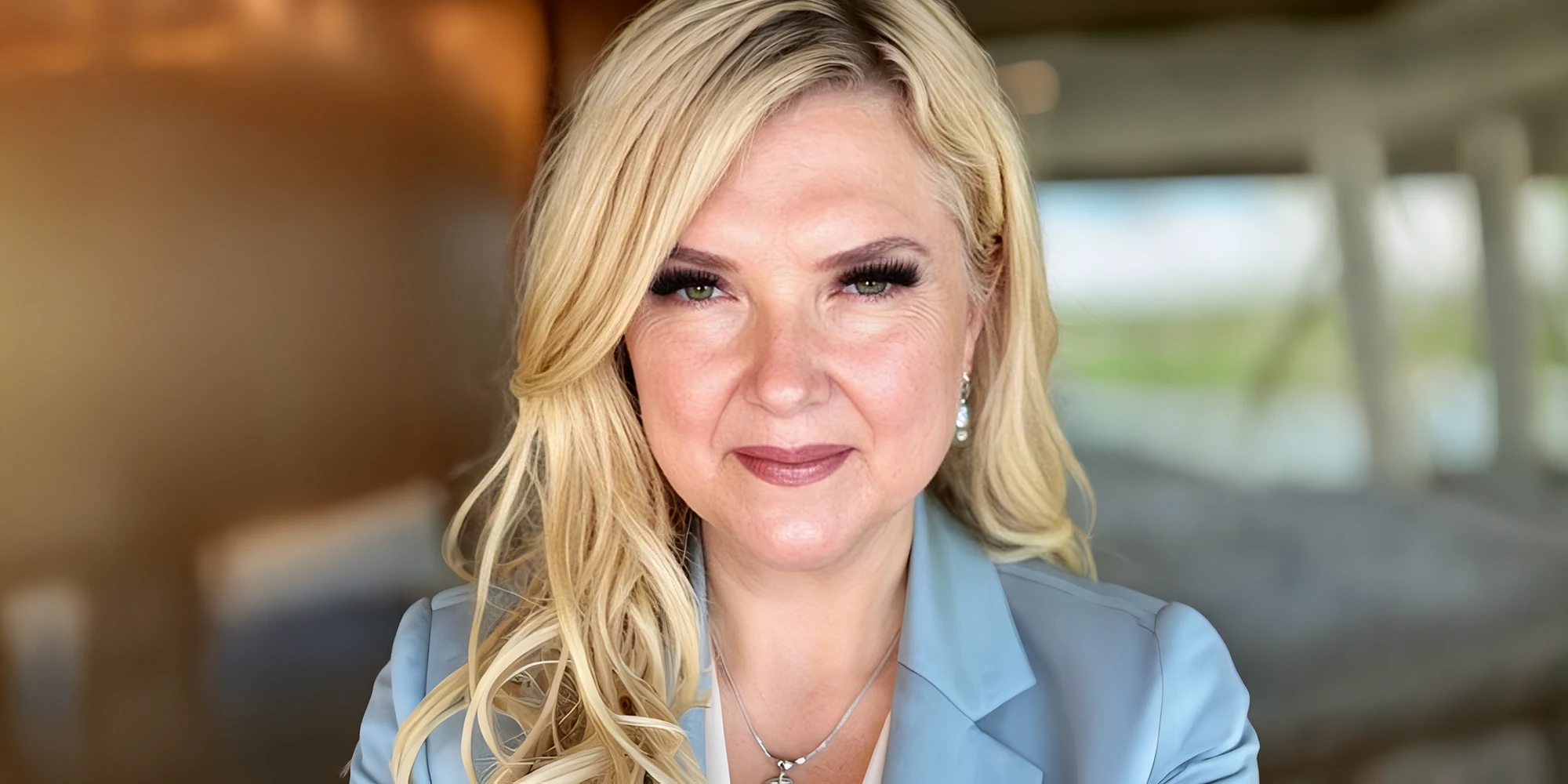
Gloria Reardon began her career in a field office at Pizza Hut during the launch of stuffed crust and worked her way through brand, insights, and marketing roles across Yum! Brands, Captain D's, Coffee Bean and Tea Leaf, and The Fresh Market. Along the way, she developed an appreciation for what research actually does inside an organization: not just answering questions, but feeding the creative, aligning cross-functional teams, and giving marketers the evidence they need to sell ideas both internally and to franchisees.
In this episode of The Curiosity Current, Gloria explores the food trends she has tracked across her career, from the rise of functional beverages and botanical flavors post-COVID to the nostalgia wave that brought scratch cooking back into home kitchens. She explains how the menu adoption curve shapes where QSR brands can and cannot play, and why The Fresh Market operated differently as a specialty grocer with an appetite for earlier adoption. She also shares what it took to launch nitro cold brew at Coffee Bean and Tea Leaf, walking through the intercept testing, focus groups, and communications research that helped the team find language consumers could actually connect with.
The conversation turns to the research practices Gloria sees eroding inside modern food companies, including the abandonment of stage gate processes, the failure to do sensory work before changing core products, and the tendency to change multiple variables at once and then wonder why sales shifted. Gloria is direct about what this costs brands and what younger marketers need to understand about the fundamentals that drive long-term success. She closes with career advice grounded in trust, cross-functional relationships, and intellectual curiosity.
Episode Resources
- Gloria Reardon on LinkedIn
- Stephanie Vance on LinkedIn
- Molly Strawn-Carreño on LinkedIn
- The Curiosity Current: A Market Research Podcast on Apple Podcasts
- The Curiosity Current: A Market Research Podcast on Spotify
- The Curiosity Current: A Market Research Podcast on YouTube
Transcript
Gloria - 00:00:01:
If you have a really great communication method or a good rapport with your cross-functional colleagues, I think that's something because that takes trust. It takes all these different things when you're working with people that they trust you, they look to you for answers, but that everybody communicates and understands what's going on. I think that helps things move faster.
Molly - 00:00:27:
Hello, fellow insight seekers. I'm your host, Molly, and welcome to The Curiosity Current. We're so glad to have you here.
Stephanie - 00:00:35:
And I'm your host, Stephanie. We're here to dive into the fast-moving waters of market research where curiosity isn't just encouraged, it's essential.
Molly - 00:00:45:
Each episode, we'll explore what's shaping the world of consumer behavior from fresh trends and new tech to the stories behind the data.
Stephanie - 00:00:53:
From bold innovations to the human quirks that move markets, we'll explore how curiosity fuels smarter research and sharper insights.
Molly - 00:01:01:
So, whether you're deep into the data or just here for the fun of discovery, grab your life vest and join us as we ride the curiosity current.
Stephanie - 00:01:13:
Today on The Curiosity Current, we are joined by Gloria Reardon, a brand marketing leader with deep roots in the food and beverage industry.
Molly - 00:01:22:
Gloria has spent her career using research to shape brand identity, drive product innovation, and position products in ways that resonate with consumers. She led insights-driven initiatives across the Fresh Market, Captain D's, and major QSR brands, including Taco Bell, KFC, and Pizza Hut.
Stephanie - 00:01:40:
Today, we'll explore how research doesn't just inform tactical decisions. It defines brand strategy, it fuels product development, and it helps marketers connect with consumers in truly meaningful ways.
Molly - 00:01:52:
Gloria, we are so excited to have you on the show today. Welcome, and we're really looking forward to just dive in it.
Gloria - 00:01:58:
I'm excited to be here. Thank you. Who doesn't love to talk about food?
Stephanie - 00:02:01:
That's right. Absolutely. This will be a fun one.
Molly - 00:02:04:
Oh my gosh. Coming from somebody who hasn't even had breakfast yet, I'm gonna be ridiculously hungry after all this.
Gloria - 00:02:11:
We could pause for you to have an eating break?
Molly - 00:02:13:
Oh no!
Gloria - 00:02:14:
I'll have something DoorDashed over to your house.
Stephanie - 00:02:16:
I love that.
Molly - 00:02:17:
Yeah. And we could talk about the trends of that, too, later on.
Stephanie - 00:02:21:
Absolutely. Well, Gloria, let's kick this off. The way that we really wanted to open the podcast today is to talk a little bit about your career more generally. You know, you built this career at the intersection of consumer research, brand strategy, and all of that in the context of the food space, from Pizza Hut and Taco Bell to Captain D's to the Fresh Market. And before we really start to get into the conversation, I would love it if you could just kind of get us started by telling us how you got into insights, and particularly, what attracted you to the food and beverage industry?
Gloria - 00:02:53:
You know, if you ask a lot of lawyers how they got into a particular field of law, they will say, I don't know. I just fell into it. And in some ways, I just, you know, fell into it. I was working in science and grants and University of California, and this job came up. And I had applied to work in the field office for Pizza Hut, and I found, you know, working with ops, working cross-functionally, the food space was really fun. They had just launched back in the 1900s, late 1900s.
Molly - 00:03:26:
Oh, God.
Gloria - 00:03:27:
I'm saying, Rob, when people are like, you know, mom, way back in the 1900s. But they had just launched Stuffed Crust.
Stephanie - 00:03:34:
Oh, yeah.
Gloria - 00:03:35:
And so it was a really exciting time to join. And they were, obviously, when sales are great, everything's great, but it was just, I don't know. I just really started. I love pizza, but it just kind of kicked it off. You know, fast food is fast food, but it's really interesting as well, especially when you start getting into the products and how they ideate, how they innovate. Yum had a very good process for all of that. And like I said, I mean, I started in the field office and kind of worked my way from there into branding and then just having to understand insights. So, and I know we've talked a little bit about, you know, selling inside the building in our pre-conversation, but it really is important for marketers to understand research because they're the ones that have to sell it and not just sell it internally in the building and make sure people are in line, but to sell it to franchisees too, right? That's a huge piece of it. And just making sure your members are pretty tight and that you know what you're talking about. But all of those elements, I mean, food is just, I get it when you guys wanted to talk about food trends and all sorts of different food, I just got a little warm and tingly inside because I really became a trends nerd later in, like, probably, you know, in the last 10 years. And so just seeing how different trends come in, how they fall off, you know, the world is getting smaller with the Internet and social media, and so food profiles are changing. Kids today eat sushi. If you would have said, my mom would have said, “Hey, hey, Gloria. Do you want some sushi?” No, I don't.
Molly - 00:05:14:
Yeah.
Gloria - 00:05:15:
But now, you know, kids are like, “Oh, I’ll have some sashimi, please.” Okay. And it's just different, you know, and now America's love of hot and spicy has escalated. And so, way back when, they would have said, “Well, let's launch, you know, a hot and spicy pizza.” People have been like, “No. Nobody wants that.” Now people are putting hot sauce on their pizza, and so they're innovating around that to help to go after those consumers, and so it's just amazing. Food is just exciting, and it's sensory, and it's all these things. And like I said, just to hear people talk about it and get excited about it. And not to mention, you get to try a lot of products.
Stephanie - 00:05:57:
Do you like that?
Molly - 00:05:58:
Oh, dang. That's a cool perk.
Gloria - 00:06:01:
Oh my God. Get to know the chefs and go have your lunch made in the test kitchen.
Molly - 00:06:07:
Oh, what a hard career you have for you.
Gloria - 00:06:10:
I know. I know. I learned from the best, though. I was like, “Where did you get that?” Through, like, the test kitchen. I'm like, hmmm, note to self, note to self.
Molly - 00:06:19:
Wow. Well, let's get into the meat of some of those trends. A little bit of a pun intended. We're gonna have some food puns going on, I feel like, this episode. I mean, you started, you know, Yum! Brands, but then you've worked across a spectrum of different types of brand foods. And I wanna dig into perhaps the first time you saw a trend that was up and coming, and you had to kind of sell that internally because it was maybe a bit off the wall before it became hugely mainstream. What went into, for you, building that confidence around what that insight was?
Gloria - 00:06:52:
Well, so when you talk about food trends, and I'm sure you're aware, Stephanie, and if you've ever worked on FOODMO, you know, there's a MAC curve, right? Menu Adoption Curve. And so, there are those four areas where food trends will, you know, exception, they're just kind of making their way, then you get to adoption, proliferation, and ubiquity. QSR typically plays in ubiquity and proliferation. So, before anything would really take off, it would already have been substantive within the industry in many other ways before it hits QSR. So, I will say, like, I'll give you an example. Captain D's, they did Nashville Hot Fish. Now that was something obviously coming in Nashville. They knew it was gonna be up and coming, but it was something that really kind of took traction later on, so it had more relevance. If you're looking more at, you know, I made the switch over to, like, with coffee bean, coffee is very trend-forward. And then also in the grocery space, the Freshwater was specific because it was speciality grocery, so they are more in the adoption phase inside, more toward the beginning part of it. And so what I did was, you know, there's great platforms out there. There's one in particular I like to use. They even called me a power user. I'm like, “I am?” But the idea is that, you know, I would go in there and constantly check to see what's on the horizon, you know, and what's holding. A lot of things fall off, you know? Is it a fad or is it a trend? And we even had internal discussions about can we get behind this fast enough to where we would have an impact on when, you know, this would be the time to sell it. And so I would say in working with the merchants, merchants are like the food developers. They're the buyers. They bring in everything. My role with them was to take, you know, they have spins, and they have other things that they use for reference point. My job was to, “Hey. This, I think, is a sales opportunity. I've been watching it.” It's like the stock market. You just gotta keep watching it. And so I would see where it is. I would, you know, the beauty of AI, we had AI, and then I could sit there and say, “How many restaurants right now are selling this?” And, you know, you could kind of understand the breadth with which it was taking off. I'll give you a good example, but I think it was more of a fad. Dubai chocolate was something that we were looking at right before I left. And I was like, I'm seeing it a lot on social media. I think it's gonna be a fad, but I think that's something that we can take advantage of if we're looking to do something for private label and make it, you know, something new and different. And so, I would work with my counterpart in private label so that we could go through those things and provide those flavors, spices, you know, different kinds of food trends. I was surprised that one of the things that I saw is Italian food used to be America's comfort food. Now, it's Mexican food. Mexican food is now America's comfort food. So, I was like, you know, if we're going for craveability, if we're going for all, you know, different things, maybe we should look at some Mexican options. So, you know, Fresh Rocker had their foot in, you know, fresh-made guac that they sell. It's delicious. It's made fresh every day, you know, and so there were different things and elements that they were bringing in that leaned into that. I will also say that, you know, I would get these deep dive reports on a particular category and share those with the merchants, be it, let's say, meat and seafood. If there were particular cuts of meat that were starting to come in. There was this whole movement about, what was it, nose to hoof. How do you use every part of the cow, you know, or whatever you're using, so that there's no waste, so that, you know, you're being environmentally conscientious, you know, you're not wasting food. And it was just interesting because, you know, I've seen short rib really start to be ubiquitous, almost ubiquitous, but that was something I would have never, hmmm, short ribs, something, you know, but there you see chefs trying to use, they start using different parts of the animal, and then it's carried over, right?
Stephanie - 00:11:06:
It trickles down, yeah, out to the public. That's so interesting because you're right. Those trends do start in restaurants. Fine dining, right?
Gloria - 00:11:16:
Mhmm. And so the other thing that I think is kind of interesting, as we talk about trends as they go when they fall off, all this plant-based development, you know, the in-lab meat making, if you will. But now what I'm seeing, everybody's advertising, you know, fried and tallow or they use beef tallow, and now it's, you know? So, instead of it being I need plant-based everything, it's, you know, it's okay to have some of these other things because I really like the flavor. And so it's just, things can just turn on a dime like that with trends or, you know, over time, but you know, I think that if you're looking at QSR, you're mainly going to see it's gonna be about so I'll give you an example, Stuffed Crust. People love Stuffed Crust, and they wanted more cheese. So, where were they gonna put more cheese? You know, if you put if you mix the product or if you put it on top of the product, it becomes heavy. So, well, let's stuff it in the crust, you know, and people have more teas. And then you see now, I mean, other pizza chains all have their own take now, stuffed crust. I've seen Parmesan being shoved in the crust, and so people are, there's different line extensions of it, and they take it, and they create something completely new and different, or, you know, they keep building on it. But QSR, still pretty much, you know, ubiquitous, proliferation, you're not gonna see anything too unique. If anything, it's just gonna be a different way of selling what they got.
Stephanie - 00:12:49:
Makes a lot of sense.
Gloria - 00:12:50:
Did that help or was that help?
Stephanie - 00:12:52:
Yes. Absolutely.
Molly - 00:12:53:
Yeah.
Gloria - 00:12:55:
Okay. What I wanted to hear from you, too, I mean, everybody notices trends, right? As soon as I brought it up, you're like, oh, yeah. But I've gotten a little obsessed, so I'm always looking when I see things. Like, there's a lot of things you would see. For instance, my favorite trend coming out of COVID, which turned its tables on eating all in all, is functional beverages.
Stephanie - 00:13:15:
Totally.
Gloria - 00:13:16:
You know, making your food nourish you. Right? That was one. So, now there's all these different brands and companies that cater to that. Two that I use that are close to my heart, Clever, one of Oprah's favorites, and then they too, Matcha and Chai, but it’s all with, it's plant-based. So, it's like oak or oat, sorry. I would never normally drink oat milk or any of that, but I love these. And I add them to my smoothies, get my adaptogens, my cordyceps, and then I love, I know, everybody's like, what? And then…
Molly - 00:13:53:
Yeah. The mushroom coffee is interesting.
Gloria - 00:13:55:
Yeah. Because when it first came out, people were like, what, you know?
Molly - 00:14:00:
That was me. I was like, oh, no, no, no. My husband is always looking at all those interesting health foods, and he bought it. And I was like, this is, what are you doing?
Stephanie - 00:14:09:
I love calling it mud helps. I'm just gonna say that.
Gloria - 00:14:15:
Yeah. I don't think they really took an insight there and made it. There was no insight there. I would not drink anything called blood. I think they were maybe going after the same type of yarn like liquid death, which I don't think necessarily, it worked for that, but not necessarily for mushroom. Mushroom coffee was gonna be a hard sell for a lot of people, especially as people working, and heads working in the industry, selling legal stimulants is typically very easy, especially if it tastes good, but mushroom? No. And then the other one I love is Recess. So, Recess is one I've just discovered, and it has magnesium in it, it has all these things that is supposed to, you know, make you calm, and then we can talk about new nootropic beverages that are supposed to make you happy.
Stephanie - 00:15:01:
Gloria, I have to tell you, I am a Recess obsessive, and I'm embarrassed at how much my family goes through every week. And I don't even, it's not about the functional benefit, I love the way it tastes. Like, it's so good and drinkable, and I've never heard anybody mention it. So, I too am a big fan.
Gloria - 00:15:23:
I have Celsius in the morning, and then I have my, you know, God forbid you do monster drinks or Red Bull because that crash is just gonna be horrible. My marketing or my ops team used to say, keep the Red Bull away from Gloria. It makes her mean. So, no Red Bull was allowed to be in my office, but Celsius, I found, I can put it in smoothies, I can do a lot with it, but then at night, it's the Recess. There's another trend that Recess has picked up, not just as a functional beverage, but if you're looking at trends for flavor, one of the things I noticed coming out of COVID was these botanicals, right? Lavender, calm you down, you know, things that are supposed to be these flavors that are just kind of nuanced. Rose is another one. So, I had their with vanilla, and you start seeing that a lot of these floral or eucalyptus or these different things that you probably normally wouldn't even have considered as a flavor are starting to become part of that functional good for you or better for you, helps nourish you in a different way, it feeds your brain, all those kinds of things. So, you know, I was, maybe I was tickled because I found a trend within a trend, so you know?
Molly - 00:16:36:
I love everything rose and lavender. I have, like, a giant, one of those giant syrups, and I'll get sparkling water and just put lavender in it. Well, but I should say I should probably look into these functional beverages, though. The magnesium one, I have, this is an all-new thing to me.
Gloria - 00:16:57:
Well, this was one of the trends, like I said, coming out of COVID, and then it's just really stuck with people. And I think for me, they've almost become part of my daily routine because of what they provide. That magnesium is supposed to help you sleep better. So, you know, what better way to, you know, wind down your day. Everybody, since the dawn of time, has said chamomile tea, but, you know, when can I have a little soda that's not a caffeine-driven, sugar-ridden anything, right, that I can enjoy and sit back and relax while I'm watching Bridgerton or whatever the hell I'm watching, and you know, yeah.
Molly - 00:17:36:
Please, have you watched part two? I know this is gonna probably air in a while, but I have not watched it, and I cannot go on it's already on the air.
Gloria - 00:17:44:
You've missed it. I stayed up till 3 in the morning and watched all of it and got through it. So, yes, I am always like.
Stephanie - 00:17:51:
That's why she had the Celsius. Okay?
Gloria - 00:17:54:
Yeah.
Molly - 00:17:55:
I'm behind. I can't go on Instagram because it's gonna spoil it for me, but I'm gonna watch it.
Gloria - 00:18:00:
I love spoilers. I'm always like, do they end up together in the end? I'm horrible. But I read the last page of books, too. So.
Molly - 00:18:08:
That's like an insights thing. I've heard some colleagues say that to me before, where I just have to know everything before I go into it and spend my time on it, because I'm like that too.
Gloria - 00:18:19:
Yeah. And I've had friends shame me for it, and I'm like, sorry. If it's available, I wanna know.
Molly - 00:18:24:
I love how unapologetic you are about it.
Gloria - 00:18:28:
I am very unapologetic about it. But I wanna hear, okay. So, Stephanie, you like Recess, and your whole family drinks it. So, any other brands that you guys have really liked, and how do they speak to you, or how do they fit in your lifestyle? Because obviously, it has, Stephanie, for you, but, you know, Molly, what are some of the brands that you're like, ooh, I have to have my X. What is it?
Molly - 00:18:50:
I can jump in and go first. I think I have, when you say trends, I always like to think of trends that are really, really fascinating to me that perhaps don't make a lot of sense because I need to learn how and why. And then there are other trends that I just think are quirky, and I adore. So, I'd say the one that's quirky and that I adore is anytime Taco Bell hosts their, like, new product drop conference, and they come out with just the most insane things, like a Baja Blast pie that you can't buy a slice of, you have to buy the whole pie. And it's like an Apple, like those big Apple tech shows where they will drop a brand new product, and the crowd is just this very, like, posh, trendy crowd, and they just erupt. It's just that the fact that Taco Bell has capitalized on that for their own quirky, weird products is hilarious to me. And I always wanna know what the newest Taco Bell off-the-wall products are out there because it's just so fun.
Stephanie - 00:19:59:
Isn't that also, like, this idea of, like, product drops is getting really popular in food? I think about Crumble and how, like, I've read about, like, how everybody is, like, waits for that Sunday card switch where it's like, here are the flavors for the week, and it's like, what are they dropping this week?
Gloria - 00:20:16:
Yeah. That's what I'm saying. Yeah.
Stephanie - 00:20:18:
Yeah. It's a little crumbling.
Molly - 00:20:20:
Yeah. I think it's something about the new and exclusivity of it, maybe. Like, I'm trying a limited edition product that is not going to be coming out again, or it's like a limited run. And so, like, I'm a part of something that only a select few are going to be a part of. So, I think that one is really interesting to me. The other one that I think is more of an outer left field, maybe, Gloria, you have a different take on it, and maybe you saw things a bit earlier, but the trend coming out of COVID around tinned fish, and about…
Gloria - 00:20:57:
One I have not adopted.
Molly - 00:20:58:
No?
Gloria - 00:20:59:
Other than tuna fruit.
Molly - 00:21:02:
Yeah. I have not adopted it either because there was, I mean, we were just talking in our pre-call about how tinned fish had very not-so-great branding. It was something that came out of necessity during the war. It was something that came from rationing, and then people just thought sardines were gross. I mean, Cloudy with a Chance of Meatballs is not that old of a movie, and their whole thing was about how their island only produced sardines, which were disgusting. So, then to see this, like, luxury tinned fish or charcuterie boards or, like, these really expensive niche, like, fish items and TikTok trends and tasting videos, and it's just that is probably fascinating to do because that's something that is so out of left field for me.
Gloria - 00:21:52:
Well, I'll tell you something that's kind of interesting about tinned Fish. So, you know, when I was at the Fresh market, we had this company we worked with, and they would they wanted us to make Paella, and we would do a Paella thing every year with them. And a lot of it had to do with tinned fish. There's a really interesting tinned fish company, and they have beautiful graphics on their packaging. So, even if you might not be interested in the fish, you might buy it because it looks interesting.
Stephanie - 00:22:20:
Is the fish alive? Can I ask?
Gloria - 00:22:22:
That's it. Yep. Who doesn't love a fish, you know, isn't that like a pejorative way to talk about, you know, but there it is. And they put everything from red sauce to, and I saw tinned fish. I've been to Europe. I used to live in England for three years, working for Pizza Hut, but I would see people eating, you know, tinned fish. That was something that was their thing, and I'm like, that is something I would never ever be like. I have to go without, I'll go without. I don't need it in a can. But I love how they're trying to beautify the concept and make it quirky and fun.
Stephanie - 00:23:01:
Yeah. It's interesting for sure.
Molly - 00:23:03:
Yeah. So, those are my interesting trends.
Gloria - 00:23:06:
Okay, Stephanie. Other than Recess, what are some of your favorites?
Stephanie - 00:23:10:
I think a couple of brands that I think are, like that I watch and pay attention to. One is Fly by Jean, which is just because I think we're all in our chilli crisp era, and they've really capitalized on that.
Gloria - 00:23:23:
That was huge. Yeah. And Gochujang. When that thing came out, everybody was like…
Stephanie - 00:23:27:
And it's like in the mainstream, like North American pantry now, right? Whereas it didn't used to be. So, I love all of those trends that really are about global flavors and stuff. And I think another one to me that's interesting, because I'm not a drinker, is, like, a brand like Athletic Brewing. Because there are a lot of, like, non-alcoholic brands that I think the branding is maybe not my favorite, but it seems like they do such a good job of creating credibility in the space by aligning what they make with, like, actual lifestyle and performance things that, like, their target audience actually cares about. And so I love seeing that kind of fit with market.
Gloria - 00:24:04:
Well, and I love it when people try to capitalize on a trend with white, you know, in a white space area where maybe there isn't something. Now, I personally know a lot of people are spirit-free, and you start to see that more on menus, even in fast casual restaurants now. You can get spirit-free beverages and, you know, wine that's non-alcoholic. I personally don't love wine so much that I will drink it without the alcohol in it. It's like me having my champagne without the bubbles in it, but I think it's interesting that that's become prevalent and people are accepting it. And these functional beverages are actually, like, they're adding neurotropes and things in it to give you a different kind of healthy high, if you will. I also love that in the States, where they have, you know, marijuana or THC is legal, they're putting that in drinks now, like can tonics and things. I love those.
Stephanie - 00:24:58:
Yeah. Super interesting.
Gloria - 00:25:00:
So, I think that's, you know, coming out of COVID, that was part of it. The other thing I thought was really interesting coming out of COVID was this nostalgia. And with everybody home, I had to cook grandma's chess pie, or I had to make the pot roast the way my aunt Kizzy used to, you know. And so everybody was online, you know, talking about these homemade recipes that have been, you know, heirloom recipes for their families, and they wanted to make them. And so you just saw a lot of people leaning into home baking and scratch cooking. You see a lot of that promoted at restaurants too, but it was, you know, how do I get the best ingredients to make this thing? And so, I thought that was something that was really interesting. I personally just made whatever, but…
Stephanie - 00:25:51:
Did you develop a sourdough game, a strong sourdough game?
Gloria - 00:25:55:
I did not. I am not a sourdough eater. Now, French bread and I did, one of my favorites was I made Panera's orange scones. I love their orange scones. And so I made some of those and tried to get most of the neighbors, and they loved them. So, I wouldn't eat them all, but they were very, very good. But, yeah, I did a lot of baking and things at home as we all did.
Molly - 00:26:18:
So, when it comes to capitalizing on a lot of these trends that we've been talking about, there's also, I feel, a stage of education that has to happen for some consumers for things like nitro cold brew coffee when that's entering the industry. Where do you see that research helps you, you know, play a role in overcoming the barriers that it takes to have something like a nitro cold brew reach successful adoption?
Gloria - 00:26:46:
So, when we were looking at it as a new platform within the company for coffee bean, keep in mind, LA is very much a trendsetting place for food.
Molly - 00:26:56:
Yeah.
Gloria - 00:26:57:
I had never really tried. I'm from California, and I'd never really tried kombucha until I started working at Coffee Bean because everybody on my team was drinking it. And so I would go, I'm like, this is kind of interesting, you know, it has benefits before COVID. And so there are interesting restaurants in LA, Lemonade, and they're making really interesting salads. And now you have Erewhon, which, you know, people go to buy food, and what's her name? They buy her smoothie, her signature smoothie.
Molly - 00:27:31:
Hailey Bieber?
Gloria - 00:27:32:
Hailey Bieber. Yes. My team would joke that I am not very hip. They would be like, Gloria, you need to YouTube that.
Stephanie - 00:27:37:
I'm a little sad that I can…. Go ahead, though.
Molly - 00:27:41:
Stephanie's very in touch.
Stephanie - 00:27:43:
Yeah.
Gloria - 00:27:44:
I had a great team that would always try to keep me on top of pop culture. So, Nitro had not really even entered the market. We noticed that the super large green coffee company that will go nameless had already got their little claws into it, but they were putting it in their big showcase places because it's hard to make because it takes a long time. You know, you can run out. You need a tap, which putting all that equipment takes capital to do. And so, you know, the coffee bean and tea leaf was in LA and San Diego. It was a very small niche. We knew we had an opportunity to launch it because we knew it was gonna be big. It was like we were starting to see, but here's the thing. Nobody really knew what it was yet. Unless you were going to La Colombe or you're going to Blue Bottle or you're going to those, you would never have a clue as to what it was. So, how do you create buzz around it? How do you start? How do you explain it to people? So, I worked with a research team that I worked with Taco Bell. You know, they went on to do their own thing, and we did okay. So, you have to start, like, okay, what is the closest thing like that people can compare it to? We started with intercepts. We would write, you know, what we thought would be a good product concept, and let people rate it. If you drank iced coffee, if you bought iced coffee, we would then buy you. We had nitro at the store, at that particular store, but we would say, okay, well, here's an iced coffee, try it. And then, here's a nitro, try it. And you know, you'd read the concept, and is it what you thought it was? And we do all those questions. And what we found initially is that people liked it, but you know, obviously, there's certain words that didn't necessarily make it attractive. Like, people are like, what's nitro? Am I getting nitrous oxide? Am I, like, you know, sniffing the, or am I getting the gas from my whipped cream bottle? You're like, no. Think of a Guinness, and putting it in, creating a coffee that's smooth. But we were trying to formulate language that would help us better describe it and make it more palpable to consumers. Or they're like, well, why is this different than iced coffee? Well, here's where the education comes in. Coffee reacts to the temperature of the water you give it. Hot water makes coffee taste one way. If you soak beans in cold water, it can give you a smoother taste. So, it was about educating people in the different ways that you could extract flavor from coffee, and our objective was to create a smooth, for people who maybe didn't want the harshness of coffee or, you know, maybe whatever they were drinking, but something smooth that was approachable, that was iced coffee, that was a premium alternative, right? This was gonna be a premium take because we had to put nitrogen in it. We had to have a tap, and it was limited, you know? We could only make so much for every store, and then usually by 2 O’Clock, they were out. And Starbucks was having this. So, not to mention they couldn't deliver it. So, we went through all those processes. So, once we kind of did the head-to-head on the iced coffee and understanding what was really important and what was resonating with people, we then went to qualitative research, and we basically sat there with people in a room, and I love watching focus groups. It's like, I don't know, it's just, you know, a little habit trail, and you're watching where people are going. And I know a lot of people are concerned about bias and all that, but when you're really talking about a new product and you wanna get some initial reactions, because that's what people are gonna experience if they try it in store. You know? And this is where you deal with barriers to purchase, you know, what's gonna make you try it? What's gonna make you not try it? Would you buy it again, and how often? And my favorite, how much do you think you would pay for this? Because coming into the market with some things new and premium, you don't wanna out price it, obviously. So, those were some of the really good nuggets that we got. So, the next thing we did was we really wanted people to understand, is this something you would expect from the coffee bean? Right? Is this a brand game-changer for you? Would this really make you take a special trip? And then we did some testing with it to understand uptake. Of course, I had baristas who were getting really creative with it. We'd put a little peppermint syrup in it to try, you know, different iterations of it. But when we did the creative, all the things we learned, we put into the creative brief for our team. And I think it's important that when you have the research, and you have some of those key insights, one, you know, most creatives are like, yeah, I don't do numbers. I want you to understand what I'm showing you, and these are the ways, these are the important tidbits of the communication that guests need to hear in order to make them get off their butt and go and buy it. So, that's kind of how we fed that process, but it was, you know, when you're launching something you've never heard of, you know, people are like, how do you make it palpable that they wanna come try it and that they're not taking too much of a risk? And, you know, I personally am a nitro addict. I love nitro. And every day, our office was had a coffee bean in it. So every morning, I'd get there at 7, need my nitro, don't talk to me until I've had it, you know, I'm like, there my heart goes. Let's go. And so…
Molly - 00:33:20:
Incredible.
Gloria - 00:33:21:
Yeah. And it has 20% more caffeine. And some people were okay with it, and some people weren’t. I partially loved it. It was like a Celsius before there was Celsius. So, those are the things I think that are important is doing the work, understanding how consumers feel about it, what makes them feel comfortable when you're talking about it, and all those things you know? And internally too, you have to create a nomenclature about a product so people, continually, consistently, whether it's ops, finance, anybody, are consistent about what this product is and what it means. And so that's where working cross-functionally, making sure everybody's singing off the same sheet, is very important. Because then when you go do the creative, everybody's like, okay, I can see why that's important too. So, there's a lot that goes into it and a lot of communication, I think, is needed. Sometimes you don't see it. Sometimes it can be pretty siloed. I am a non, I love talking to everybody about stuff. Like, okay, here's what we're, you know, here it is. Let's talk about it. If you have any questions, if you think there's something that hasn't been answered, let me know. We'll go back and try to get that answered, so.
Stephanie - 00:34:31:
Like, a lot of what you were just talking about, there are so many good nuggets in there, but there's something you said that for me really clicked in a way I haven't thought about before, which is that it made me realize, like, how important in food and beverage specifically communications is because, you know, like, if in my claims or my comms in a sort of a different industry, I don't risk creating outright physical aversion to the product, right, or craveability. You're never gonna hit either of those extremes with most products that you don't, you know, consume, right? And so, it really makes the stakes palpable for food. Like, you've gotta nail that. It's fascinating.
Gloria - 00:35:16:
I love food, too, because, you know, well, this is where people are like, quant. I personally love to watch people drink, eat, whatever, and be like, this is really good, you know, or just hear those impromptu responses to a product that you've worked most on and that either they love it, or you know, and then you can ask them, like, what about it didn't you like? We did a taste test at Fresh Market for pizza, and I was able to pull people aside who said they didn't, you know, they didn't like it or like it better than this or that. And then I could talk to people and ask them why they liked it specifically, and what was the divergent? You know? Was there a middle ground? Or is somebody just gonna never like it because they're brand loyal to this other pizza? Or is this, like, quality, and these were New Yorkers. You know? The quality is gonna be enough to satisfy you as a New Yorker. If I can satisfy New Yorkers with, excuse me, New York pizza, it's gonna be important. So, but sensory, anytime, like okay, the thing that drives me crazy when people change products and they don't do, like, a core product, and they don't do the sensory work, you know, because eventually, you start making changes because you think it's for the better. You haven't done the sensory work, and then you wonder why people stop buying things. And once again, when you're playing with something that is the core of the things you sell, I think it's a mistake when people don't do that and really understand, you know, you've gone too far. You've ruined my special thing.
Stephanie - 00:36:52:
Yeah. It's high stakes.
Gloria - 00:36:53:
So, I'm not gonna lie.
Stephanie - 00:36:54:
That's such a great point.
Molly - 00:36:56:
Yeah. I wanna talk a little bit about Gloria, your career approach and how you approach both marketing and insights. You've worked in environments where research can be very siloed from the brand marketing, and there's just not a lot of work that's being done from that lens. You mentioned earlier how creatives don't wanna look at numbers. And you've kind of infused this brand marketing function at a few different brands that you've worked at. How does that change the way that decisions are made? And maybe you can elaborate on an impact where you had an impact on your brand, and your brand had the ability to then respond to consumer trends quicker. I think
Gloria - 00:37:33:
I think when you're working at a brand that maybe has 6,500 stores nationwide, it's trying to, like, turn a cruise ship on a dime, and you wanna be able to move as fast as you can. I remember at KFC, I sat on a 17-person cross-functional team. Everybody in the room, from supply chain to research to the food scientists, and I mean, I remember trying a product, and we were trying to get to market so fast. I had, you know, tooling for a run machine arriving on Tuesday. I'm like, when can they install it? When can we do the test run? When can somebody get out there to do a quality QA check? You know, all that stuff. So, you're trying to move, you know, really, really fast if you're trying to react to the market. If you have a really great communication method or a good rapport with your cross-functional colleagues, I think that's something with, because that takes trust. It takes all these different things when you're working with people that they trust you, they look to you for answers, but that everybody communicates and understands what's going on. I think that helps things move faster. I would never have been able to move that fast if I didn't have everybody in the room, and I'm like, boop, boop, boop, boop, boop. So, same thing when we were launching Nitro. You know, executives come in and say, “Yeah. We want this done in three weeks.” And I see my cross-functional team going, you know, like, there's fear in the room. You know, and then execs walk out, and I'm like, okay. And everybody's looking at me like, really? And I'm like, we can do this. We can do this. We're in a parallel path, but we can do this, and we have contingency plans. But I think that type of collaboration, that type of cross-functional work is so important when you need to move fast, because if anything changes, you know? And it's funny. We had to take, we've taken so many tests on how you operate with others and what's important to you. And, you know, I had somebody on my team, and she and I really always were. I was like, I don't get it. Why aren't you? So, she was somebody who had to have everything buttoned up before she would move forward. I, on the other side, like, you know, 1 to 100, she was, like, 99, and I'm 2, with certainty, because I move, I'm gonna do this visually. I move this way, right? So everybody's moving along, and we all know what we're gonna do to pivot if we have to. And I was okay with making changes if we need to, because I'm just gonna say it. What executive hasn't come in and said, nope. We're not gonna do it that way? You know? And if you were not adaptable or if uncertainty is not one of your core competencies, you're gonna really have a nervous breakdown. But I think the thing that has made teams impactful is when they work closely, they have trust, they have communication, and accountability, honestly. So, I think those are some of the key things that allow companies or allow marketing teams, including the research team, to pivot quickly when they have to.
Stephanie - 00:40:46:
For sure. And you had called this out in a different context, but it also prevents that just super frustrating thing that can happen sometimes, where it's like two teams are working on the same thing, which is the worst, or the team that you're delivering insights to because they have, you know, the next you know, you hand off the baton to them. They're like, oh, no, we just went ahead and based on, you know, gut or ChatGPT or existing dataset. And you're like, but I, yeah.
Gloria - 00:41:12:
Stephanie, more than anything, I think you know you've sat in meetings where nothing beats a fact like a really great opinion.
Stephanie - 00:41:21:
Uh, yes.
Gloria - 00:41:23:
I don't see that. Really? I have numbers that say this, and I've talked to people, consumers.
Molly - 00:41:28:
You should have those on T-shirts, Gloria. Those would be hits at market research conferences.
Gloria - 00:41:34:
Yeah. But, I mean, you know, it's everything from executives to sometimes operators, sometimes to franchisees, but I think the keyword in cross-functional operation is trust and instilling that trust. I worked really, really hard at the Fresh Market to really support my merchants. They were my customers. My job was to give them the data with which for them to go and look and test new products and bring things in and have a sense of confidence that whatever they were gonna bring in, you know, hopefully, will do well. We had a product that they were launching. They were looking to do, I mean, it was a meal kit scenario, and everybody really felt that this idea of Cook Like a Chef was the way to go. Well, you put that in front of people under concept or positioning. People really found that intimidating, and they go, I don't wanna cook. I just wanna cook like me, but have it taste good. And so, you know, or once again, you put too many options out there for people, that's intimidating. And what they really loved about it more than anything, it was the speed with which you could cook this thing. And so in twenty minutes or less. And that was the idea. It's like, wow, I can put something this delicious and this yummy and differentiated because maybe it came with a caper sauce or something. I can put this on the table in less than twenty minutes, which is fantastic. So, that became our flag in the sand and the position that we really moved forward with because that had the most appeal. It did scare the crap out of people.
Stephanie - 00:43:13:
That's another such an interesting finding, though, because I think it also speaks to the power of, like, that's around communications research, but I think, like, early stage research around jobs to be done probably would have uncovered that, right? Like, what are you trying to do with the meal kit? Are you trying to cook like a chef? Is that the highest priority? Are you trying to get things done quickly? You know? And so, like you talked about in that stage-gate process, if you're doing that research as you go along, I feel like those things start to come out earlier and earlier, which lets everybody react faster.
Gloria - 00:43:43:
What I have noticed in that is different is that in some of the companies earlier in my career, Yum! was very diligent in that they had their dead Vim process, but it was Sage Gate, and everybody sat in those meetings, everybody, even down to the test markets. I used to sit on a committee where we would go in, and you know, when I was doing some field work, I would go lobby for my markets, you know? I had San Diego, LA, and some others, but you know, in order to test in certain markets, you had to be able to do media that was considered acceptable and was nationally replicable, you know, and you had to do… So, I would sit there, and I'm like, well, San Diego will take grilled chicken, you know, and so, but in that vein, you have to really, you know, understand, like, who your customer is, but do the work is basically what I'm saying. You've gotta do the work. And now I'm seeing in smaller companies, the work isn't being done. And companies are kind of, they find themselves, oh, why are sales taking? Did you have any, you know, doing it for a long time? Didn't you see it coming? The other thing is my favorite thing is when people make a bunch of change at at once, and then they want you to go and find out what caused the change. I have had that happen, and I'm like, okay. And I've even been the arbiter of let's not change it yet until this has had time to root, so we have a baseline to understand what the issue is. And to me, these seem like really rudimentary fundamentals that you need to learn or know for marketing and doing products or any type of marketing, and it seems to be, and I don't wanna be negative, but sometimes a lost art, you know?
Molly - 00:45:30:
Well, thank you so so much, Gloria, for, I mean, this super engaging conversation. I feel like we had our list of questions, and then we kind of just went all over the place, which can always be so much fun. So, thank you so much for riffing with us today. I wanted to start closing us out with a reoccurring segment that we have here on the show called Current 101 where we ask all of our guests the same question, which is, based on your experience in the market research and consumer insights and marketing landscape in throughout your career, what is one practice, and it can be in market research or in marketing, that you would like to see stop? And what's something that you would like to see more of?
Gloria - 00:46:09:
Things I would like to see stop. For research, stop sending me via snail mail surveys, especially from any political parties, thank you. But then the other thing, I think there needs to be more adherence to data. A lot of people are shooting from the hip. I mean, I'm a shotgun philosopher, if you will, but when it comes to being a steward of a brand, being a steward of a calendar or a new product, I think that the accountability has to be such that you've done the work, you know, the company you work for has entrusted you, but a lot of times, your hands are tied. You know, budgets are tied, people. We don't have, you know, can't you just stick it in AI? Well, we could, but it's not really going to talk to the people that you wanna talk to or people who are consumers.
Stephanie - 00:47:04:
Right.
Gloria - 00:47:05:
I also think that people really need to know who their consumers are. I don't think a lot of people, like, the segmentation work is critical, and I don't think that, you know, I've been in companies where I'm like, well, who would you say our main guest is? And they're like, and I'm like, okay, that's a problem.
Molly - 00:47:22:
Yeah. That's bad. That's very bad.
Gloria - 00:47:25:
When I'm looking at financial sheets, I'm like, okay, brackets are bad. That's bad. And so, when you can create a persona for different segments that you're really looking to attract. That's why I think in some ways, what are the, like, AU, you know, attitude and usage studies are really important. I think that keeping the pulse of your brand consistently, like, where do you want your brand to be? Who are the competitors? And how are you consistently performing against them? Because once again, if you let it go for too long and you're not monitoring it, brands lose their identity. They lose who they are. People come in and change. There's not a lot of history or understanding; there's not a document that people can really say, this is the work we did, and this is who we know we are and who we aren't, or more of this, less of that, if you will. So, I think those are things that need to be almost institutionalized in any brand work that is done, not to mention that those things do feed, which everybody loves to work on, the creative process and communication to guests. The other thing I love seeing is there's consistently more and more ways to get consumers' feedback, whether it's ecommerce and recommendations, reviews. Younger people really love that because they can give their opinion freely, and it's just like, I know you care what I think, but the other thing is that you really need to have a level of consistency, and what, as an organization, are you gonna rely upon as true data? No matter what we do, we have to look at these things and weigh them accordingly and make sure that everybody is aligned, that, yes, this is where we're gonna get that information from. This is where we're gonna do this. How often is it gonna be reported? And if there is, oh, shit moment, who needs to, like, hi, we got a problem. So, those are some of the things I mean, and like I can't say this enough. Process and discipline in the stage-gate process, the dead-end process for young listeners, but the idea that you put the work in and don't use a dartboard, which sometimes I was like, are you kidding?
Stephanie - 00:49:46:
Yeah. I love this. Well, Gloria, to kind of close this out, then, you know, we started the conversation today, really talking about how you built this career at the intersection of research and brand strategy. I wanna reground in that to ask this last question. For somebody who is early in their career and they are eager to carve out a similar path, what do you think is the most important lesson that you've learned about turning consumer insights into real influence within an organization?
Gloria - 00:50:17:
I've told people who've been on my teams and coaching, one, I would encourage more senior people to continue to coach the younger people with your knowledge. I think the knowledge is being lost as new generations come in about what's important and what are some fundamental things that need to be done in order to do marketing well. I would also advise them that they need to have an intellectual curiosity to be able to go and ask questions, and don't be afraid. If you need to set up 15 minutes with the person who was in charge of insights, let them know why you wanna talk to them. Let them know your questions. Talk to the people who work for them, but you go ask have the conversations even if it's over lunch. But the idea is, you know, you continually learn and teach yourself why certain things are important. My favorite, one of my dear friends, and I'm gonna give her name, Linda, you know who you are, I was looking at a deck once that we were going through, and I was, you know, wasn't aware, but I'm like, what's a JAR score? And she's like, it means ‘Just About Right’. I'm like, so you're giving me Goldilocks metrics here? Why does this matter? And so, I mean, I would call it KC, kind of close. So, you know, it's very vague, but you know, you start to understand that it's not as scientific or as complicated, I think, as we perceive in our own minds. So, it's just, you know, continually ask questions to the more senior people and try to gain as much institutional knowledge as you can. I think that'll make anybody successful. I mean, I've done PR. I've done crisis management. I've done, you know, all these different areas where I have stepped in, but I think all in all, it's made me a better marketer, and I really have a vast understanding of implications of potential risk of, you know, making sure that we're talking to the right people. So, I think all of those things, you know, the other people you need to go talk to if you are a marketer's ops, go talk to your operators. You can't do your job without them. I don't care what you think. You can't. Franchisees, if you're in a situation where you have franchise partners that you need to, you know, what are their pain points, so that you think of those things going into creation and new products, and I would say finance. So, one of the things we asked for when I was a mere brand manager was a finance for marketing. And because everybody's like, oh, you know, marketing loves top-line sales. Well, you know, when I have to go talk to a franchisee, I need to understand the P&L implications of this and why is this important. For sure. And so I would absolutely say, you know, I had an area manager when I was a nascent marketer. I said, you know, would you take, I don't know, an hour and just walk me through your P&L? What hits above the line? What hits below the line? What's gonna matter to you and your bonus? Why are cost of goods, in your mind, having some problems? You know? Because, you know, I remember a franchisee where we're gonna do a market test, and he came to me and said, I said, well, we're gonna give you a free case of bacon. He goes, I don't want your bacon. I want you to take down the cost of my chicken. And so, you know, I went to my direct boss, didn't get the answer I wanted. I went to his boss, and we finally got some dispensation for them on what was gonna be, you know, they're taking the risk on testing a product. We need to work in partnership with them to ensure that, you know, you're gaining that trust. Because I got to the point where I could walk into one of my, you know, selling in a test market, and I literally had a franchisee. It was one of my proud moments. But he said, Gloria, if you really think it's the right thing to do to test for the brand, we're on board. We trust you.
Stephanie - 00:54:25:
Because you had built that trust.
Gloria - 00:54:26:
Yeah. I worked really hard, and I was very transparent. I speak the truth, and sometimes people are like, zip it. But I really want, I just, you know, I think trust in relationships, especially in business, and being able to sometimes, you gotta move the cruise ship on a dime. And when you have that alignment, it just makes it that much easier.
Stephanie - 00:54:51:
Makes a lot of sense.
Gloria - 00:54:52:
So, that's what I would advise young people to do.
Stephanie - 00:54:55:
That advice. Well, Gloria, this has been an absolutely refreshing conversation. I feel like we've learned so much about food and beverage and how to be just a good steward of the work that you do within that context. So, thank you.
Gloria - 00:55:08:
Well, thanks, guys, for having me. It's been really fun chatting with you guys.
Stephanie - 00:55:11:
Me too.
Molly - 00:55:12:
Yeah. Thanks so much, Gloria. I'm gonna go have breakfast.
Gloria - 00:55:16:
Oh, well, go get Taco Bell. I think they have breakfast still.
Stephanie - 00:55:19:
I think they do too.
Molly - 00:55:21:
That's a whole thing about the timing of fast food and how they have later breakfasts for certain reasons for their certain clientele. Excellent. Taco Bell, shout out to your marketing.
Stephanie - 00:55:31:
Exactly.
Gloria - 00:55:32:
Well, thanks, guys. Really appreciate it.
Molly - 00:55:34:
Thanks, Gloria.
Stephanie - 00:55:37:
The Curiosity Current is brought to you by aytm. To find out how aytm helps brands connect with consumers and bring insights to life, visit aytm.com. And to make sure you never miss an episode, subscribe to The Curiosity Current on Apple, Spotify, YouTube, or wherever you get your podcasts. Thanks for joining us, and we'll see you next time.






.jpeg)


