

Description
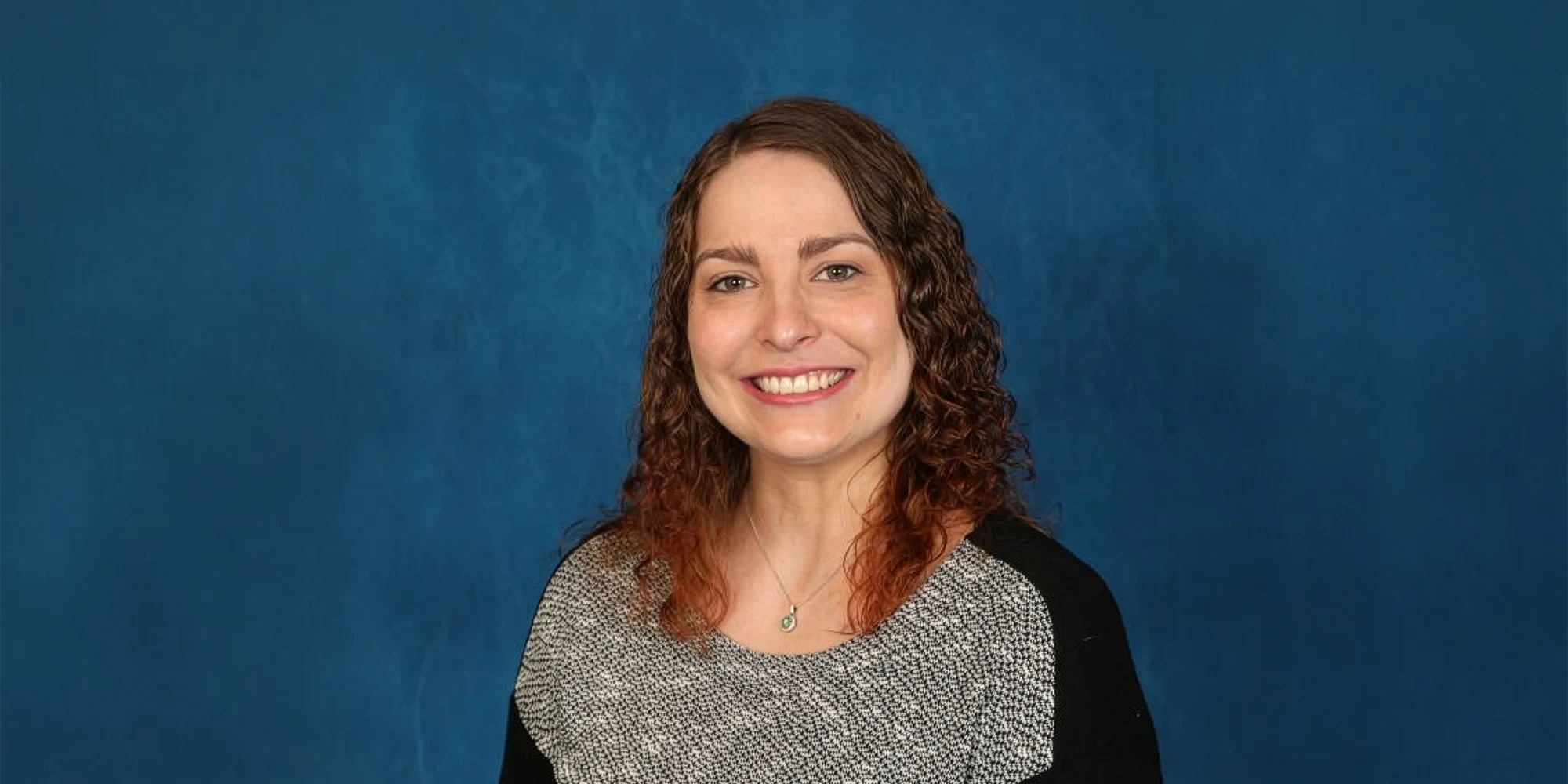
Sarah Haftings has spent nearly fifteen years helping organizations understand their customers more deeply. As Insights Manager at Shurtape Technologies, she leads research initiatives across both consumer and industrial markets, translating voice of customer insights into strategic decisions that shape product innovation and long term planning.
In this episode of The Curiosity Current, Sarah joins Stephanie and Molly to explore how qualitative research continues to play a critical role in modern market research, even as AI accelerates the pace of insight generation. Drawing from her early career experiences conducting in-person surveys and analyzing open-ended responses, she explains why hearing directly from customers often reveals insights that structured data alone cannot capture.
The conversation examines how insights teams can balance qualitative depth with the speed demands of modern business. Sarah discusses how AI powered tools have transformed qualitative analysis, enabling her small team to process open ended responses faster, increase the number of projects they handle, and deliver insights to stakeholders more quickly than ever before. At the same time, she emphasizes that choosing the right methodology still depends on the problem being solved.
Stephanie and Molly also explore Sarah’s approach to evaluating research technology. Rather than chasing new tools with impressive features, she focuses on defining the problem first and carefully assessing whether a tool will save time, reduce cost, and truly fit the needs of a small insights team.
The episode also dives into how research teams can connect macro trends to product innovation. Sarah shares how long term demographic shifts such as aging in place influence both consumer and industrial product development, demonstrating how insights professionals translate broad societal trends into actionable business strategies.
The conversation closes with practical advice for early career researchers on maintaining curiosity, advocating for the customer perspective, and confidently pushing back when the data tells a different story than stakeholders expect.
Episode Resources
- Sarah Haftings on LinkedIn
- Shurtape Technologies Website
- Stephanie Vance on LinkedIn
- Molly Strawn-Carreño on LinkedIn
- The Curiosity Current: A Market Research Podcast on Apple Podcasts
- The Curiosity Current: A Market Research Podcast on Spotify
- The Curiosity Current: A Market Research Podcast on YouTube
Transcript
Sarah - 00:00:01:
The first question I always ask myself is, like, what do I need this platform or tool to solve for me? You know? I'd say before even talking to potential partners, I have to define the need or the problem, and I usually start by making a list of my must-haves, my nice-to-haves, and my avoids. So, you know, one of the most important roles of any market research professional is defining the problem to be solved so that we can develop questions that will help us uncover the right solutions. I say this all the time, but it's easy to get distracted by bells and whistles when it comes to new technology. They're everywhere, right? There's a new shiny thing coming out every, like, thirty minutes now. It's crazy, and it's a lot to take in, especially as somebody who's vetting new technologies to add to their toolbox. But just like when we're developing survey questions to get to the bottom of our customer needs, we also have to develop the right questions to solve for our own problems and solutions.
Molly - 00:01:07:
Hello, fellow insight seekers. I'm your host, Molly, and welcome to the Curiosity Current. We're so glad to have you here.
Stephanie - 00:01:15:
And I'm your host, Stephanie. We're here to dive into the fast-moving waters of market research where curiosity isn't just encouraged, it's essential.
Molly - 00:01:24:
Each episode, we'll explore what's shaping the world of consumer behavior from fresh trends and new tech to the stories behind the data.
Stephanie - 00:01:33:
From bold innovations to the human quirks that move markets, we'll explore how curiosity fuels smarter research and sharper insights.
Molly - 00:01:41:
So, whether you're deep into the data or just here for the fun of discovery, grab your life vest and join us as we ride the curiosity current.
Molly - 00:01:52:
Today on The Curiosity Current, we are joined by Sarah Haftings, Insights Manager at Shurtape Technologies. Sarah is a market research leader with nearly 15 years of experience designing thoughtful, tailored research solutions that meet real internal business needs. She's known for her deep commitment to qualitative research, her passion for understanding people, and her ability to turn voice of customer insight into action.
Stephanie - 00:02:18:
At Shurtape, Sarah has played a key role in modernizing the Insights functions, spearheading tech and AI initiatives that streamline qualitative analysis and bring customer voices to stakeholders faster than ever before. She's also served on Shurtape's AI committee, helping to shape early company policies around responsible AI adoption.
Molly - 00:02:38:
So today, we'll explore why qualitative research still matters deeply, how AI is changing the speed and reach of VOC, and what it takes to deliver human insight at lightning speed without losing meaning.
Stephanie - 00:02:50:
Sarah, welcome to the show.
Sarah - 00:02:53:
Hello.
Stephanie - 00:02:54:
We are so happy to have you. We usually like to kick things off by kind of taking the guest back a little bit earlier in their career. In your case, Sarah, you've really built this career around understanding people and translating their experiences, their perspectives into insights. And looking back, I'm curious, when did you realize that, like, qualitative research, that methodology of really, like, hearing people talk about things in their own words, when did that become such a central part of your work?
Sarah - 00:03:27:
Well, that's a great question, Stephanie, and thanks for having me on today. I have to say that understanding the voice of the customer through qual work really was always at the heart of the work that I have done in market research. Even in my early, more quantitative days in research. I remember working on a nationwide in-airport survey at the start of my career. And back then, it was all paper and pens or pencils.
Stephanie - 00:03:58:
Yeah.
Sarah - 00:03:59:
And our interviewers would intercept passengers to ask them to fill out a survey. I started as an interviewer back then, too. So, that survey was mostly closed-end questions, radio buttons, we called it back then. But the very last question in the survey, it was an open-ended question, and it just gave the passenger a space where they could write in whatever they wanted about their experience at the airport that day. And so, you know, those open-ended questions, that's where we really gained the true insight. You know, we really got to hear from them in their own words what was working and what wasn't. So, those insights actually drove major changes to the airport environment because, you know, it was where people would specify not only what was bothering them, but also ideate solutions that they would share with the airport. And, ultimately, that had a real impact on city planning for improving the in-airport experience. So, I'd say, you know, fresh out the gate for me.
Stephanie - 00:05:07:
Makes a lot of sense.
Molly - 00:05:08:
And I know the things that you're working on now, if we're fast forwarding to today, at Shurtape are really complex business things both across industrial and consumer segments, and you're largely doing this on your own. So, looking at your career today, I'm curious to know. What does a normal, if we can actually say you have a normal, work week look like for you? And where do you find that things are getting stretched, and maybe you have to prioritize certain things over others?
Sarah - 00:05:39:
Yeah. So, that is a tough question to answer because no two weeks are really the same for me. I'd say to really simplify it and boil it down, I spend most of my time reading or writing. You know, regardless of what's going on, whether I'm composing surveys or discussion guides, developing reports, sometimes RFPs, there's always a lot of writing. And, of course, you know, I spend a lot of time reading, whether it's reviewing secondary research, transcripts, past reports, analyzing data. Then, of course, there's ongoing communication between myself, my boss, our stakeholders, third-party contacts, and, of course, our internal clients. And I also spend time vetting potential partners across a wide variety of specialities, you know, in an effort to continuously grow our partnerships with external vendors so that we can continually grow our toolbox to better serve our internal clients. So, really, one week, I guess, I might be running a few surveys, writing a couple of other surveys, conducting secondary research, developing a report or two, but it really depends on what's going on in the business at the time. And as far as getting stretched, if that's not already making you a little tired, I'd say it's just unpredictable because, you know, sometimes we're handling 5 to 10 projects, and then at other times, we're handling upwards of 30. So, when we're juggling, like, a lot of projects, then it just becomes more important than ever that we, you know, prioritize and communicate with our stakeholders and partners to maintain the transparency, you know, especially when we need to push back or delay on deliverables.
Stephanie - 00:07:25:
Yeah.
Molly - 00:07:26:
For sure. How do you think about it when everybody's coming at you from different angles, because you have the projects going, you have the comms going, you have the vendors that are wanting responses? How do you determine what's more urgent and what can wait in those types of circumstances?
Sarah - 00:07:41:
Well, honestly, there's a lot of juggling, certainly. I'd say it's really an internal equation that is always in the back of my mind, between balancing timelines and deadlines with the priority of the brands and the products that we serve. Sometimes, you can get a request that has a fast turnaround in the midst of conducting, you know, 10 other projects, and you have to react fast while keeping everything moving. So, you know, sometimes my work schedule just has to adapt. So sometimes there are long nights and weekends that I have to commit to in order to ensure timely deliverables. But, honestly, with the help of a lot of the AI tools and technologies that we've adopted and, of course, a growing pool of trusted partners, we have really become very agile. And so, you know, while we do sometimes have to revert to that pecking order on project importance. It's becoming more and more rare, and we usually don't have to postpone projects at least. Certainly not the end dates, you know, it might be like a milestone that we have to push out a bit, but yeah, we're definitely pretty agile and able to accommodate most things.
Stephanie - 00:08:58:
That's awesome. I mean, that's a win right there. So, kind of changing topics a little bit. You know, there's a lot of talk, well, except really not, because we're really talking about this issue of speed. But there's so much talk right now, I feel like, in the industry around speed and dashboards and automation and really culminating into this idea of, like, quantified data at our fingertips for every decision. But you've really been a champion for continuing this practice of anchoring insights in qualitative work in the voice of the consumer. So, when you're under pressure to move fast, like you just described, to have this sort of ready data point for every business question, what, when you have to do this, gives you the confidence or the conviction to say no or yes, but we still need to hear directly from customers here.
Sarah - 00:09:51:
Well, that's a great question. And I think that's something that we all struggle with, especially on the client side, as, you know, researchers kind of understand that things happen. But I think that, as a researcher, and really whether you're on the client side or the supplier side, the skill is in knowing what methodology is going to best serve your client and getting them the answers that they need to make the decisions that they have to make in a timely manner. So, really, market research as a whole is just about guiding decision makers to better serve the customer. And fortunately for me, the value of hearing directly from customers is really never lost on our leadership team. But, you know, to your point, sometimes they're just under the gun, and they have to go. It's go and go. It’s not can it pause, you know? So, I think it's important to note, you know, that there will always be a need for quantitative research. I don't wanna say that qual is the answer to everything, but I tend to trust my gut when a problem or project arises, you know? If we have time and budget for qual, then we'll surely, you know, that will definitely be my recommendation. But when there is no time, and we need a large enough sample to move forward with confidence, I'm going to recommend a mixed method approach. So, you know, that being said, we recently adopted an AI-powered qualitative platform that has served to significantly reduce the cost of running qualitative projects, and we're able to do them around, like, super fast now. So, we're actually in a really great position to offer speedy qualitative insights to our organization, which is really fantastic. Sure.
Stephanie - 00:11:42:
Sure. I mean, it's game-changing. You've mentioned something that I wanna dive into just a tiny bit if we can, but Molly and I both kind of clocked it, and we're like, oh, which is this idea that your leadership is bought into this idea of, like, the voice of the customer. They understand its value. I'm curious, has it always been that way or, like, was there a moment where it's like, you know, a customer's voice fundamentally changed your company's understanding of a problem or shifted your perspective in, like, a really meaningful way?
Sarah - 00:12:15:
Mhmm. Yeah. So, absolutely, these kinds of moments, if you will, you know, happen. And I think that our company has spoken to end users just as a policy, like, hey, is that working? You know, our sales team attends a lot of conferences to stay on top of, like, what is going on in the industry. I think that, you know, when you're working for a manufacturer, it means that our internal clients, you know, we're serving a lot of experts in the realm of adhesive technologies. And, you know, these might not seem like the most exciting products to everyday consumers, but there is actually a lot of technology and specialization in the adhesive world. So, a lot of the time, there's a disconnect or a knowledge gap between the creators and the consumers, if you will.
Stephanie - 00:13:17:
Gotcha.
Sarah - 00:13:18:
Well, you know, what this means to us is, like, we need to include an educational component to introducing any new products or even marketing existing products. It's actually a big part of what I do, you know, to pull back the curtain to show the stakeholders that the way that they're thinking and feeling about our products is just not the way that our end users are thinking and feeling about our products.
Stephanie - 00:13:43:
Yeah.
Sarah - 00:13:44:
Yeah. It's a big part of my job to help R&D and leadership meet our customers where they're at so that they can talk to them and build solutions for them, you know, with empathy.
Stephanie - 00:13:55:
Absolutely. And I think that is such a core, like, issue in any company where, whatever, you know, your product or service is just a little more technical, right? Is that, but a big part of it has to be education before the value can be realized. Yeah.
Molly - 00:14:12:
I think also we have a lot of guests on the podcast where we ask a lot of questions about how do you validate the importance of insights to your senior leadership team. Like, how do you ensure that you have a seat at the table when it comes to product development, advocating for customers? And that I mean, that's fantastic that that's way less, I'd say, of a barrier for you when doing your role, which is, what a fantastic place to be at.
Sarah - 00:14:37:
Yeah. Yeah. I would say 100%. You know, I'm very fortunate in that regard. I definitely have a lot of friends in the industry, and that's not the story that they get to tell, so.
Stephanie - 00:14:49:
Yeah. Yeah. Yeah.
Molly - 00:14:50:
I wanna shift gears a little bit to something that you mentioned early on and something that I know that you've been an advocate for and talked about, and that is your intentionality around your tech stack decisions and that you've had this process of choosing perhaps more niche tools while deliberately passing on bigger, heavier platforms. So, I think for our listeners and also my own curiosity, I want to know more about that process. When you're evaluating a new tool, what's kind of the first step? What do you first ask yourself to see is this going to be a good fit for my organization? And then, kind of, where do you go from there?
Sarah - 00:15:33:
Mhmm. Well, obviously, cost is ultimately going to be the deciding factor often times. And, you know, with shrinking budgets, we just have to be very crafty when we're choosing what to invest in. But, you know, the first question I always ask myself is, like, what do I need this platform or tool to solve for me? You know? I'd say before even talking to potential partners, I have to define the need or the problem, and I usually start by making a list of my must-haves, my nice-to-haves, and my avoids. So, you know, one of the most important roles of any market research professional problem to be solved so that we can develop questions that will help us uncover the right solutions. I say this all the time, but it's easy to get distracted by bells and whistles when it comes to new technology. They're everywhere, right? There's a new shiny thing coming out every, like, 30 minutes now.
Stephanie - 00:16:34:
Yeah.
Sarah - 00:16:35:
It's crazy, and it's a lot to take in, especially as somebody who's vetting new technologies to add to their toolbox. But just like when we're developing survey questions to get to the bottom of our customer needs, we also have to develop the right questions to solve for our own problems and solutions. So, you know, ultimately, I'd say there's two main driving factors toward adopting new technology. The first is speed or time savings, and then the second is, as I mentioned, cost, you know? Rather, cost savings that we hope to realize in the long run. So, you know, as a small market research team, no matter what size your organization, we can't afford to adopt a tool that doesn't save us money or time in the long run, you know, and that includes the time that it takes to train on that product. So, when I'm getting full, you know, I have to consider how much time do I need to invest initially in learning this product, in mastering this technology so that I can run it and, you know, be in charge of that. So, you know, it's a lot to consider more than just the financial investment. And you know, I'm a tiny team of two. We've only got two people in the department. So, if I'm gonna recommend a tool, I have to be like, I can really own this, and I can actually see with it. And then I can show, you know, within a couple of months how it has affected, you know, our productivity, or time savings or cost savings or whatever that may be.
Stephanie - 00:18:07:
I think there's something so interesting in the way you're talking about this because I do a lot of, I play in the presale space occasionally at aytm and do, you know, like, work with prospects, you know, demoing, things like that for our tech. And it occurs to me that, like, I always think the onus is on me to be showing you the value of the tool. But you're calling out something that I think is so important, which is that the onus on the client in this situation is to show up with your needs, your pain points, your must-haves, your deal breakers. And then if we can both show up in that orientation, any given, you know, client supplier kind of evaluating each other for fit, if we both show up with those kinds of, that mentality of, like, you know, you tell me what you need, and then I can go through and make sure that what I'm gonna show you is gonna answer those questions, that there's just a lot of efficiency in that kind of approach. Well, thank you.
Molly - 00:19:02:
I think it's also what you said, too, about the shiny bells and whistles. I have sort of, when you mentioned going more niche, do you have a preference for the small and eager, budding, specialized tech vendor or a more legacy vendor who's been doing this for a long time and perhaps has a particular feature that you're interested in? Do you have a kind of distinction or preference between the two?
Sarah - 00:19:33:
That's a really good question. So, it really depends on what the need is that I'm trying to meet. So, when it comes to, like, a survey platform, for instance, and we do leverage a very legacy platform right now, you want something that knows what it's doing and is reliable and is an industry standard. And part of that industry standard comes with the relationships that that platform already has with their vendors, because I don't, you know, I don't necessarily wanna sign up with somebody that only gives me the power to develop surveys. I wanna also have the ability to reach the audience and, you know, maybe that audience is consumer, but in my case, I have to also serve an industrial audience. And so, you know, a lot goes into that decision. But, I think also when it comes to new tech like AI, my favorite thing to do is watch people for a few years. And I go to conferences, and I, you know, always have my ear to the ground that you guys have the best swag, by the way.
Molly - 00:20:43:
Yes. Shout out to our marketing and brand teams on that.
Sarah - 00:20:47:
Yes. It really, I always love hanging out at your booth. But, you know, when it comes to AI, we have, I feel like at this point, there's kind of two camps that have evolved. In the one camp, you have these people who have been in market research for a really long time, and they're working with tech experts to develop tools to meet the needs that they already know exist in market research. And then you have this other camp. And that camp is a bunch of people from the IT world, and they've developed that maybe weren't for market research, but, hey, I bet they work over there. And so you have to, like, listen to the people who are talking to you. Because if they're like, oh, wow, it does this, and it does that, and here's the bells and the whistles, but then you're like, well, but how do you, you know, how do you know that this is right, or how do you prevent hallucinations in your data, or how do you do asking the right questions, again, you know, I go back to this, but that's very important. And that's not to say that, like, people who, you know, are tech leaders can't do market research tech well. It's just that when you're watching companies as they evolve for a few years, some of those companies that are really eager, they're not there anymore. And, you know, the companies that have lasted are the ones that listen to us, the customer, and they've listened to the voice of the customer and developed their product to meet those needs. And so, for me, preference-wise, I would say it could go either way. But with AI, I like to be a new, newer is probably the only option, so getting into a partnership with a company that's evolving a product and being able to have a seat at their table as they're developing that product to meet the needs of myself and other researchers, that's, I think, the most rewarding. But it's not always an option.
Stephanie - 00:22:56:
No. It's not. I love that take, though.
Sarah - 00:22:59:
I’ll do the place with that, but my mind went a few different places.
Stephanie - 00:23:02:
But I love that you brought up that sort of co-creation process and that that becomes something that, for you, is an important differentiator. Getting into the AI conversation a little bit more, this is a little lighthearted, but thinking back, was there a first place where AI genuinely, like, earned its keep for you? A moment where you thought, oh, hey, this is making my work life demonstrably more efficient or easier.
Sarah - 00:23:28:
Yes. Yes. Definitely. So, we piddled around with a few things. You know, I think one of the first AI tools we adopted was, like, an AI probe plug-in that plugged into our survey platform, and it was, like, kinda cool. But the one that really made the biggest splash was absolutely, hands down, our large language analysis tool that we use. You know, adopting that tool changed the way that we literally do our work entirely. You know, it cut down on the time it took to analyze all these large pools of open-ended responses by over 50%. I mean, in some cases, you know, significantly more than that. So, you know, we were able to cut down on the reporting time, but we also improved the accuracy of the reporting because, you know, I'm tired after I've, you know, you get data drunk after you're going through, like, the 5,000 open-ended responses. So, I think that with improved efficiency and with the improved speed of deliverables, we were able to really take on a lot more work. You know, that was the result. It was okay, now, maybe once you know, when I first joined Shurtape, we were probably pumping out, like, maybe on average. Oh, I wanna say maybe, like, 1 survey a month. Okay? But now we're doing anywhere from, like, 3 to 10 a month.
Stephanie - 00:24:55:
And that's remarkable. Yeah.
Sarah - 00:24:58:
Yeah.
Molly - 00:24:59:
On the flip side, the pessimist one in me always has to know, was there a time where you potentially trialed something that was an AI-enabled approach that didn't deliver what you hoped and maybe taught you a little bit about what the limits of AI are at present and, you know, a learning that you would maybe change something in the future when it comes to that approach.
Sarah - 00:25:26:
Well, honestly, I wouldn't say that I've had AI let me down per se. Rather, I would say that I have to stay up-to-date, up to speed with AI and technology. And to make sure that, you know, I'm choosing the right tools for supporting my business. And part of that is recognizing when the value of a tool is no more. You know? Hear this all the time, but the thing about technology is that it's constantly evolving. And we're early adopters of a lot of technology. So, I kind of mentioned this a minute ago, but early on, you know, we had developed this AI probing plug-in that, you know, worked with our survey platform. And, you know, a consumer participant would answer an open end, and then this AI probe would, you know, read it, understand it, and respond to it with a probe in, like, natural language. And, yeah, back then, like, that was cutting-edge technology, you know, we were gaining deeper insights and, you know, our stakeholders were really impressed, plus it was kind of just fun and cool. And, you know, it was great at the time, but now, and I mentioned this earlier as well, but now we actually have, like, a full-blown AI-powered qualitative platform that's fully equipped with a smart and humanistic ad moderator. So, you know, what was once this wow factor that we added to QuantWork to, you know, dig deeper into insights, it's really just not necessary anymore because, you know, if a question really does need to be answered by qual, then we can just host a full-blown qual project on our own. And, you know, as I've mentioned before, with our large language analysis tool, we're actually able to include a lot more open ends when we need more call feedback. So, you know, and I would say this is something that just happened organically, but my survey writing style has evolved to be more conversational in nature, which, you know, again, has pretty much eliminated the need for that probing in survey settings. And so, I think it's not so much like this AI let me down, but it is realizing when, you know, it's no longer useful.
Molly - 00:27:48:
I feel like that's an even more difficult challenge. And because I find in my experience, not as a researcher myself, but working with lots of researchers throughout my career, there's a lot of this is the way that we've always done it. And not to say that researchers aren't innovative, but it's because there are so many things that come along with having to switch methodology, especially with something that has been running a certain way since the beginning of time in a lot of ways and a lot of potential data disruptions and just issues with, you know, is the data gonna continue to be reliable? Can we actually isolate where this change happened? And are we going to see something different? So, I think that's even a more challenging call, is to say, this is not the most innovative way for us to be fielding this anymore. We need to pivot to something else.
Sarah - 00:28:41:
Mhmm. Mhmm. Yeah. Yeah. It can be a real challenge, and I think that's something a lot of industries face. I experience all the time because we work within a lot of, like, on the industrial side of the business. We work with a lot of general contractors, and HVAC, and consumers who are, you know, they've been doing the job their whole lives. So, how do we innovate for them and and and sell to them when they're like, woah, if it ain't broke.
Molly - 00:29:11:
Yeah.
Sarah - 00:29:12:
But I think innovation is a personal choice. You know? It's a scary thing to change is scary, and it's gonna be scary forever. So, you either choose to be comfortable or you choose to take a risk. And, you know, in my case, again, I've been very fortunate. My company has really supported me in leading AI initiatives and, really, like, being kind of at the forefront of the technology.
Stephanie - 00:29:43:
That's great. I mean, having that kind of empowerment to do those things is, I mean, I think, almost a requirement for you to be able to be successful with it. So, it's good to have organizational support. I wanna talk a little bit. So, we've, you know, we're really talking about the how and your approach to research, and it's so interesting to see, like, how, you know, you've really been able to ramp up just, like, the number of, like, studies and insights that you're able to be working on just by virtue of of the efficiencies that come with working in AI. But I wanna talk about the what of what you do because it's super fascinating to me. I learned through the process of having you come on a podcast that a lot of your research is actually tied to long term shifts with things like extreme weather preparedness and aging in place, which I mentioned at the top of the when we were chatting before the podcast started, I literally googled to make sure that that wasn't a mistake in our interview sheet because I was like, what does Shurtape have to do with Aging in Place? I was fascinated to learn quite a bit, actually. So, when you're planning research around trends like this that are gonna be playing out over decades, how do you balance what matters right now versus what you are trying to future-proof for your business?
Sarah - 00:31:05:
Yeah. So, I would say that is where the art comes into the role. We do these, like, huge secondary deep dives into trends every year. And part of our job is to support innovation by leveraging those trends and predicting what the consumers are going to be needing now and in the future. And to your point, like, how do we balance what we spend our time developing now versus what that trend will mean, you know, 10 years down the road? So, let's talk about Aging in Place since you brought that one up because it's a really fun one, and it's a buzzword around these parts now.
Stephanie - 00:31:48:
I love it.
Sarah - 00:31:49:
So, Aging in Place is just a quick summary. It's this trend that has happened because we're living longer lives than ever before as human beings, and we have the Baby Boomer generation, which is getting quite elderly at this point. Now all of those people no longer want to go get shoved in a nursing home or, you know, move in with their parents. Although I will say that, you know, multifamily housing is also a trend that is tied to the Aging in Place. But we're talking about a lot of people who are elderly and have very different needs than, like, you know, let's say, the millennial DIYer who's just bought their first home, right, so.
Stephanie - 00:32:36:
Yes. Yeah.
Sarah - 00:32:38:
Certainly a target audience for, I think, anybody in a DIY space. But when you talk about, like, these older people who maybe don't have, maybe at one time in their life, they were a DIYer, but at this point in their life, they really aren't. So, if they can't afford to pay for somebody to come into their home and do a fix or an update or whatever they need, how can we work to solve their problems and make their lives a little bit easier so that they can stay in their homes longer? So, the immediate question is, what kind of products can we be developing that, you know, encourage adhesives to, you know, support this generation. And, I mean, the thing that comes to mind is, like, the most common update to any home in an Aging in Place home is grab bars, you know, it's like mhmm. They need that. They need it fast. They need it in the shower. They need it possibly in the stairway. They need it a lot of the place, all over the place. So, there's just one product that I'm throwing out there that, you know, you could use ChatGPT and find that information. But how can we innovate around their needs to develop products, you know, that will help them live longer, happier lives? Then you think about ten years down the road, okay? So, this is where it gets interesting. So, 10 years down the road, the largest generation in U.S. history will be passing away, and they also happen to own the most property. Like, I think they own something like 70% or 80% of, like, residential property. So, when you're aging in place, are you thinking like, oh, I should replace the roof because, oh my gosh, I'm gonna need it in 10 years? No. You're thinking, I want a grab bar. I want, you know, whatever I need to be comfortable. And if the house, you know, if things start to fall apart, what do I care? I'm not gonna be there to see it. Well, what happens when that generation passes away is all of those homes that have not been taken care of or maintained properly are going to fall to a younger generation who, you know, what are they gonna do with it? Are they gonna just sell it for pennies to the dollar? Are they going to improve it? So, what we're gonna see down the road is a rash of needs, DIY needs that are heavier-duty.
Stephanie - 00:35:04:
Totally. Yeah.
Sarah - 00:35:06:
And so, then I switch over to the industrial side of my business. Okay? So right now, I'm thinking consumers, that's who I need to be looking at because that's the trend. But ten years down the road, I need to be talking to my industrial division and saying, what products can we develop that are going to solve these major repair issues that are definitely, without a doubt, going to happen? So, that's kind of how we balance the trends. And, really, again, like, those feed directly into innovation and long-term strategic planning. I hope that's a good example.
Stephanie - 00:35:42:
Oh, it's a perfect example. And, like, just the idea of how much you guys are so focused on the macro and the micro and the human psychology of it and the, you know, the generational issues and how it almost creates that loop, right, of need. First, the need is this, but then ten years down the line is gonna look very different, and I think that's fascinating that you've, you know, such a, I guess, unique product that you can play in all of those spaces.
Molly - 00:36:13:
There's such a sort of, like, no duh that goes along with some of these things that, you know, as we take off our professional hats and we put on our personal hats and then just go into the world and live life, that exact circumstance that you're describing happened with my grandma. She passed away a few years ago. My uncle inherited the house. He put a new roof. He put new windows. He put HVAC systems in, all things that she was perfectly happy to live without and didn't need. But then now getting it ready for him or a different renter, like, there are all these new upkeeps that need to be done to the house. So, it's definitely a personal, yeah, no, duh. I have to take care of this, I have to support with this, but it's also now a thinking of how do brands think about that, and conceptualize that.
Sarah - 00:36:57:
Yeah. Yeah. Yeah.
Molly - 00:36:58:
So, that's a that was a fantastic example. I wanted to, as we wind down the episode here and there, have been so many wonderful topics that we've talked about, and thank you so much again, Sarah, for taking the time and sharing those with us. I wanted to pivot into our recurring segment that we have here on the show called Current 101, where we ask all of our guests the same question, which is, what is a habit, trend, tech buying thing that is happening in the insights industry that you would like to see stop? And what's something that you would like to see more of?
Sarah - 00:37:36:
Okay. So, okay. I hate it when I hear smaller teams talk about investing in a tool that turns out to fall short of their needs. It pains me deeply to see other researchers losing money, and that, because I know what that feels like, and it's awful. But when that happens, I know that they didn't ask the right questions when they were, you know, in that vetting process. You know, like I said before, we are market researchers. Our speciality is developing questions. Our speciality is solving problems. So, you have to use your researching skills to find the right tools for your business. You should never buy a tool or jump in bed with a tool until you have full confidence, you know? So, I think that is probably my big thing, you know? I know it's tempting when people say, a salesman says to you, cut down 50%, you know, or, oh, look at this cool deliverable that comes out of this. And then you buy the thing, and then you realize that it doesn't export out of the platform because they won't do that. Like, that's a problem. That's a big deal.
Molly - 00:39:05:
Yeah.
Stephanie - 00:39:06:
Quite. Yeah.
Sarah - 00:39:38:
Yes. So, and you know, every researcher has unique needs to their business. So, that I think, is something that, you know, don't sell yourself short. Take the time to do it right, ask the right questions, and take the time to think it over. Because if it's worth it, it will, in the end, save you money and time and do what you need it to do. Okay. And then the other one is what people should be doing more of?
Molly - 00:39:34:
Yes. What would you like to see more of in the industry?
Sarah - 00:39:36:
Alright. Okay. So, let's see. Alright. So, one capability that I think we should really all be doubling down on is AI-enabled qualitative platforms. You know, I've mentioned already throughout this interview that we recently adopted one here at Shurtape. And, honestly, in my humble opinion, I think this is the future of market research. You know, survey research is a dying breed, you know, as far as being the primary path to insights, you know? People want to feel heard, but they're very skeptical about survey research. And consumers don't want to take the time to do it anymore. You have to give people a platform to talk openly about their truths. And if you do that, you will find all the insights that you need are at your fingertips. So, I think AI-powered qual, we should all be starting to trial, figuring out what, you know, what the needs are for your business and really dig in. Because I can tell you just from doing a few projects myself in that using that method, it's got the wow factor, but it’s really incredible. It's where tech is going. So, that's the thing I would highly encourage any market researcher who hasn't already to take the dive and really start figuring out what platform's gonna do that for them.
Stephanie - 00:41:05:
Yeah. I think that's such a good callout. I mean, I think the ability to do qual at scale is a game-changer. It's an absolute game-changer. And when you start to automate that analysis and use AI, you know, in interviewers, that is what you're able to do is is call at scale. I wrestle a little bit because I'm still I'm a data modeler at some part of my heart, you know, so I'm like, yeah, but there's still a whole lot you can do with the dataset that, you know, in terms of, you know, understanding causality or correlations that you can't necessarily do. So, I'm not ready to give up totally on quant yet, but I hear your point, Sarah. I really do.
Sarah - 00:41:46:
Yeah. Well, Stephanie, there will never not be a need for quant, you know, sometimes you have to be able to say with confidence, 85% of people think that idea is poopy.
Stephanie - 00:41:59:
Right. Right. Yeah. And to have it, like, a normative benchmark, right, and we know that 85% poopiness is bad because we've done this, you know, 50 times.
Sarah - 00:42:09:
Exactly.
Stephanie - 00:42:12:
For sure. Well, to close this out, and I feel like just even based on your last answer, I have a sort of hint of what you would say to this, but I wanna hear your answer, of course. For somebody who's just starting out in the industry or, you know, who’s more junior, who’s listening to the podcast and is feeling that pressure to move faster every year while still honoring, like, what insights is about, which is about people. What's the single most important principle that you've learned for staying grounded in what's meaningful while also cultivating your ability to have an impact because you can move at that speed?
Sarah - 00:42:48:
Know your worth, and don't be afraid to push back or speak up when you know or you don't know what to do. You know, I think internal customers are always gonna want answers fast. And a lot of the time, they want the answer to be something that it might not actually be. So, don't lose sight of why you got into this industry in the first place. And, you know, maybe this isn't the case for all, but for me, it was because I am a very curious person, and I want to know the truth. And I like learning. So, know your worth. Don't be afraid to speak up. And, really, at the end of it all, stay curious, you know, nurture that curiosity that is within you. If you stay curious and you question everything until you understand it, you'll be just fine.
Stephanie - 00:43:46:
I love that. That's great advice, and this has just been full of nuggets of wisdom, so.
Molly - 00:43:52:
Yeah. I feel like that was a complete mic drop moment. I don't know if you saw me on, we're probably not gonna cut to mute during your answer, but when you said know your worth, I, like, was doing, like, little snaps. Because I think that that's the biggest thing, especially when, you know, our jobs as researchers is to advocate for the customer in a way that they wouldn't be able to do. They have purchasing power and things like that, but businesses are not looking to take huge dives in their revenue as they're trying to learn about what the customers want and don't want. And so knowing that you have the power to do that and to not just be a yes man and to say and debate challenging things, I think that that's a difficult skill to learn, but I'm so glad that you called that out because that's super, super essential for the new budding researcher.
Sarah - 00:44:39:
It is. Yeah.
Molly - 00:44:41:
Well, thank you so much, Sarah, for joining us today. This has been such a fascinating conversation in a number of ways, and again, I really appreciate you coming on with us today.
Sarah - 00:44:51:
Yeah. Absolutely. Well, it's been a lot of fun. I hope you got my good angle, but yeah.
Molly - 00:44:57:
Every angle looks great. Yeah. Thank you so much, and we will hopefully catch you soon. Thank you all for tuning in with us.
Stephanie - 00:45:08:
The Curiosity Current is brought to you by aytm. To find out how aytm helps brands connect with consumers and bring insights to life, visit aytm.com. And to make sure you never miss an episode, subscribe to The Curiosity Current on Apple, Spotify, YouTube, or wherever you get your podcasts. Thanks for joining us, and we'll see you next time.






.jpeg)


