

Description
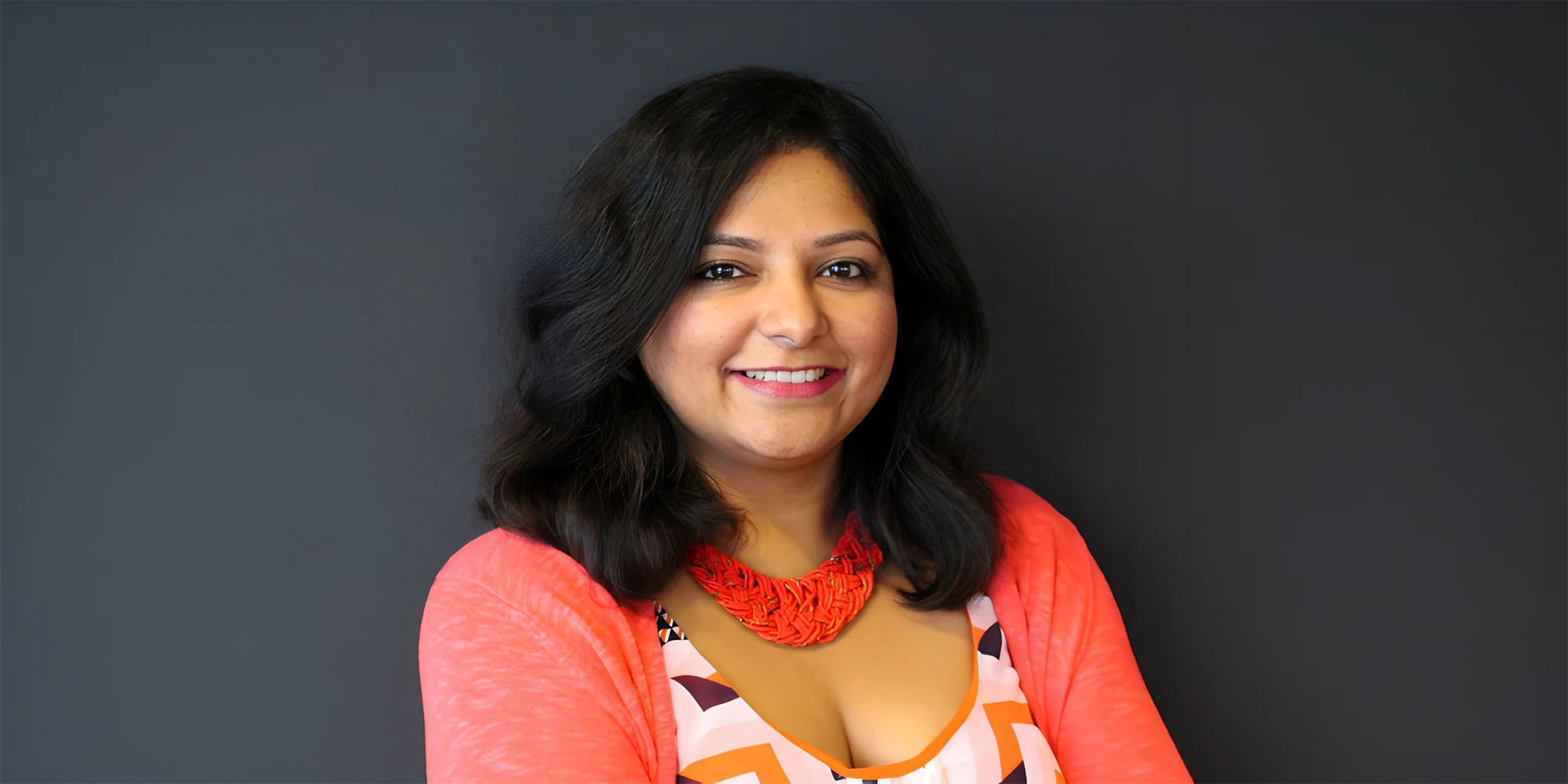
Aarti Bhaskaran began her career in India at a time when global brands were flooding into the market, which gave her an early appreciation for variety, cultural nuance, and the challenge of making unfamiliar ideas land with new audiences. That foundation has shaped everything since, from regional roles in Singapore covering markets across Asia, to her current position leading global research and insights at Snap Inc. In this episode of The Curiosity Current, Aarti reflects on what has changed in how insights work gets done and communicated, and what must stay constant. She explains why attention spans have forced researchers to rethink not just surveys but storytelling, and how her team at Snap delivers research in formats as creative as the platform itself, including one study released as a Christmas carol. The conversation digs into the specific complexity of measuring brand health at Snap, where competition shifts depending on whether you are looking at chat, augmented reality, or content consumption, and where audiences span both B2C and B2B. Aarti also addresses the global versus local tension that defines enterprise insight work, sharing how she structures her team and planning cycles to honor market-level nuance without losing strategic coherence. The episode closes with a clear-eyed take on AI, the democratization of research, and the qualities that will keep insights professionals irreplaceable: empathy, critical thinking, and the confidence to stake a claim at the table where decisions actually get made.
Episode Resources
- Aarti Bhaskaran on LinkedIn
- Snap Inc. Website
- Stephanie Vance on LinkedIn
- Molly Strawn-Carreño on LinkedIn
- The Curiosity Current: A Market Research Podcast on Apple Podcasts
- The Curiosity Current: A Market Research Podcast on Spotify
- The Curiosity Current: A Market Research Podcast on YouTube
Transcript
Aarti - 00:00:01:
People don't have time. If you look at leaders, everybody wants to get to the point, take a decision, and move on. So, what's getting lost is how do you communicate as a researcher the amount of effort and due diligence that's been behind the work that you do to arrive at this insight? And I also feel that for a lot of people, it's almost like it's the big reveal. Like, hey, I've spent all this time, here's what I've found, blah blah blah blah, and then you need to do this. But what we've come to realize, and it's also research we have done, right? People's attention spans have reduced. It's the nature of the beast, and in the way that we're consuming content has changed over the year, that's getting reflected in the way we do work as well. It's all about short form now. So, what I have seen and implemented over the few years I've been at Snap is really to get to the heart of the matter quickly and to tell very engaging stories with research.
Molly - 00:00:57:
Hello, fellow insight seekers. I'm your host, Molly, and welcome to the Curiosity Current. We're so glad to have you here.
Stephanie - 00:01:05:
And I'm your host, Stephanie. We're here to dive into the fast-moving waters of market research where curiosity isn't just encouraged, it's essential.
Molly - 00:01:14:
Each episode, we'll explore what's shaping the world of consumer behavior from fresh trends and new tech to the stories behind the data.
Stephanie - 00:01:22:
From bold innovations to the human quirks that move markets, we'll explore how curiosity fuels smarter research and sharper insights.
Molly - 00:01:31:
So, whether you're deep into the data or just here for the fun of discovery, grab your life vest and join us as we ride the curiosity current.
Stephanie - 00:01:43:
Today on The Curiosity Current, we are joined by Aarti Bhaskaran, Global Head of Research and Insights at Snap Inc.
Molly - 00:01:52:
Aarti has built a global career spanning media measurement, brand strategy, innovation, and advanced analytics, working with some of the world's most influential brands from TikTok and Disney to Coca-Cola, Visa, and now Snap.
Stephanie - 00:02:06:
Aarti is known for translating complex data into compelling stories that drive real business outcomes while also building and leading global insights teams that can keep pace with rapidly evolving tech.
Molly - 00:02:17:
Today, we'll explore how emerging technologies like AR and AI are reshaping research, why storytelling still matters now more than ever, and what it takes to measure brands and audiences in a consistently shifting digital world.
Stephanie - 00:02:32:
Aarti, welcome to the show.
Aarti - 00:02:34:
Thank you so much for having me. Looking forward to the conversation.
Stephanie - 00:02:37:
Same.
Molly - 00:02:38:
I'm super excited about this one. Well, I have to start with the fact that we are recording this in February. It is the month of love, and it's actually the day before Valentine's Day. So, I wanted to start with your love story with insights. Take us back to that day one. What got you lovestruck, and what has kept this love boat smooth sailing for you ever since?
Aarti - 00:03:01:
As I was saying, I never thought I'd hear a love boat reference, you know, talking about research.
Molly - 00:03:05:
Yes. Gotta have it.
Stephanie - 00:03:08:
I love it.
Aarti - 00:03:09:
Well, I started my career in India, and it was a time when a lot of brands were entering the country. And I think what got me love struck was literally, like, the variety of business problems and clients that I had a chance to work on, from helping somebody determine what should be the content for a radio station to helping, I kid you not, Mars, the company launched Snickers in India and trying to explain what a peanut cover candy is to a country that's never seen it or heard of it before. So, that's when I realized no two days are alike in this profession, and that's how I felt since that day. So, true love does exist.
Stephanie - 00:03:50:
I love that so much and can relate to that so, so much. I love the variety, too.
Molly - 00:03:57:
So, you talked about just now, I mean, how you had to explain something complex to an audience that had never been exposed to that before. When you came over to Snap, what felt familiar for applying those insights, and what felt like then just a completely different, whole new challenge?
Aarti - 00:04:14:
Yeah. So, I would say what felt familiar was the fact that you still had to convince somebody about something. To me, like, that's such a critical part of research because there's always a business problem that you're trying to solve. You get your results, and you wanna tell the story of why somebody should do something. I don't think that's changed, regardless of which company, or advertiser, or client I've worked for or with. So, it's all about convincing advertisers to spend. And the business challenges were similar, right? We are a challenger brand. I've worked with a lot of challenger brands. We're trying to grab a share in the market and trying to convince everybody why they should spend. I think what was challenging, of course, was the fact that I had to contend with a lot of new technology that perhaps not everybody's familiar with, like a new culture, if you will, in the way things operate. I have worked for clients of every sector possible over the course of my career, and I feel like each one has its own secret language.
Stephanie - 00:05:15:
Yeah.
Aarti - 00:05:16:
So, I had to learn the language of tech. I worked in the world of media, but I feel like social and tech has its own, you know, code that one needs to understand. And that was a bit of a challenge. And the other challenge was balancing or learning the art of global local because, again, that varies by every client and organization that I've been a part of. So, that was, like, a bit of a challenge as to figuring out how things work and how things are prioritized and how things are decisioned within the organization.
Stephanie - 00:05:47:
I love that, and we are going to ask you to unpack some of that as we go through the conversation. So, especially around like global versus local, I think we have a lot of questions around that, and it's such an interesting topic, especially I think for tech. Before we get into serious topics, though, I'm curious about life at Snap. Like, in my mind, it's all like snaps and filters and stickers and just nonstop creative energy. What is one thing about working at Snap that most people would maybe never guess?
Aarti - 00:06:18:
Well, when I joined Snap, you always, like, introduce the company, you're onboarded, and Snap really focuses on three values, which is being kind, smart, and creative. And, obviously, when I first heard it, I'm like, it's probably in writing. You know, it's one of those philosophies nobody ever follows. But what surprised me most was the people within the organization and how truly they are kind, smart, and creative in the sense that it's very collaborative to work with. I mean, that's what kept me going within the organization. I love my team and the people that I work with. But it's also cutting-edge creatively, which is nice because it kind of pushes you. Yes. We are in the ads business, but the way we are going about it and the formats that we're thinking of is, like, so new and different. So, you're constantly being asked to think about how you research differently, which is interesting. I know you said one thing, but it's technically three. And because it's cutting-edge, you also tend to do new things for the first time, which I find exciting. Because, you know, the different countries I work for, probably Singapore is a market where everybody's always rushing to be the first to innovate. I'm glad I found it within an organization like Snap that allows you the space to innovate, space to question, and come up with something that's not been done before.
Stephanie - 00:07:37:
Anytime you have more than one answer to a question, please feel free to share it. I love that.
Aarti- 00:07:42:
You've opened a Pandora's box now, but.
Molly - 00:07:45:
Well, that's what we're here to get more of is inside that Pandora's box. And I know you said that Snap is primarily, you know, at its core, an ads business, but you guys sit at the intersection of creativity, technology, and culture and are seen as a leader in the space. I'm curious then about the storytelling aspect of your work. How has the art of storytelling evolved in your research work? And perhaps maybe you can share an example about how a well-told insight story, not just the data or the dashboard, but the actual story, the heart of that consumer story, moved the needle for Snap.
Aarti - 00:08:21:
Yeah. I feel like this is probably applicable to a lot of companies and industries, not just at Snap, but the fact that I have been in the research industry for many years. And really, what's changed is the fact that people don't have time. If you look at leaders, everybody wants to get to the point, take a decision, and move on. So, what's getting lost is how do you communicate as a researcher the amount of effort and due diligence that's been behind the work that you do to arrive at this insight. And I also feel that for a lot of people, it's almost like it's the big reveal. Like, hey, I've spent all this time, here's what I've found, blah blah blah blah blah, and then you need to do this. But what we have come to realize, and it's also research we have done, right? People's attention spans have reduced. It's the nature of the beast. And in the way that we're consuming content has changed over the year, that's getting reflected in the way we do work as well. It's all about short form now. So, what I have seen and implemented over the few years I've been at Snap is really to get to the heart of the matter quickly and to tell very engaging stories with research. So, we always do a data analysis, but we also, as a team, do a story flow and, you know, a very strict guideline of, can I tell something in 20 slides if I'm doing a slide method? And what are the innovative ways in which you can you can deliver deliver results and tell a story? So, I mean, when you ask me, for example, there are many that I can think of. But the most recent one is so last year, we kind of scaled our launch of ads in the chat. So, if you're not familiar, Snap, as a platform, opens up to the camera where the augmented reality piece lives, and then we have tabs for various activities. And the most popular is Chat tab, where people snap to each other. For many, many years, it was not monetized, but we started introducing ads into the tab. But it also meant that it's a completely new format of chat ads. It's not a chatbot, right? You're almost incorporating advertising in a very organic way in your chat feed, and it's not a video feed. So, we did research to understand how people are chatting and how that's changed, how people expect brands to interact with them through chat, and what are, like, the guidelines, and should it be emoji-filled? Should it be sincere? Should it be short? Should it be a chat that leads to a video, etcetera? And we called it, like, the conversation advantage. Like, it's something that consumers are doing. It's quite natural, but they also have certain expectations on how brands should play in that space. And, obviously, we did some effectiveness stuff to say that if you add chat to the mix, it leads to powered outcomes. So we had, like, our piece and what we wanted to say, but then we worked with our marketing and comms team. Because it was released in December, we delivered the results in the form of a Christmas carol to advertisers because we wanted to cut through the clutter, but backed it up with some, you know, serious research as well. And now that we have the fund released, we're kind of talking about not just, hey, we have a chat ad, but really taking a step back to say how conversation and the way we chat has changed over time, and what does it mean for brands. And we're delivering that through, like, bite-sized webinars with our research partner and agency partner. And that's kind of supported, you know, like, hundreds and millions of dollars of ad revenue for a new line of business. So, that's, like, an example where you do the work, you kind of have to prove why this format needs to exist and how it works. But the way you deliver it is we literally had a teaser, then we have a deep dive, etcetera.
Stephanie - 00:12:11:
So, were you selling this sort of chat-based way of advertising to the advertisers? Like, was the mode new to them? Completely?
Aarti - 00:12:18:
Yeah.
Stephanie - 00:12:19:
That is so crazy. Very cool. Yeah.
Molly - 00:12:23:
I was just gonna say that makes my marketing heart sing. That's so fascinating.
Aarti - 00:12:29:
Yeah. But it was awesome to work with the marketing and social team because they have idea, but it needed to be grounded in insights. So they're like, oh, can we see this and can we sing that? And we're like, I don't know. Maybe this way. And it was such a collaborative process, but it's a fun way to deliver messaging now. And then we follow it up with, you know, our static posts. And if a client wants to dig deeper, we have case studies, and we have mock-ups of how the ad looks like, etcetera.
Molly - 00:12:57:
So, did it, just out of curiosity, because I have a billion questions as a marketer. But did you see that that had a higher return for you, like a higher lift than other types of ad engagements you've done before?
Aarti - 00:13:09:
The videos are definitely engaging. At the end of the day, we want people to become aware of the format. So, I think, you know, we definitely delivered, but backed by insights of why and the fact that it actually works, which to me, as a researcher, is like music to my ears, right?
Stephanie - 00:13:27:
Totally. What a fun project to get to follow through implementation like that. That is so so cool.
Aarti - 00:13:33:
Yeah.
Stephanie - 00:13:34:
If you don't mind, I wanna take a tiny little backtrack to something you were just talking about, which is how you guys have this kind of deep understanding that attention spans are short. And this is a conversation we have with clients all the time, like, when I put on my customer experience hat at a DIY platform, and we're negotiating with a particular client around the length of the survey. And if I work at a company that's not in tech, I think, like, your immediate knowledge of that tends to be a little bit lower. Like, you know that attention spans are shorter, but you're not sitting and looking at data that tells you that all day long, right? Whereas tech, you are, you see that firsthand in how your own customers are engaging. I'm curious if that translates more easily for a company like yours than into, hey, we've really got to modify the way we do, like, quantitative research because we can't send people 20-minute surveys anymore. They don't have that kind of attention span. Like, has it changed the way you do research, too, just having that firsthand knowledge?
Aarti - 00:14:31:
I would say definitely. And one of the things we've also noticed in all of the attention work we've done is just because they're spending less time or attentive doesn't mean they're not processing a lot of information, right? And this is especially true the younger you go. So, cognitive power is different from time spent. So, again, if you put that principles to something as simple as how you design a discussion guide or a survey, it's more of, I hate it when a screener takes, like, 8 minutes and there's, like, 35 questions. That means, you know, how niche are you targeting in terms of target audience, or you're not very clear about the kind of people you want. So I always, like, whichever partner we work with, you're on my team, I'm like, how do we recruit people within a minute so that, you know, we get them to take the survey. And the survey as well, what we always align business questions to research objectives, but that also translates to what is critical, and can we get that first? And can we, like, as researchers, we tend to be, I feel, a little bit risk-averse, and we want to always couch. Well, if we don't get this, we'll have a backup question, backup question. And, you know, sometimes you just have to let it go. So, we have a very strict rule of we try to keep stuff 10 minutes or less, but sometimes it's 15 minutes. But I know that after the 10 or 11 minutes, you know, I can't rely on engagement or quality. And the same thing, the amount of demographics we collect, do we really need it? Do we really analyze it? Can you not get it through another source? Or if we are doing, we don't do a lot of surveys, but if we are doing anything on platform, it's just full questions
Stephanie - 00:16:09:
That makes sense. Yeah.
Aarti - 00:16:10:
That's about it, right? You don't want to ruin the experience. So, we are very particular. We try not to overload, you know, surveys, because I think, like, that's very, very old school in terms of thinking. And, you know, I still remember when I first started out in my career, we were doing a lot of innovation testing by having to go place products in people's homes or go see how they're using certain products. So, my first manager made me go and attend these interviews. And then when you sit, and you're like, you're not talking about, I think it was some household cleaner, and you're like, oh my God, 20 minutes, and there's still, like, 5 more pages, you know, 5 more pages of questions to go. That kind of you know, I became very empathetic in terms of what a survey experience needs to be. Research needs to be fun for the people who are also responding for you to get responses which are rich and insightful.
Stephanie - 00:17:08:
I could not agree more. And I think when you're getting so deep with people that they're like, I've literally never thought about this before, then they're probably not giving you answers that are reflective of what actually drives their behavior. You know what I mean?
Aarti - 00:17:22:
Yeah. I mean, that's why sometimes we use a lot of, like, trade-off questions because it's more fun than the same scale for, like, 20 statements. And, also, do you need 20 statements? You know? So, it's like a very practical application of, we are creating engaging content, how can you apply those principles to create an engaging instrument?
Stephanie - 00:17:43:
Yeah. I love that. Well, you've spoken publicly about researching emerging technologies like augmented reality. And I wanted to ask a quick clarifying question first. Are you using AR modalities to understand behavior in AR environments, or are you using AR modalities as a way of uncovering broader insights around, like, say, shopping behavior where you're sort of simulating that experience, or is it both?
Aarti - 00:18:10:
Oh, good question. I would say it's a little bit of both, but the core objective is to understand consumer behavior around augmented reality because it is an ad product and technology of ours. We might use some of our assets for testing when it's about augmented reality.
Stephanie - 00:18:31:
Gotcha. Are there differences studying consumer behavior in AR environments compared to more traditional environments? And I'm wondering, where can that be deployed most impactfully, you know, knowing those differences?
Aarti - 00:18:45:
Yeah. I will talk through it through the lens of advertising because, you know, that's what we mostly look at. There are other pieces of work we do that I cannot talk about publicly. So, when it comes to augmented reality, I mean, what I've learned is you almost have to kind of redefine the methodology of measurement and how you're researching because for a lot of people, any new tech, you always have to explain what the tech is. You might be using it. You might not be aware. So, we always say, like, augmented reality is anything that enhances the world around you or yourself. So, if you're using the IKEA app to place, you know, furniture in your house before buying, that's AR, even though you might not know it, right? Or if you are looking at a site, may not even be on a phone. If you're looking at a product in 3D on a retail site and you're rotating it about, that's also augmented reality in a sense. So first, you have to, like, explain it, then you have to figure out how to measure it. Especially on Snap, it becomes complicated because, as simple as the eye tracking, for example. You wanna figure out a particular AR lens, what works, what doesn't. It's very hard to do practically because our camera is the product. You use the camera to augment your face or the world around you on a phone.
Stephanie - 00:20:05:
Also eye track. Yeah.
Aarti - 00:20:06:
Then you can't use camera for eye track. The same camera, for well, like, very practical considerations in terms of methodology. And then when it comes to the analysis of the data and the output, you have to understand conceptually that this is a very different format compared to video. So, we know that a video can run, an ad can run, let's say, 5 seconds, 6 seconds, 15, 30, etcetera, there's a finite time, and people watch it, and the video ends. Theoretically, if you think about an augmented reality, say, a gamified lens where you have to catch peanut Reese's Pieces, peanut butters, you could play for many minutes. So what is the endpoint of engagement? Right? It could be infinite mathematically. So, how do you think about conceptually measuring engagement and measuring attention using the format? Like, those are new analyses that one has to consider when you're thinking of new tech, and we'll have to think and define the limits of it, which is pretty cool in the world of measurement. When it comes to retail, it is almost trying to understand the technology's role in how people shop and how they use it and linking it to, like, some of the, not just the utilitarian benefits, but also the emotional benefits. Like, it's easy to share, right? It reduces the risk. It removes the hassle of returns, etcetera. So, that is more of a you still apply what I consider traditional techniques of ethnography and observation or even, like, asking people questions. We always have to keep in mind the technology itself and how new it is.
Stephanie - 00:21:41:
Yeah. Those are really good tips.
Molly - 00:21:44:
You mentioned measurement, and I wanna pull that back a bit more and talk about brand measurement, which can be tricky in a noisy market that is notoriously difficult. At Snap, what would you say has been perhaps one of the largest challenges that you face when it comes to brand measurement in a fast-moving and dynamic platform like Snap in the wider space of social media? And what was your strategy to address it?
Aarti - 00:22:15:
Oh, great question. I can go on and on on brand measurement because that used to be very important a couple of rules ago? It was so much fun to see how the same brand measured across eight different markets. So, at Snap in particular, I think the challenge is, one is very practical, like getting younger audiences because we know that the platform behaves differently across different audiences. It also behaves differently across markets. And it's always difficult to study, you know, 13, 16-year-olds and get them to, like, you know, respond in a way that's meaningful. The other complication for us is if you think of our competitive set, technically, it varies by every tab, and it varies when people say, we don't consider ourselves social media, like, we are a platform. Yes, we are a social platform.
Stephanie - 00:23:07:
Right. Right.
Aarti - 00:23:08:
But we're not there just for, we're not a feed just for consumption, right? There's so many things you can do with our platform. So, if you think of chat, then my content is set as slightly different, right? If you think of augmented reality, we are Roblox. Right? A feed is all of our traditional platforms. So, what is competition? Right? How do I measure that? And now this year, we're going to launch our hardware, our specs, which has been publicly announced. So, I now have the extra complication of the halo of the hardware on the software and vice versa. And from an audience perspective, the other complication for us is we have two different consumers, right? B2C and B2B. How do I measure meaningfully among both groups? And doing B2B research, no matter which company you are, it's a huge challenge, right? Finding the right parts to me is like the make-or-break for any partner. So, I think these are, like, the problems. And the next problem or challenge, if you will, is explaining the why. And I think this is where a lot of tracking measurement either can excel or fall short. You can always report numbers. You can always say, hey, awareness increased by 2%. Something fell by 3% because perception dropped by 2%. But if you're not able to explain the why behind it and link it to business results, no measurement program is going to be successful. And that, you know, to me applies whether it's Snap or, you know, whichever company or stakeholder that you're working with.
Molly - 00:24:40:
When you're looking at measuring the competitive landscape differently depending on the set of features, do you find that then you're providing guidance for innovation in different ways across the different feature set rather than just a larger landscape?
Aarti - 00:24:56:
I would say, again, it depends on who my stakeholder is, right? For marketing, it's the app. It's the whole experience. It's not pieces of it, right? But maybe if I were the design team or product team, of course, it's the pieces of it that is used to the collective experience. I think that's what makes it complicated for us.
Molly - 00:25:18:
Right.
Aarti - 00:25:19:
And the other complication that I, you know, I think there are people who are trying to solve it is layering, like, tracking with campaign measurement. And that, by that, I mean, like, cross-media measurement, brand listing, and trying to align the results of the two.
Stephanie - 00:25:34:
Yeah.
Aarti - 00:25:35:
Nobody has cracked it yet in the world of my end, and that's gonna be an issue no matter who you speak to, right?
Molly - 00:25:41:
That's so fascinating. Yeah. I mean, all of these things are things that, you know, I think about in my role also in marketing, is thinking about brand tracking and thinking of it from different audience types and use cases and product sets. And it can be incredibly overwhelming to consider that all at once.
Aarti - 00:25:56:
I know. I mean, that's why we always open with, we did this to answer these questions and not these questions. And often, I think what happens in companies and it's true, right, we are squeezed on budget, we're squeezed on people, but we're also being looked upon to answer strategic questions. It just becomes so bloated as a program. It has to answer, like, 100 questions. So, that's why we always open with this is the scope, and that's why we are doing this and we are not doing that, you know? So, I would not go into one of the product lead types because it's too much.
Stephanie - 00:26:27:
I don't hear people often talk about I mean, we talk a lot on this podcast about, you know, making sure that every piece of research that gets, you know, commissioned and executed is aligned to, like, research objectives and a business question. So, that part of what you were talking about resonates with me. I love something you said that that I haven't heard someone say before, which is not only being really clear about what questions this is going to answer, but what questions it's not. Because I think that's where I almost see more friction is, you can show them what it's gonna answer, but what about, what about, what about could really be solved more easily if you're able to say, well, we told you at the beginning that this wasn't going to be able to do this. Yeah.
Aarti - 00:27:12:
Yeah. Yeah. That was a hard lesson to learn because I think as researchers, our personality tends to be more problem solving. And we always are, like, in a service mindset because of the nature of the role. And the consequence of that is, you know, you're left with something that's not ideal. So, yeah, I learned that the hard way through not my current role. In in media company, I was running all of insights there and let a few measurement programs go awry. So, that's why we're very clear. Boundaries are needed no matter who you are.
Stephanie - 00:27:44:
I'm gonna draft off your hard lesson. Thank you. Right.
Molly - 00:27:49:
I'm a writer. I used to be, for fun when I had all the free time in the world. And there was always a a quote that stood out to me from Kurt Vonnegut, and it was, “if you write for everyone and you just let everybody have a stake and you try to please everybody, your story will get pneumonia.” And I think of that too with with research is if you try to answer every single question that every stakeholder has in one thing, it's going to end up answering nothing because it's gonna be, like, very all over the place, very construed.
Stephanie - 00:28:21:
Yep. For sure. Well, I wanted to get us back to this question around global insights and local insights because I love that you kind of teased it up top in the conversation. You lead global teams across regions, generations, disciplines. How do you sort of keep insights both global and strategy, but local in relevance? And I think, like, for me, this is really top of mind right now because we work with a lot of tech companies as well. And I'm familiar with some of these, like, very specific and highly reliable, like, cultural differences, especially in tech when you compare, like, emerging markets to mature ones, etcetera. So, like, that seems like such a daunting ask to develop a global strategy, but then tailoring it to all of these markets that are quite different. How do you approach that?
Aarti - 00:29:12:
Yeah. I mean, I wish there was a magic pill. I would start with I am privileged to have worked at many markets, so I'm well aware of differences. And I always feel like I don't think you should do a global role if you've just worked in one market. You're just not gonna be able to appreciate the cultural nuances. So, this is the fourth market I worked in. In Singapore, my role was regional. So, I used to study markets all the way from, you know, Pakistan, India, to South Korea and everything in between. And Canada was very market specific, etcetera. So, you need to be sensitive as a leader and acknowledge that it’ll not always be, if you're headquartered in the U.S., you know, U.S-centric or UK, like eurocentric. So, it has to be starting with the place of what might be right might not always be right in every market. The other thing I've learned, again, not just in Snap, but working with different clients is you need to understand the business model and how that works from a decision making perspective. So, I have done, or I work with clients where it'll be global, so they'll make a decision, and it just goes down. Glocal, they make a decision, but the execution is local. Then there's regional. Global will make a decision, but we'll go to a regional hub that will then activate. So, like, various models, right? So, when I joined Snap, I kind of looked at what's the model for Snap. Snap's, you know, strategy is still very much global, but some of the activation is left local and then the maturity of the app in different markets. So, you know, we are very well established in the U.S. Saudi, for example, is one of our biggest markets, like, everybody uses the app, and they use all the tabs. Norway. Norway loves Snapchat and, you know, they don't like text. They snap. So, you need to understand the nuances. But India is an emerging market. We launched a little bit later and only building a business in the last two years. I am always aware that the research that I do for India has to be anything I do that's very advanced, won't apply because the market's not there yet. So, you need to understand where the product is, how decision-making flows within, and you need to appreciate, like you said, the cultural differences. Even when we are testing content or testing ads or testing brands, I cannot, like, test the same brand in all markets, right? That's pretty obvious. But you also have to remember, you can't test the same celebrity in all markets. Or very simple things that I've seen, you know, sometimes some partners make mistake is, you cannot ask whether, you can only have two genders in Saudi, for example, right? You have to be aware of the cultural context as well, and I think that helps. And then, as a leader, I think you have to tell yourself every day that you cannot make everybody happy. You would never make everybody happy in a global organization. You can only aim to take a decision that will satisfy the majority because it's a constant juggle. I think these are the principles that I apply, and the way I've structured my team is also like that. So, no study of ours will be released without each person in the market making sure it's localized, and I think that's important. While a person, a researcher can lead studies in 20 markets, but if you have a person in that market or you know somebody, then you run the report past them to localize. It's a very simple step, but it goes a long way. So you're not, like, you know, making any cultural faux pas when you release the study.
Stephanie - 00:32:42:
That makes a lot of sense.
Molly - 00:32:43:
How do you structure this in your brain to start doing things like that? Because this I'm trying to absorb it all, but it just seems like such a monolith lift.
Aarti - 00:32:57:
It is.
Stephanie - 00:32:58:
Aarti is like, no, you got it. Yeah.
Aarti - 00:33:01:
I think starting my career in India helped, to be honest. I always say India is like Europe where each state has a different language, different subculture. We don't even celebrate the same festivals across states, right?
Stephanie - 00:33:14:
Right.
Molly - 00:33:15:
Right.
Aarti - 00:33:16:
So, that's where I grew up in. So, I always ran complicated pieces of work and started to appreciate the differences than trying to find the commonalities, right? And then when I moved to Singapore, again, regional role. So, I feel like maybe, you know, I'm biased in the sense that it's baked in to my sensibility, if you will, maybe compared to, like, other researchers, and I use that to my advantage. But honestly, we start planning for a year in September. So, I start thinking about research for next year, my road map, priorities, and then we listen to all of the leaders because sometimes the best ideas can come from a market you wouldn't have thought about. And then you see where the money is going, you know? Where is revenue coming from, and where is growth? And then you make the tough decisions. And then there'll always be two people who will be mad at you for not doing that for a while.
Stephanie - 00:34:07:
So, there's a prioritization exercise.
Aarti - 00:34:09:
You just got to deliver it.
Molly - 00:34:10:
Yeah.
Aarti - 00:34:12:
But definitely. Definitely. And I think the prioritization matrix can vary by organizations, right?
Molly - 00:34:18:
Yep.
Aarti - 00:34:19:
I look at a lot on where growth is happening and growth is going to come from because those are the markets that would need insights and also where insights is appreciated and leveraged, and some are, like, more vocal than the others. So, you always need advocates as well.
Molly - 00:34:33:
I think it's also a career lesson to learn how to be okay with people being mad at you.
Aarti - 00:34:39:
I know. I'm still not okay, but you know, I think I've gotten over the years.
Molly - 00:34:44:
Good. Good. Well, this is a huge body of work that you manage, managing global teams. And you said earlier too that budgets are always tight. People are always tight. And how do you allocate those resources to be the most impactful? I wanna ask you about how your team is potentially utilizing AI. We know that AI and advanced analytics are accelerating insights generation, I would say, for better in a lot of ways, but also for worse in some ways.
Molly - 00:35:12:
Because they can produce speed, but not necessarily clarity. So, where have you seen that AI meaningfully enhances your team's work, and where do you sort of draw the line and say, nope, human judgment is still essential here, and they need to stay at the loop?
Aarti - 00:35:30:
Yep. I mean, I'll open with saying there's always need for human judgment. The line, like, starts at zero, you know?
Molly - 00:35:37:
Love that. Yes. Absolutely.
Aarti - 00:35:40:
I think where we have seen or utilized a lot of AI in our workflow is definitely when it comes to knowledge management. Because to me, that's always been one of the biggest challenges of research, right? You ship something, off it goes into the ether, never to be seen again. Few years later, a slide is produced by somebody. So, how do we get people, a, aware of what we do, but also find it easy to find the things that we do to utilize in their pitches and their day to day? So, we've used a lot of AI there. I use a lot of AI or desk research, I think, is is a good use for it. So, especially if you use any kind of deep research query, etcetera, before we write the brief. So, as a researcher, you're well informed. And a lot of summarization as well because it's good, you know, as a researcher to, like, put all your thoughts down. But I think AI offers good ways to categorize and summarize and, you know, edit and tighten things much faster. From a data perspective, obviously, you're able to model at scale, and you're able to do lot more iterations very quickly compared to before or able to identify patterns and open-endeds or, you know, segments or first party. I think that's where we've used AI so far. I've not used, like, end-to-end AI in research because I feel like if you don't think about the questions you ask, you're going to get a rubbish output. And I want people to think about the questions that they ask and be very cognizant of what you're asking and why and not let it be generated by AI, then you're not gonna pay that much attention, right? I want them to understand why you should use a scale now point later, why this statement, why is it worded that way if you're doing a quant survey or if you're asking questions in a call? I think it's very important. And likewise, for storytelling and data analysis, we need to, like, immerse ourselves in the story to tighten and tighten and you can use AI to tighten it, but I think you need first to understand the hooks of your story.
Molly - 00:37:46:
Yeah. The knowledge is always going to remain essential. I think we've heard that from a couple other guests where you just need to continue to train up in research so that you can know if any AI tool that you're utilizing is actually on the right track or it's wildly off base. Because if you don't have the knowledge of how to do that or the best practices, you're never gonna know what it's producing well and what's not producing well.
Aarti - 00:38:12:
Yeah. 100%. I think that's, like, my fear of AI in future is we're going to have a lot of people who think research is easy and who appreciate the methodological rigor that goes behind good research. It's easy to produce a number, but it's hard to produce a replicable number that represents the real world. And I don't know. I’m like, will people understand the nuances of sampling, sample sizes, and testing, and all of that stuff? Probably not. Do people care not? Not the people who are using our data, right?
Molly - 00:38:46:
Right.
Aarti - 00:38:47:
So, I think as researchers, we need to be guardians of that and make sure that the next generation of researchers do know methodology rigor and, like, you know, questionnaire rigor, etcetera. And it's not lost in the need for fast, cheaper, but not necessarily better research.
Stephanie - 00:39:05:
I think it's so interesting that you're talking about, you know, like, AI being a replacement for more thoughtful, like, questionnaire design that takes, you know, that if done by an expert is likely done better. That resonates a ton with me. And in fact, so much so that, like, a lot of times, I'll do my own draft first because I don't wanna be influenced by something because I'm so afraid I've gotta get influenced, you know, to forget about, like, a consideration that I would normally know to make in my normal process. So, I'll often use it to, like, edit after. But one thing that I will say is, you know, someone who sits with a lot of users and clients who are using us on a DIY basis, they're already marketers doing market research. They're product managers doing market research. And for them, the quality of what AI can produce is often better, at least on our platform because it's trained by, you know, our models are trained by researchers. And so I feel like for them, there's a real incremental improvement upon what they're currently doing. So, I think it depends on, like, who's doing insights in your organization when you think about, is this an improvement or is this something that is making people maybe a little bit lazier or to lose some of that, like, critical thinking that they have around good design and how to answer a business question effectively?
Aarti - 00:40:25:
Yeah. 100%. I think if you're not doing any research at all, then at least, like, doing something is good than going blind or basing decisions on assumptions. But I think if you do have, I mean, this is where it's the trade-off between democratization versus expertise, right? And then what's the value that research brings to the table? I don't think it's going to lie in questionnaire design or anything, but I think it is gonna lie in critical thinking and being able to surface not just the what. Anybody can read a number. Like, you can use AI or do it yourself. But what does that mean for the business? Right? I think that's the kind of value that research would have to bring to the table.
Molly - 00:41:06:
Yeah. And I think ChatGPT and OpenAI went down for, like, 20 minutes yesterday, and I felt it. I was like, am I incapable of doing any critical thinking now? Because I’m like freaking out that it's down for 20 minutes. It's my little sounding board friend. Okay. Excellent. Well, these have all been incredible conversations. I feel like we can continue to go on and on. But I wanna switch gears a little bit to a round of Current 101. That's our reoccurring segment here on the show. And we ask every guest this question. What is one practice in market research that you would love to see stop, and what is something that you think that the research industry should start doing more of?
Aarti - 00:41:56:
Oh, one to stop, I would say, is just jumping to solution. I feel like it's ingrained in researcher whether you are within a client organization or, you know, you are a research partner. If anybody asks a question, you're like, let me go answer it. I'll be like, pause. Please ask them why they're asking. What are they gonna use it for? How is it gonna impact? Sometimes, it can be obvious to you, sometimes need not, but confirm it. And the number of times people have come and asked us, I want this. Like, oh, yeah, we have it right here. Here you go. But you never stopped to ask why. Right? And so I really, really wish people just stop jumping to solution. What I would want the industry to do more is to be bold in our voice so that we have a seat at the table because I feel like often a lot of us are in the background providing all this vital insights and decision making, but we're never at the table where the decisions are being made. And, hence, our value is not visible, right? And I feel it is very important that we have a voice, and we're not just happy to provide something and like, oh, go ahead, take it. Make the decision. Because you have to stick your neck out if you are making a recommendation. Hence, like, be bold. Be bold. Don't be apologetic that you're a researcher or, you know? Don't be apologetic. Like, no, no, AI, you can use AI. We use it. Doesn't matter. You have a voice. You have expertise. Go. Stake your claim at the table.
Stephanie - 00:43:20:
Do you foster that in your teams at Snap? Like, is that a big part of, like, how you approach leadership and talent growth?
Aarti - 00:43:28:
Yes. It is. Because I realized, otherwise, in this world, if you don't show value, you're not gonna show up. So, if you have to justify why research needs to exist to leaders, you have to think like them. And then, you know, you need to be more strategic in what you're doing. So, that would be my advice that what my team tries to follow every day. And we are bold, and I think, hopefully, we won the respect of colleagues within Snap.
Stephanie - 00:43:57:
Well, Aarti, to close this out, in a way, maybe you've answered this. But if not, I would love to hear what other advice you might be able to share. But, you know, as we've talked, I've come to understand that you've really built this career translating
complexity, into clarity. For the insights professional listening to the podcast who maybe wants to stay relevant and is worried about that as technology keeps evolving, what's a piece of advice that you would give them to keep their work impactful and human at the same time?
Aarti - 00:44:27:
Oh, such a lovely question. Do not lose your critical thinking. It's a muscle that you need to build. You can use AI for it, but don't let AI do it. And empathy is key along with that critical thinking. Because end of the day, you're still delivering your stories and your results to people. So, you need to understand what would make them care to spend their precious attention and time listening to what you have to say. And I think if you have that with story, then you become like a killer researcher.
Molly - 00:45:01:
I don't even have anything to say following up that because that is super, super poignant. I feel like we oftentimes will ask guests about that, but you've had, that's such a wonderful way to say it in terms of ensuring that empathy and critical thinking, which you would think maintains, but that's something only human can do. I don't know. I think we feel like we're teetering on the edge. Right. Right. At time of recording, only humans are capable of empathy, but we'll see what the future holds. Well, thank you again so much for joining us, Aarti. This has been a really wonderful conversation and super, super enlightening for so many things, and I'm sure our listeners have really enjoyed this as well.
Stephanie - 00:45:45:
Thank you.
Aarti - 00:45:46:
Thank you so much for having me and asking such interesting questions.
Stephanie - 00:45:51:
The Curiosity Current is brought to you by aytm. To find out how aytm helps brands connect with consumers and bring insights to life, visit aytm.com. And to make sure you never miss an episode, subscribe to The Curiosity Current on Apple, Spotify, YouTube, or wherever you get your podcasts. Thanks for joining us, and we'll see you next time.






.jpeg)


